The Week The Week
flag of US
US
flag of UK
UK
https://cdn.mos.cms.futurecdn.net/flexiimages/jzblygzdxr1769609154.gif

SUBSCRIBE

Try 6 weeks free

Sign in
  • View Profile
  • Sign out
  • The Explainer
  • Talking Points
  • The Week Recommends
  • Podcasts
  • Newsletters
  • From the Magazine
  • The Week Junior
  • More
    • Politics
    • World News
    • Business
    • Health
    • Science
    • Food & Drink
    • Travel
    • Culture
    • History
    • Personal Finance
    • Puzzles
    • Photos
    • The Blend
    • All Categories
  • Newsletter sign up Newsletter
  • The Week Evening Review
    Fifa ‘crosses a line’, fire clouds, and Burnham’s Neet solution

     
    TODAY’S BIG QUESTION

    Is Fifa selling football’s soul?

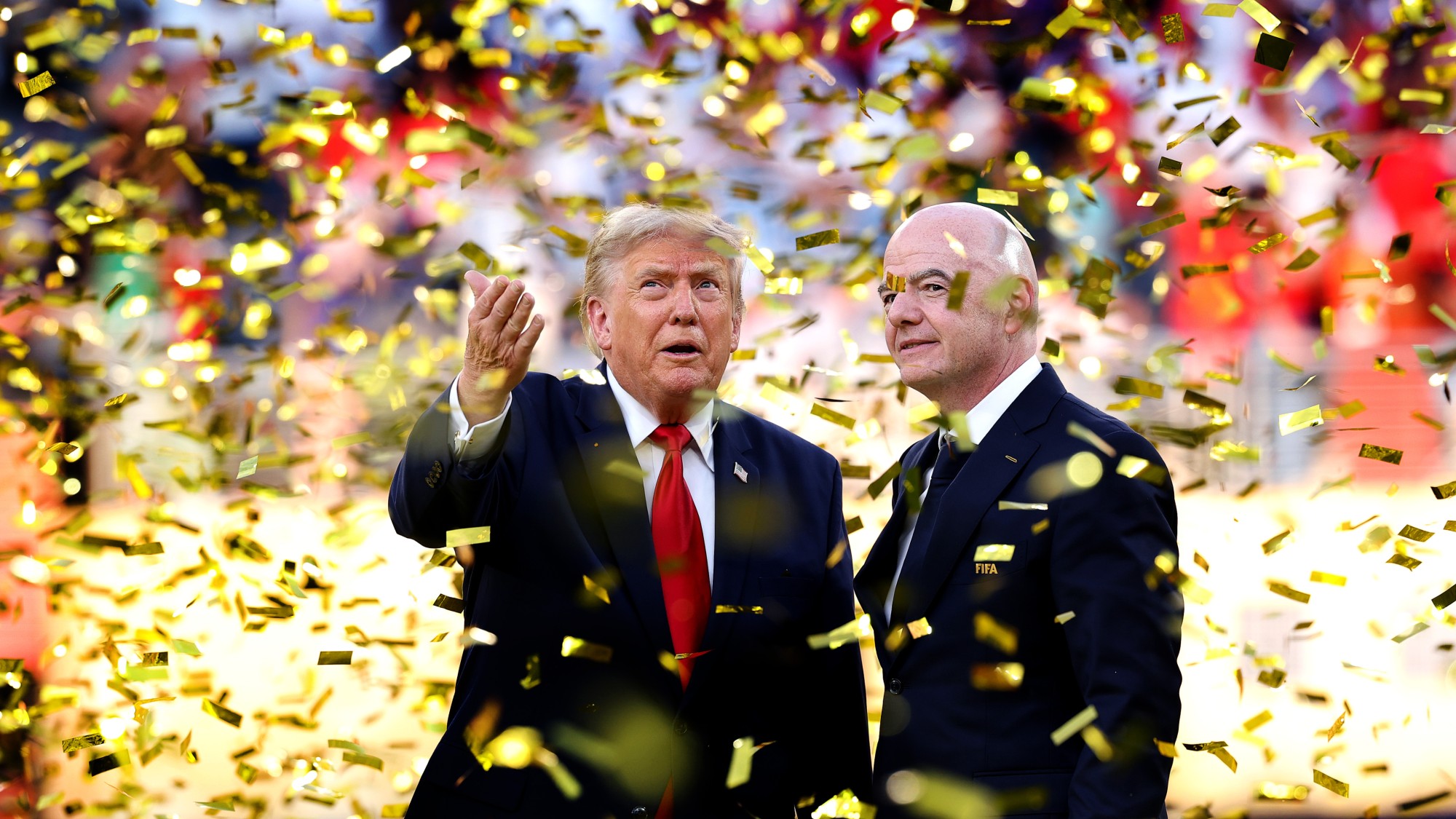
    The World Cup, football’s biggest prize, appears to be “for sale”, said Alyson Rudd in The Times. Fifa President Gianni Infantino has caused public outcry by announcing plans to launch a subsidiary, called Fifa Forward Enterprise, that would handle commercial operations such as broadcasting, sponsorship and ticketing. Controversially, a minority stake would be offered to external investors. Infantino would be installed as “commissioner” when his term as Fifa president ends in 2031, a role that “could potentially earn him tens of millions of pounds”, sources told The Times.

    “This crosses a line that football’s governing institutions should never cross,” European football’s governing body Uefa said in a statement. “The soul and governance of football are not assets to trade – especially with zero transparency as to who gains financially.”

    What did the commentators say?
    For once, the public outrage is entirely justified because this scheme “ties together so many of the extremes that have been pushing, pulling and twisting football – let alone the world – for so long”, said Miguel Delaney in The Independent.

    To add further fuel to the outrage fire, it’s been reported that Joshua Kushner, the brother of Jared Kushner, Donald Trump’s son-in-law, is being lined up to lead the $20 billion commercial part of the deal through his Thrive Eternal investment fund. Infantino “understands political and commercial power”, said the Financial Times. And “in the latest battle for football’s soul and spoils”, he “has a key ally in Trump and, many suspect, the support of Fifa members around the world”.

    Some will say that what Fifa is proposing is “no different to the commercial entities” created by the French and Spanish leagues and then sold in stakes “to private-equity funds”, said Matt Slater on The Athletic. The German and Italian leagues have debated “the same move for several years”, and the strategy has been tried by the organising bodies of other sports events, such as Formula 1 and golf’s PGA Tour.

    What next?
    Fifa insists the plans are still in the consultation phase. But selling off a slice of the World Cup “should be the cue for outright rebellion”, said Oliver Brown in The Telegraph. Uefa “should have the courage of its convictions and issue a warning to secede”. European nations are said to be discussing a boycott but football scandals like this “follow a time-honoured pattern: politicians fulminate, a few federations speak out, and then Infantino ploughs ahead regardless”.


    THE EXPLAINER

    How ‘fire clouds’ are making wildfires deadlier

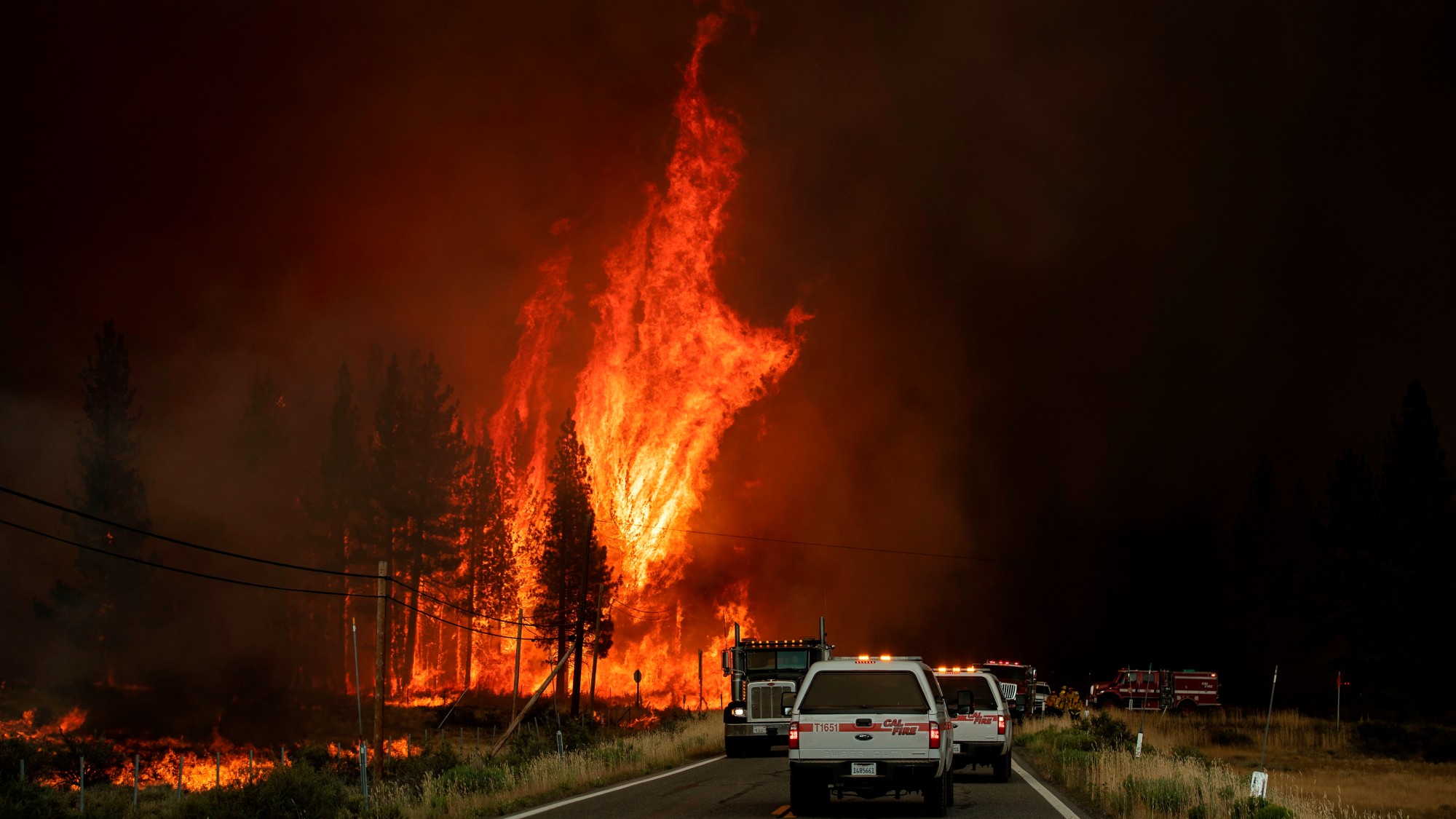
    In wildfire-beset southern France, firefighters are facing a threat they’ve never seen: deadly “fire clouds”. Described by Nasa as the “fire-breathing dragon of clouds”, pyrocumulonimbus clouds can form during extreme heatwaves and can themselves spark more wildfires.

    The appearance of this “incredible, unprecedented, unknown phenomenon” means we are “entering a new dimension” when it comes to fighting the effects of global warming, Sophie Brocas, the prefect of the Gironde region at the epicentre of the current blazes, told Le Monde.

    How are they formed?
    Pyrocumulonimbus clouds (also known as cumulonimbus flammagenitus clouds) are created when there is intense heat on the Earth’s surface – the kind of heat usually only caused by volcanic eruptions or large, intense wildfires. Rapidly heated air rises in a powerful updraught, accelerated by more air rushing in at ground level. Once high enough, it cools and condenses into giant thunderclouds, full of turbulence and separated electrical charges. Pyrocumulonimbus downdrafts can spread burning embers, and dry lightning from the cloud formation can starts new fires; the clouds can even form dangerous fire tornadoes. The result is so intense, they effectively create their own internal weather systems.

    These fire clouds have become increasingly common in North America and in Australia, where the 2019-20 “black summer” bushfires killed at least 33 people, and destroyed more than 27 million acres of bush, forest and parks. But, until now, there have been no documented cases in France or northern Europe.

    How can they be stopped?
    They are convective and “completely unpredictable”, Eric Brocardi of the National Firefighters Federation of France told Agence France-Presse. “It’s a David-versus-Goliath scenario.” In the end, “salvation will come either from the sky – in the form of rain, though it would need to pour heavily for three days – or by finding a way to steer the fire towards a place where it will die out on its own. The sea, for example.”

    Given that pyrocumulonimbus clouds form in extreme weather conditions that include high temperatures, strong winds and little moisture, climate change is only likely to increase their frequency, scientists have warned.


    QUOTE OF THE DAY

    “What, a new one? They keep changing every five minutes.”

    A resident expresses surprise as Andy Burnham introduces himself as the new prime minister during a visit to a care home in London today.


    Poll watch

    Brits are evenly split on the prospect of a repeat of this summer’s scorching temperatures. More than a third (38%) would be “fairly” or “very” happy if successive summer heatwaves become the norm, while the same proportion would be “fairly” or “very” unhappy, according to a YouGov poll of 4,478 UK adults. The remainder were indifferent or not sure.


    TALKING POINT

    Burnham’s schools overhaul: a Neet solution?

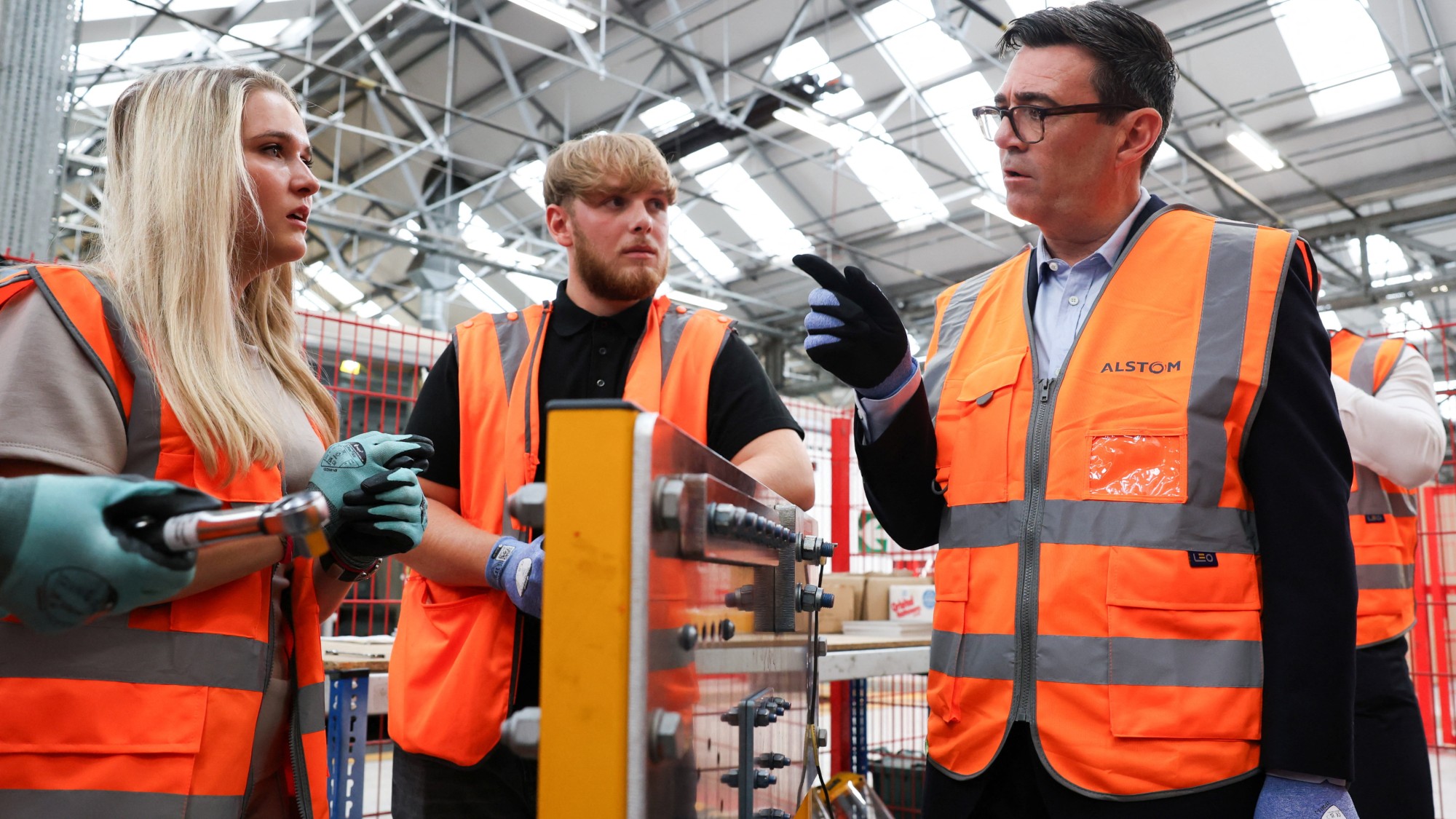
    From now on, “Britain will value the hard hat every bit as much as the graduation cap,” said Andy Burnham in The Times this week.

    The prime minister has unveiled “fundamental changes” to England’s curriculum and education system. From the age of 14, pupils will be able to combine technical subjects, such as manufacturing and AI, with core subjects, such as maths and English. They will also be able to get experience with local employers, to give them a clearer pathway into work. 

    ‘Westminster less involved’
    Burnham is “on a mission” to reduce the number of young people not in education, employment or training (Neets), which has reached its highest level in more than 12 years. This overhaul “will not be of any benefit” to today’s Neets, said The Times’s sketch writer Tom Peck. But, in theory, it will help “prevent the emergence of the next generation”.

    This also “gives Burnham a chance to distance himself again” from other politicians who have tried to reform technical education, said Politico’s London Playbook. “We’ve heard this type of thing a lot over the last few years” but the difference now is that “Westminster will be less involved”; the new routes will be shaped by local mayors, schools and employers. It’s all modelled on Burnham’s Greater Manchester Baccalaureate, or MBacc, which he launched as mayor in 2024, said the BBC’s education correspondent Hazel Shearing. The MBacc “may well be scalable” but “there will be challenges”. Will kids living in deprived areas, without thriving industries, have fewer options?

    ‘To no good end’
    Telling kids to organise their curriculum around a “presumed occupational destination” means we “narrow their field of possibility before either they or we can know what they might become”, said Joshua Vallance, vice principal of Brixton’s Trinity Academy, in Schools Week.  Better-off children at independent or selective schools will still study languages, history and sciences “before deciding what to become”. Poorer children will be “asked to decide first”, with “fewer options”.

    And, unless this new government “does something very radical in the Budget”, Burnham’s overhaul has to be “balanced by cuts elsewhere in the schools budget”, said Stephen Bush in the Financial Times. This imperils a “genuine public policy success” but “to no good end”. The Neet problem is “not a consequence of our education system”; it’s “rooted in the labour market”.


    Good day 🪨

    … for alone time, as some Stonehenge visitors get the chance to spend 20 minutes alone in the inner stone circle of the prehistoric monument. English Heritage is running a private-tour prize draw every day in August, open to anyone who has booked an advance ticket for the site, which is usually thronging with tourists.


    Bad day 🤖

    … for Chinese humanoids, which have been banned from the US for posing “unacceptable risks” to national security. The Federal Communications Commission said foreign-made robotic devices could allow “malign actors to surveil Americans” or “remotely commandeer” the technology. China’s embassy in Washington said the US should “stop smearing Chinese companies”.


    PICTURE OF THE DAY

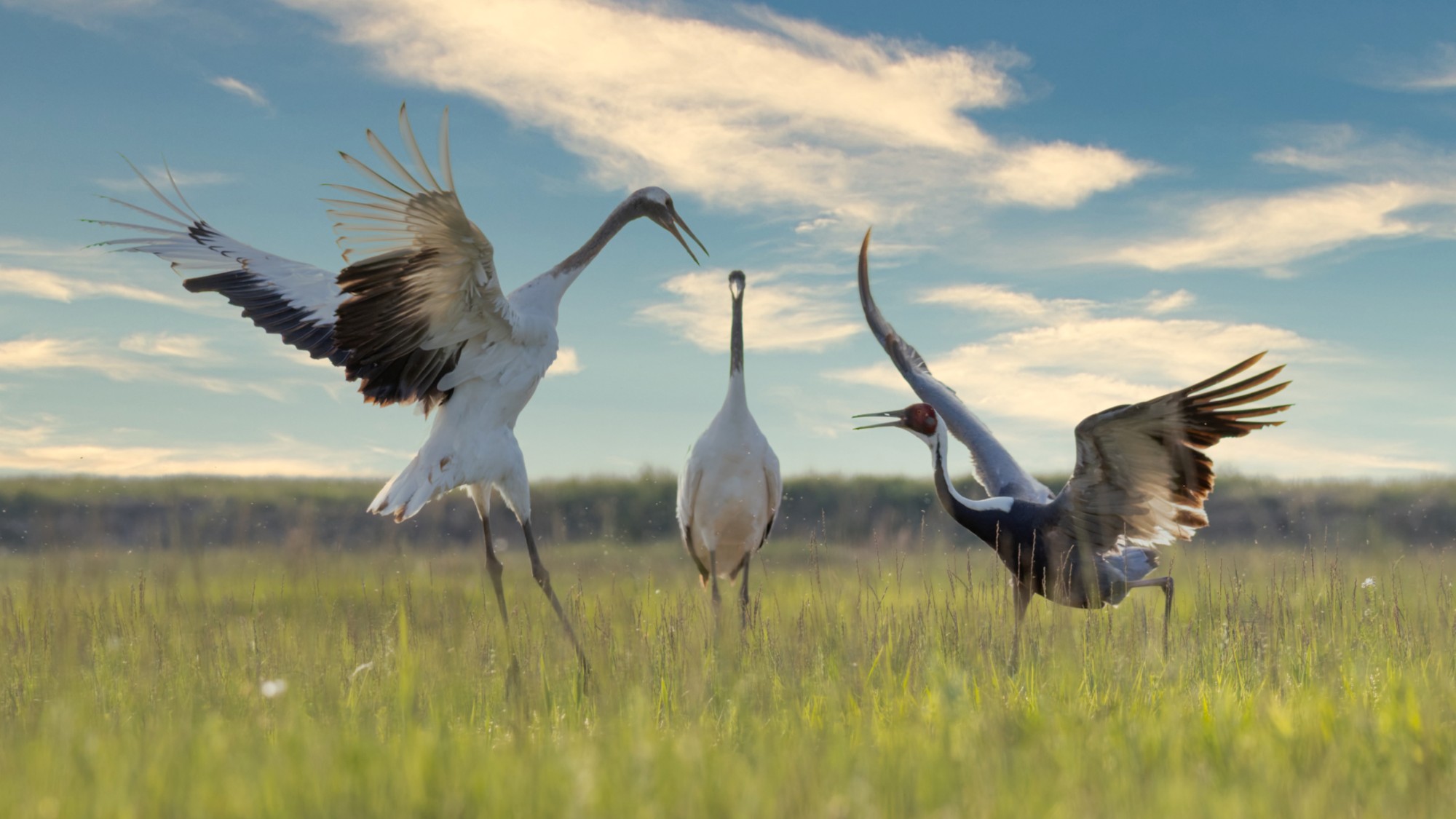
    Feathered friends

    Red-crowned and white-naped cranes play in China’s Zhalong National Nature Reserve. The area has become a major breeding ground for rare cranes in northeastern China. 

    Chi Shiyong / VCG / Getty Images


    Puzzles

    Chain Word

    Try The Week’s new daily word challenge in our puzzles and quizzes section

    Play here


    THE WEEK RECOMMENDS

    Fun, absorbing summer reads for children

    The end of the school year marks the start of the Summer Reading Challenge for four- to 11-year-olds. Kids up and down the country are being encouraged to sign up online or visit their local library to get involved. Here are some fun books to help spark their enthusiasm.

    Monsieur Mustard, by Charley Rabbit
    When Fabio Fangtooth goes missing from his restaurant, it’s up to the “charming mouse detective”, Monsieur Mustard, to figure out what’s going on, said The i Paper. This beautifully illustrated book is a “witty and inventive” read. For ages 5-9.

    Detective Thingy Majiggy, by Cecelia Ahern
    The bestselling author of “PS, I Love You” has written her first book for children. It’s about “a 10-year-old girl who can hold conversations with inanimate objects”, said The Telegraph. When Mia is accused of starting a fire at her school, can a “broken toaster” help to “prove her innocence”? For ages 7 plus.

    The Common Criminals’ Club: Death Before Detention, by Alison Weatherby
    This cosy murder mystery is set in a rural Irish Catholic boarding school. When a dead body is discovered in the kitchen, “Mae and her friends are determined” to find out what has happened, said The Guardian. “Funny” and “twisty”, with an “irresistible heroine”. For ages 9 plus.

    The Not-So Great Escape, by Emma Green
    When tragedy strikes, “risk-averse” 12-year-old Hedley finds himself on a road trip adventure with his younger sister Lilly, “troublemaker” Aiden, and a “stolen alpaca”, said the Financial Times. “Silly” and fun with a “heart-rending twist” at the end. For ages 9 plus.


    Statistic of the day

    2.7 million: The number of people who visited Britain’s royal palaces in 2025-26 – down 182,000 on the previous year, according to a report from the Royal Collection Trust. The charity’s net income has slumped from £13.9 million to £3.5 million, partly due to dwindling visitors at attractions such as Buckingham Palace and Windsor Castle.


    instant opinion

    Today’s best commentary

    Badenoch must reverse course on net zero before she destroys the Tories
    Ambrose Evans-Pritchard in The Telegraph
    With “dystopian” fires raging in Europe, “Kemi Badenoch has chosen an abominable political moment to flirt with climate nihilism”, writes Ambrose Evans-Pritchard. In “her outrage” at “wind, solar, batteries and electric vehicles”, she’s “gone Trumpian on the existential issue of our time, competing with Nigel Farage” for “the backlash vote”. Yet climate change threatens the very things “conservatives profess to love: farming, natural food, tradition, the rural way of life”. To save her “once-great party”, she must “pull back from the brink”.

    For parents staring down the barrel of six weeks’ childcare: take a tip from orangutans
    Helen Pilcher in The Guardian
    Scientists tell us that orangutan mothers “arrange playdates for their offspring”, writes Helen Pilcher. Other animals also make “time for play”, suggesting “it is far from frivolous”; it helps youngsters learn “how to communicate, cooperate” and “resolve conflicts”. This “applies to humans too”, including grown-ups: research shows playfulness can help “adults navigate the challenges that life throws their way”. So, if you’re wondering how to hang on to your sanity during the school summer holidays, “make room” for some “messing around”.

    Why must people use disposable barbecues in a heatwave? It’s idiocy
    Carol Midgley in The Times
    Some “people in this country are very stupid”, writes Carol Midgley. Apparently, 3% of us “think that guide dogs are blind”. The “alpha morons” this heatwave summer are the “disposable barbecue brigade” who fill my local park with “discarded foil trays” and “scorched, black rectangles of earth, like environmental acne”. Please, “do feel free to risk a rampant fire, destruction and the death of wildlife just so you can cook… what, four burgers? Ever heard of bringing sandwiches?”


    word of the day

    Dicephaly

    A rare condition, where an animal is born with two heads. Staff at a gecko-breeding business in Pennsylvania were surprised when a tiny crested gecko hatched in June with dicephaly. The owners of Rockstar Geckos named the two-headed animal Simon and Garfunkel. One month on, it is “thriving”, weighs just under 2g, and “both heads eat independently”, said Need to Know.


    Evening Review was written and edited by Hollie Clemence, Jamie Timson, Harriet Marsden, Chas Newkey-Burden, Irenie Forshaw, David Edwards, Adrienne Wyper, Erica Jones and Helen Brown.

    Image credits, from top: Carl Recine / Getty Images; Josh Edelson / AFP / Getty Images; Temilade Adelaja / WPA Pool / Getty Images; Chi Shiyong / VCG / Getty Images; Usborne Publishing / Pan Macmillan / HarperCollins

    Morning Report and Evening Review were named Newsletter of the Year at the Publisher Newsletter Awards 2025
     

    Recent editions

    • Morning Report

      Burnham seeks cross-party unity on social care overhaul

    • Evening Review

      Netanyahu and Zelenskyy go to Washington

    • Morning Report

      Burnham to prioritise ‘hard hats as well as graduation caps’

    VIEW ALL
    TheWeek
    • About Us
    • Contact Future's experts
    • Terms and Conditions
    • Privacy Policy
    • Cookie Policy
    • Advertise With Us
    • FAQ
    Add as a preferred source on Google Add as a preferred source on Google

    The Week UK is part of Future plc, an international media group and leading digital publisher. Visit our corporate site.

    © Future Publishing Limited Quay House, The Ambury, Bath BA1 1UA. All rights reserved. England and Wales company registration number 2008885.