The Week UK
flag of US
US
flag of UK
UK
https://cdn.mos.cms.futurecdn.net/flexiimages/jzblygzdxr1769609154.gif

SUBSCRIBE

Start your trial today

Sign in
  • View Profile
  • Sign out
  • The Explainer
  • Talking Points
  • The Week Recommends
  • Podcasts
  • Newsletters
  • From the Magazine
  • The Week Junior
  • More
    • Politics
    • World News
    • Business
    • Health
    • Science
    • Food & Drink
    • Travel
    • Culture
    • History
    • Personal Finance
    • Puzzles
    • Photos
    • The Blend
    • All Categories
  • Newsletter sign up Newsletter
  • The Week Evening Review
    Ukraine’s next move, West Bank violence, and Sally Rooney’s ‘thorny’ protest

     
    TODAY’S BIG QUESTION

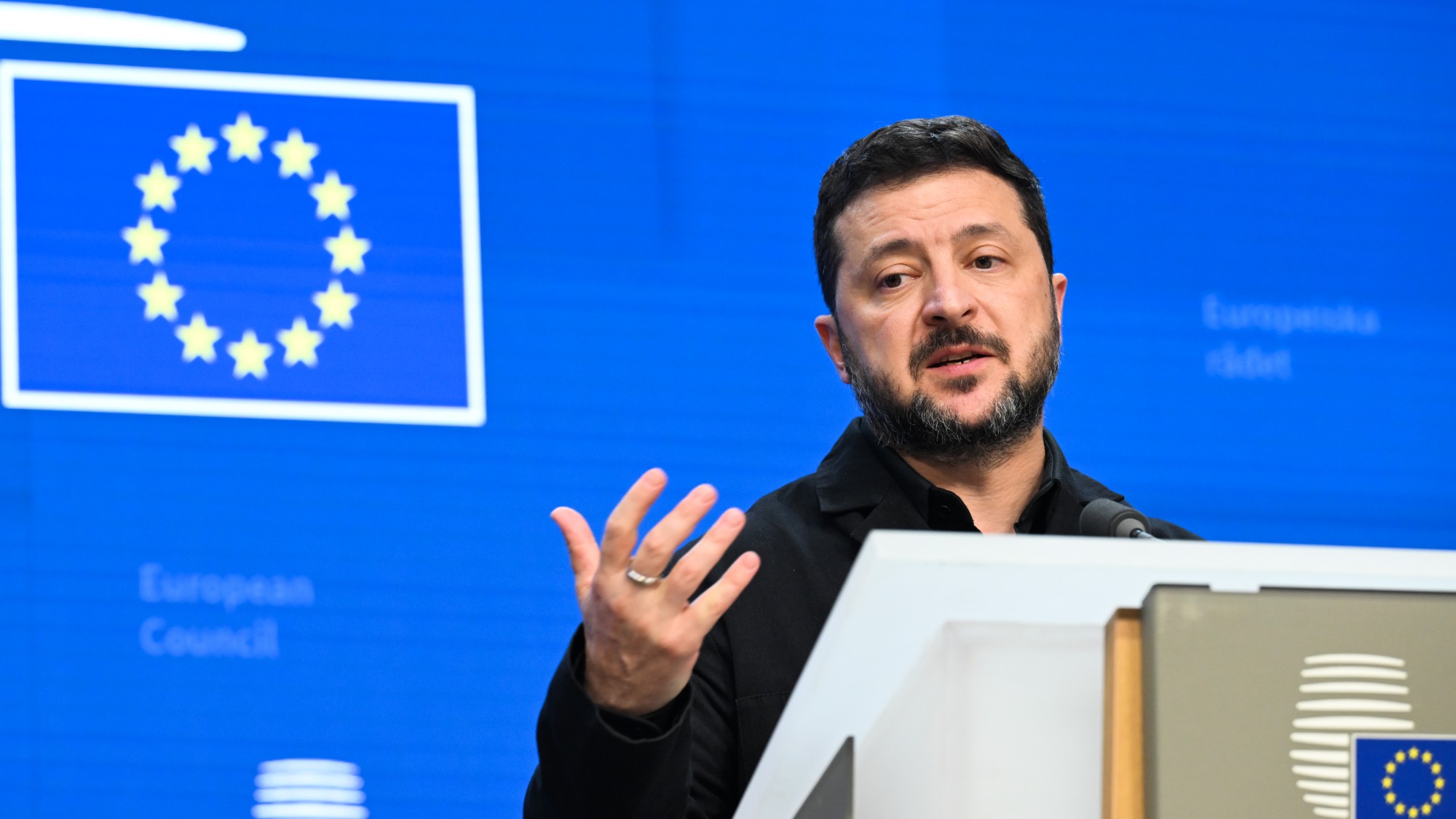
    What should Ukraine do next?

    Ukrainians are “gearing up for the worst-case scenario”, said Finbarr Toesland in The i Paper. Faced with an “emboldened Russia”, they’re expecting this winter to be the “most brutal since Vladimir Putin launched his invasion in February 2022”.

    Stunned by Donald Trump’s surprise announcement of an “energy ceasefire” that favours Russia, and possible plans for “peace talks” without Kyiv, Volodymyr Zelenskyy is struggling to win back US favour. And with temperatures in Ukraine set to drop as low as -20C in the coming months, the clock is ticking.

    What did the commentators say?
    “Trump’s efforts on the part of Russia” are “the act of an enemy”, said The Independent’s world affairs editor Sam Kiley. He has “strangled” Kyiv’s intelligence systems and “crippled weapons on the battlefield”. That’s an “act of sabotage”, and “Europe’s leaders must stand up and say so”.

    This “sorry episode” shows “just how dependent Ukraine still is on the US”, said The Telegraph’s editorial board. For all the “strong words” of Europe’s leaders, “there remains a gulf” between their “rhetoric and the reality” of their support. Iris2, the EU’s version of Elon Musk’s Starlink satellite network, won’t be operational before 2030, and only the Americans can offer “ballistic-missile defence”. Europe must step up its provision of hardware, or “Kyiv’s security will remain hostage” to  Trump, “who has shown repeatedly that he cannot be relied upon”.

    Zelenskyy may have to “consider a temporary, if unwelcome, change of tactics” to relieve the “terminal stress” on his relationship with Trump, said The Times’ editorial board. Two US senators have suggested a “useful compromise”: if Ukraine pledges to stop attacks on Russian energy assets, SpaceX’s Starshield coverage could be extended to about 200 miles inside Russia to “help Kyiv take out some of the launchers firing at civilians all over Ukraine”.

    What next?
    Zelenskyy must find a way to halt Russia’s “devastating air onslaught”, said The Times. Ukraine needs “proper air defences – and fast”, even if that means halting strikes on Russian refineries in return for Patriot missiles. Trump “may not be minded to provide these weapons”, but he’s under “growing pressure” from the US Congress. A strategic pause in strikes may help to “prevent further Trump hostility to Kyiv”.


    THE EXPLAINER

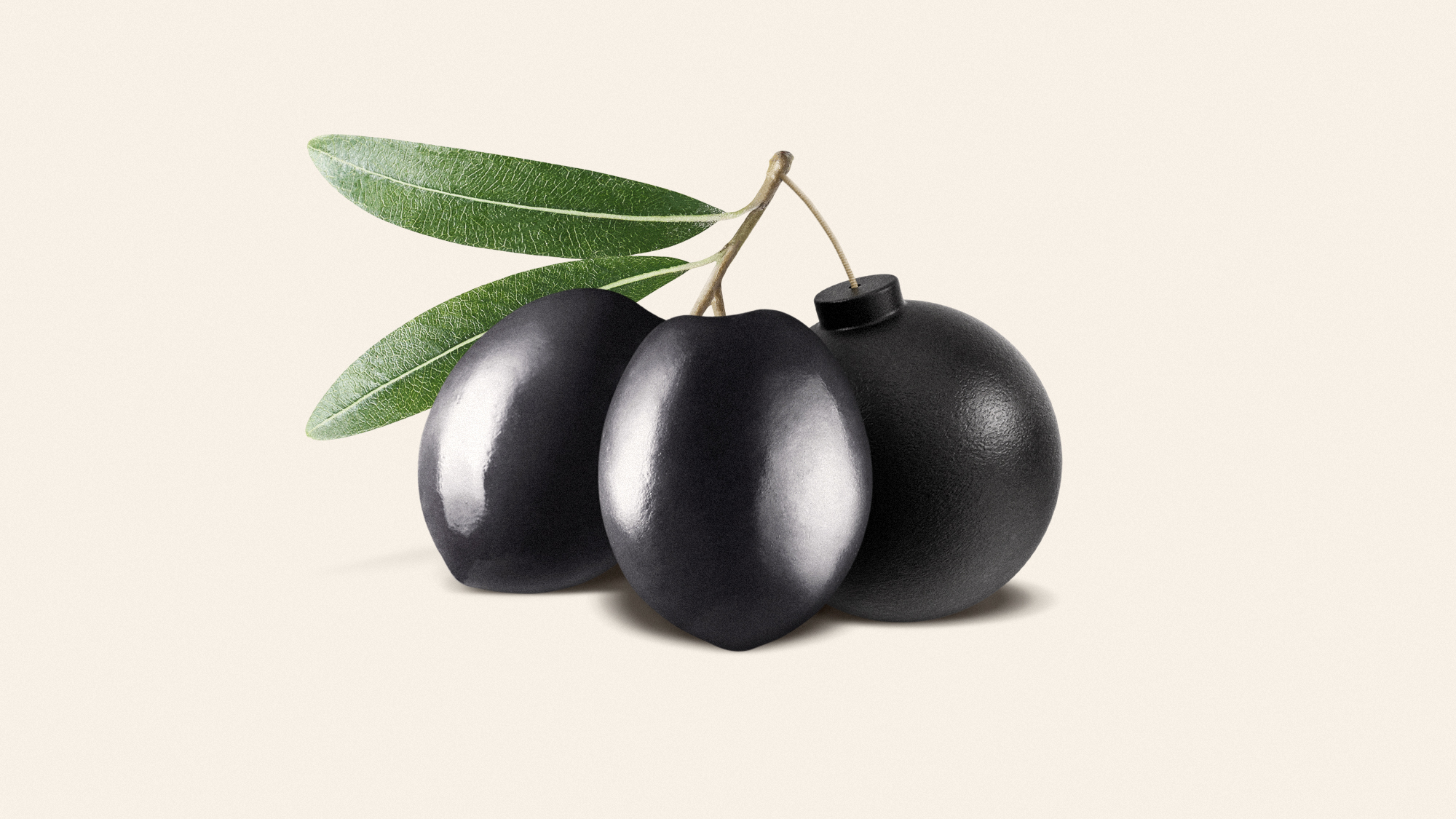
    West Bank olive harvest: a flashpoint for violence

    Israeli police have arrested 10 suspects in the occupied West Bank following settler attacks in which a US journalist and European diplomats were among those injured.

    Masked settlers beat Washington Post photojournalist Heidi Levine on Friday as she covered an olive harvest in the Palestinian village of Abu Falah. The following day, settlers attacked diplomats from Belgium, France and Poland, as well as representatives of the Catholic Church, in the Palestinian Christian village of Taybeh.

    Why is the harvest so significant for Palestinians?
    Between 80,000 and 100,000 Palestinian families depend on the olive harvest for at least part of their income, according to the UN Office for the Coordination of Humanitarian Affairs. Every autumn, thousands of families handpick olives, in an industry that has sustained communities for generations. To many olive-growing communities, the harvest represents not just livelihoods but cultural identity, family heritage and attachment to the land.

    Palestine’s Ministry of Agriculture estimates that olive oil production in the occupied West Bank and Gaza Strip will reach approximately 21,000 tonnes this year. Around a quarter of that would be surplus to domestic need and could be exported. But that yield projection is based on farmers being able to access and harvest their groves.

    Settler attacks during the current olive harvest season have already surpassed the total for 2025. The UN has documented 199 such attacks in the West Bank so far this year, with one death, 124 injuries and damage to more than 2,500 trees and saplings.

    What are the attackers’ motives?
    These attacks in the West Bank “are not new”, said Al Jazeera. Every year, “Israeli settlers and hardline groups use the olive harvest period to assert control over valuable agricultural lands”, including by “stealing crops, or building illegal settlement outposts and roads on private Palestinian property”.

    This annual ritual of “assaulting farmers, burning or uprooting trees and stealing crops” is “making it increasingly dangerous for Palestinians to reach and remain on their own land”, Ahmed Najar, a Palestinian political analyst and playwright, told the outlet. The attacks are also designed to “deter international campaigners from accompanying Palestinian farmers, standing with them against settler violence and documenting the atrocities being committed”, he said. “The objective is not only to dispossess Palestinians, but to ensure that their dispossession happens without witnesses.”


    QUOTE OF THE DAY

    “The adult social care sector as a whole appeared to be something of an afterthought.”

    Covid Inquiry chair Heather Hallett summarises her latest findings on the UK’s response to the pandemic. Claims that a “protective ring” was put in place around care homes were “unfounded”, her newly published report said.


    Poll watch

    Nearly two in five (38%) Brits describe finger foods as “picky bits”, YouGov polling suggests. Despite a media backlash against the phrase, only 25% of the 2,082 adults quizzed said they actively dislike or hate it.


    IN THE SPOTLIGHT

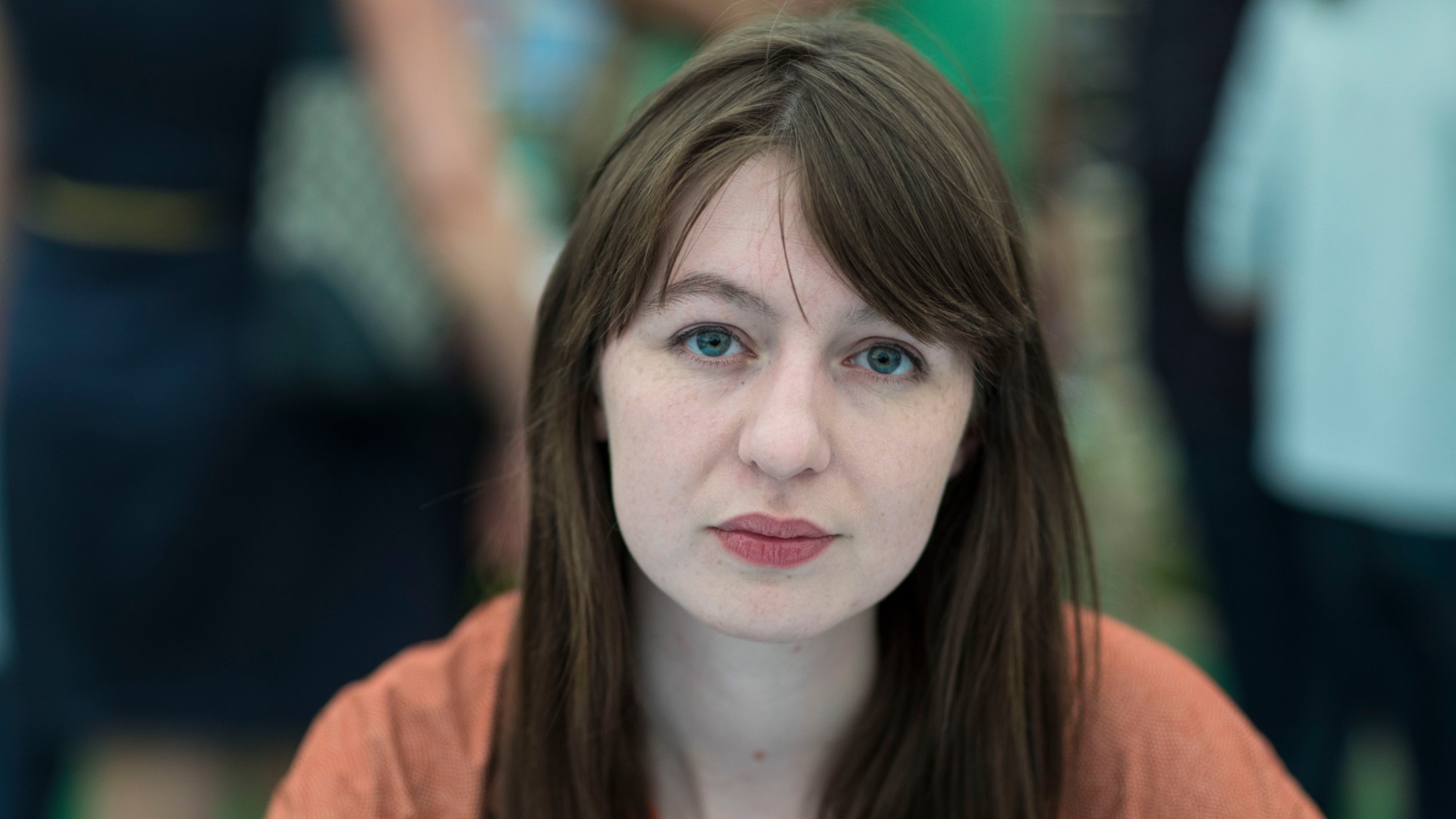
    Sally Rooney’s UK ‘book ban’

    Go into a British bookshop and you may notice “a glaring stock gap”, said Lydia Spencer-Elliott in The Independent. “Star novelist” Sally Rooney, whose bestsellers include “Normal People” and “Conversations With Friends”, has announced that her books will no longer be sold in the UK due to her support for Palestine Action.

    The Irish novelist had pledged to donate royalties from her books to the direct-action protest group, despite the UK government proscribing it as a terrorist organisation. Rooney said last week that her publisher, Faber & Faber, had decided it could no longer sell her work in the UK because doing so could “constitute a serious criminal offence”. For fans and bookshop owners, the news “hit like a gut punch”, said Spencer-Elliott.

    ‘Self-imposed withdrawing’
    Rooney has shown courage in choosing “the thorniest path possible for this cause”, said Zoe Williams in The Guardian. Authors “write essays and sign letters” in support of Palestinian people, and musicians shout about it on stage, but that doesn’t “entail actively breaking the terrorism laws”. 

    Yet despite “the uproar”, this isn’t “massively risky” for either Rooney or Faber, said Camilla Long in The Times. How many of her “whopping” six million worldwide book sales will she forgo? Her books “remain in libraries” and in any UK bookshops where they were already in stock before her announcement. This isn’t a “book ban”; it’s a millionaire’s “self-imposed withdrawing of one’s further sales”.

    ‘Rock and a hard place’
    This is “attention-seeking self-aggrandisement”, said Lionel Shriver in The Telegraph. Thanks to lucrative TV adaptations of her novels, Rooney can “easily live without further British royalties” and continue to “shout her devotion to Palestinians from the rooftops” (or fund their cause via multiple legal outfits). Faber, on the other hand, was caught “between a rock and a hard place”.

    I’m “no fan” of Palestine Action, said Sam Leith in The Spectator. Some of its members have “committed a campaign of criminal damage”. But Rooney and Faber have pushed the “simultaneous intolerance and vagueness of the UK government’s position” on the group onto “the front tables at Waterstones”. The problem isn’t Rooney’s speech, free or otherwise; it’s Britain’s “inconsistent attempt to police the border between legitimate protest and criminal thuggery”. What a “fine mess” we’re in.


    Good day 🍁

    … for a united Canada, after Alberta voted against holding an independence referendum. With more than 1.5 million votes counted, early results suggested that less than a quarter of the province’s residents backed the push to begin a process towards separation. 


    Bad day 🖥️

    … for Google Cloud services, which were hit by a “power event” at the tech giant’s London data centre. Court video links and UK businesses and banks including Halifax and ​Revolut were affected by the outages at the Europe-west2 site, before the company reported “seeing a recovery of services”. 


    PICTURE OF THE DAY

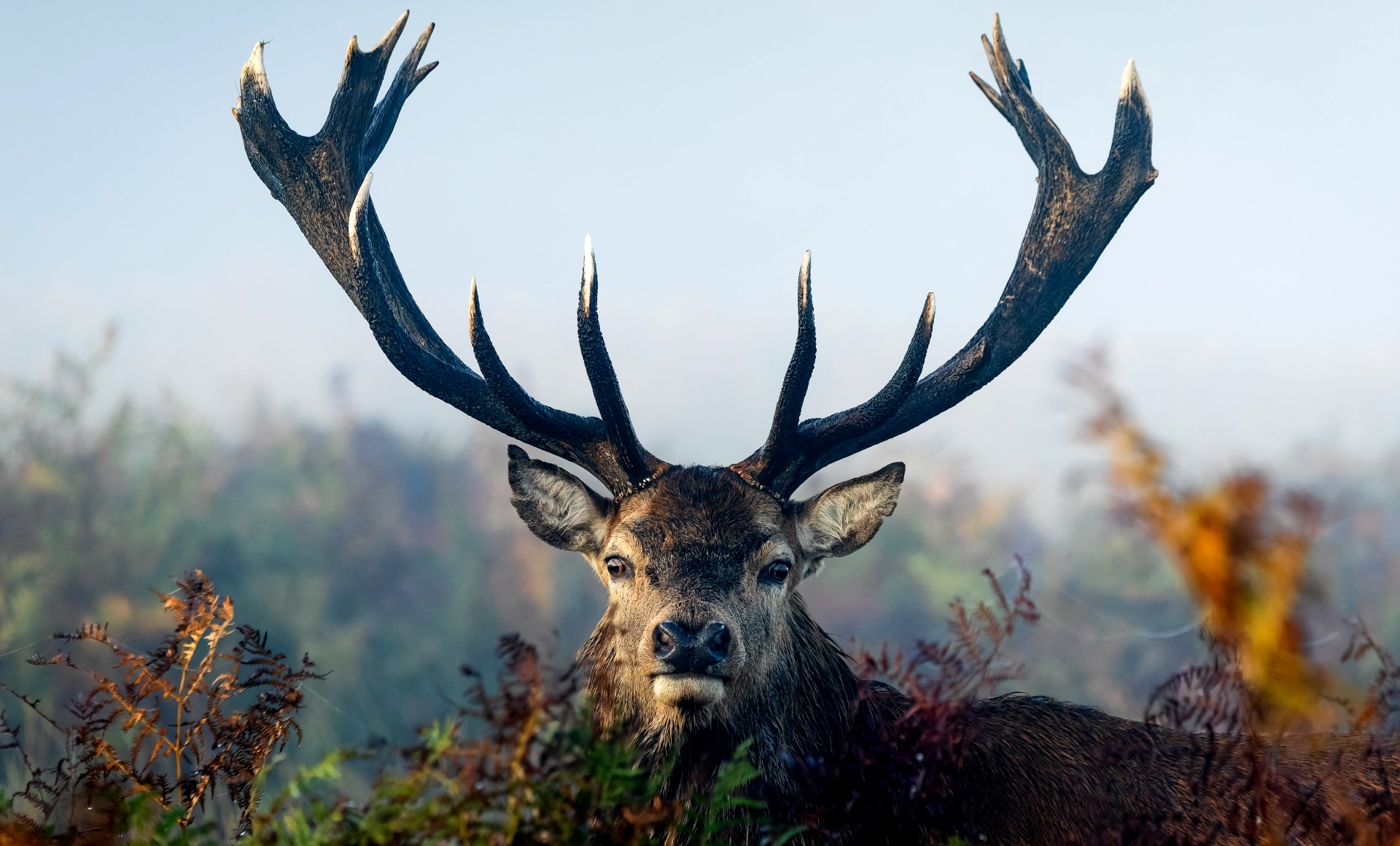
    Stuck in a rut

    A red stag peers over a bush in London’s Richmond Park. Visitors are being warned that the annual deer mating season has begun, making stags more unpredictable and potentially aggressive.

    Brook Mitchell / Getty Images


    Puzzles

    Chain Word

    Try The Week’s daily word challenge in our puzzles and quizzes section, which also includes sudoku and Guess the Number

    Play here


    THE WEEK RECOMMENDS

    Why the ‘skillcation’ is taking off

    A “growing cohort” of time-poor travellers are treating their holidays as an “investment” in themselves, said Bloomberg. The desire to “come home with more than Instagram shots as souvenirs” has given rise to “purposeful travel”: the skillcation.

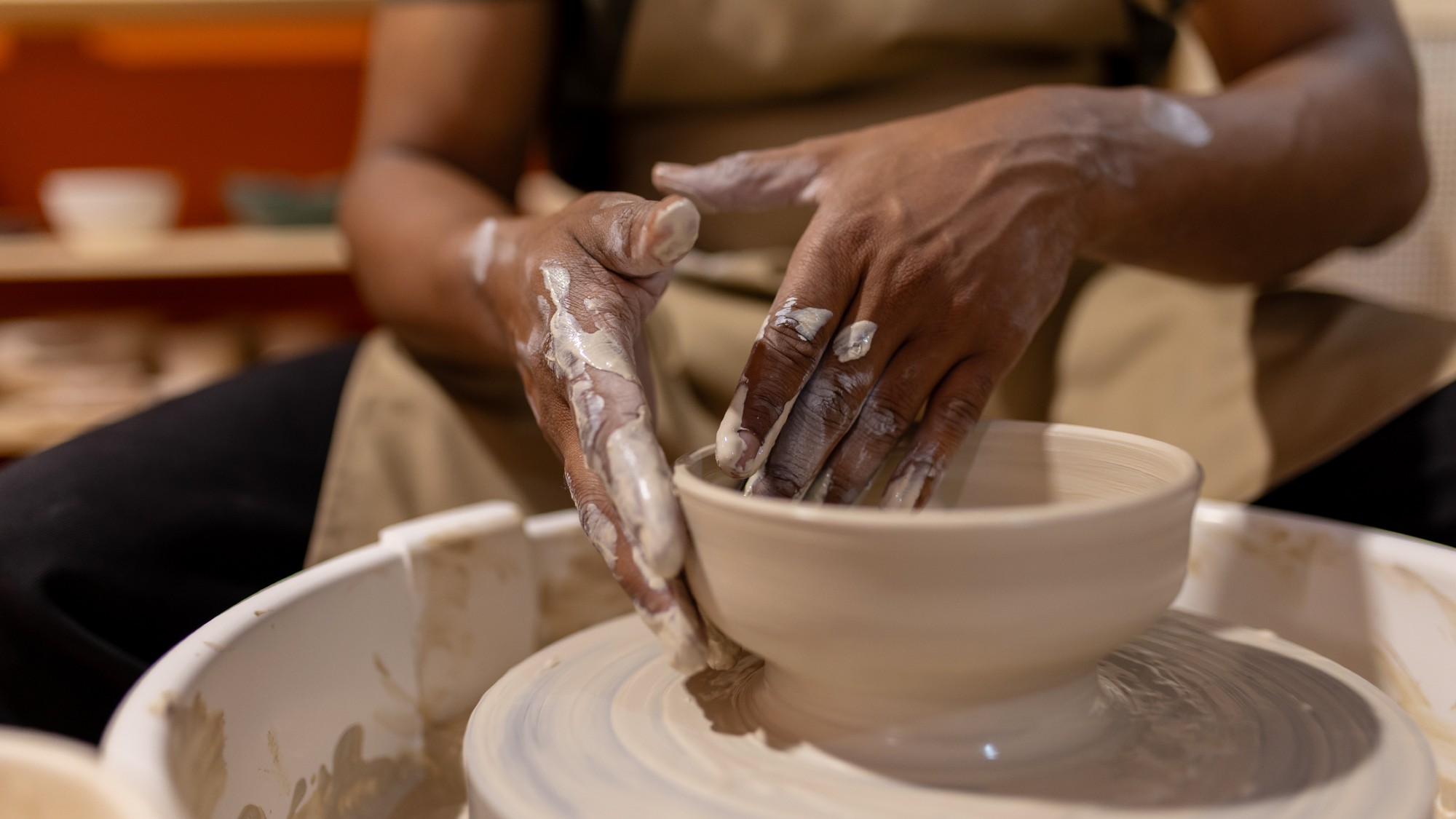
    Nearly half of Europeans plan to learn a new skill on their summer holiday, according to recent research by Mastercard. Tourists are looking for experiences that “create muscle memories”, said the company’s senior economist Natalia Lechmanova. From “winemaking and woodworking” to pottery and painting, consumers are “opening their wallets” for a taste of local culture and a “lesson that lasts long after they’ve arrived home”. 

    These trips tend to cost more than conventional holidays, but the pay-off is high. People often see “longer-lasting positive effects on psychological well-being” than from holidays focused on “sun, sea and partying”, psychology professor Andrew Stevenson told Bloomberg. Spending time learning a new skill provides an added “feeling of satisfaction and accomplishment”.

    Over the years, “I’ve clumsily thrown myself into swing dancing lessons in Italy, free-diving sessions in French Polynesia, and Spanish intensives in Ecuador”, said Julia Eskins in Vogue. “I came home from each one feeling a little more capable than when I arrived.”

    The goal is to fill time with “experiences that teach, reconnect and transform”, said Forbes. Travellers going on skillcations usually opt to learn something unavailable to them at home, such as tactile crafts like “Peruvian weaving or Japanese pottery-making”. And they’re more interested in learning about “heritage, expertise, traditions and customs” than ever before.


    Statistic of the day

    35%: The proportion of animated films with an age rating of 12A or above released in UK cinemas so far this year, up from one in seven in 2000. Over the same period, the proportion of animations rated U, suitable for all ages, has fallen from more than two-thirds to less than a fifth, according to the British Board of Film Classification. 


    instant opinion

    Today’s best commentary

    Putin can smell Washington’s desperation
    Owen Matthews in The Spectator
    Donald Trump’s “latest broadside” at Volodymyr Zelenskyy will go down “as a major turning point” in the Ukraine war, writes former Moscow correspondent Owen Matthews. With everything “going the Kremlin’s way”, Vladimir Putin will “play for time”, scoring “political points with Trump and buying a few more weeks and months” to “hammer Ukraine’s cities”. Putin’s arrogant enough to still “mess things up”, but it’s “clear” that “America has chosen Russia as the side on whose terms the war will end”.

    Don’t be fooled. The AI that was supposed to save us time is doing just the opposite
    Gaby Hinsliff in The Guardian
    The government hopes AI can “transform the machinery of the state on the cheap”, writes Gaby Hinsliff. But so far, it’s not “streamlining public service delivery” so much “as gumming it up”. Whitehall is “drowning in AI-generated freedom of information requests”, and in courts, “people who can’t afford lawyers” are “using ChatGPT to build cases that often don’t make sense”. “Faster and easier” isn’t always better, and “time saved” here “has a horrible habit of popping up” there. “Let the Whac-A-Mole begin.”

    There’s no way of sugaring it — puddings are for prats
    Giles Coren in The Times
    Apparently, “young people are going crazy for” sticky toffee pudding, fruit crumble and trifle, writes Giles Coren. How “stupid”: don’t they realise “grown-ups stopped eating that crap years ago”? Puddings contain nothing but “refined, imported, environmentally cataclysmic, slavery-compromised, gut-killing, heart-stopping, tooth-rotting, brain-deluding, provably poisonous sugar”. Only morons, “brought up by lazy parents who used sugar as a bribe”, see them as a “treat” to “be ordered in restaurants with a blush and a giggle”.


    word of the day

    Cartwheel

    A gymnastics move that “seems like it should require both arms and legs”, said ScienceNews. “But some itty-bitty snakes in Southeast Asia manage it without either.” Researchers have used high-speed cameras to discover how dwarf reed snakes “cartwheel” away from danger – by curling into a C shape before whipping their tail out to become airborne, according to a study in the journal Current Biology.  


    Evening Review was written and edited by Hollie Clemence, Rebecca Messina, Will Barker, Chas Newkey-Burden, Harriet Marsden, Deeya Sonalkar, Helen Brown, Adrienne Wyper and Kari Wilkin, with illustrations from Stephen P. Kelly. 

    Image credits, from top: Wiktor Dabkowski / Bloomberg / Getty Images; illustration by Stephen P. Kelly / Shutterstock / Getty Images; David Levenson / Getty Images; Brook Mitchell / Getty Images; PixelsEffect / Getty Images
     

    Recent editions

    • Morning Report

      France resorts to curfews as unrest continues

    • Evening Review

      What fiery protests mean for the French election

    • Morning Report

      Macron urges calm as protests grip France

    VIEW ALL
    TheWeek
    • About Us
    • Contact Future's experts
    • Terms and Conditions
    • Privacy Policy
    • Cookie Policy
    • Advertise With Us
    • FAQ
    Add as a preferred source on Google Add as a preferred source on Google

    The Week UK is part of Future plc, an international media group and leading digital publisher. Visit our corporate site.

    © Future Publishing Limited Quay House, The Ambury, Bath BA1 1UA. All rights reserved. England and Wales company registration number 2008885.