The Week UK
flag of US
US
flag of UK
UK
https://cdn.mos.cms.futurecdn.net/flexiimages/jzblygzdxr1769609154.gif

SUBSCRIBE

Start your trial today

Sign in
  • View Profile
  • Sign out
  • The Explainer
  • Talking Points
  • The Week Recommends
  • Podcasts
  • Newsletters
  • From the Magazine
  • The Week Junior
  • More
    • Politics
    • World News
    • Business
    • Health
    • Science
    • Food & Drink
    • Travel
    • Culture
    • History
    • Personal Finance
    • Puzzles
    • Photos
    • The Blend
    • All Categories
  • Newsletter sign up Newsletter
  • The Week Evening Review
    IT meltdown, online Brazil, and the Black Bloc

     
    TODAY’S BIG QUESTION

    Can we stop the internet falling over?

    The UK is facing a greater threat “than we have, certainly for most, if not all, of my lifetime”, Wes Streeting told the BBC. The defence secretary was referring to the vulnerabilities discovered in PHP, the programming language that powers up to 70% of websites. “Millions of attacks” have since been launched to exploit the flaw, said The Times.

    The government was forced to take 32 of its services offline, although there is no indication of a breach, and a “patch” has been rolled out to help affected sites. But, with increasingly powerful AI accelerating the scale of hacking, this could be just the beginning of an era of online disruption.

    What did the commentators say?
    Our digital infrastructure is “looking very fragile”, said Chris Stokel-Walker in The Guardian. The solution is “the same one we keep talking about”: tech companies that make “billions” from software they obtain for free from open-source data should “contribute properly to maintaining it”. Unless we start “properly valuing those who keep our internet safe”, it will break.

    There have been warnings for the “better part of a year”, said Matteo Wong in The Atlantic. And, in the last few weeks, there have been major cyberattacks on “governments, data centres, and hospitals” all over the world. “Bulking up” IT departments and using passkeys and two-factor authentications are still “important”, but the “most urgent and practical advice being given now is to retreat: prepare to simply go offline”. There is not enough time to prepare for the “deluge” of AI-based hacking. In fact, “the dam may have already broken”.

    Government preparedness should be an absolute “political priority”, said The Times. Pilot projects on cyber defence and the AI Safety Institute represent “sensible” first steps, but “more must be done”: we need better public awareness and “decisive state emergency levers” we can pull in a crisis. The coming weeks will “no doubt reveal continuing threats”.

    What next?
    “There’s a race on” between attackers and the tech companies who are rolling out the patch, said Sky News. “The trouble is, this patch doesn’t cover all PHP sites.” About 75% don’t run the newest versions of PHP; it will be “much harder” for them to implement the fixes. For now, the “attackers might have the advantage”. It seems “we could be in for a bumpy few years”.


    The Explainer

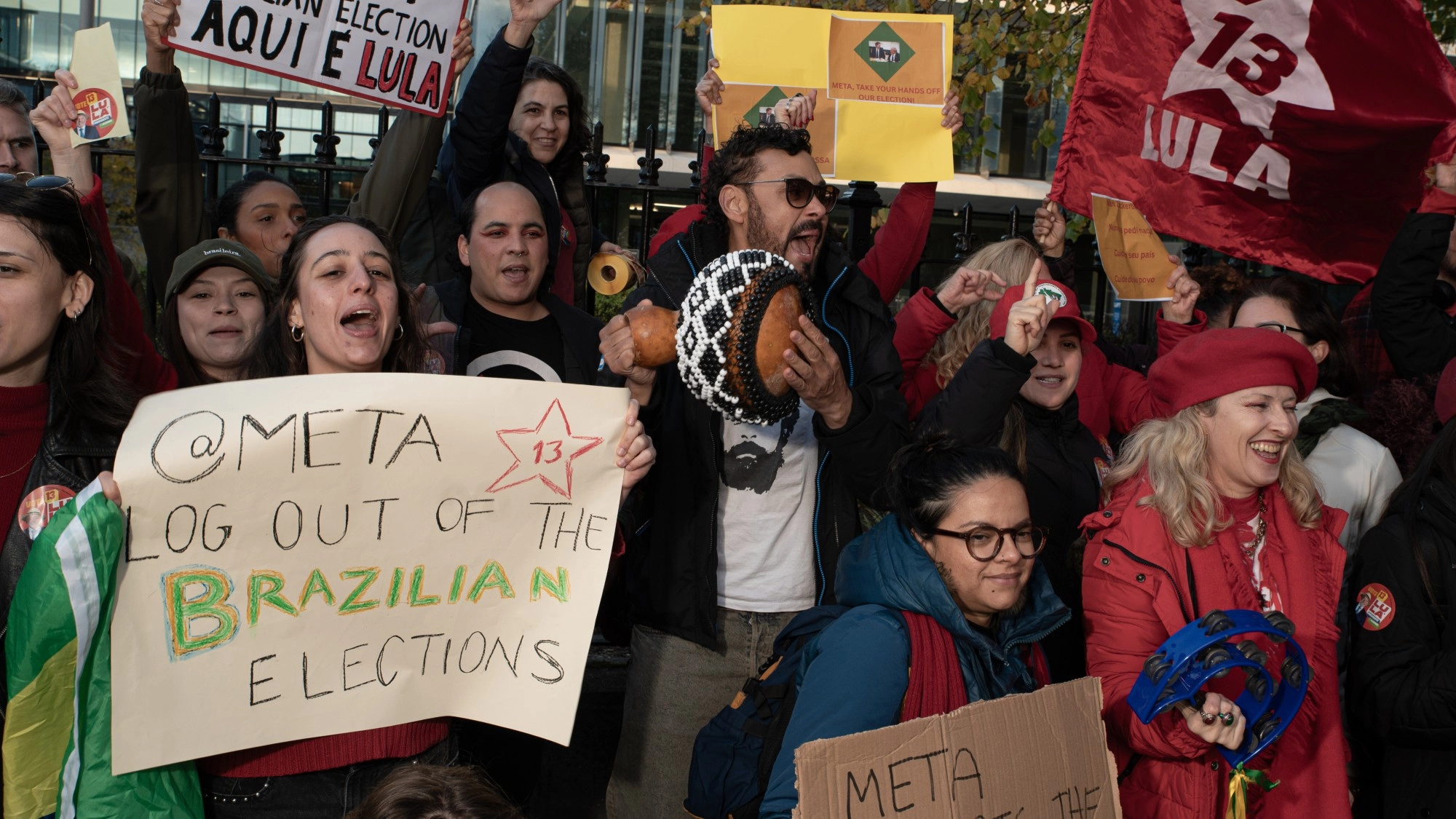
    Brazil’s social media malaise

    The two-candidate run-off in Brazil’s presidential election is looking extremely tight, and tempers are flaring over the outsized role social media is playing in the contest.

    Current president Luiz Inácio Lula da Silva has accused Meta of using “biased algorithms and AI restrictions” to favour his opponent Flávio Bolsonaro, the son of far-right former president Jair Bolsonaro, said The Associated Press. Flávio Bolsonaro, a Trump ally, won the first round of voting with 47%, compared with the leftist incumbent’s 45%. Meta denies wrongdoing but, ahead of Sunday’s run-off, “questions have festered over whether the digital arena has been a level playing field”, said Al Jazeera.

    How influential is social media in Brazil?
    Brazil has about 180 million social media users, according to Statista: more than three-quarters of the population. Brazilians tend to favour Meta’s Instagram to stay informed: in 2024, 70% of those surveyed by Aláfia Lab said it was their favourite platform when searching for information. Meta-owned WhatsApp is also a favourite, according to the Reuters Institute.

    Social media ads are now “eclipsing traditional advertising”, said Al Jazeera, there are warnings that “political hopefuls” are “at the mercy of Big Tech corporations and their biases”. Left-wing activists in Brazil still “lag significantly behind the far right when it comes to digital communication”, anthropologist Leticia Cesarino told the news site. The attention economy is “structurally beneficial” to the far-right’s “alarmistic, simplistic, affect-laden far-right discourse”.

    What are the allegations against Meta?
    Google and TikTok do not allow political advertising, which leaves Meta’s services as “the only large-scale channels for paid digital campaigning”, said The Guardian. Meta temporarily disabled ads on Lula’s official campaign Facebook page. He was also briefly unable to boost his Instagram posts, while Bolsonaro could. Lula’s lawyers have cited this as “evidence” that Meta was “actively trying to interfere” in Bolsonaro’s favour.

    What is Meta’s defence?
    “We apply the same rules to all candidates, parties and political viewpoints in Brazil,” said Meta. “We do not suppress content to harm one side or give preferential treatment to any side.” The company blamed “technical incidents” that, it said, had affected campaigns from “different parts of the political spectrum”.

    But Meta’s own semi-independent oversight board said it was “concerned by recurring enforcement failures in Meta’s election integrity efforts”, citing “over-enforcement of Meta’s fraud policies” against Lula.


    Poll watch

    Nearly half (49%) of Brits say fish and chips is the UK’s national dish. Just under a quarter (24%) of the 4,183 adults polled by YouGov went for a roast dinner – more than half said they eat one at least once a month – and 3% chose chicken tikka masala.


    Statistic of the day

    50,000: The estimated number of heat-related deaths in Europe this summer – far higher than the previous record of 29,000 in 2022. The UK, as well as Italy, France, Spain and Germany, suffered the greatest number of excess deaths, according to estimates by scientists at universities in London, Copenhagen, Venice and Bern.


    Talking Point

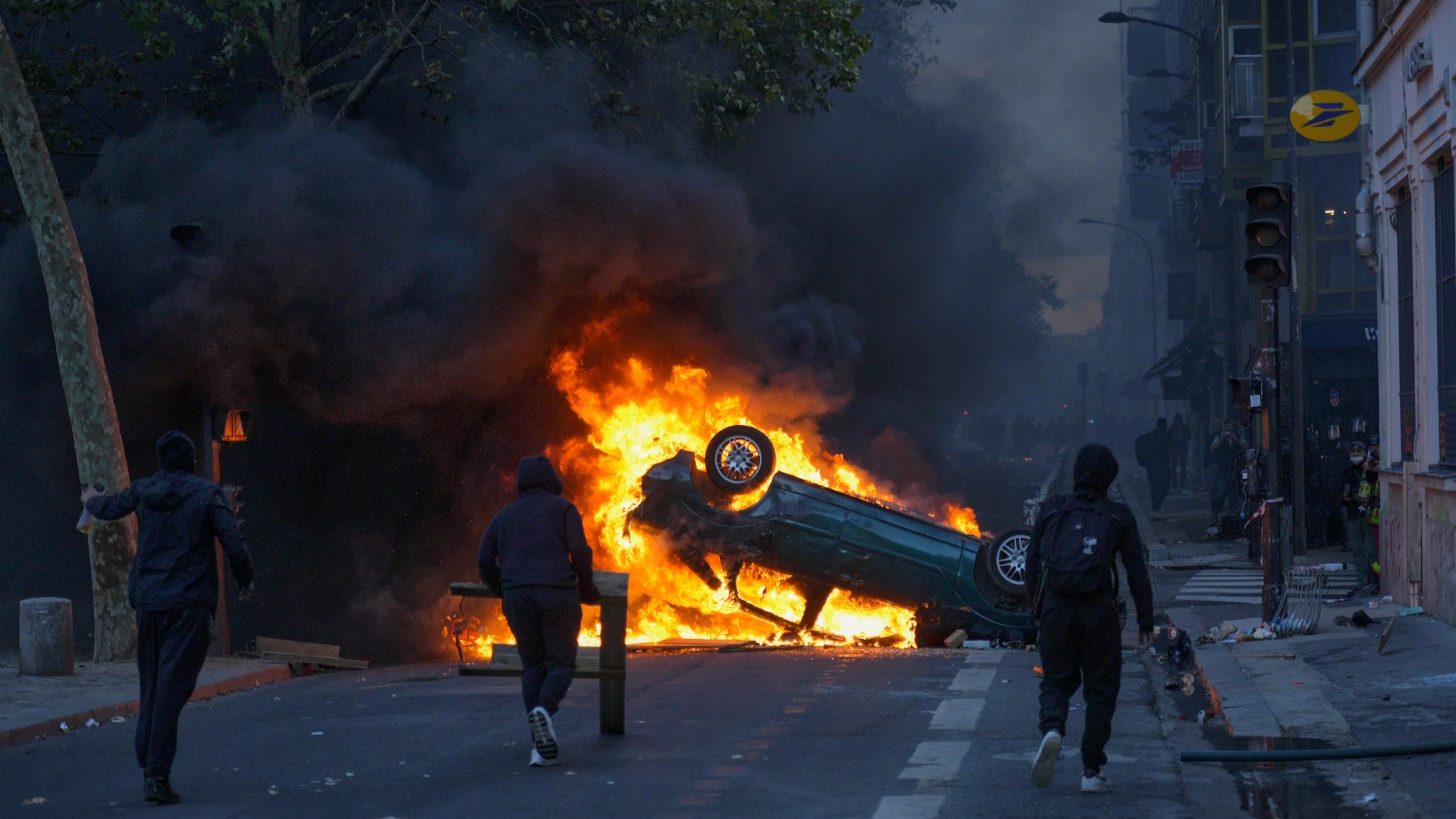
    ‘Black Bloc’ blamed for French riots

    Masked protesters clad in black have been a feature of protests around the world for decades. But the so-called “Black Bloc” is back in the news, accused by the French government of turning peaceful protests into violent riots.

    Orchestra without a conductor
    Originating among anarchist and radical left activists in West Germany in the 1980s, forming a Black Bloc is “an anti-establishment protest tactic” used by “temporary groups formed for a specific cause” and operating “without hierarchy”, said political-science professor Francis Dupuis-Déri on The Conversation in 2017.

    The tactic spread through activist networks in North America in the 1990s, culminating in the infamous “Battle of Seattle” during the 1999 World Trade Organization summit. It has since figured in the anti-austerity movements of the 2010s, and recent youth-led protests across Asia and South America.

    Ideologically identified with “anarchist, anti-capitalist and anti-fascist movements”, participants “eschew political parties”, said the Financial Times. They “pose a big problem” for the police and also for trade unions, who “do not want chaos to mar” their traditional anti-government demonstrations.

    These people “are very well co-ordinated but in a horizontal way,” said Guillaume Farde, a security and defence specialist at Sciences Po university in Paris. Tactics are disseminated via social media or encrypted messaging apps, and gatherings are often impromptu. They are like members of “an orchestra who know the music so well that they do not need a conductor”.

    Deploying propaganda
    The “founding fathers” of the Black Bloc were “autonomist and anarchist activists”, said Le Monde, but “the spectrum has broadened” to include more people who “define themselves as free spirits”. For this reason, the movement is difficult to pin down, and police sources cited by the French paper fear that, behind the scenes, “real ideologists are developing a doctrine and structure that unifies and deploys propaganda”.

    Others see this as an attempt by the authorities to make Black Bloc tactics into something they’re not. “Black bloc doesn’t mean anything”, Henri, a 40-year-old who does not define himself as an anarchist or an extreme leftist, told Le Monde. “Black is just because it’s not distinctive. It’s the best way not to be identified. We’re all in the same boat.”


    Good day 💉

    … for humanity, after a personalised treatment for skin-cancer patients reduced by almost half their risk of a melanoma returning within two years. The combination of a new, tailored mRNA vaccine with an established immunotherapy drug has been hailed as a game-changer for cancer treatment.


    Bad day🎃

    … for Halloween, after furious families walked out of a pop-up pumpkin attraction in Bury St Edmunds and demanded refunds. Online complaints described “rip-off fairground rides”, a dilapidated mini-golf course, smashed pumpkins, and a “monstrosity” of a K-pop lip-syncing performance.


    picture of the day

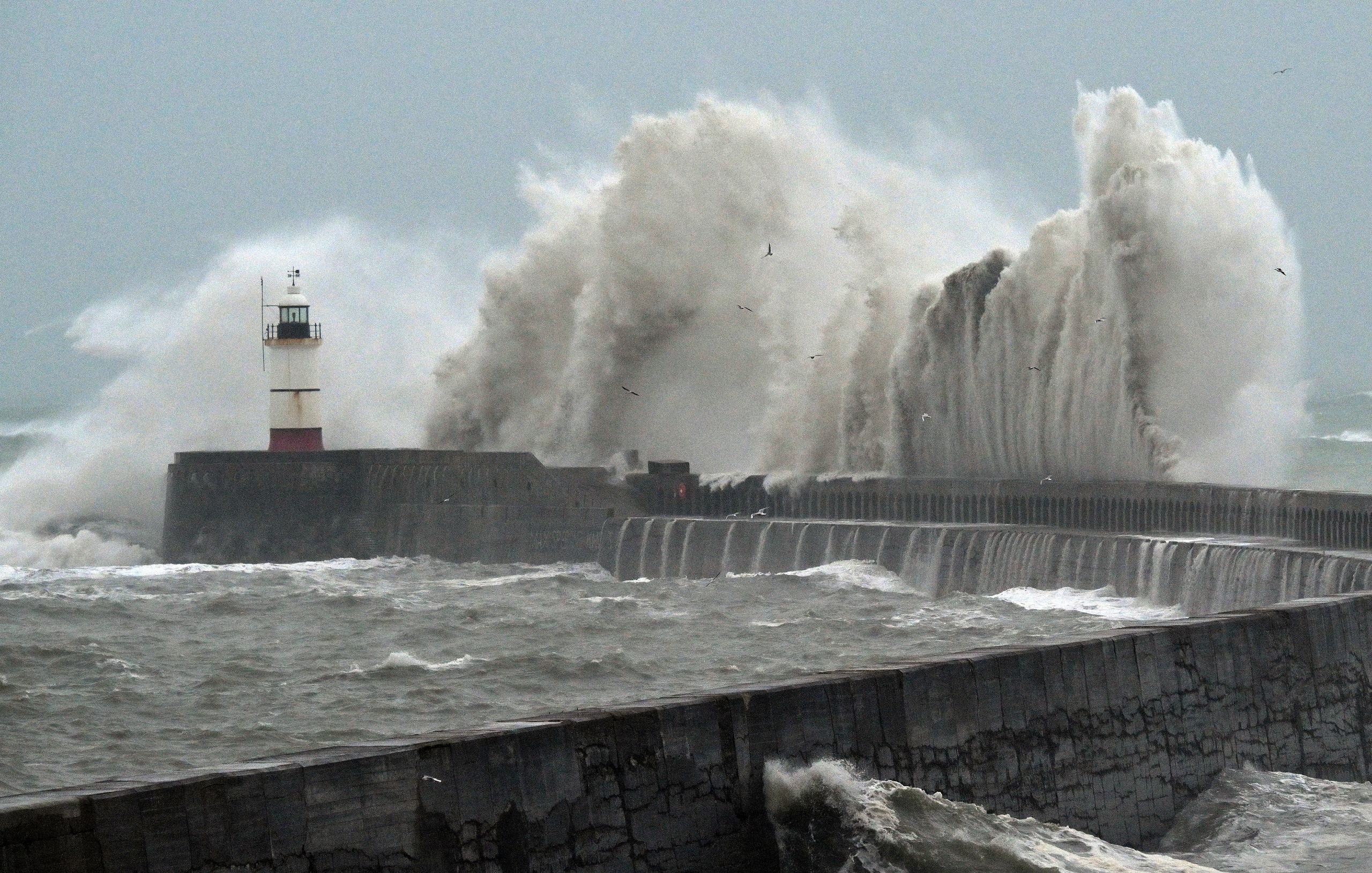
    Weathering the storm

    Waves crash over Newhaven Lighthouse in East Sussex, as Storm Austen hammers England’s south coast. The first named storm of the season has left thousands without power and caused part of Brighton’s West Pier to collapse. Yellow and amber wind warnings remain in place across the UK for much of the weekend.

    Glyn Kirk / AFP / Getty Images


    PUZZLES AND QUIZZES

    Quiz of The Week

    Have you been paying attention to The Week’s news? Try our weekly quiz, part of our puzzles section, which also includes sudoku and crosswords 

    Play here


    THE WEEK RECOMMENDS

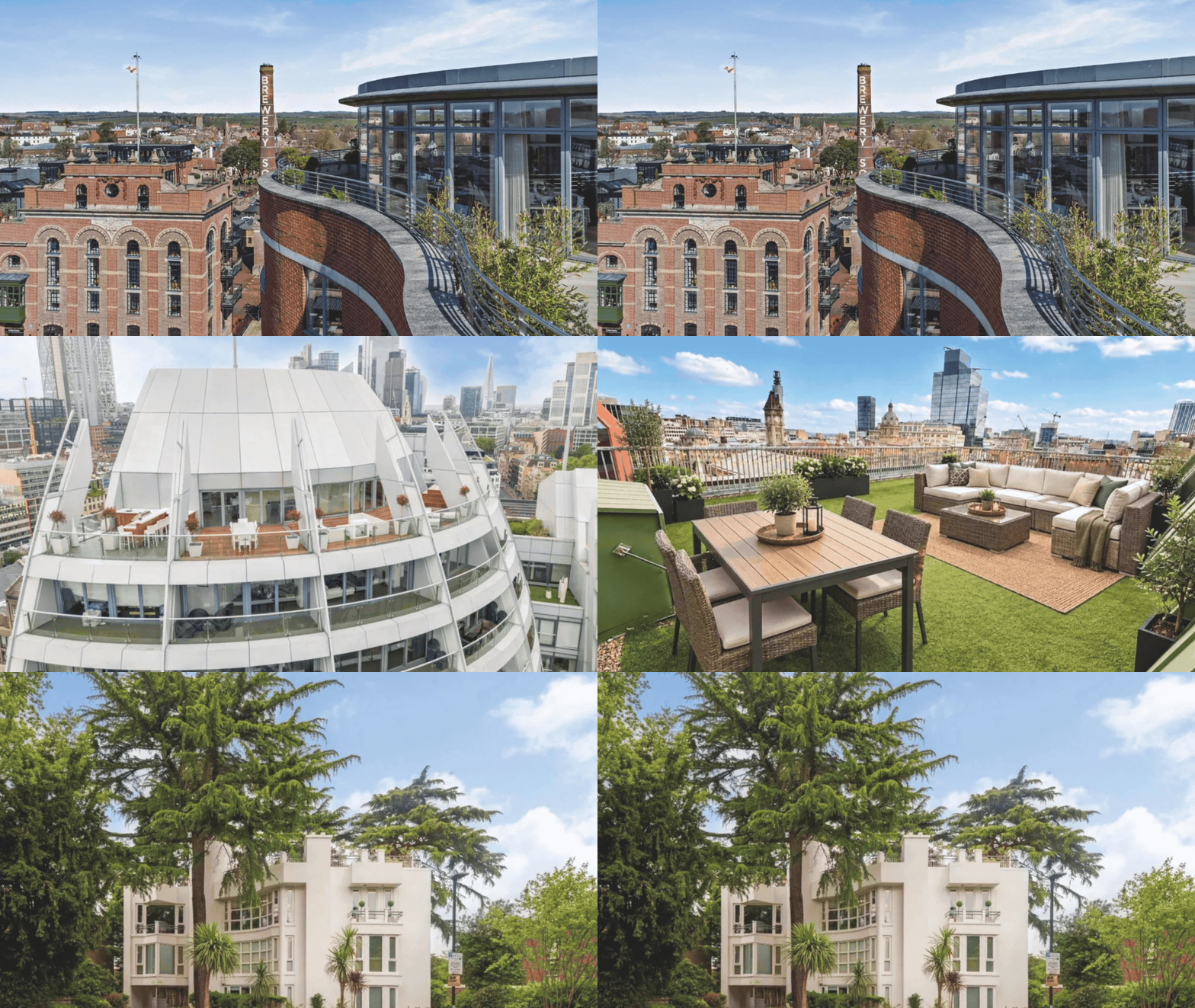
    Properties of the week: stylish penthouses

    London: Bezier Apartments, Aldgate EC1
    A truly impressive duplex penthouse located on the 14th and 15th floors, and with a spectacular terrace offering panoramic views over London. Next to Old Street station, the property is an easy walk to anywhere in the City. 3 suites, open-plan kitchen-living-dining room, lift, residents’ services including a 24-hour concierge, gym, sauna, steam room, parking. £2.95 million; Frank Harris.

    Birmingham: Paradise Street
    Elegant penthouse in the Queen’s College Chambers building with a roof-top garden boasting views across the city skyline. 3 suites, kitchen, recep, daytime concierge, underground parking. £699,950; Maguire Jackson.

    London: Clubhouse Apartments, Strawberry Hill, Twickenham TW1
    A delightful penthouse in an Art Deco-inspired building with a spectacular terrace. 2 beds, 2 baths, open-plan kitchen-living-dining room, communal garden, terrace, parking. £700,000; Property Partnership.

    Dorset: Apartment 51, The Cooperage, Dorchester
    Beautifully presented penthouse with a wraparound terrace, set within an architect-designed building in the heart of Dorchester. This award-winning development offers an array of amenities including an Odeon cinema, a fitness centre, a medical centre and a variety of restaurants. 3 suites, open-plan kitchen-living-dining room, lift, parking. £1.1 million; Strutt & Parker.

    See more


    QUOTE OF THE DAY

    “Hope is a very cheesy word, especially for us British people – we don’t do that deep stuff like that – but hope is something we all need.”

    Raye reflects on her album, “This Music May Contain Hope”, while accepting this year’s Mercury Prize in Newcastle last night. The judges praised the “imagination and scope” of the singer’s chart-topping record, spanning jazz and power ballads to the global funk hit, “Where Is My Husband!”


    instant opinion

    Today’s best commentary

    Men with no female friends? That’s a red flag
    Victoria Derbyshire in The i Paper
    The “manosphere” is a “gross distortion of how men and women should relate to each other”, writes TV presenter Victoria Derbyshire. Did the “guys perpetuating these messages” not have girls as friends “when they were growing up”? My sons did, and they know that women aren’t “solely attracted to wealthy, aggressive, muscle-bound men”, that we “like blokes who can talk about their feelings” and that, when we ask a male friend for a drink, that “doesn’t mean we want to sleep with them”.

    Can Russia broker a new US-Iran deal?
    Dmitri Trenin on Al Jazeera
    Moscow’s “mediation efforts” in nuclear talks between Washington and Tehran could be very effective, writes historian and former Russian army colonel Dmitri Trenin. Russia supports Iran’s “ambition to have domestic nuclear energy” but opposes Iranian “acquisition of nuclear weapons”. With Donald Trump now “applying pressure” on Ukraine, “helping the US” reach a deal with Iran “would be clearly in Russia’s interest”. “This may not be the dawn of a new world order but it could be a small step.”

    Don’t pity old men in their sheds
    Michael Henderson in The Telegraph
    In garden sheds “across the kingdom, men who will never see 60 again” are “busy making things that may be practical, or may serve no purpose at all”, writes Michael Henderson. People may mock us but “this tinkering, sawing, and general messing about” actually “does us good” and keeps us happy. You don’t need to “cross oceans or conquer the highest peaks to be an adventurer”; with a shed and a hobby, “you can create a world of the imagination without leaving home”.


    word of the day

    Pentulive

    Finnish for “Puppy Live”. A TV show featuring a 24-hour livestream of Hilkka the dog and her six newborn pups, as well as live chat sessions with the breeder, is pulling in millions of viewers. It’s the latest success in the Nordic trend of “slow TV”; others have included footage of moose migration and a seven-hour train journey.


     Evening Review was written and edited by Harriet Marsden, Jamie Timson, Rebecca Messina, Will Barker, Chas Newkey-Burden, Deeya Sonalkar, David Edwards, Erica Jones, Helen Brown and Kari Wilkin, with illustrations by Stephen P. Kelly

    Image credits, from top: Illustration by Stephen P. Kelly / Shutterstock / Getty Images; Natalia Campos / Getty Images; Remon Haazen / Getty Images; Glyn Kirk / AFP / Getty Images; Strutt and Parker / Frank Harris / Maguire Jackson / Property Partnership
     

    Recent editions

    • Morning Report

      Government tells Britons to stockpile food and water

    • Evening Review

      The furore over the ‘Palestine poppy’

    • Morning Report

      Russian attack hits Kyiv amid renewed peace push

    VIEW ALL
    TheWeek
    • About Us
    • Contact Future's experts
    • Terms and Conditions
    • Privacy Policy
    • Cookie Policy
    • Advertise With Us
    • FAQ
    Add as a preferred source on Google Add as a preferred source on Google

    The Week UK is part of Future plc, an international media group and leading digital publisher. Visit our corporate site.

    © Future Publishing Limited Quay House, The Ambury, Bath BA1 1UA. All rights reserved. England and Wales company registration number 2008885.