The Week UK
flag of US
US
flag of UK
UK
https://cdn.mos.cms.futurecdn.net/flexiimages/jzblygzdxr1769609154.gif

SUBSCRIBE

Start your trial today

Sign in
  • View Profile
  • Sign out
  • The Explainer
  • Talking Points
  • The Week Recommends
  • Podcasts
  • Newsletters
  • From the Magazine
  • The Week Junior
  • More
    • Politics
    • World News
    • Business
    • Health
    • Science
    • Food & Drink
    • Travel
    • Culture
    • History
    • Personal Finance
    • Puzzles
    • Photos
    • The Blend
    • All Categories
  • Newsletter sign up Newsletter
  • Saturday Wrap, from The Week
    ANC decline, Cop31 commitments, and next steps for the Democrats

     
    controversy of the week

    South Africa: Mandela’s party drifts towards irrelevance

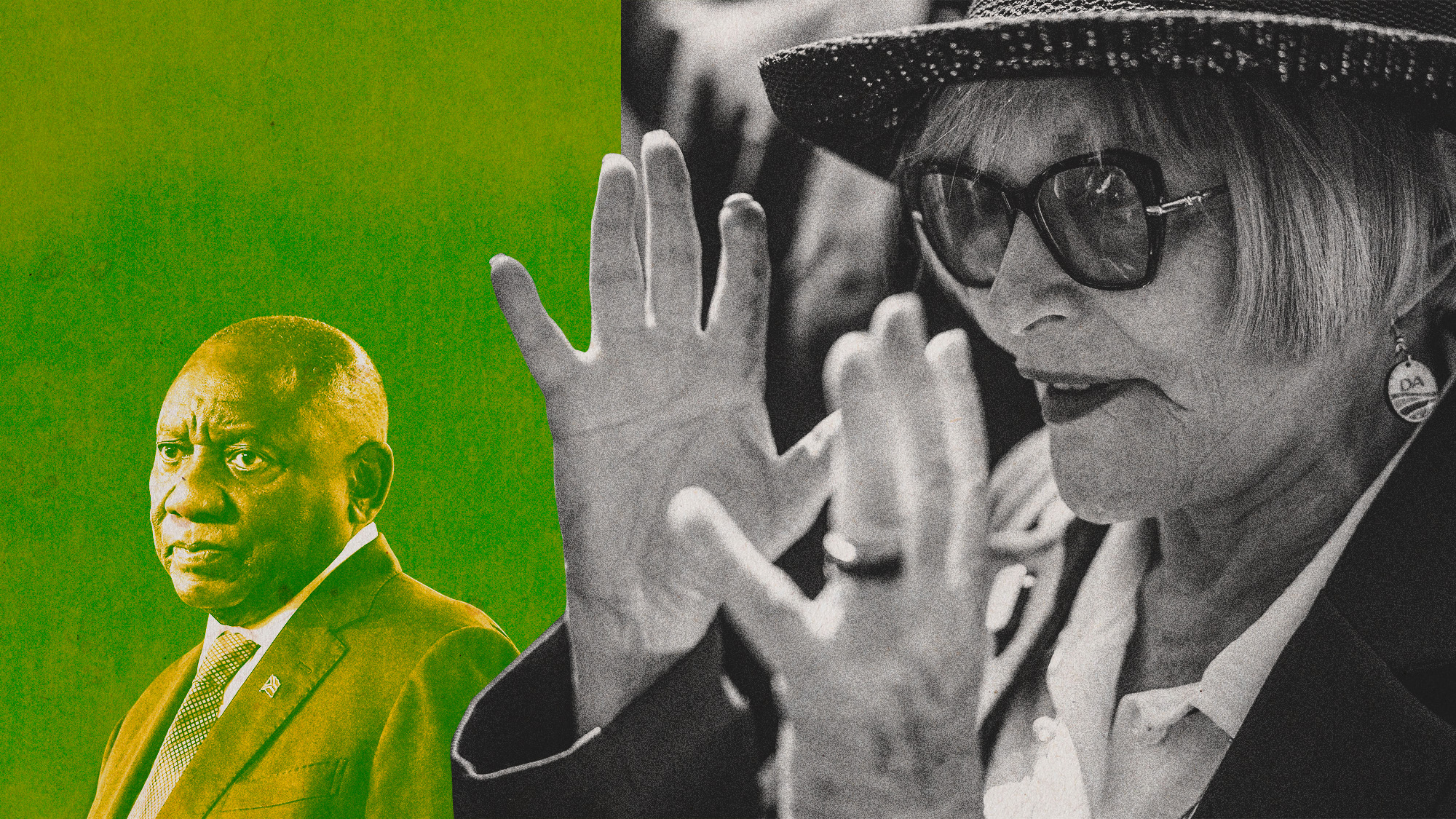
    “The ANC’s reckoning has come – and it is devastating,” said Pieter Du Toit on News24 (Cape Town). For years, the “erstwhile party of liberation” has been on an electoral downslide, alienating a growing number of voters through a toxic cocktail of government mismanagement, corruption and complacency. 

    In 2021, the African National Congress received 46% of the national vote share, a record low for a party that elected the first Black president in Nelson Mandela. In last week’s municipal elections that dwindling support collapsed. The ANC, today led by President Cyril Ramaphosa, was hammered in six of the country’s eight biggest cities, including Johannesburg and Pretoria. It is still the biggest party in South Africa, but with its lowest share of the national vote – 31% – since the end of white rule in 1994. 

    Even in its strongholds – Khayelitsha and Mamelodi, for instance, areas “where the party’s operatives and leaders lived and died fighting apartheid” – its vote more than halved. The ANC’s “aura of invincibility and inevitability has been shattered”. 

    The party’s slide to irrelevance “looks inexorable”, said David Pilling in the Financial Times. Disaffected voters have either been staying at home, or casting votes for smaller parties, including the Zulu-nationalist MK Party, led by the ANC defector and disgraced former president Jacob Zuma. 

    In Johannesburg, defeat was all the more bitter because of the identity of the victor. “The ANC was thrashed by an outspoken 75-year-old white woman, Helen Zille”: her Democratic Alliance (DA) party polled nearly 35%; the ANC, just 20%. Zille “has spent her political career attacking the liberation party” from her base in Cape Town, a city “whose decline she has compared to that of ancient Rome”. 

    She has a point, said Mondli Makhanya in the Daily Maverick (Cape Town). For too long, the ANC has relied on nostalgia – tugging at voters’ heartstrings about its “triumph over apartheid”, all the while ignoring the grim reality of life in South Africa today. “This election is the first truly issues-based election and, unfortunately for South Africa’s biggest party, it has been found wanting.” 

    The biggest source of anger among voters is “what is euphemistically called ‘service delivery failure’”. In other words: sewage running down the streets; street lights that ceased working years ago, creating a haven for criminality; refuse not collected, and being dumped in the open; even “a resort to glorified bucket toilets”. Four decades into our democracy, the indignities that apartheid inflicted upon poor Black people are part of everyday life again. 

    And yet, during the campaign, ANC officials reacted to these valid concerns with sheer “contempt”, said Chris Vick in the same paper. In August, Johannesburg’s mayor, Dada Morero, called a resident old, and told him, “o bua masepa [you are talking shit]”. In September, the sanitation minister, Pemmy Majodina, shouted, “jou ma se poes [your mother’s pussy]” at a disabled resident who confronted her. The party clearly has “a mountain to climb if it wants to remain a significant societal and political force” – let alone regain majority status. 

    Voters are finally putting “competence before race”, said William Gumede in the Mail & Guardian (Johannesburg). For a country that has pretty much voted along ethnic lines ever since Mandela was elected, it’s a huge “psychological break” to make. 

    Since 1994, the ANC has enjoyed the support of roughly 80% of the South African population that is Black, said The Economist. The DA, meanwhile, has been labelled, fairly or unfairly, the “white party”. But South Africa is changing. Its middle class is increasingly diverse: as many Black households make at least 75,000 rand (about £3,400) a month as do white households. Polls show that people no longer mind the race of their neighbour, their sons- or daughters-in-law, or the president. Now “politics is beginning to catch up with society”.


    Briefing of the week

    Cop31: a bleak outlook?

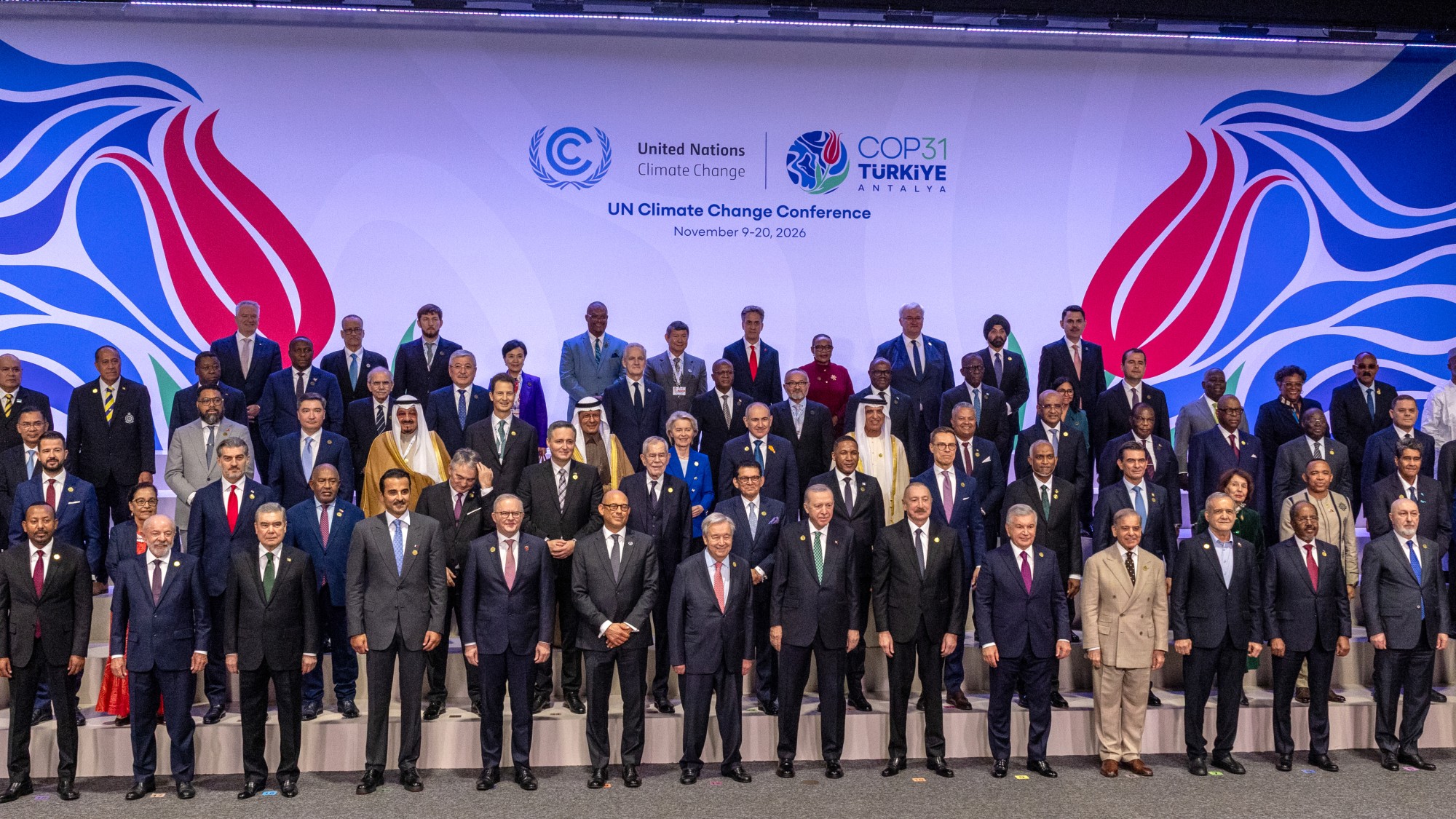
    The annual two-week UN climate conference got under way in Antalya, Turkey, on Monday. Progress is likely to be difficult

    Remind me, how do the Cops work? 
    Cop stands for Conference of the Parties: the countries that are parties to the UN Framework Convention on Climate Change. In theory, that means every nation on Earth is involved – though not all send delegations. Afghanistan and Myanmar, for instance, didn’t attend Cop30 in Belém, Brazil, last year; and nor did the US, which was pulled out of the landmark Paris Agreement of 2015 (made at Cop21) by President Trump.

    In the Paris Agreement, all nations committed to keeping global warming “well below 2C above pre-industrial levels”, with “efforts to limit them to 1.5C”, which the UN Intergovernmental Panel on Climate Change found would “significantly reduce the risks”.

    Subsequent meetings have been focused primarily on making national pledges on reducing emissions to meet these targets, refining rules and assessing progress. The main Cop agreements have to be agreed by consensus: unanimously. 

    How is the fight against global warming going? 
    Not well. Global average surface temperatures for January to September 2026 were already around 1.47C above the pre-industrial average, according to the World Meteorological Organization. The chance of holding global warming to 1.5C is “now gone”, the Emissions Gap Report 2026 from the UN Environment Programme (Unep) concludes.

    The question now is how far we “overshoot”, and how damaging that will be. Greenhouse gas emissions are still increasing. In 2025, Unep estimated that 58.4 billion tonnes of greenhouse gases were emitted – possibly a record, though not much higher than in 2024. 

    Is it all doom and gloom? 
    No: much progress has been made. Global emissions have levelled off while the world population and the demand for energy are still growing. In the 10 years before the Paris Agreement, emissions rose by 18%. In the 10 years after, they rose by 1.2%. A decade ago, the world was heading for around 4C of heating by 2100 (instead of 2.5–3C).

    “This shift reflects an extraordinary surge in clean energy deployment, stronger policy frameworks and the mainstreaming of net zero as a common global goal to tackle climate change,” according to the Energy & Climate Intelligence Unit. EU emissions have dropped by 17% since Paris, and the UK’s by 25%. China’s fast-growing renewable capacity now outstrips coal. Solar energy is booming across the developing world. 

    Why is the process in difficulties? 
    Cop30 in Brazil was seen as a failure, because the final agreement omitted even to mention fossil fuels. A coalition of around 80 countries (including the UK and the EU) had pushed hard for a commitment to plan a “transition away” from fossil fuels. But a similar-sized bloc, including major oil-producing nations led by Saudi Arabia and Russia, alongside nations such as India, strongly opposed this, citing the need to protect their economic development.

    Wealthy nations officially agreed to (at least) triple finance to allow poorer nations to adapt to climate change, but this was heavily undermined by a series of omissions and loopholes. The absence of the US, the second-largest emitter – on the grounds that the Paris Agreement imposed an “unfair economic burden” – also undermined credibility. 

    How are the prospects for Cop31? 
    It is facing heavy headwinds. The cost of living, and of fossil fuels, are at the top of most nations’ list of concerns; the climate and foreign aid are much further down. Wars in Iran and Ukraine have increased geopolitical tensions. The negotiating process looks likely to be even more complex than usual, since the presidency will be shared between the host, Turkey, and Australia. Both have poor environmental records. Australia is one of the world’s top coal exporters, and has recently approved dozens of new fossil fuel projects, including major coal mine expansions. It is also thought likely to miss its binding 2030 emissions-reduction goals. Turkey, for its part, is a major coal burner: about a third of its electricity is coal-derived, and emissions are rising fast. 

    What’s on the agenda in Antalya? 
    Australia will take charge of formal negotiations. These will focus on converting past promises on emissions into verifiable national policies; around 50 nations are lagging. The other major sticking point is the delivery of climate finance to developing nations, to help them adapt. Such nations want a large increase on the current minimum promise of $300 billion per year by 2035; developed nations, under great fiscal pressure, are unlikely to agree.

    Turkey will lead the “Action Agenda”, the Cop’s non-negotiated “track”, where real-world solutions are discussed. A major theme will be electrification. The target is “35 by 35”: the hosts want nations to commit to derive 35% of final energy use from electricity by 2035, up from a global average of 23% (by electrifying cars, heating and factories, for instance). Electricity is much more efficient than fossil fuels: this will reduce emissions considerably, however the electricity is generated. 

    Are the Cops fit for purpose? 
    Arguably, these mega-meetings are no longer doing their job. Perhaps 90,000 people will attend Cop31, and critics argue that, now that it covers a plethora of environmental issues, from plastics to biodiversity, it has lost its focus. “The result is intense horse trading, diluted outcomes and a negotiation agenda that no team of diplomats, however skilled, can realistically handle,” says the former UN climate adviser David Carlin. “When everything is a priority, nothing is.”

    The process is clearly failing in its central purpose of reducing global warming, said Johan Rockström of the Potsdam Institute for Climate Impact Research. On the other hand, it “is all we have”: climate change can only be addressed if all nations move together to reduce emissions heavily.

    How hot will it get? 
    According to Unep’s latest Emissions Gap Report, under the most optimistic scenario, humanity would limit peak global warming to 1.8C by around the middle of the century, then bring it back down to or below 1.5C. This would require aggressive emissions cuts plus carbon dioxide removal, with total global reductions of 18% by 2030, 45% by 2035 and 69% by 2040. Under targets that governments have currently committed to, warming would reach 2.8C by the end of the century, which is widely considered disastrous. 

    The UN Intergovernmental Panel on Climate Change has estimated that 1.5C of warming would result in 14% of the world’s population being exposed to severe heatwaves at least once every five years; global mean sea levels rising by 0.26–0.77 metres by 2100; and 70%–90% of all coral reefs dying off owing to bleaching. Two degrees of warming would see 37% of the population exposed to severe heatwaves every five years; severe crop failures across major agricultural breadbaskets; and over 99% of coral reefs dying off. Three degrees would produce regular, prolonged heatwaves pushing vulnerable regions past human tolerance; the melting of ice sheets, creating multi-metre sea-level rises; and the collapse of much agriculture in the tropics.



    Poll watch

    Seventeen per cent of Britons aged 18 to 34 have considered filming and uploading porn to sites such as OnlyFans in the past year, according to the Centre for Social Justice.


    VIEWPOINT

    A British world-beater

    “On 19 November, ‘Grand Theft Auto VI’ will be released. I don’t expect it is a date many readers have etched in their calendars, which is a pity, because ‘GTA’ is the greatest British cultural achievement of the 21st century. In 2013, its predecessor ‘GTA V’ made $1 billion (£624 million) in three days. The entire British fishing industry landed £718 million of fish that year. Creatively, too, these games have no equal: they are a fully realised satire of America, and a feat of world-building on a par with Narnia or ‘Lord of the Rings’. Even so, nearly 30 years after the first game, political and cultural elites still hold their noses when it comes to computer games.” 

    Ed Cumming in The Telegraph


    talking point

    After the euphoria: what now for the Democrats?

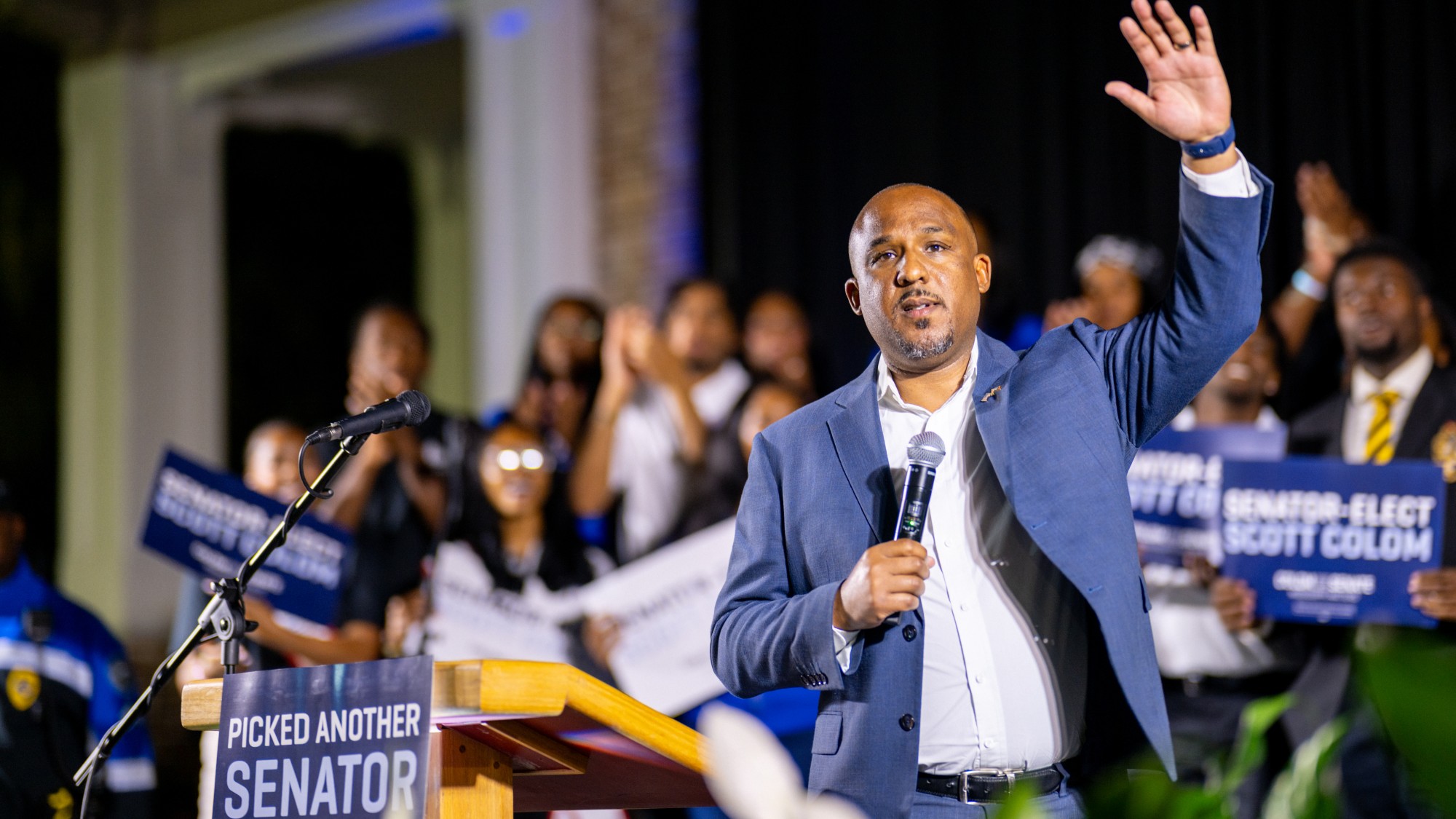
    The Democrats are “euphoric” in the wake of last week’s midterm elections, said Victoria Guida on Politico, but the truth is that the results “delivered a warning” to them as well as the Republicans. “People are angry about the cost of living, and they want their representatives to actually do something about it.” 

    Having captured both the House and Senate, Democrats now need to show dissatisfied voters that they can respond. “Excuses will only go so far in 2028 if the electorate is still mad.” The party must decide its “game plan” for two years of divided government. Is it worth drawing up partisan legislation and sending it to the president’s desk, only to see it vetoed? Or would voters respond better if the party worked with Donald Trump to pass more modest, compromise measures? And can Democrats “even agree enough” among themselves “to advance legislation”? 

    They must be bold, said Michael Tomasky in The New Republic. Last week’s elections demolished the conventional wisdom that the party can only prosper by running cautious, corporate-friendly centrists. Both James Talarico in Texas and Abdul El-Sayed in Michigan ran as “aggressive economic populists”. One of Talarico’s campaign riffs was that “the only minority destroying America is the billionaires”. Democrats who speak like that aren’t supposed to win Senate seats. 

    Yet both did, despite their opponents spending some $200 million on efforts to vilify them. The party should capitalise on its momentum, said Aaron Regunberg in the same publication. It has a wide array of popular economic policies at its disposal: anti-price-gouging laws to bring down the cost of energy and food; excess-profits tax on Big Oil; paid sick leave; a congressional stock-trading ban. “What is the downside to daring Trump to veto bills like these that are supported by 70%-80% of Americans?”

    Voters backed Democrat candidates in order to rebuke Trump, said The Washington Post, but it’s clear from many ballot measures last week that they “aren’t sold on left-wing economic policy prescriptions”. Voters in North Carolina, for instance, elected a Democratic senator, but also approved measures to cap income tax. The same thing happened in Iowa. Wisconsin elected a Democratic governor, but voted to ban affirmative action in state institutions. 

    The midterms weren’t an endorsement of the Democrats, said The Wall Street Journal. The party won just 29% approval in the latest NBC poll, to the Republicans’ 38%. Investigations into the murky finances of the Trump administration would be welcome, as would closer policy scrutiny in general, but Democrats must beware of overreaching. If they lurch to the left and waste time on, say, another doomed impeachment drive, it “could lead voters to conclude in 2028 that the post-Trump Republican Party doesn’t look so bad after all”. 

    The Democrats could learn from Zohran Mamdani, said Jonathan Chait in The Atlantic. Many feared the worst when the avowed socialist became New York mayor last year, but it hasn’t led to a Marxist takeover. Mamdani retained Jessica Tisch, a pro-Israel billionaire hated by the hard-left, as police commissioner, and cut the red tape that slows private home building. He has dropped some progressive ambitions, such as free buses, and put others, like universal daycare, on a more gradual track. While still a fierce critic of Israel, he has unveiled an initiative to combat antisemitism. 

    Yes, he has stuck with the “goofy notion” of state-run grocery stores, but this supposed socialist firebrand has largely prioritised “humdrum municipal governance”. Democrats have long sought a pragmatic leader who can inspire the left while “ignoring the incessant demands of progressive activists”. They might want to look to New York.


    It wasn’t all bad

    The ferry known as the “vomit comet” was given a ceremonial send-off this week, as it made its last sailing from the Scilly Islands to Penzance. Passengers on the Scillionian III have not always relished the trip, owing to the boat’s tendency to rock queasily in rougher seas. But having kept the islands connected to the mainland for nearly 50 years, the Scillionian had become a much-loved fixture. On Sunday, a flotilla of vessels accompanied it out of St Mary’s Harbour for the last time; and at Penzance hundreds of people lined the quay to greet it.


    People

    John Goodman

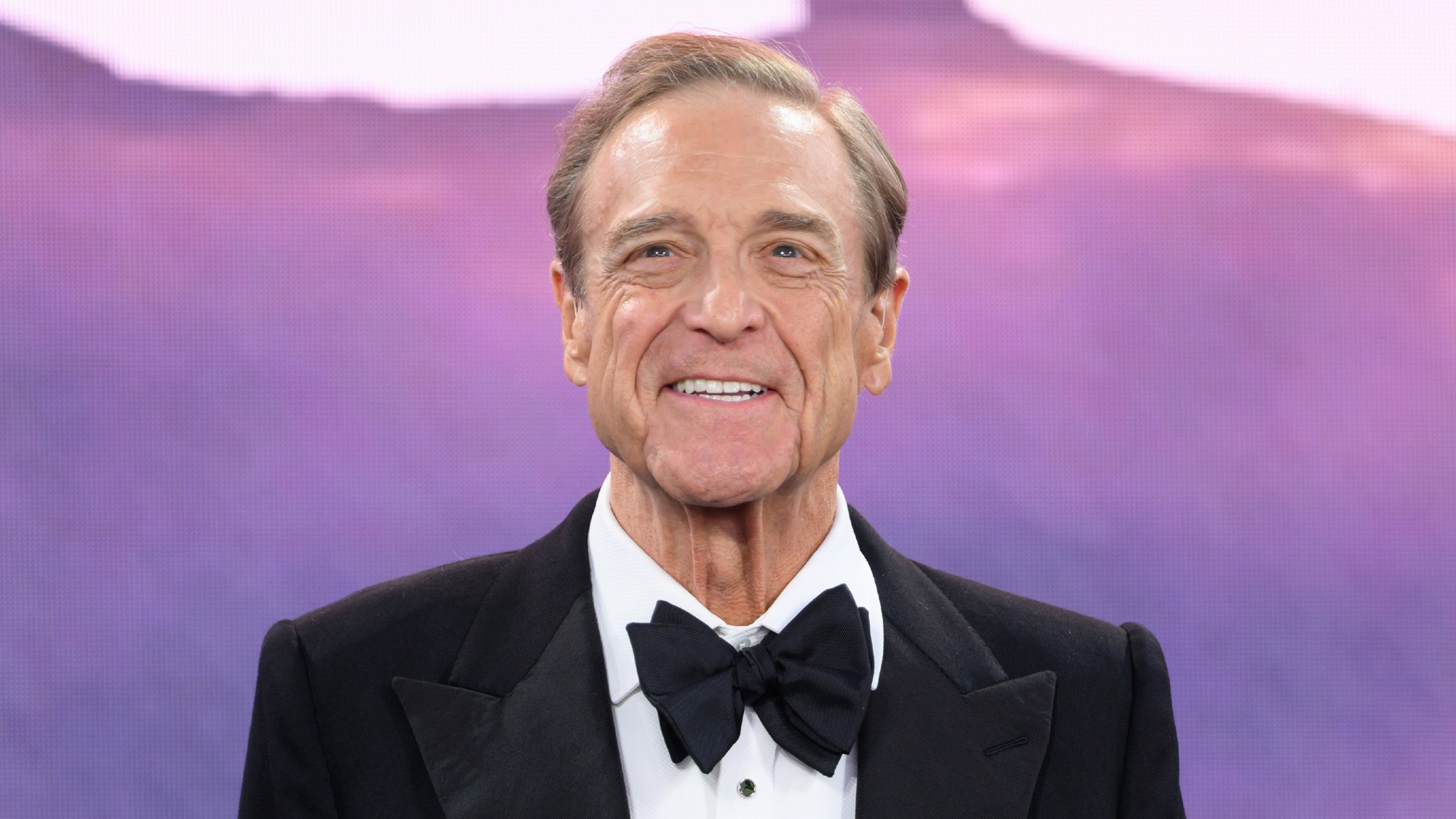
    John Goodman has never felt comfortable in his skin, says Melissa Denes in The Sunday Times. Raised by his mother in suburban St Louis – his father having died – he was, he says, a “latchkey kid”, and when he got home from school, he’d just start eating. “I’ve had troubles with my weight since I was little and the shame is just unbearable – so you eat more.” 

    He fell in love with acting at college, and in 1975 he moved to New York to pursue a career in it. He was out of work for a while, but even when he started getting jobs, he struggled with anxiety – and started drinking heavily. He went in search of “a community of like-minded drunks”, and landed up at Cafe Central, where Bruce Willis was a bartender. 

    He became a star in 1988, when he was cast in the hit sitcom “Roseanne”. But his demons didn’t go away and his weight kept fluctuating: he’d lose four stone over a summer, he recalls, then put it all back on. He sobered up aged 55, in 2007, but he kept “eating alcoholically”. At his heaviest, he was 28 stone. Finally, he resorted to stomach surgery, and now, he is half that weight. 

    It has not been entirely easy: he often feels cold, and he hardly recognises himself in the mirror. But he does understand what drove his addictions. There was a void he was always trying to fill. “It’s a personality of always wanting more than what’s right in front of you, grasping without realising.”


    Image credits, from top: Julia Wytrazek / Getty Images; Burak Kara / Getty Images; Brandon Bell / Getty Images; Karwai Tang / WireImage / Getty Images
     

    Recent editions

    • Evening Review

      Life after Huang: what next for Nvidia?

    • Morning Report

      Besieged Nvidia boss Huang resigns

    • Evening Review

      Burnham’s choice: cost of living or climate?

    VIEW ALL
    TheWeek
    • About Us
    • Contact Future's experts
    • Terms and Conditions
    • Privacy Policy
    • Cookie Policy
    • Advertise With Us
    • FAQ
    Add as a preferred source on Google Add as a preferred source on Google

    The Week UK is part of Future plc, an international media group and leading digital publisher. Visit our corporate site.

    © Future Publishing Limited Quay House, The Ambury, Bath BA1 1UA. All rights reserved. England and Wales company registration number 2008885.