The Week The Week
flag of US
US
flag of UK
UK
https://cdn.mos.cms.futurecdn.net/flexiimages/jzblygzdxr1769609154.gif

SUBSCRIBE

Try 6 weeks free

Sign in
  • View Profile
  • Sign out
  • The Explainer
  • Talking Points
  • The Week Recommends
  • Podcasts
  • Newsletters
  • From the Magazine
  • The Week Junior
  • More
    • Politics
    • World News
    • Business
    • Health
    • Science
    • Food & Drink
    • Travel
    • Culture
    • History
    • Personal Finance
    • Puzzles
    • Photos
    • The Blend
    • All Categories
  • Newsletter sign up Newsletter
  • The Week Evening Review
    The ‘super intelligence’ label, the incoming Kelvin wave, and the Falklands dispute

     
    talking points

    All in a name: ‘artificial’ or ‘super’ intelligence?

    The age of artificial intelligence has ended. Now dawns the age of “super intelligence.” So says President Donald Trump, who this week signed an executive order mandating that the federal government abandon the term “artificial intelligence” for a more maximal adjective. But not everyone supports the shifting labels. As digital intellect continues to develop at breakneck speed, why does what we call it matter?

    Capabilities ‘far exceed’ outdated name
    The terminology change is Trump’s “latest rebranding move,” said the BBC. It follows the White House’s effort to rename the Gulf of Mexico and Lake Ontario in Trump’s second term. The “use of the word ‘artificial’ makes intelligence fake,” said Trump in his address to the United Nations last month. “It’s not fake. It’s actually amazing.”

    The capacities of what we call AI “far exceed what was envisioned” when the term “first came into use,” said the White House in Trump’s executive order explaining the change. For those in the AI industry, the term “super intelligence” means “something slightly different” than casual usage implies, said USA Today. In that context, it describes digital intelligence as “smarter and more capable than humans across every imaginable skillset.”

    Accordingly, this word change might “suit the major U.S. AI players” eager to “play up their advanced models,” said DW. Developers have “every interest in calling it super, hyper, superior and whatnot intelligence,” said Pedro Domingos, a computer science professor at the University of Washington, to the outlet. But this is ultimately “just marketing.”

    ‘Forced rebrand’
    It’s doubtful that using super intelligence as a general term publicly will “stick,” said Simon Coghlan, a digital ethics lecturer at the University of Melbourne, to the BBC. The term “exaggerates the current capacities of AI.” Super intelligence as a descriptor “refers to future AI systems,” said Defense One, and “contrasts” with the “weaker forms of AI that exist today.”

    Trump is nevertheless “attempting a forced rebrand for an industry he has tightly embraced,” said CNBC. Meanwhile, the public grows “increasingly wary about the rapidly advancing tech.”


    QUOTE OF THE DAY

    ‘They care more about themselves and their billionaire buddies than the people they represent.’

    Senate candidate Angie Nixon (D-Fla.) on X about JD Vance and her opponent, Sen. Ashley Moody, in response to the vice president saying Nixon doesn’t “belong in America.” “JD Vance, his eyeliner and absent Ashley Moody are used to running away from people when things get tough,” she said.


    IN THE SPOTLIGHT

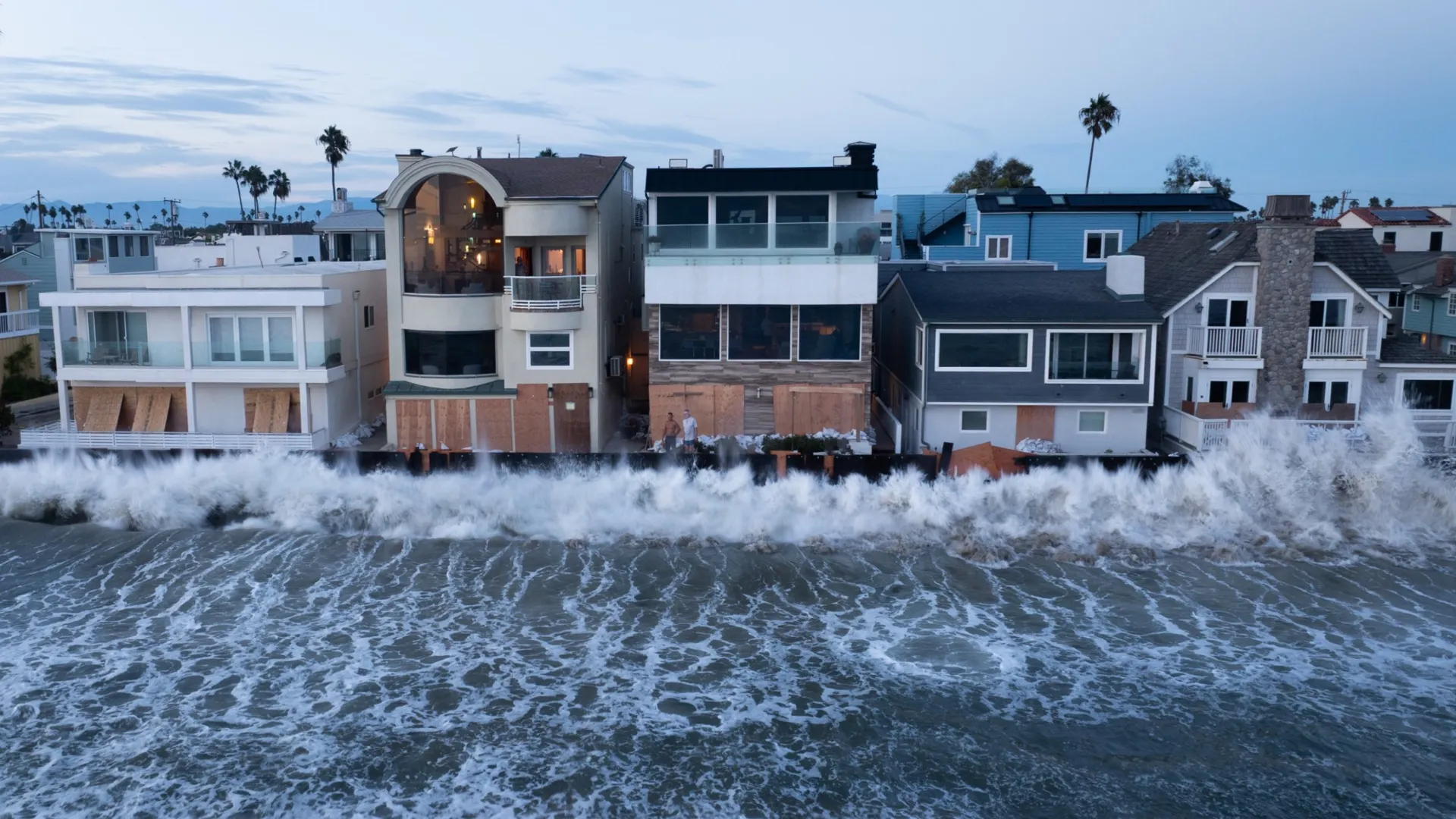
    California’s coast braces for Kelvin wave chaos

    Many people are familiar with El Niño’s warming surface temperatures across the Pacific Ocean. Less known is a separate but related oceanographic feature quickly positioning itself as one of, if not the, major disruptive weather events of the season. Dubbed a Kelvin wave, researchers warn this large surge of warm ocean water could lead to intense meteorological destruction during a winter storm season already heightened by a particularly active El Niño.

    ‘Not like crashing waves at the beach’
    Unlike “typical” waves visible across the “surface of the water,” Kelvin waves occur when “bursts of westerly winds push warm water eastward,” said LiveNow from Fox. The eastern push then generates Kelvin waves that “travel beneath the water’s surface along the equator.”

    Kelvin waves manifest when ocean trade winds that “usually” move from South America toward Asia “die down or reverse" in El Niño years, said The Guardian, setting off a “massive slow-moving slosh of water.” But Kelvin waves are “not like crashing waves at the beach.”

    These waves are “planetary in scale, spanning thousands of miles,” and carry an “untold amount of warm water that slowly moves from the western Pacific, along the equator, toward South, Central and North America,” said The Guardian. Unlike normal shoreline waves, Kelvin waves are a “propagating disturbance” that moves energy through the ocean, “shifting heat, pressure and sea level” along the way, said the Desert Sun.

    Lasting impact
    This year’s wave has “added nearly a foot to tides in Southern California,” said The Atlantic. It has also created conditions that “tend to drum up storm activity in the Pacific.”

    Potential Kelvin wave damage “depends on the force of the swells and how high tides are,” said The Orange County Register. If the wave is “indeed arriving now” at California’s shoreline, it will dovetail with “6-foot tides” and hurricane conditions “already churning up the ocean’s force.” Though the exact timing of the wave’s impact on coastal California remains uncertain, said The Guardian, researchers predict the wave’s effects will “linger through the winter and into early next year.”


    Statistic of the day

    11 million: The number of people that artificial intelligence could force into new careers by 2035 — about 6.5% of the current workforce, according to a McKinsey report. And about 36 million jobs could be rendered obsolete by AI in the next nine years. 


    THE EXPLAINER

    Argentina’s economic pressure on the Falklands

    Argentina is subjecting the Falkland Islands to “economic warfare,” said Andrea Clausen, the chief executive of the British overseas territory. As Argentina ramps up its claim of sovereignty over the remote South Atlantic archipelago, restrictions are making life more difficult for Falkland residents, she said to the Financial Times. And at the center of the power struggle with Britain is the territory’s first oil project called Sea Lion, a joint U.K.-Israeli venture.

    What’s life like on the islands?
    The Falklands are home to about 3,500 people, most of whom live in the capital, Stanley. The remainder are spread across the sprawling archipelago, which is roughly half the size of Wales. People are “always amazed by the scale when they visit,” said one resident to Metro. Leaving the islands “isn’t simple or cheap,” said the outlet. There are two 18-hour direct flights a week to the U.K. on a military plane and one commercial flight a week to Chile.

    Because of the limited connections, imported goods can cost more than double their price in the U.K. With only one shipping link to Uruguay, there are sometimes shortages of cheese and other food staples. Most international suppliers “refuse to serve Falklands’ businesses” out of fear of angering Argentina, said the Financial Times. Officials are planning a second shipping link to Chile, scheduled to open between November and December. But some islanders worry Buenos Aires “could try to disrupt those efforts.”

    But in an economic boost, Britain’s Rockhopper Exploration and Israel’s Navitas Petroleum are launching a joint project to extract from an oilfield 136 miles north of the islands. This could “triple GDP” and reduce dependence on the inconsistent fishing industry, said the Financial Times.

    What’s Argentina doing?
    Argentinian President Javier Milei (pictured above) this month announced restrictions on companies involved in oil extraction, along with additional military funding. His new sanctions regime “appears to target both oil and fishing,” said the Financial Times. On Monday, Milei warned that his government would request an emergency order to stop development of the Sea Lion oilfield if drilling is not halted within two weeks.

    “Time will tell” if Milei follows through on his threats, said Traighana Smith, a Falklands resident, at The Independent. But in the meantime, the Falklands will “continue to grow its industries and care for its people.”


    Good day 🚀

    … for making space history. A SpaceX flight has docked with the International Space Station after a seven-hour, 55-minute trip, setting a record for the fastest journey by a U.S. spacecraft to the ISS. And Commander Jessica Watkins has become the first Black woman to lead a crewed mission to orbit. 


    Bad day 🥃

    … for making scotch. Distilleries across Scotland have paused production of the spirit as demand has “slumped around the world,” said The Guardian. Tariffs from the Trump administration have also played a large role, resulting in a 15% drop in exports last year, according to the Scotch Whisky Association.


    Picture of the day

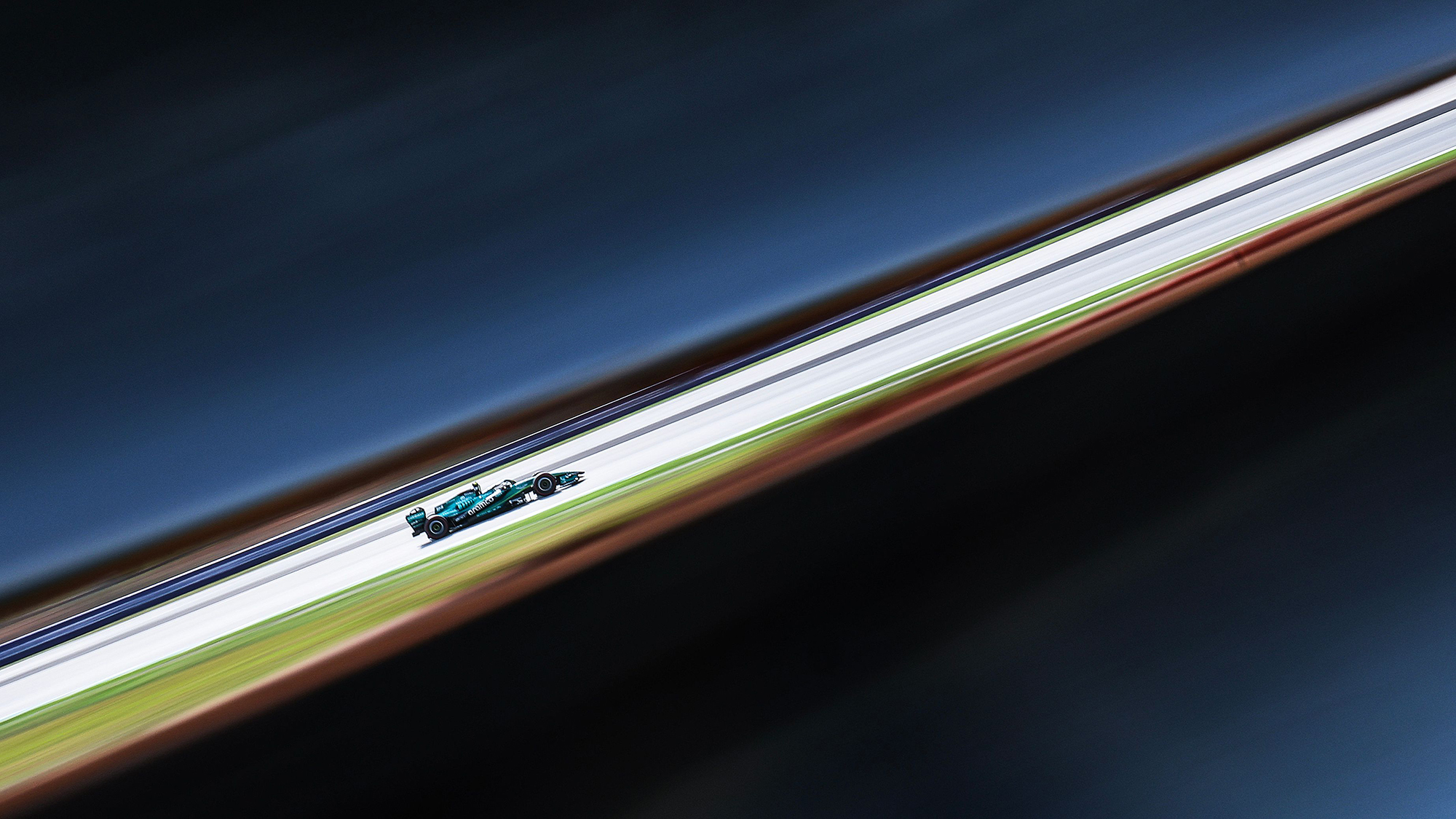
    Full throttle

    Aston Martin’s Fernando Alonso of Spain drives during the free practice session for the Bahrain Grand Prix at Sepang International Circuit. The F1 race on Sunday takes place in Malaysia instead of Bahrain because of the “current conflict in the Middle East,” said The Athletic.
    Fazry Ismail / EPA / Shutterstock


    Puzzles

    Daily sudoku

    Challenge yourself with The Week’s daily sudoku, part of our puzzles section, which also includes guess the number

    Play here


    The Week recommends

    The award-winning restaurants to try this fall

    Autumn is when some of the country’s flashiest food publications name the year’s best new chefs and restaurants. Get in on the remarkable cooking happening at these standout spots.

    Broken Spanish Comedor, Los Angeles
    Ray Garcia, the chef of the cherished, shuttered Broken Spanish, is back with Broken Spanish Comedor. This “iteration feels more self-assured,” said Bon Appétit when it named the spot one of the Best New Restaurants for 2026. Garcia’s cooking is “punchy, bold and assertively spicy.”

    Honeysuckle, Philadelphia
    Omar Tate and Cybille St. Aude-Tate, the chef-owners of Honeysuckle, are “professional storytellers,” said Bon Appétit. Their background in visual arts and children’s books, respectively, is put to delicious use as the pair trumpets foods of the African diaspora in a “stylish living room” that feels like you are in the “midst of a great party.” 

    John’s Food and Wine, Chicago
    The wide-ranging menu, swerving from grilled cabbage salad with kimchi and candied sunflower seeds to branzino with cucumber and dill, is faultless. John’s also “prioritizes paying every staff member a competitive wage and incentivizing them to stay,” said Food & Wine magazine when it awarded the spot Restaurant of the Year last month.

    The Paper Bridge, Portland, Oregon
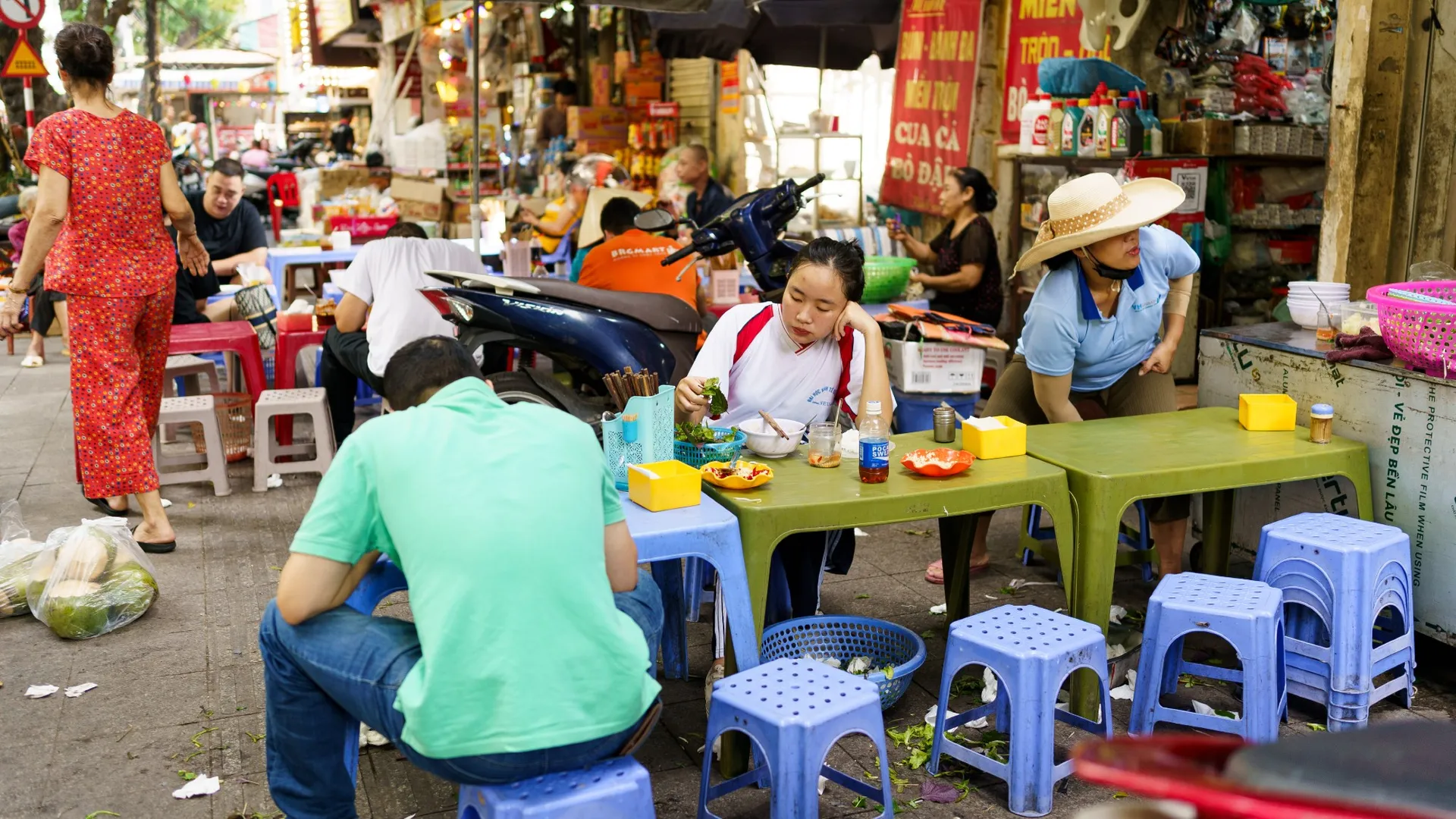
    You know your pho, so you may think you know the scope of Vietnamese food. The way pho is most often served in the U.S. is southern Viet-style, but that’s only one way to do it. This restaurant, an homage to the cuisine of the country’s north, would like to take you on a palate-expanding journey. 


    Poll watch

    Over a third of people (35%) across 37 countries think social media has had a negative impact on democracy, according to a Pew Research Center survey of over 42,000 people. Wealthier nations have the most negative views, and in the U.S., 64% of respondents believe social media is bad for democracy.


    INSTANT OPINION

    Today’s best commentary

    ‘This mistake doomed Biden. Trump is falling into the same trap.’
    Karine Jean-Pierre at The New York Times
    The truth is that “we had a stale message” and “outdated models for delivering it,” says Karine Jean-Pierre. It cost then-President “Biden and, eventually, Vice President Kamala Harris dearly.” Trump is now “making a mistake even more damaging.” The president’s refrain that we are the “hottest country anywhere in the world” is a “no-sale,” both because the “facts really aren’t on his side” and because he’s “barely acknowledging Americans’ legitimate economic worries.” When leaders “neglect lived experience, the message collapses.”

    ‘Black scholarship is marginalized if it’s not on the left’
    Jon Shields at The Boston Globe
    While our curricula are “brimming with courses on racial inequality,” it seems that we often “sideline many of the nation’s most accomplished Black scholars,” says Jon Shields. When academics “just teach authors on the left,” the “subtle message” we may be sending to “students of all races” is that Black people “think more or less alike” and that “racial authenticity” is “wedded to a narrow band of political thought.” As educators, we should “avoid such caricature.” 

    ‘Why Stallone’s honesty about bulimia is so important’
    Rebecca Morrison at USA Today
    Body dissatisfaction can “look different in boys and men,” says Rebecca Morrison. While girls are “bombarded with the message to become smaller,” guys receive a different message: “to get bigger, leaner, more muscular.” When someone “in the public eye like Sylvester Stallone” shares their eating disorder, it “brings into the light the secret shame so many people live with.” It also helps many people, “especially men and boys,” know they are “not alone” and that “asking for help doesn’t make them less strong.” 


    WORD OF THE DAY

    mycelium

    The underground rootlike network of threads that form fungi. A museum in Exeter, England, is exhibiting a “soundscape” created in the woods by musician Jason Singh with the help of fungi. He used “biofeedback sensors to measure the electricity coming from mycelium” and translated it into sound, he said to The Guardian.


    Evening Review was written and edited by Theara Coleman, Nadia Croes, Scott Hocker, Anya Jaremko-Greenwold, Justin Klawans, Joel Mathis, Harriet Marsden and Rafi Schwartz, with illustrations by Stephen Kelly.

    Image credits, from top: Illustration by Stephen P. Kelly / Shutterstock / Getty Images; Kelvin Kuo / Los Angeles Times / Getty Images; Javier Torres / AFP / Getty Images; Davide Bonaldo / SOPA Images / LightRocket / Getty Images
     

    Recent editions

    • Morning Report

      Arrest of British-Iranian national over RAF base plot

    • Evening Review

      Diesel crisis: is the UK running out of road?

    • Morning Report

      Israel to tighten flight security after cockpit attack

    VIEW ALL
    TheWeek
    • About Us
    • Contact Future's experts
    • Terms and Conditions
    • Privacy Policy
    • Cookie Policy
    • Advertise With Us
    • FAQ
    Add as a preferred source on Google Add as a preferred source on Google

    The Week UK is part of Future plc, an international media group and leading digital publisher. Visit our corporate site.

    © Future Publishing Limited Quay House, The Ambury, Bath BA1 1UA. All rights reserved. England and Wales company registration number 2008885.