Is kratom, an addictive opioid-like drug, getting preferential treatment from the Trump administration?
What is kratom?
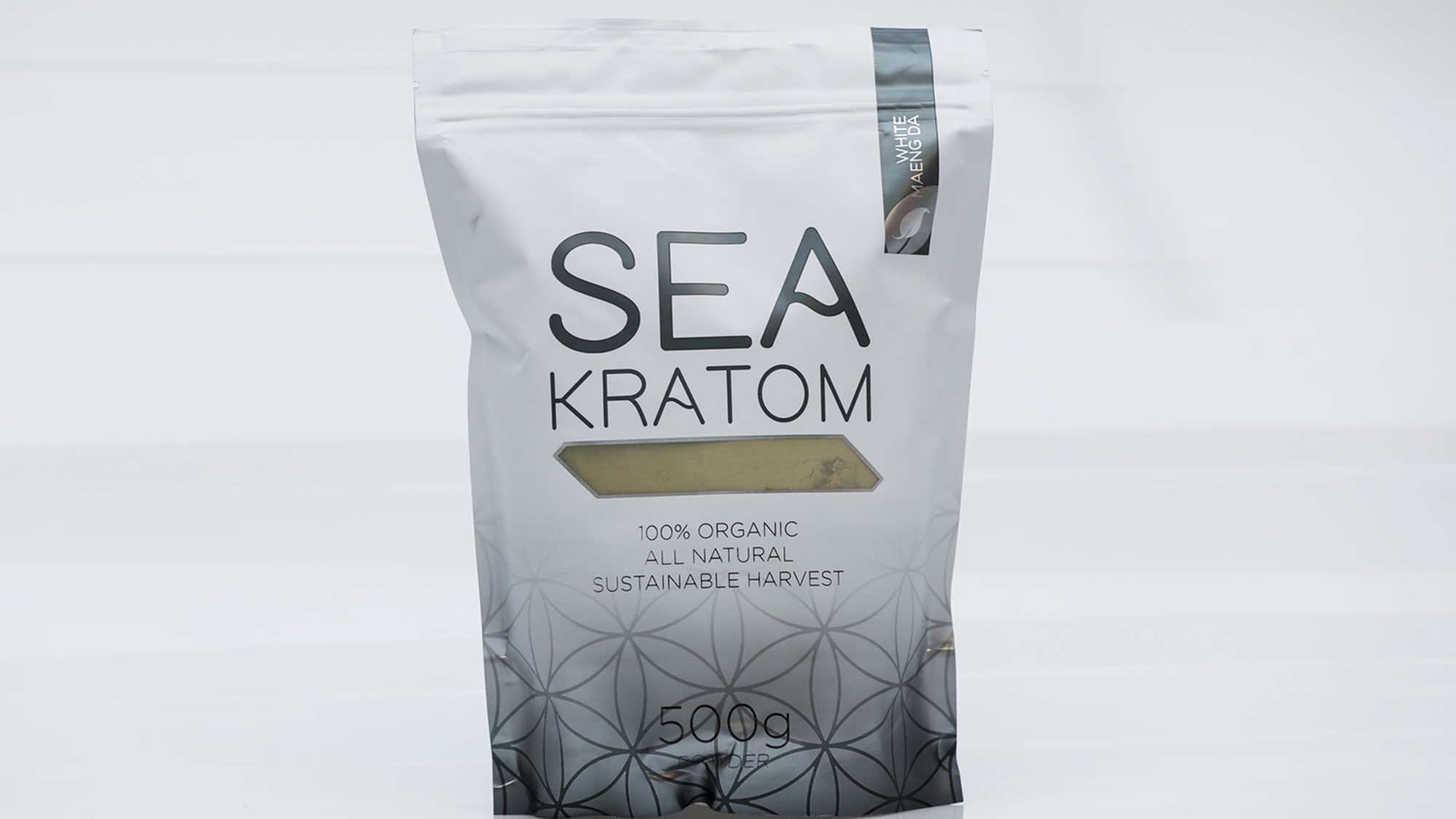
Derived from the leaves of the kratom tree, the legal high is sold in convenience stores, smoke shops, and service stations across the U.S. with the pitch that it can ease pain and boost energy. As use has increased—some 5 million Americans have tried kratom, turning the drug into a billion-dollar industry—so have its harms. More than 5,200 people fatally overdosed on kratom between 2020 and 2024, according to the CDC, and kratom-related hospitalizations and poisonings have rocketed nearly 1,300% over the past decade, with nearly 3,500 people severely sickened last year. Authorities found packages of the drug while investigating the mysterious deaths of two University of Mississippi undergrads, ages 18 and 20, in separate incidents last week. Responding to growing concern, the Drug Enforcement Administration this summer temporarily classified three kratom derivatives as federally illegal Schedule 1 substances, a category that includes heroin and LSD. But the Department of Health and Human Services emphasized the change was “not intended to regulate natural leaf kratom,” only synthetics and concentrates of its psychoactive compounds. Many experts call that insufficient—and suggest ties between Trump Cabinet members and kratom firms could be influencing regulations. “It’s looking like we have a coin-operated drug policy,” said former White House adviser Dr. Kevin Sabet.
What effect does kratom have on users?
Low doses have a stimulant effect; people in Southeast Asia, where the tree is native, have for centuries chewed leaves as a pick-me-up. But in higher doses, kratom acts as a narcotic, because two psychoactive compounds—mitragynine and 7-hydroxymitragynine (7-OH)—bind to the same receptors as opioids. “If you take two pills it’s like a cup of coffee,” podcaster Joe Rogan said in 2019. “I took eight and I was f---ed up.” Kratom leaves are typically imported from Indonesia and processed stateside into capsules, gummies, and other products. While natural kratom contains only trace amounts of 7-OH, some companies sell concentrated or synthetic forms of the compound under brand names such as Magic 7OH and 7 O’Heaven for as little as $4 a pop. Those concentrates can be up to 13 times stronger than morphine, and users risk addiction, liver damage, and seizures—or worse. Weston Walker, a health-conscious Florida attorney, collapsed and died in 2021 after taking a lethal amount of kratom extract. “You just never imagine your 37-year-old, healthy-as-a-horse brother is going to pass away,” said his sister, Whitney Briggs.
Why do people take the drug?
Many take it purely recreationally, enjoying a mild alcohol-free buzz from the kratom-infused drinks and cocktails served at hundreds of kratom lounges and bars across the U.S. Some long-haul truckers use it to stay awake on the road. But kratom’s most vocal defenders say it helps them manage pain and chronic conditions, and a Johns Hopkins survey last year found that over a quarter of kratom users take it as an opioid replacement. But while some users say it helped wean them off opioids, others find themselves trading one addiction for another. “Anyone who says kratom is not addictive has never tried it,” a former opioid and kratom user named Jack told Aeon. “I probably spent over $120 a day on kratom, way more than I had spent on oxies.”
How has the government responded?
A 2016 attempt at banning kratom’s main compounds failed after intense pushback from the American Kratom Association and other lobbying groups. The DEA’s order this summer on three kratom derivatives also bans substances that contain more than 0.05% of 7-OH, a level that excludes raw kratom leaves. But Brandeis University opioid researcher Dr. Andrew Kolodny notes that the majority of patients he has treated for 7-OH addiction started with natural kratom, and that there’s no clear line marking one form as dangerous and the other safe. “The DEA should control kratom in all its forms,” he said.
Why hasn’t it?
Some experts point to financial links between Trump Cabinet officials and the kratom industry. In 2023, the Justice Department sued one of the country’s largest kratom firms, Oklahoma-based Botanic Tonics, alleging its kratom-infused Feel Free drink was an unsafe “new dietary ingredient.” The DOJ dropped the case last December, saying it was not “a prudent use of government resources,” and over the following months, Botanic Tonics donated $1 million to MAHA PAC, which is associated with Health Secretary Robert F. Kennedy Jr., and $443,000 to the Republican National Committee. Asked about the donation, Kennedy said, “I don’t make decisions for the Justice Department.” Markwayne Mullin, the former Oklahoma senator who in March became Homeland Security secretary, has invested up to $1 million in Botanic Tonics. The New York Times reported that Mullin has asked the FDA to soften its warnings on kratom while publicly promoting bans on 7-OH, whose makers compete with Botanic Tonics’ “natural” products. The Department of Homeland Security said Mullin “follows all ethics and conflict-of-interest standards.”
Can states take action?
Over a dozen have enacted bans on kratom, 7-OH, or both, though enforcement is spotty. Not all experts support blanket prohibition: Johns Hopkins psychiatrist Kirsten Smith warns that a “moral panic freakout” could stifle research into whether kratom can indeed offer an off-ramp from opiates. But most agree kratom companies should not be left to self-regulate. Many in the industry, meanwhile, dismiss health harms from their product. Mac Haddow of the American Kratom Association has applauded the DEA’s 7-OH ban but has also blamed irresponsible consumers for any deaths caused by natural kratom use. “Can we regulate stupid?” he asked. “I can’t do that—no one can.”