The Week UK
flag of US
US
flag of UK
UK
https://cdn.mos.cms.futurecdn.net/flexiimages/jzblygzdxr1769609154.gif

SUBSCRIBE

Start your trial today

Sign in
  • View Profile
  • Sign out
  • The Explainer
  • Talking Points
  • The Week Recommends
  • Podcasts
  • Newsletters
  • From the Magazine
  • The Week Junior
  • More
    • Politics
    • World News
    • Business
    • Health
    • Science
    • Food & Drink
    • Travel
    • Culture
    • History
    • Personal Finance
    • Puzzles
    • Photos
    • The Blend
    • All Categories
  • Newsletter sign up Newsletter
  • The Week’s Saturday Wrap
    Deciphering the polls, college sports go pro, and Trump ousts Guilfoyle

     
    controversy of the week

    Midterms: Can the polls be trusted?

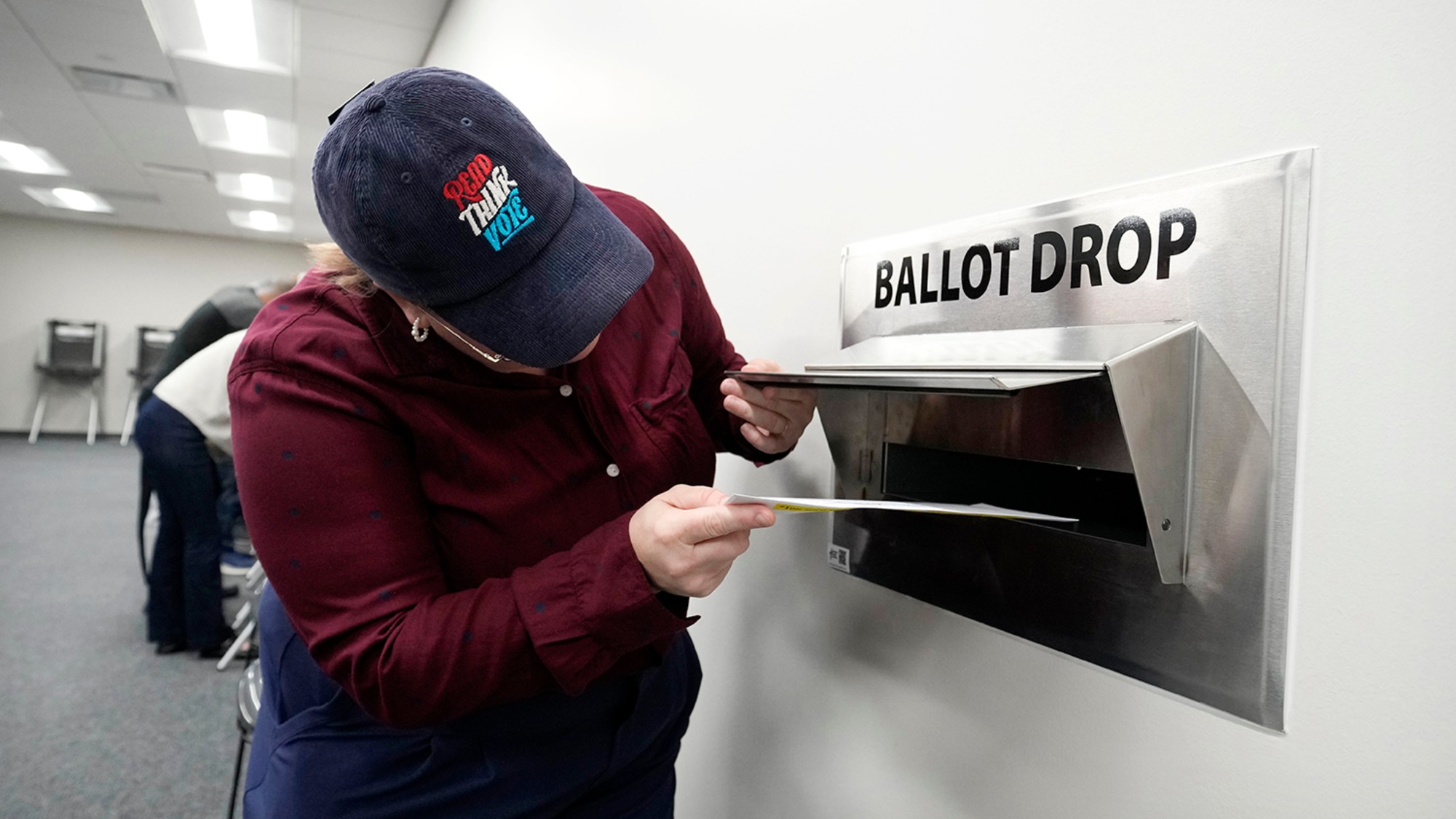
    With the midterm elections less than three weeks away, pollsters’ projections of Democratic gains are “getting pretty wild,” said Ed Kilgore in New York. Democrats have more than an 8 percentage point lead on the generic congressional ballot, over double the 3.5 points they likely need to take the House of Representatives. Attention is now shifting to the Senate, where Democrats must flip at least four seats to gain the majority. The party has small but robust poll leads in every battleground state, and has momentum in traditional GOP strongholds like Texas, where James Talarico is either tied with or nudging ahead of Republican Ken Paxton; Alaska, where Democrat Mary Peltola is outpacing Sen. Dan Sullivan; and Kansas, where Democrat Adam Hamilton and Sen. Roger Marshall are running even. If all those leads hold up on Nov. 3, Democrats will claim 54 Senate seats. If the polls are correct, said Perry Bacon in The New Republic, “we are looking at a political earthquake akin to 2008,” when a “blue wave” swept Barack Obama into the White House and Republicans into the wilderness. But the polls have been wrong before—most painfully in 2016—and many Democrats worry this year’s numbers are “too good to be true.” 

    The polls could absolutely “be wrong again,” said Marc Novicoff in The Atlantic. Ever since Trump’s upset victory in 2016, pollsters have been “tweaking their methodologies” to model the new GOP voter base, with decidedly mixed results. The polls again overestimated Democrats’ support in 2020—they had Joe Biden up by 10 points in Wisconsin; he won by less than 1—and in 2024, when Trump overperformed nationally by about 3 points. The persistent problem is “partisan-nonresponse bias,” a fancy way of saying Trump-era Republicans don’t like to talk to pollsters and so end up being undercounted. The figure stalking Democrats’ nightmares this year isn’t Trump, said Noah Rothman in National Review. It’s that “hidden Republican voter who only emerges from the mists on Election Day.” 

    Midterms are different, said Nate Silver in his Substack newsletter. With no national contest on the ballot, a “systematic” polling error is much less likely. Polls before the 2018 and 2022 midterms were largely accurate, and the predicted 10-point swing toward Democrats this year is no larger than the midterm swing in 2018, when Trump was more popular “and gas was much cheaper.” As for those Republicans disinclined to talk to pollsters, couldn’t their reluctance mean that they’ve lost interest in voting? If pollsters scarred by 2016 are counting every hang-up as a vote for the GOP, Democrats could actually overperform their poll numbers this November, as they have on average by 1.3 points in “the various off-year and special elections” since Trump first took office. 

    Some GOP voters are talking to pollsters, said Ronald Brownstein and David Wright in CNN.com, and they have “bad news for Republicans.” Like the rest of the electorate, Republican voters say they’re struggling economically and half of self-identified GOP likely voters in Ohio and Iowa blame Trump policies—such as the Iran war, tariffs, and Medicaid cuts—for increasing the cost of living. This doesn’t make a blue tsunami inevitable; polling misses in a few states could deny Democrats the Senate. But it’s hardly surprising that the polls look as bad as they do for Republicans. They’re sailing into November as the party of a historically unpopular president with a historically unpopular agenda, and GOP candidates “have all left fingerprints behind in the rooms where it was forged.” 


    VIEWPOINT

    Forbidden fruit

    “I’ve begun to suspect that with the right prompts, what AI gives us is closer to forbidden knowledge, the kind that religions have warned against for centuries. LLMs can offer depth without being able to ‘feel,’ perception without being able to see. They seem to reify the idea that a person—a human person—is a matrix of hackable patterns, and that language, armed with enough information, can convincingly approximate personhood. Perhaps this is something we would have been better off not knowing, that the qualities we consider most human can be reproduced without a human being, and that we might even prefer the reproduction. Magic that powerful has a tendency to drive people crazy.” 

    Katherine Dee in The Dispatch


    briefing

    Going pro on campus

    What does the professionalization of college sports mean for schools and athletes?

    How have college sports changed? 
    They are no longer truly amateur. Thanks to recent court decisions, student athletes can now rake in giant paychecks from both sponsorships and their own universities. College sports are a $15 billion industry, and in last year’s House v. NCAA ruling, the Supreme Court required universities to share that revenue with athletes and distribute almost $2.8 billion in back pay. The bulk of that, 75%, goes to football, with 15% to men’s basketball, 5% to women’s basketball, and 5% split among other sports. A separate 2021 ruling allowed players to profit off their name, image, and likeness, greenlighting lucrative endorsement deals for the elite. Universities are now racing to upgrade facilities, hoping that will help them pay and retain athletes—who rarely stay put for four years anymore. Investment fund manager David Booth gave the University of Kansas $300 million to renovate its football stadium, but even he fears some of the joy of the college game is gone. “As a fan, I’m kind of sad to see it happen,” he said, but this is the athletes’ “chance to make some money, more so than after they get out of school, so it’s hard to begrudge them for that.” 

    How much can student athletes make? 
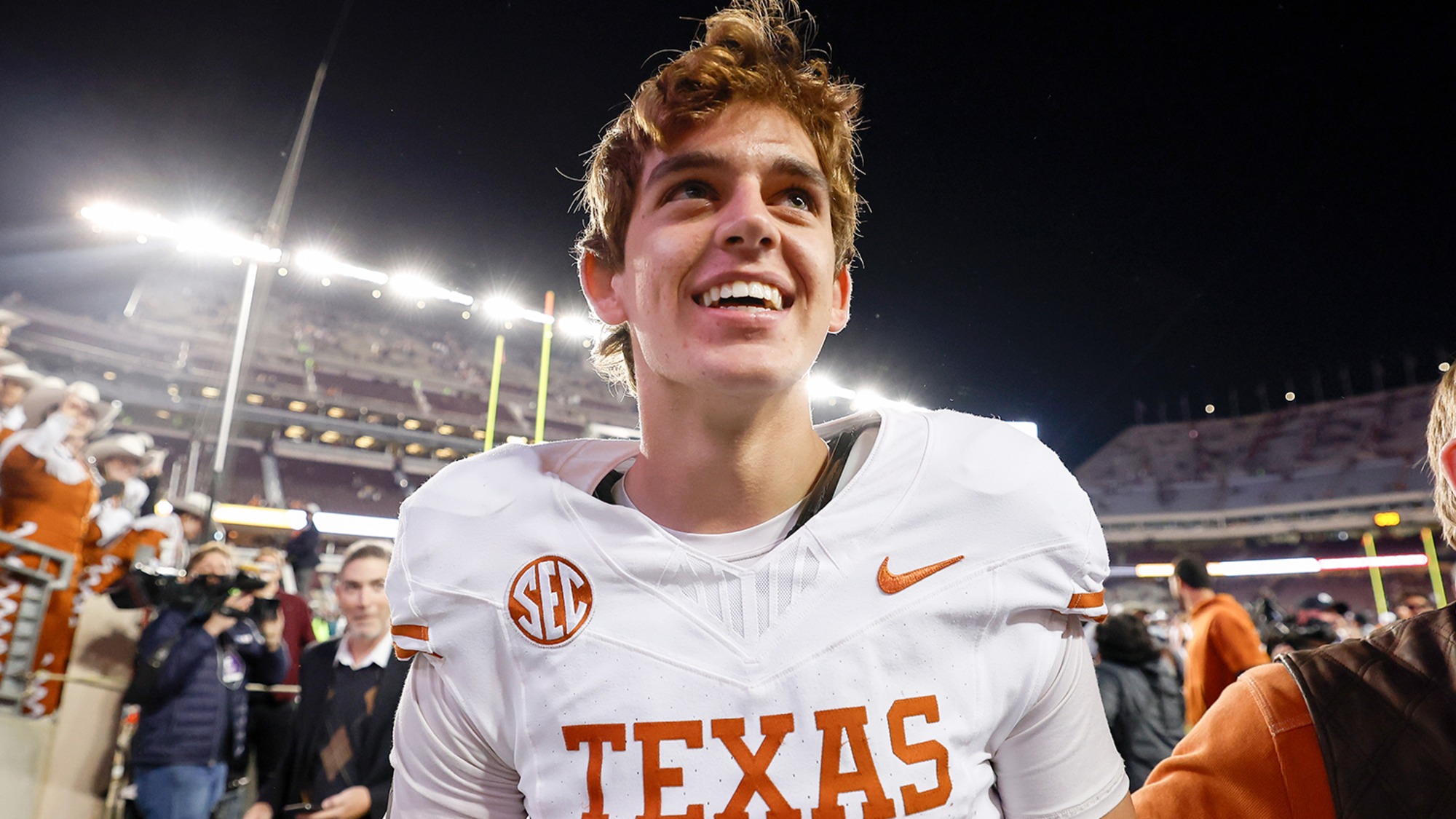
    Starters on the best college teams earn hundreds of thousands of dollars annually, and some stars top $1 million. The NFL’s minimum salary is $885,000, but University of Texas quarterback Arch Manning, nephew of NFL legends Peyton and Eli Manning, is already worth $5.4 million. Some students have inked deals with Nike, Adidas, and Amazon. Even those with lower profiles are finding creative ways to take advantage: At Louisiana Tech, wide receiver Decoldest Crawford partnered with a family-owned air-conditioning company to make ads punning on his first name. “This can change our lives forever,” said University of Arizona quarterback Noah Fifita, who recently bought a $950,000 house. 

    How are schools funding this? 
    Many are revamping facilities and developing land. Nicer amenities demand higher ticket prices, while land can become paid parking lots or restaurants and hotels paying rent to universities. The David Booth Kansas Memorial Stadium will feature over 40 private suites, an all-inclusive menu with crab cakes, smoked ribs, and macaroons, and a lighting design that evokes wheat blowing in the wind. The University of Tennessee now charges an extra 10% talent fee on top of ticket prices. “Schools do not want to finance this entirely from their general budgets,” said Stanford University economist Roger Noll. “The sweet spot for everyone is to find new revenue sources.” 

    What’s the downside? 
    Students now transfer between schools constantly, moving whenever there’s a chance to earn more. Miami’s star quarterback, Darian Mensah, has already played for Tulane and Duke. Nearly 25% of players in the NCAA’s highest-level football tier were in the transfer portal, the college version of free agency, in January. The churn in athletes has hurt team cohesion and disappointed fans. University of Washington quarterback Demond Williams Jr. signed a $4 million licensing deal with his team this year, only to enter the portal days later. Threatened with legal action, he backed off. Another problem is that schools have directed disproportionate resources to their most profitable teams—usually men’s basketball and football—at the expense of other athletes. California Polytechnic cut swimming, while the University of Louisiana Monroe nixed women’s tennis. Eight female athletes have filed an appeal against the House v. NCAA settlement, arguing it violates Title IX by sending 90% of back pay to men. “Look at all this money coming for basketball and football athletes,” said Sabina Mrzyglod, a swimmer who lost her spot on the downsized Georgia Tech team. “What about all the athletes whose careers just ended?” 

    Is anyone pushing back? 
    Opponents of the new system range from residents of college towns to politicians. The communities around schools aren’t always thrilled by years of new construction. Alumni have also resisted ditching historic venues. Facing backlash from graduates, the University of North Carolina at Chapel Hill paused its plan to build an off-campus arena to replace the storied Dean Dome, home to its championship men’s basketball team. Even President Trump decried the endorsement ruling. At a White House meeting with stakeholders in March, he warned rising costs could push schools into bankruptcy. “You’ve got yourself a mess,” he said. These changes have also fired up lawmakers who were once college athletes. 

    What can Congress do? 
    In a rare bipartisan move, the Senate last month passed the Protect College Sports Act by 77 to 22. The bill would regulate the revenue-sharing cap, force athletes to sit out a season if they transferred more than once, and codify the NCAA’s recent rule limiting Division I athletes to five years of eligibility. Supporters argue it reins in extravagance, but others say it increases the NCAA’s power while depriving athletes, many of whom are Black, of financial opportunities. Sen. Cory Booker (D-N.J.), a former Stanford tight end who opposed the bill, said that just as athletes were “winning their rights, winning court cases, gaining leverage,” they are “now having that taken away from them” by Congress. The bill faces an uncertain future in the House, in part because the debate has energized politicians on both sides, reflecting the critical role college sports play in American culture. “We do a lot of things up here that back home people wonder, ‘What are you talking about?’” said Sen. Eric Schmitt (R-Mo.). “This is something that our folks back home do care about.”


    Only in America

    A Republican super PAC spent nearly $25,000 buying TV ads in the wrong Portland. Defending Main Street ran ads attacking Troy Jackson, the Democrat challenging Maine Sen. Susan Collins, but they were broadcast in Portland, Ore., some 2,500 miles away. The group’s president, Sarah Chamberlain, blamed the mistake on a vendor, emphasizing that she personally “would never run an ad in Portland, Oregon, for Susan Collins, for Christ’s sake.”


    talking points

    Guilfoyle: Too sloppy to stay

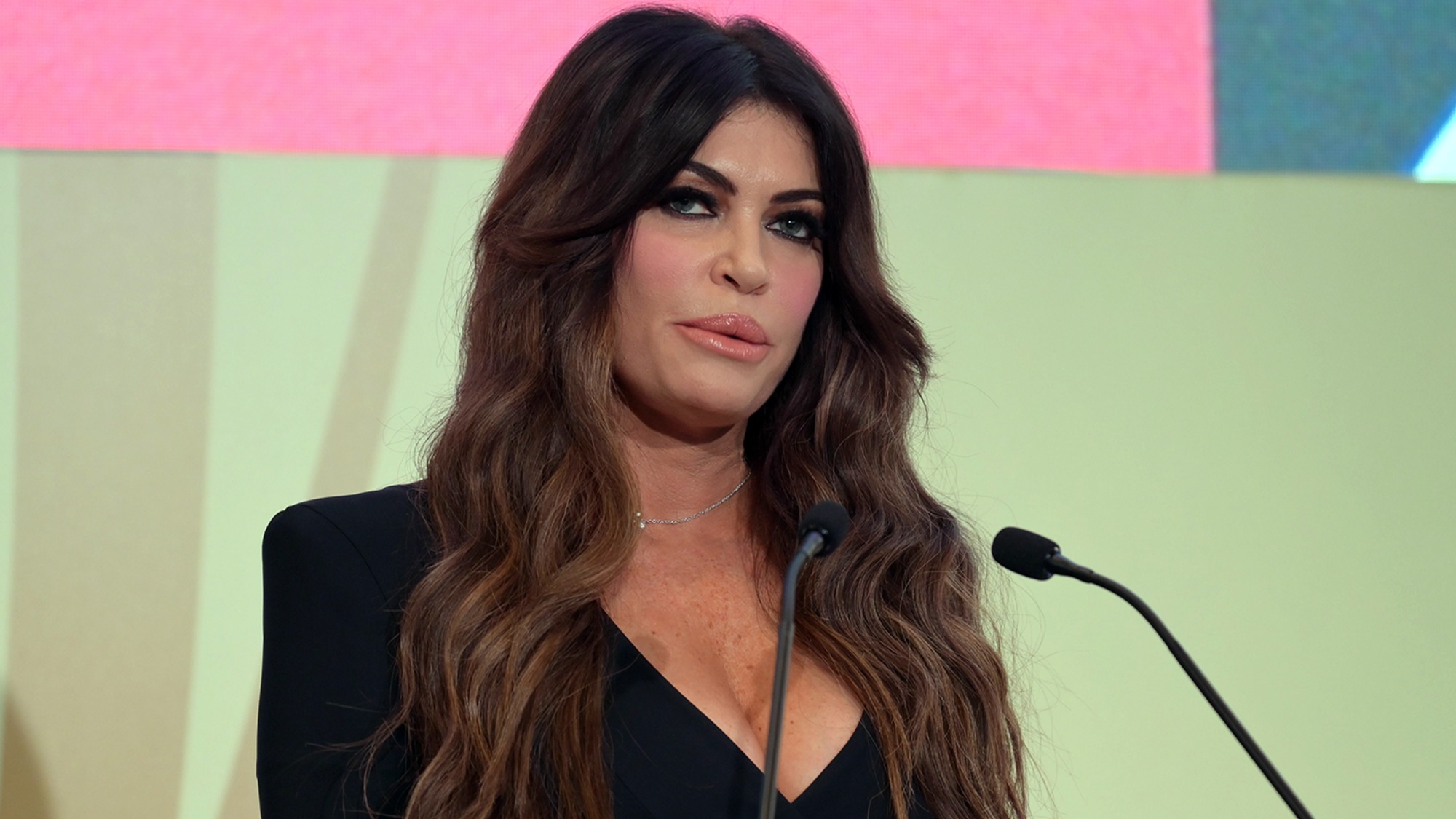
    Trumpworld’s latest scandal “is an open-and-shut case of staggering corruption,” said Andrew Egger in The Bulwark. President Trump forced U.S. Ambassador to Greece Kimberly Guilfoyle to resign this week after The Wall Street Journal reported she pressured Trump donor Eric Deters to cover her $100,000 American Express bill before her 2025 confirmation hearing. “Honey please I need you to get this done for me today,” she texted Deters. He had been asking her for favors, including help making an IRS audit disappear, and Guilfoyle—Donald Trump Jr.’s former fiancée—promised that if he paid off her debt, she’d be his “Trump ride or die” and introduce him to high-ranking administration officials. Deters didn’t acquiesce, complaining he’d already paid her $300,000 in “speaking fees.” While serving as ambassador, the Journal reported, Guilfoyle’s grifting continued: She often brought a Greek energy company lobbyist to official meetings of government officials and bragged about Greek tycoons funding her luxury travel. In resigning, Guilfoyle denied any wrongdoing, but Trump said, “We didn’t like what we were reading.” 

    Guilfoyle’s corruption was too blatant for Trump to ignore just before the midterms, said Nick Catoggio in The Dispatch, but she’s a dangerous person for him to alienate. As his son’s longtime girlfriend and Trumpworld insider, “she’s assuredly learned too much about Trump family malfeasance” to be exiled with no means of support. Trump will likely “lateral her over to some private-sector position, buying her silence with a wellpaid sinecure.” Guilfoyle “isn’t the exception to the rule in how America’s third-world government operates.” In Trumpworld, “everyone is getting paid.” 

    That includes her ex-fiancé, said Robby Soave in Reason. “It’s fair to ask some questions about Trump Jr.,” who also had dealings with Deters, and whose May wedding was largely funded by a Russian oligarch. Trump’s sons are heavily invested in companies that have made billions in government business, while Democratic lawmakers have alleged conflicts of interest by Trump special envoys Steve Witkoff and the president’s son-in-law, Jared Kushner, who often mix diplomatic roles and business interests. Republicans eviscerated Hunter Biden for foreign dealings during his own dad’s presidency but are now responding to evidence of Trumpworld’s massive corruption with “stony silence.” It’s no surprise Trump’s “team of mercenaries” are using “their roles to cash in,” said David A. Graham in The Atlantic. “They learned it by watching him.”


    people

    Affleck’s viral exasperation

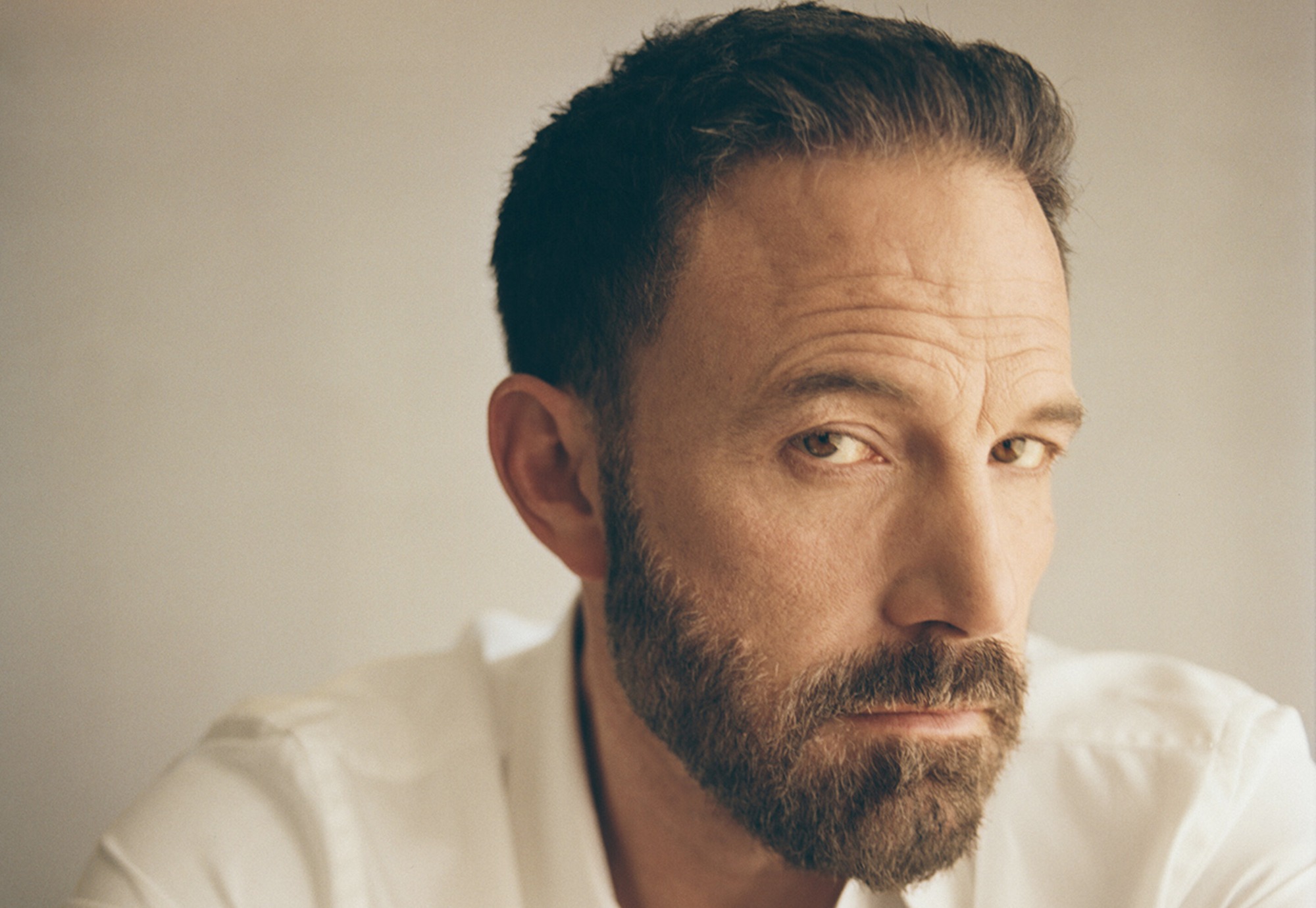
    Ben Affleck is not sure he’d make it in Hollywood if he were starting out today, said Matt Donnelly in Variety. The actor and director, 54, says that every time he chats with young stars on set, “I get a sense it’s tougher. They feel an enormous pressure to be accruing an online following. Casting directors ask about [social media followings]. I would not be good at that. I’d be a terrible influencer.” He did join Instagram to keep tabs on his three kids, “but I got banned twice for impersonating myself.” Affleck has watched his ex-wives, Jennifer Garner and Jennifer Lopez, achieve social media success and knows how much work it takes. They “do amazing jobs cultivating value in those spaces. Don’t think that’s not real work. I couldn’t do it. What am I going to do, unbox something?” But while he’s far from an influencer, he’s intimately familiar with going viral. A 2016 paparazzi photo of Affleck smoking with his eyes closed and a look of exasperation on his face is still widely shared online today. “You have to have a sense of humor. Like how I became a meme for ‘the beleaguered man,’ as my daughter calls it.” Still, he’d rather keep his life offline—and thinks sharing too much is bad for a screen star’s mystique. “I think Daniel Day-Lewis and Meryl Streep and Viola Davis and Denzel Washington are brilliant actors. It doesn’t help me appreciate their movies to see what they had for lunch.” 


    Saturday Wrap was written and edited by Theunis Bates, Bill Falk, Allan Kew, Bruno Maddox, and Rebecca Nathanson.

    Image credits, from top:  Getty; Getty; Shutterstock; Kobe Wagstaff / The New York Times / Redux
     

    Recent editions

    • Evening Review

      Why did the PM ‘gatecrash’ the SNP?

    • Morning Report

      Healey mulls £2bn tax on banks

    • Evening Review

      Can the Tories unite the right?

    VIEW ALL
    TheWeek
    • About Us
    • Contact Future's experts
    • Terms and Conditions
    • Privacy Policy
    • Cookie Policy
    • Advertise With Us
    • FAQ
    Add as a preferred source on Google Add as a preferred source on Google

    The Week UK is part of Future plc, an international media group and leading digital publisher. Visit our corporate site.

    © Future Publishing Limited Quay House, The Ambury, Bath BA1 1UA. All rights reserved. England and Wales company registration number 2008885.