by Simon Sebag Montefiore
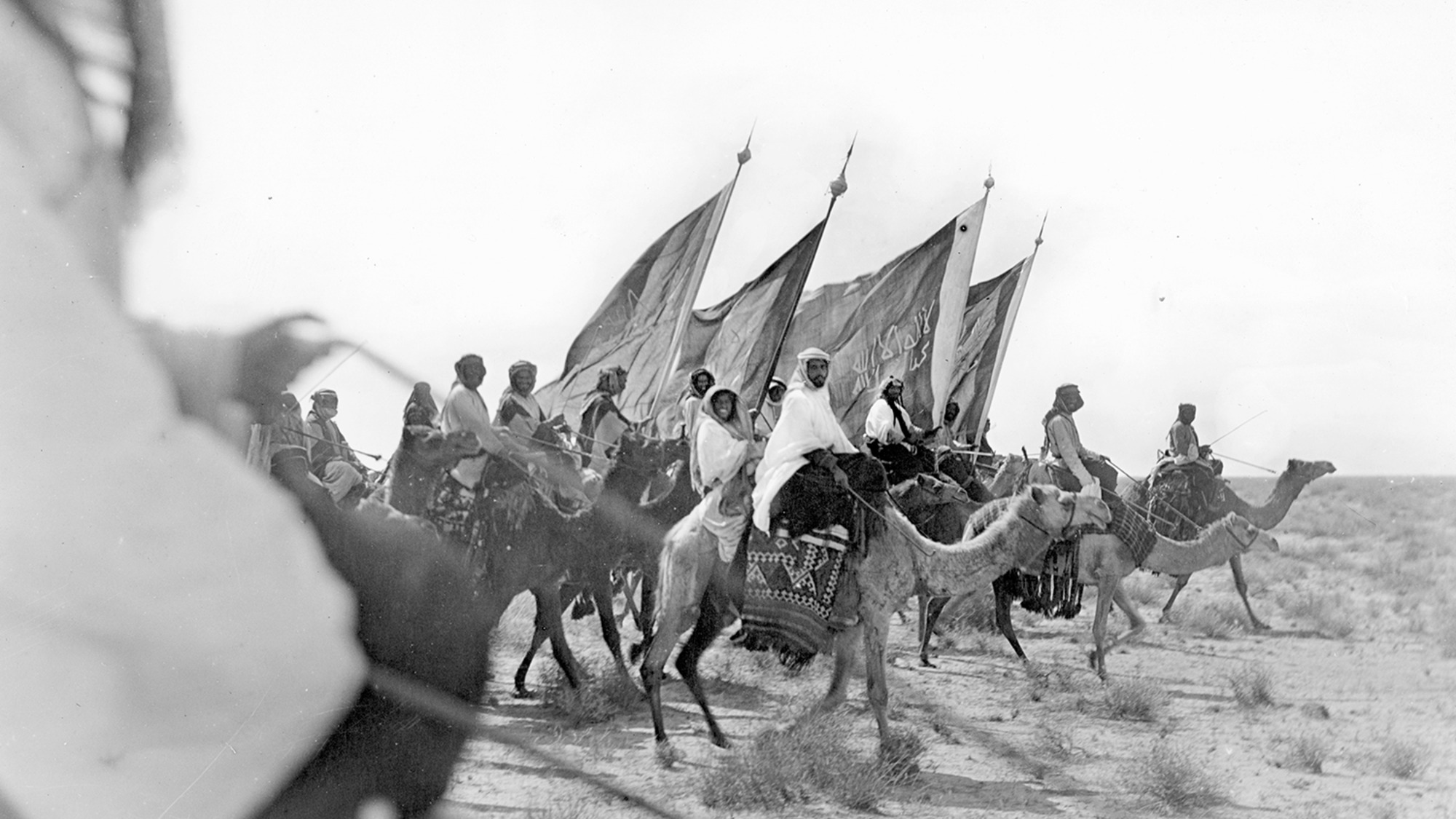
Simon Sebag Montefiore’s latest best seller is “a triumph of blood-and-thunder narrative history,” said Sean McMeekin in The Wall Street Journal. At a time when conflict in the Middle East is again touching lives around the world, the British historian has delivered a sweeping and energetic account of the region’s turbulent last 125 years. Beginning in 1902, when the young prince Ibn Saud seized Riyadh to puncture Ottoman dominance, “Montefiore doesn’t play favorites, subjecting all his characters to scrutiny.” We get British and French meddling during and after World War I, the dramatic reset brought on by the next global conflict, and Cold War machinations that enflamed new conflicts. Then comes the 1979 Iranian Revolution, which Montefiore characterizes as epochal in its impact. “Not all his stories are original,” of course, “but he enriches them with fascinating details.”
“While vast in scope, The Cauldron is written in a way that is equally accessible to regional experts and neophytes,” said Jonathan Harounoff in the New York Post. Often, his story is carried by “the compelling and, at times, insidious characters who helped forge the Middle East we know today.” Jassim bin Mohammed Al Thani, Qatar’s founding emir, sired 56 children. King Farouk, who ruled Egypt for 16 years, was addicted to gambling, food, and sex. As Montefiore marches readers though various crises and flashpoints, said Mark Urban in The Times (U.K.), he shows a determination to nail down which actors deserve blame. “Time and again,” he shows that the region’s leaders have been more than mere puppets, having more agency than self-regarding Westerners might suspect. And though he rips into Iran’s Ayatollah Khomeini, today’s Israeli right wing, and many other regional players, “this is not a polemic but a work of history in which his judgments are rooted in deep research.”
The astonishing scope of the book is “both its greatest strength and its principal weakness,” said Sam Kiley in The Independent (U.K.). At his best, Montefiore “can make a complicated political order suddenly legible through a few deft sentences,” but the pileup of rulers, coups, and wars at times becomes “so dense that the reader can struggle to retain a firm sense of causation.” He also “distributes sympathy unevenly,” favoring pragmatists over fervent believers and, subtly, Israelis over Palestinians in the Middle East conflict that so often looms largest in the minds of outsiders. Montefiore is “too candid about Israeli wrongdoing to be described as an apologist.” Better yet, he’s written a book that anyone could learn from. “Its scholarship, range, and vitality make it an impressive achievement.” |