The year's most wondrous space photography
2015 was a good-looking year for the galaxy


Phytoplankton, microscopic plant-like organisms, bloom in the North Atlantic Ocean in September.
(Image credit: (NASA image by Norman Kuring, using VIIRS data from the Suomi National Polar-orbiting Partnership))

An aerial view of Australia in October.
(Image credit: (NASA))

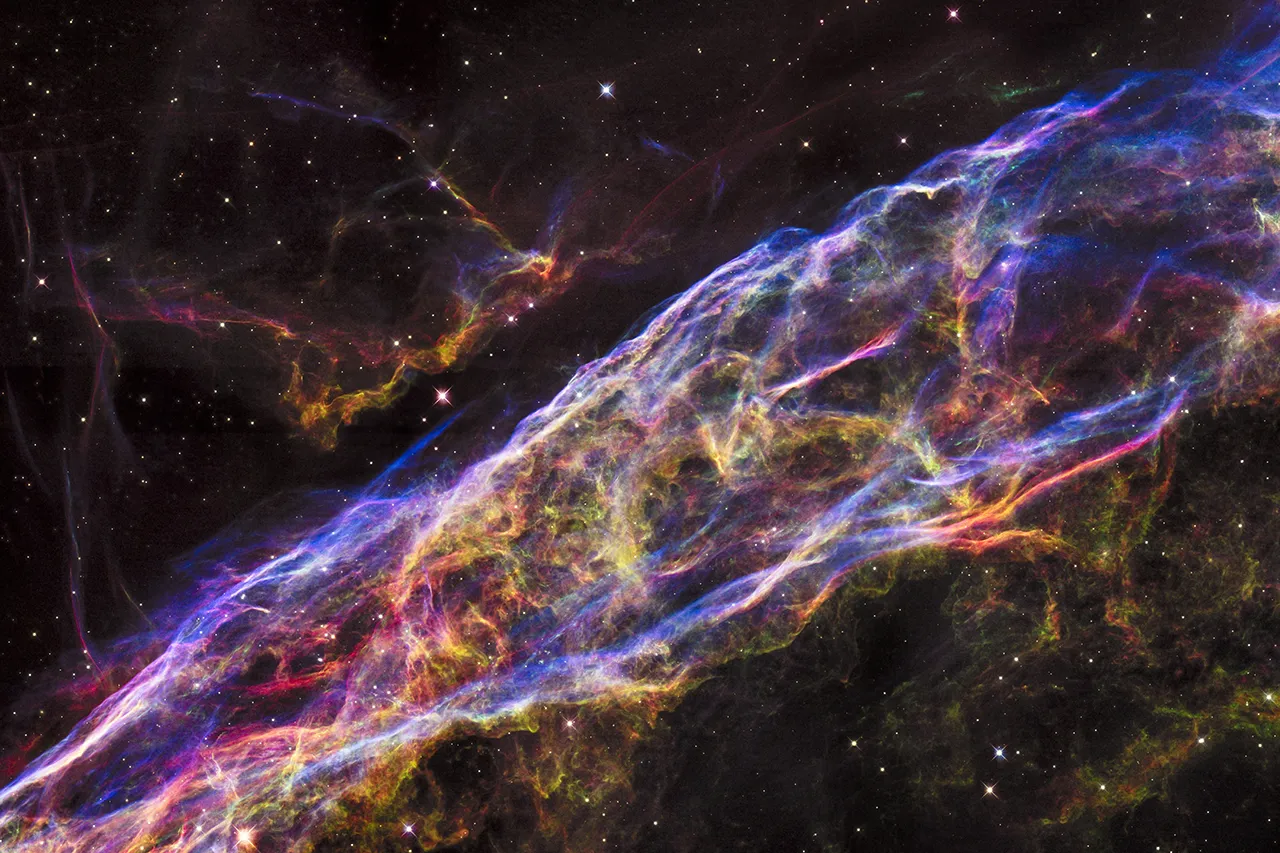
A small section of the expanding remains of a massive star that exploded about 8,000 years ago.
(Image credit: (NASA/ESA/Hubble Heritage Team))

A relatively recent impact crater on Mars.
(Image credit: (NASA/JPL/University of Arizona))

An expanding shell of debris from a massive star that exploded in the Large Magellanic Cloud.
(Image credit: (NASA/CXC/SAO))

An aerial view of the vein-like desert landscape of Oman, in the Middle East.
(Image credit: (NASA))

The sun is alight with solar flares on Jan. 1, 2015. The dark space on the southern end is called a coronal hole, where the sun's magnetic field reaches out into space instead of looping back toward the surface.
(Image credit: (NASA/SDO))

An aerial view of small cays in the Bahamas and the prominent tidal channels cutting between them.
(Image credit: (NASA))

The spectacular cosmic pairing of a star and its surrounding nebula, in the constellation Sagittarius, 15,000 light years away.
(Image credit: (ESA/Hubble & NASA, Acknowledgement: Judy Schmidt))


