Sign up to get Today’s Best Articles in your inbox
Join 350,000+ subscribers and keep yourself informed with a selection of
The Week’s most interesting, enlightening and entertaining stories - plus daily puzzles.
You are now subscribed
Your newsletter sign-up was successful
Want to add more newsletters?
An account already exists for this email address, please log in.
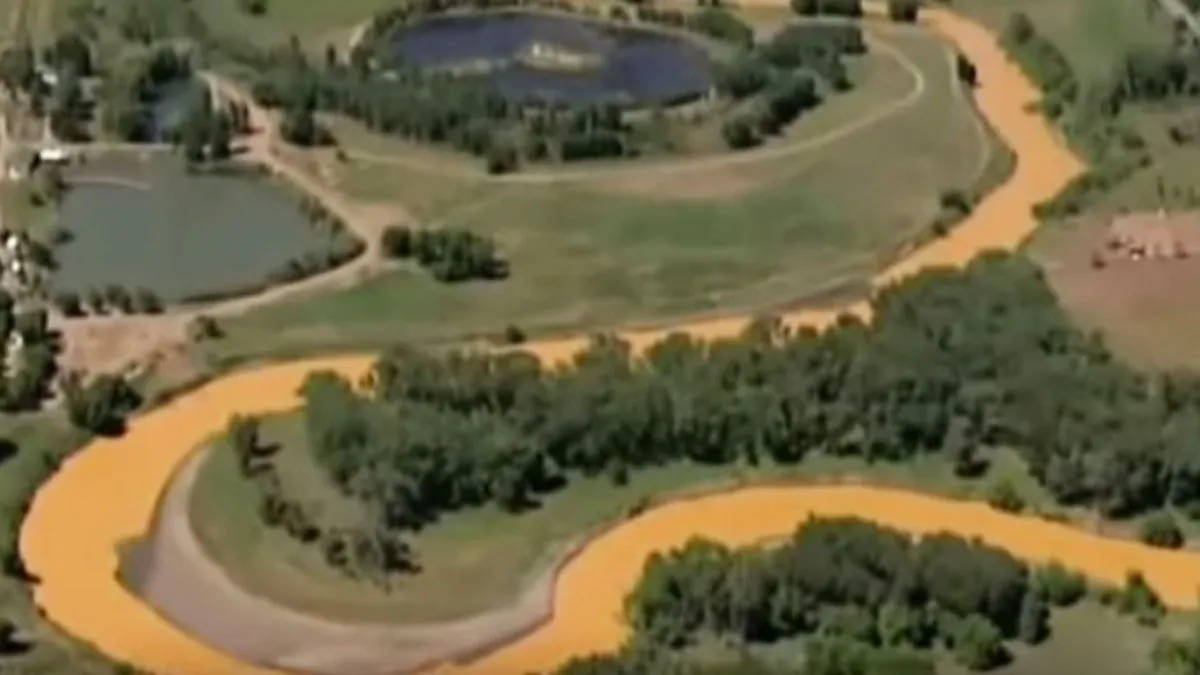
Toxic mine waste turns US river yellow
Environmental agency responsible for leaking water polluted with lead and arsenic
Join more than 350,000 subscribers and keep yourself informed with a selection of The Week’s most interesting, enlightening and entertaining stories - plus daily puzzles.
Join more than 350,000 subscribers and keep yourself informed with a selection of The Week’s most interesting, enlightening and entertaining stories - plus daily puzzles.
The yellow water extends for more than 100 miles into neighbouring New Mexico and states of emergency have been declared in the cities of Durango and La Plata County.
Authorities have instructed the public to stay away and businesses operating along the waterway such as rafting companies have been temporarily closed.
The EPA insists it took swift action to ensure the polluted water did not reach drinking supplies, but up to 1,000 residential wells could be contaminated.
"The magnitude of it, you can't even describe it," New Mexico Governor Susana Martinez told CNN. "Your mind sees something it's not ready or adjusted to see."
Sign up to get Today’s Best Articles in your inbox
A free daily email with the day’s biggest news and analysis – and the best features from TheWeek.com
High levels of lead, arsenic and other heavy metals have been detected and authorities are working to clear the waste and assess the impact on humans and the environment.
The EPA said it did not believe local wildlife to be in significant danger as the toxic sludge moved so quickly downstream, the BBC reports. "We're going to continue to work until this is cleaned up and hold ourselves to the same standards that we would anyone that would have created this situation," said Shaun McGrath, an EPA official.
Local politicians have expressed anger at the agency after it was revealed the spill was three times bigger than previously stated.
"It is not just a scenic destination," said State Senator Ellen Roberts, who lives near the river. "It is where people literally raise their children. It is where the farmers and ranchers feed their livestock, which in turn feeds people."