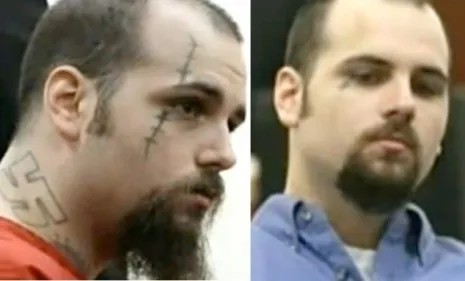
This week, a Florida jury is hearing testimony in the murder retrial of John Allen Ditullio, a man accused of stabbing his neighbor and killing a teenager — but they won't be seeing everything. As in the original trial (which ended in a jury deadlock), the jurors won't see the avowed neo-Nazi's prominently placed tattoos, including images of a swastika on his neck and barbed wire on his face. After defense lawyers argued the "scary" tattoos would prejudice the jury against Ditullio, the judge decided the court should pay a makeup artist to cover them up. Is this a valid use of taxpayer dollars? (Watch an MSNBC report about the controversy)
A trial must be fair: This might be distasteful, says Douglas Keene in The Jury Room, but verdicts are supposed to be based on the evidence, not on how the defendant looks. Ditullio's "offensive tattoos" would almost certainly make jurors more inclined to believe he committed the crimes in question — and "raise the probability that a conviction could be overturned."
The Week
Escape your echo chamber. Get the facts behind the news, plus analysis from multiple perspectives.

Sign up for The Week's Free Newsletters
Join more than 350,000 subscribers and keep yourself informed with a selection of The Week’s most interesting, enlightening and entertaining stories - plus daily puzzles.
Join more than 350,000 subscribers and keep yourself informed with a selection of The Week’s most interesting, enlightening and entertaining stories - plus daily puzzles.