The Week The Week
flag of US
US
flag of UK
UK
https://cdn.mos.cms.futurecdn.net/flexiimages/jacafc5zvs1692883516.jpg

SUBSCRIBE & SAVE

Less than $3 per week

Sign in
  • View Profile
  • Sign out
  • The Explainer
  • The Week Recommends
  • Newsletters
  • Cartoons
  • From the Magazine
  • The Week Junior
  • Student Offers
  • More
    • Politics
    • World News
    • Business
    • Health
    • Science
    • Food & Drink
    • Travel
    • Culture
    • History
    • Personal Finance
    • Puzzles
    • Photos
    • The Blend
    • All Categories
  • Newsletter sign up Newsletter
  • The Week Evening Review
    Fertility rates, AI stock market race, and IndyRef 2.0

     
    THE EXPLAINER

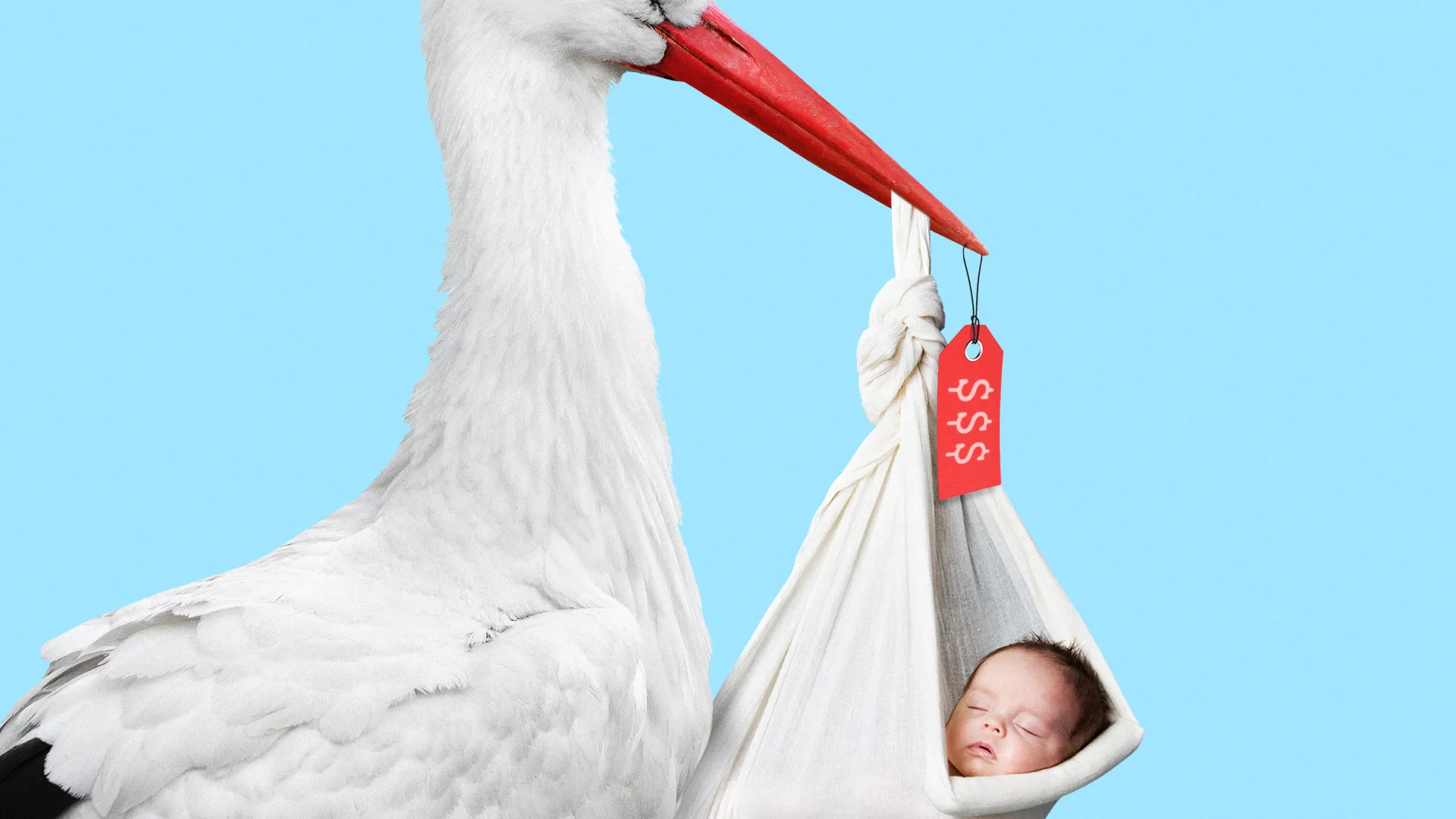
    Is the declining birth rate a crisis?

    Experts are warning of trouble ahead as the annual number of babies being born in England and Wales plummets. With the consequences of falling birth rates already starting to hit, some have accused politicians of ignoring a looming “crisis”.

    How many babies are being born?
    According to newly published data from the Office for National Statistics, 585,396 babies were born last year, down from 594,677 in 2024. The number of babies is at “the lowest level in almost half a century”, which “continues the long-term trend of falling births going back over the past decade”, said Greg Ceely, head of population health monitoring at the ONS.

    Why are birth rates falling?
    The trend is the result of a range of economic, social and cultural factors. The costs of housing and the instability of the housing market make starting a family seem riskier. The UK also has some of the highest childcare costs in Europe, relative to wages. Other key reasons include the expansion of career opportunities for women, and broader shifts in gender roles and family dynamics. 

    Is this a crisis?
    The latest data will “fuel political anxieties” about the “plummeting birth rate”, said The Times health editor Eleanor Hayward. A persistently low birth rate can create long-term demographic problems, since an ageing population means more retirees and fewer workers supporting pensions, healthcare, social care and taxes needed to fund public services. 

    Other consequences are “already being felt”, said The Guardian. Some schools are being forced to close, businesses such as soft-play centres and childminders are struggling, and midwifery courses are facing challenges because students must attend a minimum number of births. But “Westminster dwellers” don’t always “take an interest in this crisis”, said Politics Home. It “often seems to be the problem that cannot be named” for politicians who don’t want to appear “anti-feminist” or “overly interfering in people’s personal lives”.

    “I don’t think we should panic” about falling rates just yet, said cognitive and evolutionary anthropologist Paula Sheppard. With nearly nine billion people on Earth, “we’re not going to go extinct any time soon”, she told New Scientist.


    TODAY’S BIG QUESTION

    Who will win the AI funding race?

    SpaceX, Anthropic and OpenAI are all preparing initial public offerings, competing for investor cash that could determine who ends up the winner of the artificial intelligence era. The three companies “could make 2026 the biggest year for US IPOs”, said the Financial Times. 

    SpaceX chief Elon Musk departed OpenAI in 2018, followed by Anthropic CEO Dario Amodei in 2020. Now, the AI rivals are positioning themselves to “command the deepest pool of capital”. But while they’re hoping to “ride a wave of AI enthusiasm” among investors, stock markets may be less enamored of the sector’s “vast cash burn”.

    What did the commentators say?
    The success of the IPOs depends on whether the AI startups can “keep growing at the ridiculous rates they have achieved so far”, said Parmy Olson at Bloomberg. OpenAI aims to bring in $280 billion in revenues by 2030, up from about $25 billion now. To achieve that goal, the company’s corporate customers “must plug its technology into a broader array” of uses, including “sales, finance, healthcare, human resources, logistics” and more. But many potential business clients are “keeping generative AI at bay”, amid questions about whether it’s “reliable enough for use in high-stakes decision-making”.

    The “data centres, chips and cloud capacity” required by OpenAI cost a lot of money, said Beatrice Nolan at Fortune. Its IPO filing will help determine whether the company can turn a profit sooner rather than later. 

    What next?
    Although many investors are enthusiastic about AI, experts warn that the “novel technology comes with new risks”, said The Wall Street Journal. The markets have “not factored in the cost of the vulnerabilities these systems could create”, Navrina Singh, CEO of Credo AI, told the paper. 

    The IPOs could also be derailed by “abundant and cheap” AI available from Chinese labs such as DeepSeek, said CNBC. “Western challengers” like Nvidia, Cohere, Reflection and Mistral are “building cheaper, smaller, more efficient alternatives”, too. By the time these three IPOs come to fruition, the “central premise of their valuations may already be gone”.


    QUOTE OF THE DAY

    “I made my own coffee, bought my lunch in the local cafe.”

    Newly ousted BP chair Albert Manifold says he eschewed “the grand corner-office privilege” of his predecessors, in a statement hitting back at “lies” about his conduct. Sources quoted in media reports described his behaviour as “bullying” and “overbearing”, which Manifold says he “disputes entirely”. 


    Poll watch

    Dog owners in Edinburgh are far more likely than those elsewhere in the UK to believe their dog is overweight, seriously overweight or obese, according to research by pet food brand Bella+Duke. A survey of 2,020 dog owners found that 86% of dogs in the Scottish city are considered overweight, while the UK average was 54%.


    TALKING POINT

    Scottish independence: try, try again?

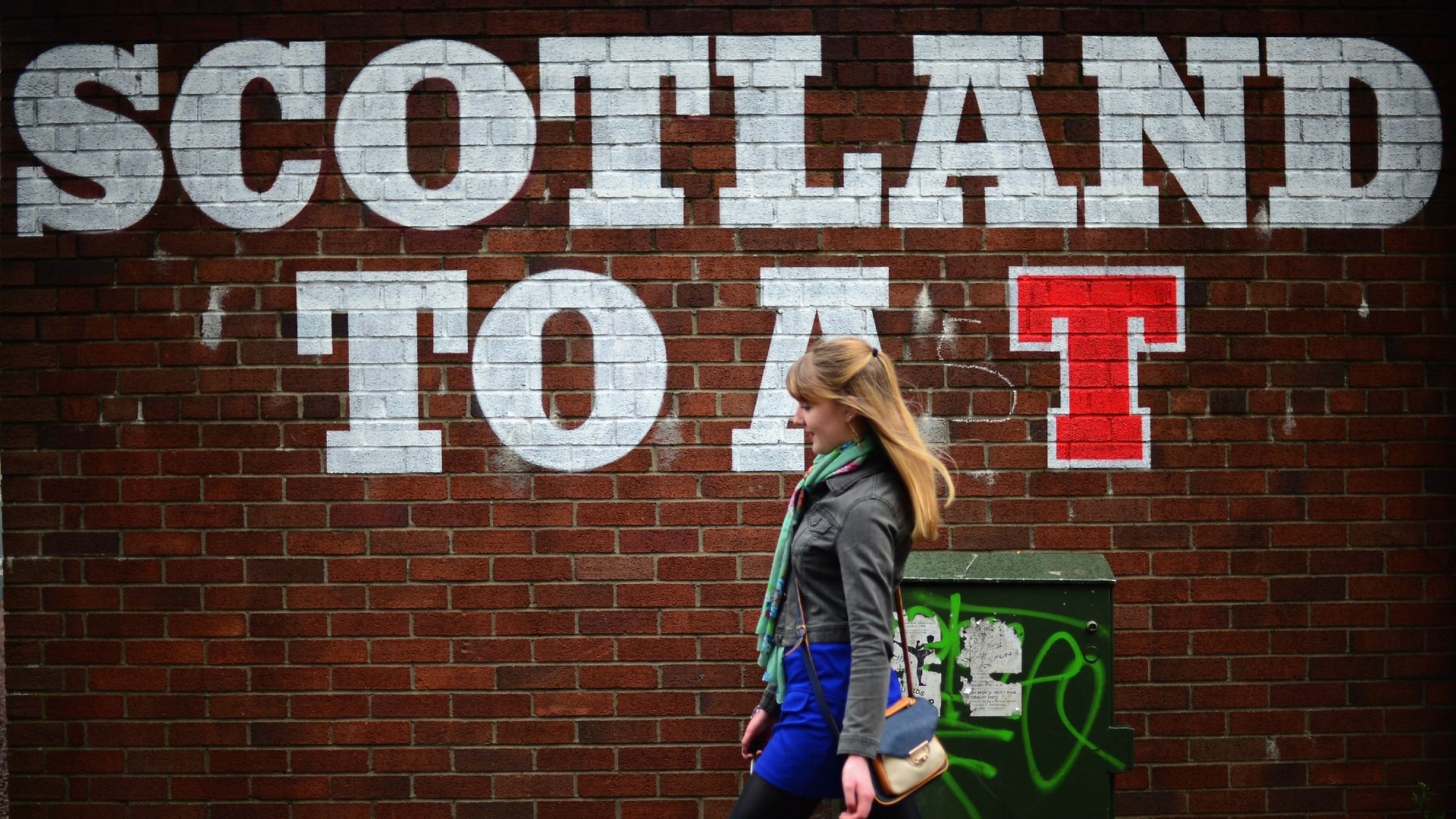
    The UK government has rejected a call from Scotland’s devolved parliament for a new Scottish independence referendum.  MSPs voted 72-55 in favour of being able to call another ballot, 12 years after the last one failed, but Downing Street said there was no UK-wide consensus for another vote.

    Not a ‘potent issue’
    When BBC Scotland sampled opinion with a Savanta online survey  earlier this year, 47% of the 2,136 Scots polled said they would vote yes to independence, while 44% said they would vote no, with 8% undecided. Although just a “snapshot”, this is “in line with the polling trend”, said BBC’s Scotland political editor Glenn Campbell. But there’s “another consideration”: only 13% of those polled ranked independence as a “top three priority” for Scotland, trailing the cost of living (62%), the NHS (50%) and the economy (31%).

    Independence remains an “important motivator for some voters”, but “it does not feel as potent an issue” as it has in the past. That said, “independence is significantly more popular” than the SNP, the main nationalist party.

    ‘SNP fights for Scotland’
    Although this week’s Holyrood vote was “largely symbolic”, said Bloomberg, “it highlights how Scotland’s constitutional future has returned to the core of British politics”. The SNP may have fallen short of an overall majority in the recent elections to the Scottish Parliament but, with the Greens, they have still “secured their largest ever pro-independence majority”.

    That the SNP secured a fifth consecutive election victory despite its “patchy record on public service delivery” and “bouts of internal warfare”, as well as the scandal of Peter Murrell’s embezzling of party funds, reflects “the independence aspirations among half the population and the sense that the SNP fights for Scotland”, said Simeon Kerr, the Financial Times’ Scotland correspondent.

    “The SNP don’t have to be good; they just have to be Scottish,” Andy Maciver of PR consultancy Message Matters told the paper. But to build support for independence above 50%, the party will need to restore faith in its competence. The prospect of Reform UK’s Nigel Farage in No. 10 could help. “They need people to run away from the rain in Westminster and towards the sun in Holyrood.”


    Good day 🎾

    … for grand returns, with Serena Williams in talks to make a competitive comeback to tennis at Queen’s Club, four years after retiring. According to reports, the 23-time Grand Slam singles champion has requested a doubles wild card to play alongside 19-year-old Canadian Victoria Mboko at next month’s WTA 500 event in London.


    Bad day 🚗

    … for joined-up thinking, amid reports that Birmingham City Council has paid itself £470,000 in daily charges and fines because its vehicles break the rules of its Clean Air Zone policy. Despite a year-long bin strike in the city, most of the council vehicles facing daily charges were from the waste department. 


    PICTURE OF THE DAY

    Moment in the Sun

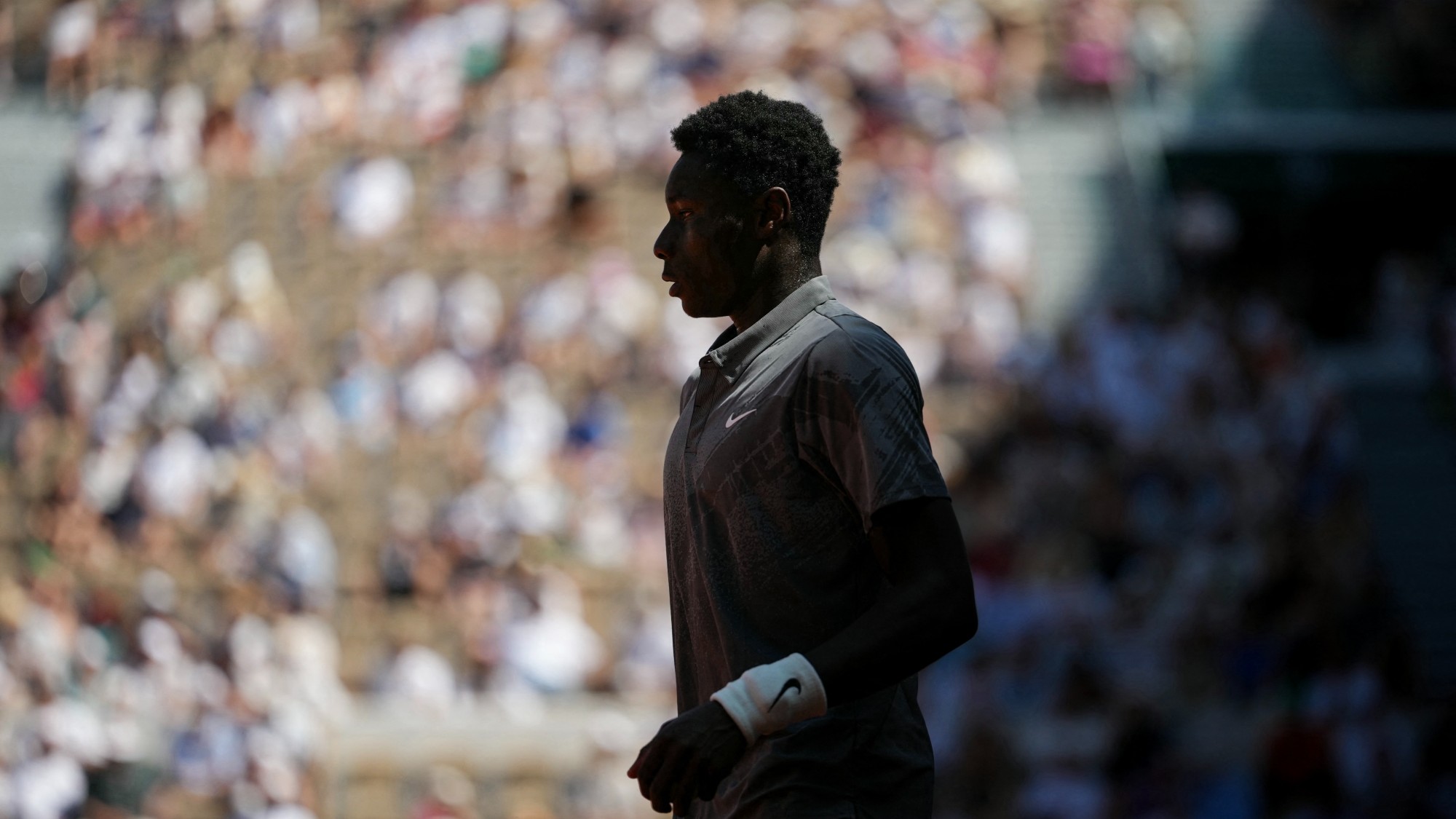
    France’s Moïse Kouamé pauses during a sweltering five-hour match at the French Open. The 17-year-old beat Paraguay’s Adolfo Daniel Vallejo in five sets, becoming the youngest man to reach the third round of a major tournament since Rafael Nadal at Wimbledon in 2003. 

    Dimitar Dilkoff / AFP / Getty Images


    Puzzles

    Chain Word

    Try The Week’s new daily word challenge in our puzzles and quizzes section

    Play here


    THE WEEK RECOMMENDS

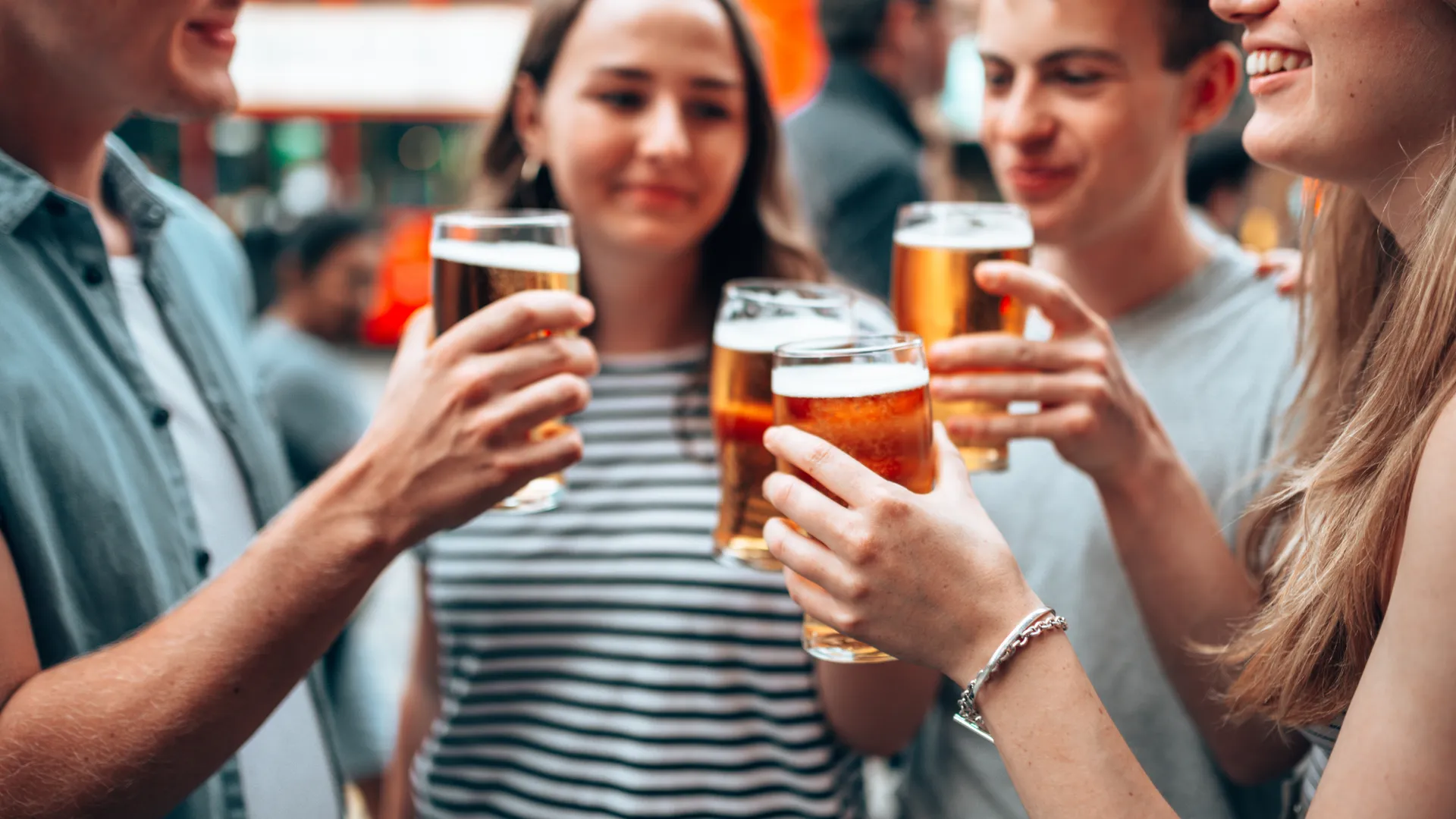
    UK beer festivals worth travelling for

    Many of us have a favourite neighbourhood pub, but visiting a beer festival offers an entirely different experience. These events are spread across the UK and feature an array of pints to discover and enjoy. Here are a few of this year’s best beer festivals.

    St George’s Hall Beer Festival, Liverpool
    This four-day event promises a long list of “real ales, craft beers, continental lagers” and a “specialist gin and rum bar”, said the Liverpool Echo. “With a line-up that blends respected national breweries with some of the most exciting local names in the region”, beer fans will be spoilt for choice.

    Chelmsford Beer and Cider Festival
    Enjoy a “refreshing pint” in Chelmsford’s “largest beer garden”, said Chelmsford City Life. Taking place in Admirals Park, the festival will feature a wide range of “ready to enjoy” beers and ciders.

    Bristol Craft Beer Festival
    Lloyds Amphitheatre, in the “heart of Bristol”, is the venue for a festival that gives the “craft beer revolution” a platform to promote local brewing communities, said The Drinks Business. More than 300 beers will be available to try, along with cocktails, ciders, wine and a range of curated food options.

    London Craft Beer Festival
    Whether your drink of choice is “a funky sour, cheeky saison or a fruity IPA”, London’s “biggest beer celebration” has something for you, said Time Out. The event takes place in Southwark Park over two days and “promises four-hour sessions of non-stop-beer-drinking bliss”. More than 800 brews will be on offer, including “London’s best beers as well as some international standouts”. 


    Statistic of the day

    1.25 million: The number of young people likely to be out of work or education by the early 2030s without urgent action, according to a landmark report. Former Labour health secretary Alan Milburn warns that young people are being failed by employers and the government amid a sharp decline in entry-level jobs and opportunities in hospitality, leisure and retail. 


    instant opinion

    Today’s best commentary

    Grooming gangs are still getting away with it – we Muslims must speak out
    Yasmin Alibhai-Brown in The i Paper
    “Men of all backgrounds and ages rape girls, women, boys and other men,” writes Yasmin Alibhai-Brown. As an Asian, Muslim feminist, I “condemn all predators, brown, white and black”, including “the grotesque sexual abuse networks of mostly British-Pakistani men” in some English towns. Many Muslims “now accept that their silence” on grooming gangs “failed the victims” and fomented racism. “Blaming all of us for these crimes is totally unfair. But life is unfair.” We need justice to be delivered.

    I grieve for the Israel I once admired so much
    Max Hastings in The Times
    As a young reporter in the 1970s, “I fell in love with Israel”, writes Max Hastings. But I share others’ “revulsion” about its conduct now. “Whatever case Israel may make for its right to take on Hezbollah and Hamas”, the scale of civilian casualties in Lebanon, the West Bank and Gaza is “wholly unacceptable”. In the past 50 years, “compassion and moderation have been banished from Israel’s polity”, and I mourn the “fine things which it has discarded in the process”.

    What’s the point of cheap caviar?
    Lisa Hilton in The Telegraph
    “Instagram is awash with roe,” writes Lisa Hilton. The once “intimidatingly opulent ingredient has been on the slide for some time”, and now a Michelin-starred chef is launching a £35 tin of caviar. But “making it democratic takes away” the “thrill” of splurging out on it. If the social-media “hits caviar is currently scoring are because people adore it, then hurrah, but I suspect” it’s more a “sans culotte glee in the heretical pairing of nob food with yob food”.


    word of the day

    Gigantism

    A condition characterised by excessive growth. Birds living on two of Scotland’s remotest islands are almost twice the size of their mainland cousins, according to a new study in the Evolutionary Journal of the Linnean Society. The gigantism in wrens from Shetland and St Kilda suggests “they are evolving into genetically distinct populations and, in some cases, may be on the way to becoming new species”, said The Times. 


    Evening Review was written and edited by Jamie Timson, Chas Newkey-Burden, Deeya Sonalkar, Joel Mathis, Irenie Forshaw, Helen Brown, Adrienne Wyper, David Edwards and Kari Wilkin, with illustrations from Stephen P. Kelly.

    Image credits, from top: illustration by Stephen P. Kelly / Getty Images; illustration by Stephen P. Kelly / Getty Images; Jeff J Mitchell / Getty Images; Dimitar Dilkoff / AFP / Getty Images; Getty Images

    Morning Report and Evening Review were named Newsletter of the Year at the Publisher Newsletter Awards 2025
     

    Recent editions

    • Evening Review

      Trump’s no-win Iran deal

    • Morning Report

      Texas Republicans gamble on Paxton

    • Evening Review

      AI IPO race heats up

    VIEW ALL
    TheWeek
    • About Us
    • Contact Future's experts
    • Terms and Conditions
    • Privacy Policy
    • Cookie Policy
    • Advertise With Us
    • FAQ
    Add as a preferred source on Google Add as a preferred source on Google

    The Week is part of Future US Inc, an international media group and leading digital publisher. Visit our corporate site.

    © Future US, Inc. Full 7th Floor, 130 West 42nd Street, New York, NY 10036.