The Week The Week
flag of US
US
flag of UK
UK
https://cdn.mos.cms.futurecdn.net/flexiimages/jacafc5zvs1692883516.jpg

SUBSCRIBE & SAVE

Less than $3 per week

Sign in
  • View Profile
  • Sign out
  • The Explainer
  • The Week Recommends
  • Newsletters
  • Cartoons
  • From the Magazine
  • The Week Junior
  • More
    • Politics
    • World News
    • Business
    • Health
    • Science
    • Food & Drink
    • Travel
    • Culture
    • History
    • Personal Finance
    • Puzzles
    • Photos
    • The Blend
    • All Categories
  • Newsletter sign up Newsletter
  • The Week Evening Review
    Burnham meets Trump, third-country deportations, and ‘knotty’ menswear

     
    TODAY’S BIG QUESTION

    What does Burnham want from Trump?

    Andy Burnham, stateside for the UN General Assembly, is meeting Donald Trump for their first in-person talks today. He is in a stronger position than Keir Starmer was as a new PM, with Trump increasingly unpopular at home and preoccupied with the Iran war and November’s midterm elections, while the UK has been busy strengthening ties with Europe and Canada. “It’s completely different this time,” one British official told Politico. “There’s no drama about having to stay in his good books.”

    What did the commentators say?
    Sucking up to Trump was the “medicine required” in 2024, a UK diplomat told Politico. Now, though, Burnham has inherited “an established relationship” with no need to lavish praise. His job is to “fix the mess of unresolved threads left behind” and “avoid a barrage of abuse on Truth Social”. He is “not expected to take a big list of deliverables or policy goals”. His aim, according to senior UK officials and MPs, is: “Get in, smile, press the case for Ukraine, and try to leave without a major upset.” 

    Officials are hopeful that he will encounter a more pro-Ukraine atmosphere in Washington, after Congress approved a sweeping Russia sanctions bill. Burnham will want to persuade the US to increase the deliveries of air-defence interceptors. But it’s unlikely that Ukraine is even in the top five of Trump’s priorities, said Daniel DePetris in The Spectator.

    Taking a more assertive approach seems to be working for Burnham so far, said Reuters. Trump “did not push back” against Burnham’s ban on imports from illegal Israeli settlements in the occupied West Bank. But Trump is a “notoriously fickle and unpredictable” man who “spreads trade tariffs like confetti”, said The i Paper. Burnham will have to avoid the “minefield” of some of Trump’s “fixations”, such as defence spending and drilling for North Sea oil.

    What next?
    Even if Trump and Burnham hit it off, the meeting itself “isn’t the most important” thing, said DePetris in The Spectator. “What truly matters is the follow-through.”


    THE EXPLAINER

    Donald Trump’s third-country deportations

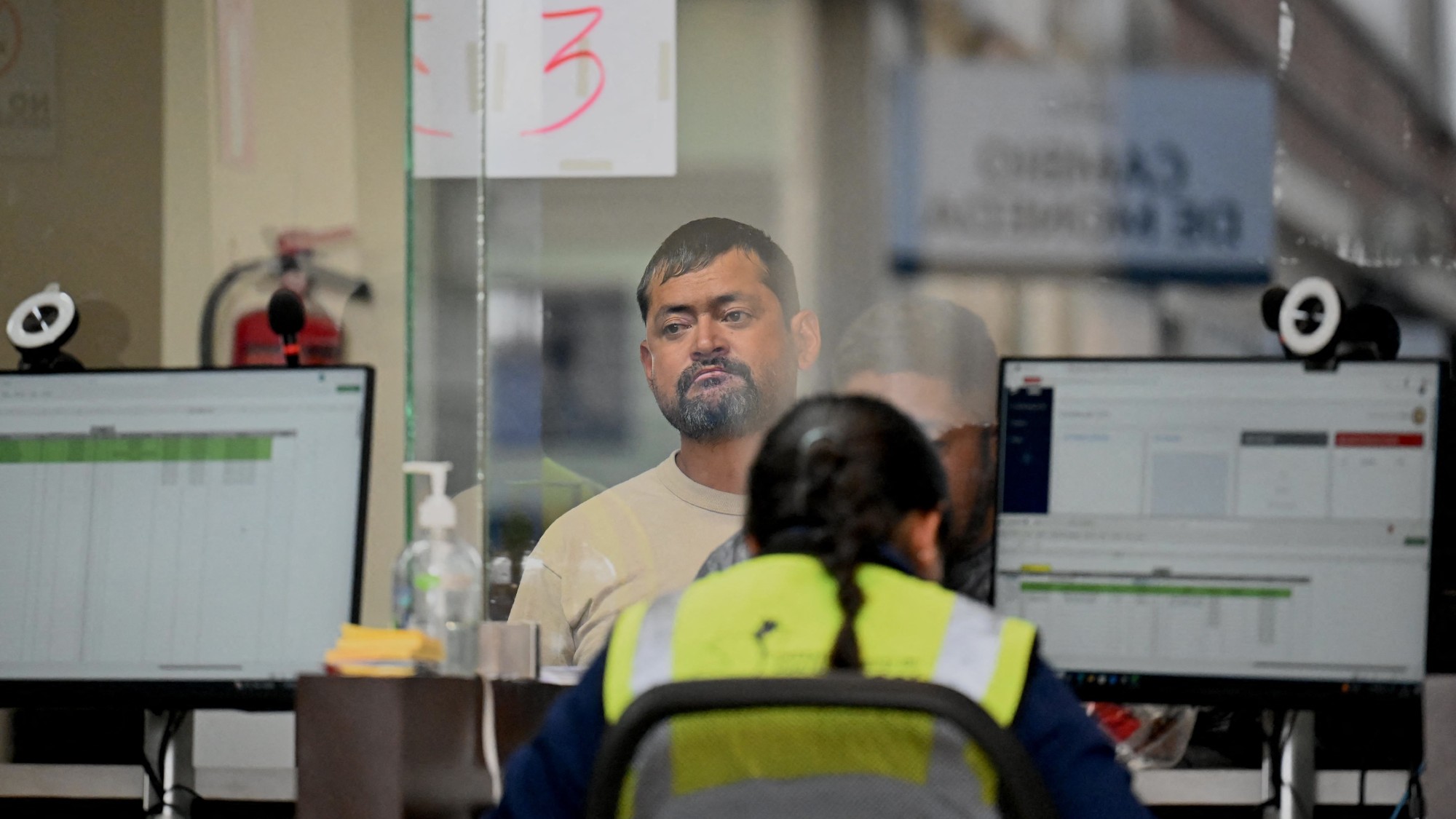
    A US federal appeals court has ruled that Donald Trump’s policy of deporting migrants to third countries is unlawful, setting up a potential showdown in the Supreme Court. This has become “a key test of what due-process protections the government must provide before removing people to countries with which they have no connection”, said Reuters.

    How many people have been deported?
    More than 25,000 migrants, refugees and asylum seekers have been deported to countries that are not their own since Trump returned to office in late January 2025. The Deportation Project, led by a collection of media organisations, has identified 35 countries where the US has secured agreements to receive third-country deportees. The majority of those deported so far – around 20,000 – were transported to Mexico, while others have been flown to Latin America, Africa, central Asia and the Caribbean.

    Why is it happening?
    Third-country deportations represent a solution in cases where a deportee’s home country refuses to accept them or where it would be illegal to send them back to a country where they are likely to be persecuted. Many of those deported to third countries had previously been granted a “withholding of removal” in recognition of the danger they could face if returned to their home country. However, third countries often go on to deport such arrivals to “the very place they fled”, said The Guardian.

    The US Department of Homeland Security says third-country deportations are part of a wider strategy that prioritises the swift removal of criminals. The agency said there were serious violent and sexual offenders among the more than 330 deportees sent to third counties in Africa. However, “many of them had already served their sentences”, said Politico, while “others had merely violated immigration regulations or had unsuccessfully applied for asylum”.

    What is the future for these deportations?
    The federal appeals court judges unanimously agreed with a previous ruling that the Trump administration’s third-country removals policy fails to give people enough notice of the decision to deport them, or the chance to legally contest their removal. The government has 90 days to appeal; if it does, the case would go to the Supreme Court for a final decision. In the meantime, the policy will continue.


    QUOTE OF THE DAY

    “The fault-lines in our world are widening. Cracks have become canyons.”

    Outgoing UN Secretary-General António Guterres urges world leaders attending the UN General Assembly today to cooperate and “build a future that works for everyone”.


    Poll watch

    The Tories have levelled up with Reform in a poll for the first time in 18 months. Both parties scored 21% support in a YouGov survey of 2,286 voters for The Times. Labour had a narrow lead, on 23%.


    talking point

    Is the tie dead?

    The House of Lords has “long been derided as a stuffy relic of the past” but its dress code is moving towards the modern era, said Sammy Gecsoyler in The Guardian: men are no longer required to wear a tie in the chamber.  This “knotty item” of menswear, a one-time staple of professional dress, had already been dealt a blow in the Covid era. Now some say it could be facing a definitive end.

    ‘Feigning at maturity’
    The updated House of Lords rule book, signed off by peers last week, states that members are expected to wear “business attire” when debating or voting, but can decide whether or not to wear a tie. “The news does seem to place another nail into the coffin of the necktie,” said Joseph Bullmore in The Sunday Times. “The tie used to be what the boss wore – the symbol of power” – but now it’s “almost solely” a gesture of subservience or service: “the graduate at the job interview, feigning at maturity; the doting waiter at the Mayfair members’ club”. 

    Sales of ties have decreased by 7.5% year-on-year over the past five years, according to the Observatory of Economic Complexity, although second-hand clothing platform Depop reported a 42% rise in searches for ties in the six months to February.

    ‘Sign of rebellion’
    “I don’t think ties are completely dead; they’re just having a down moment,” Guy Hills, owner of London clothing shop Dashing Tweed, told The Guardian. For a younger generation “more interested in sustainability and proper clothing”, the tie is ripe for a comeback.

    Older generations saw the tie as an “office relic”, said Shane C. Kurup in Country & Town House. They traded it in for the freedom of “open collars and elevated loungewear” but, for younger people, it has become “a sign of rebellion”. Dior, Hermès, and Saint Laurent all featured neckties in their Spring 2026 collections. Inspired by the experimental styles of celebrity aficionados like Harry Styles, ties with “regimental stripes, natty foulards and 80s abstract-print silks” are “being worn excessively long, a touch short, layered up, undone, tucked in or backwards”. 


    Good day 🖋️

    … for J.R.R. Tolkien, who will be honoured with a memorial in Westminster Abbey’s Poets’ Corner. Featuring ornate imagery of a tree, inlaid on a pillar next to the plaque for Tolkien’s old friend and fellow author C.S. Lewis, it will be unveiled to mark the 90th anniversary of “The Hobbit” next spring.


    Bad day☕

    … for tea prices, as Kenyan farmers say climate change is hitting their yields. Wetter conditions in traditionally dry months and hotter temperatures in warmer months have led to lower production, and a subsequent rise in the cost of a cuppa.


    PICTURE OF THE DAY

    ‘Eye-to-Eye’

    A short-eared owl flies over the salt marshes of British Columbia’s Fraser River Delta in a photograph snapped by Ivan Sjögren. The Swedish photographer has won the gold award in the Birds in Flight category of the Bird Photographer of the Year competition.

    © Ivan Sjögren / Bird Photographer of the Year


    Puzzles

    Chain Word

    Try The Week’s daily word challenge in our puzzles and quizzes section, which also includes sudoku and Guess the Number

    Play here


    THE WEEK RECOMMENDS

    Top shoulder-season getaways

    More and more of us are choosing to travel in the “shoulder season” months of May or September, either side of peak holiday season and its crowds and soaring temperatures.

    Most of Europe’s “classic beach destinations” are more affordable in September when the kids go back to school, said The Times. “But beware the weather.” While places like Faro in Portugal’s Algarve are still warm come autumn, the Atlantic Ocean can be “bracing”. If it’s sun you’re after, the further south you go, “the better”.

    For “reliable” autumn temperatures of around 26C, consider a trip to the Canary Islands. H10 Costa Adeje Palace in southwest Tenerife is right next to La Enramada beach, from where it’s easy to set out on “nice walks that spiral around the coast”.

    If you love history, a trip to Greece is a good pick. There’s “more room to breathe” than in summer, with shorter queues for the top archaeological sites; you’ll be able to “relish the hike up to the Parthenon without melting in the heat”, said Condé Nast Traveller. A road trip that “traces the coast of the rugged and mountainous Peloponnese peninsula” is a great way to explore – even though it might be too chilly to take a dip.

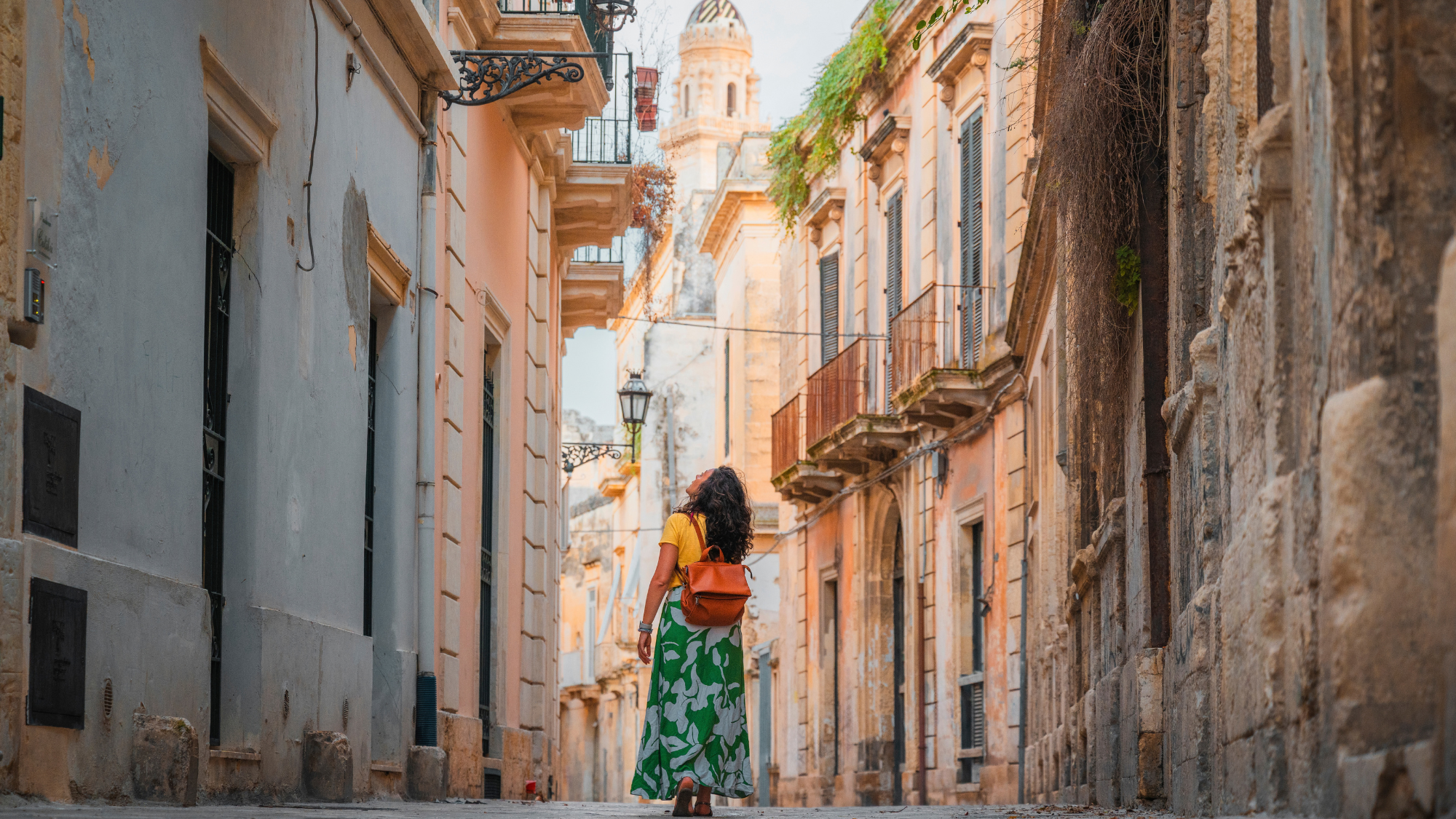
    The coastal towns of Puglia (pictured above) are another excellent option, said The Independent. Outdoor enthusiasts won’t go wrong with a five-day, self-guided walk with Ramble Worldwide. Soak up the views from shoreside “beauties” as you weave your way from Otranto to Lecce, “stopping for refreshing swims” while your luggage is taken ahead to your accommodation.


    Statistic of the day

    4.27 seconds: The time it took a six-year-old girl from China to solve a 3x3x3 Rubik’s Cube, breaking the women’s world record. Lian Yunzhi, who practises for up to three hours a day, is now the only female cuber with an average solve time of under 4.5 seconds.


    instant opinion

    Today’s best commentary

    Britain needs cash and everyone knows we should break the pensions triple lock. Where is the courage?
    Gaby Hinsliff in The Guardian
    “There’s an obvious place to find the money” for public-spending promises but “nobody wants” to say so out loud, writes Gaby Hinsliff. There is “a deferential silence” shrouding the pension triple lock, even though it’s on course to swallow more than £15 billion a year. Breaking it is “a no brainer” but “fear of a pensioner backlash is distorting” good sense. We need some “generational fairness” and yet, “it seems, that’s just a little too much reality to bear”. 

    It’s Trump’s world, and he’s accelerating its chaos
    Stephen Collinson on CNN
    Everything is “spinning out of control”, writes Stephen Collinson, and, “remarkably”, America is “now an agent” of this “global volatility”. “Trust in an increasingly feral US is disappearing” as its president “attacks allies and befriends tyrants”. Donald Trump has “revived imperialism” as a foreign policy but he’s now “mired in a Middle East war he can’t win or leave”. His “volatile temperament” will “squander US power for years to come” and make the “fierce confluence of global challenges more extreme”.

    Thomas Tuchel left with sense that England are becoming less of a priority again
    Jason Burt in The Telegraph
    “So much for the ‘brotherhood’” of England’s footballers, writes Jason Burt. Five players have pulled out of the current squad. “Load management” is cited: the “potential for breaking down injured” if you play too often. Manager Thomas Tuchel “cannot be happy at all”. Losing 20% of his squad will “raise suspicions” about his relationship with players – “and the commitment of players to him”. Is England “returning to the days” when club “came first and country was a distant second”?


    word of the day

    Aufguss

    German for “pouring over”, this theatrical sauna ritual is conducted by an “Aufgussmeister” who tips water on hot stones and circulates the steam with towels. The audience is treated to “an immersive experience of music, scent, movement and steam”, said Vanity Fair. Competitive Aufguss championships are spreading around the world, with judges scrutinising “towel choreography, heat distribution and storytelling”.


    Evening Review was written and edited by Hollie Clemence, Rebecca Messina, Harriet Marsden, Chas Newkey-Burden, Irenie Forshaw, Natalie Holmes, Erica Jones and Helen Brown, with illustrations from Stephen P. Kelly.

    Image credits, from top: illustration by Stephen P. Kelly / Getty Images; Johan Ordonez / AFP / Getty Images; JMEnternational / Getty Images; © Ivan Sjögren / Bird Photographer of the Year; Marco Bottigelli / Getty
     

    Recent editions

    • Evening Review

      Are Republicans losing Latinos?

    • Morning Report

      ICE shooting shakes Austin

    • Sunday Shortlist

      The century's greatest novel so far?

    VIEW ALL
    TheWeek
    • About Us
    • Contact Future's experts
    • Terms and Conditions
    • Privacy Policy
    • Cookie Policy
    • Advertise With Us
    • FAQ
    Add as a preferred source on Google Add as a preferred source on Google

    The Week is part of Future US Inc, an international media group and leading digital publisher. Visit our corporate site.

    © Future US, Inc. Full 7th Floor, 130 West 42nd Street, New York, NY 10036.