The Week The Week
flag of US
US
flag of UK
UK
https://cdn.mos.cms.futurecdn.net/flexiimages/jacafc5zvs1692883516.jpg

SUBSCRIBE & SAVE

Less than $3 per week

Sign in
  • View Profile
  • Sign out
  • The Explainer
  • The Week Recommends
  • Newsletters
  • Cartoons
  • From the Magazine
  • The Week Junior
  • More
    • Politics
    • World News
    • Business
    • Health
    • Science
    • Food & Drink
    • Travel
    • Culture
    • History
    • Personal Finance
    • Puzzles
    • Photos
    • The Blend
    • All Categories
  • Newsletter sign up Newsletter
  • The Week Evening Review
    Hopeful Healey, a new legal route for refugees, and North Korean prisoners

     
    TODAY’S BIG QUESTION

    What does Labour’s ‘hope’ agenda mean for the Budget?

    The word “hope” featured 21 times in Chancellor John Healey’s speech to the Labour Party conference in Liverpool, said Tom Peck in The Times. And maybe Labour MPs were “hoping, specifically, that they will not all be out of a job again in a couple of years’ time”.

    During his hour-long speech, Healey recommitted the government to the fiscal rules set out in 2024 and then promised “a new age of industrialisation” and more jobs for young people. But with the Budget less than a month away, he gave few indications of when, and how, these promises will be realised.

    What did the commentators say?
    It would have been easy for Healey to “slip from hope into hype”, said The Independent’s editorial board. Instead, he exercised caution. Despite the “spring in their step”, conference attendees were “under no illusion that the room was squeezed by the elephants in it”. Compared with the era of Tony Blair and Gordon Brown, the money “is simply not there now”, Healey said, but he made it clear that he’s “playing hardball with what he’s been given”.

    The chancellor “is in the uncomfortable position of a man who has just stepped into a lift in which someone else has recently farted”, said Will Dunn in The New Statesman. The air is thick with the “noxious” emissions of Donald Trump and his “cack-handed” war in Iran. That alone could cost the UK £28.5 billion in lost economic growth. And borrowing costs – another thing over which Healey had “essentially no control” – are at their highest level since 1998.

    “With a Budget just weeks away, few policy announcements were expected but this was thin gruel indeed,” said The Telegraph. Healey called for increased growth, “yet everything this government has done has made life more difficult for businesses and entrepreneurs”.

    What next?
    This was the “easy bit” for Healey, said Ben Zaranko in The Observer. Soon we’ll see whether he uses the coming Budget to announce “far-reaching reforms” or delay “the biggest and toughest decisions” until later. For now, he is betting that his “hopeful tone can survive rising borrowing costs, disruption to energy supplies, and all manner of painful financial trade-offs”. All will be revealed on 28 October.


    THE EXPLAINER

    Shabana Mahmood’s new legal route for refugees

    The home secretary has confirmed a new “safe and legal” route for refugees to reach Britain. As she announced the re-opening of the UK Resettlement Scheme, two years after it was effectively suspended, Shabana Mahmood also signalled that she was prepared to water down some of her more stringent planned migration reforms, following a Labour backlash. The government is seeking “a position that balances fairness for those who came here legally, and fairness to British citizens across this country”, she told the Labour conference.

    What is the new legal migration route?
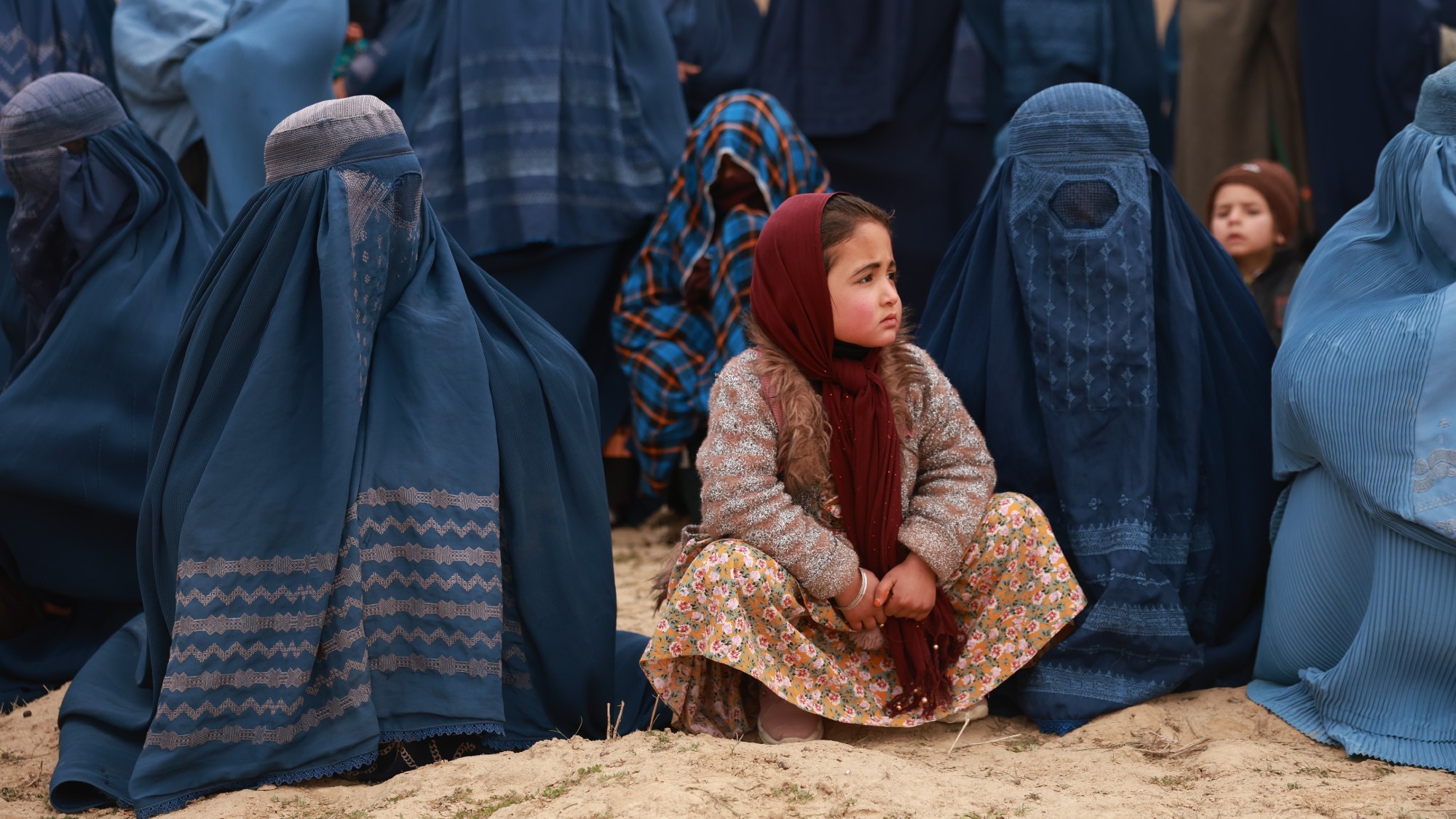
    About one in four arrivals admitted under the reopened scheme are expected to be Afghan women and girls or Palestinian refugees. Admissions will initially be capped, expected to be in the hundreds, and “grow into the low thousands as levels of illegal migration fall”, said the Home Office. Eligible candidates will be identified in partnership with the UN Refugee Agency and the International Refugee Assistance Project, and will undergo security and criminality checks before travelling to the UK.

    New arrivals will be placed on a five-year path to permanent settlement. This is “more generous” than for “those who arrive by small boat or other illegal means”, the Home Office said, and is intended to “disincentivise illegal routes”.

    Mahmood had announced plans to increase the timeline for permanent residence for legal migrants from five years to up to 15 years. The changes would apply retrospectively to migrants who arrived in Britain after 2021. But she has now signalled a rethink after Angela Rayner and up to 100 Labour MPs petitioned Mahmood to exclude around 185,000 foreign-born care workers from the stricter rules.

    What other legal routes exist?
    The Mandate Scheme caters for vulnerable refugees referred by the UN Refugee Agency if they have a close family member in the UK who is willing to accommodate them. Community Sponsorship allows groups of local citizens, charities and faith organisations to directly welcome, house and support resettled refugee families. Both schemes have operated at “limited capacity” in recent years, according to the Home Office.

    Since 2020, bespoke schemes have accounted for the vast majority of those who have arrived in the UK through safe and legal routes. Almost half of the 575,000 arrivals have been Ukrainians, followed by Hong Kong citizens (186,000).


    QUOTE OF THE DAY

    “You’ve gotten used to this ascetic lifestyle, and now there are sights and sounds and disorder and things to decide.” 

    Journalist Evan Gershkovich tells The Times about his struggles to readjust following 16 months in a Russian prison on disputed espionage charges. The Wall Street Journal reporter, freed in a 2024 prisoner swap, chronicles his ordeal in his book “This Cursed Beautiful Land”, out today. 


    Poll watch

    Nearly a third (32%) of Labour members think the government should reduce spending on pensions, according to a YouGov poll for Sky News and iNHouse Communications. Of 781 party members surveyed, 25% said overseas aid should be among the top three areas targeted for cuts, while 23% said welfare benefits.


    IN THE SPOTLIGHT

    The row over Ukraine’s North Korea prisoners

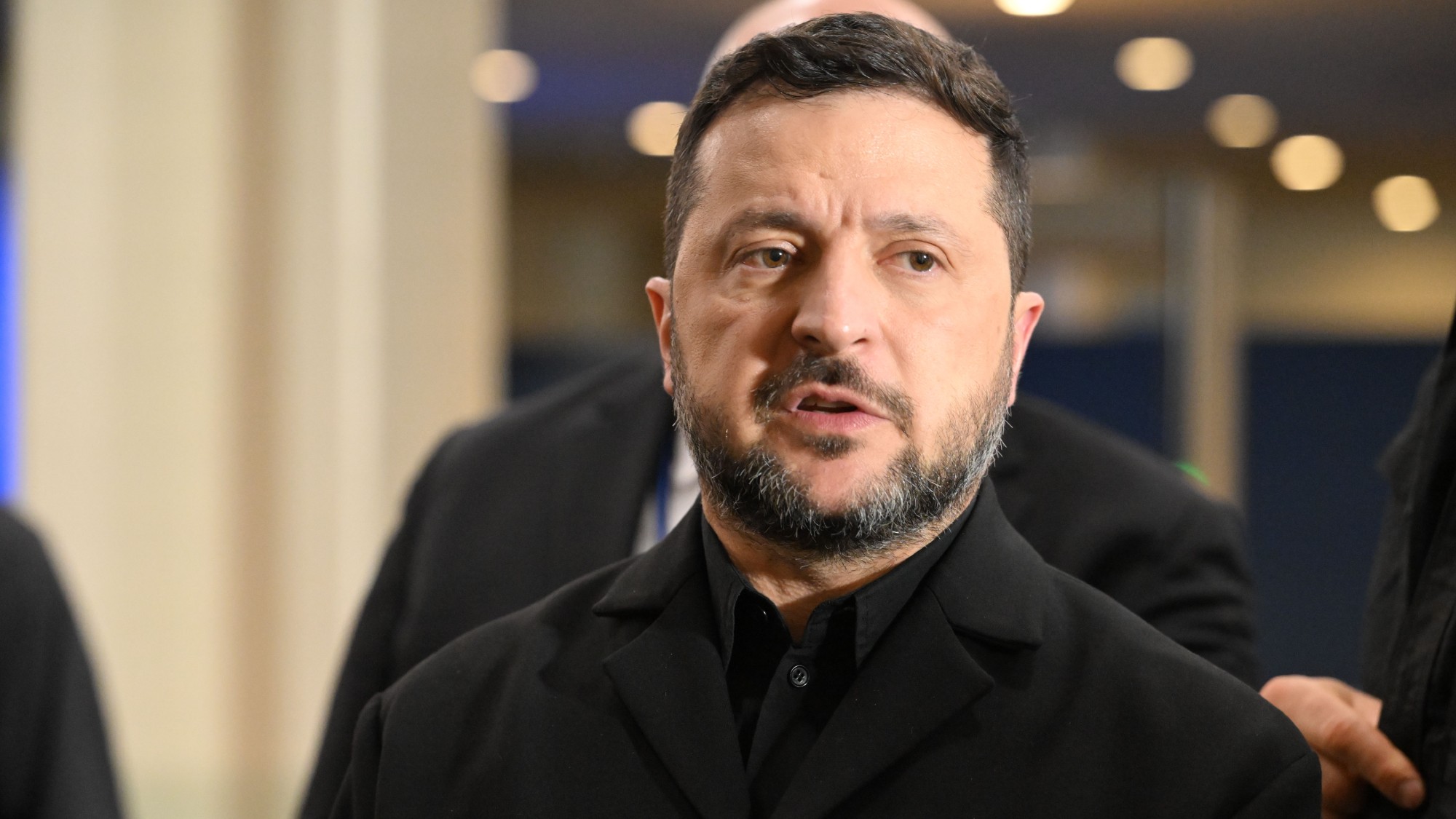
    An “extraordinary diplomatic row” has erupted between South Korea and Ukraine over the fate of two North Korean prisoners of war, said the Financial Times. Volodymyr Zelenskyy revealed at last week’s UN General Assembly that Ukraine had transferred the men, who were captured while fighting for Russia, to South Korea. Seoul has since demanded an official apology, accusing the Ukrainian president of violating a secrecy agreement about the transfer, which was arranged to ensure the prisoners’ safety from reprisals. But Kyiv has denied that such a confidentiality agreement existed, creating both international and domestic drama for President Lee Jae-myung.

    The journey to South Korea
    The two prisoners, who were reportedly wounded and captured in Russia’s Kursk region in early 2025, are among tens of thousands of North Korean soldiers sent to fight for Russia against Ukraine. They told local media that they “wanted to be sent to South Korea”, said BBC News. Seoul’s policy is to accept and support defectors from North Korea; more than 34,000 have arrived since the end of the Korean War, although the majority are female civilians rather than soldiers.

    Following negotiations between Seoul and Kyiv, the soldiers reportedly arrived in South Korea via a third country this month. Seoul claims Ukraine requested secrecy to avoid domestic criticism for passing up the opportunity to exchange the North Koreans for Ukrainian prisoners held in Russia. South Korea agreed in order to protect the soldiers and their families from reprisals by the North Korean regime, President Lee said.

    Question of welfare
    In North Korea, the families of defectors can face “collective punishment such as internment or forced labour”, said the FT. Ukraine has “done a lot of damage to the welfare of these soldiers and their families”, said Peter Ward at the Sejong Institute. “The South Korean media should probably never have been granted access to them. Ideally, their capture should have been kept permanently secret.”

    The row highlights South Korea’s ambiguous position on Ukraine and creates a headache for Lee. After Russia launched its full-scale invasion, Seoul condemned Moscow and joined Western sanctions against Russia. In July, it announced a $100 million support package for Kyiv. But this clash has turned “cautious support for Kyiv into open criticism” of aid, said The Guardian.


    Good day 💿

    … Stevie Wonder fans, as the best-selling musician debuts four previously unheard songs from his “Songs in the Key of Life” recording session. A new EP featuring the new tracks has been released to celebrate the 50th anniversary of his Grammy-winning album.


    Bad day🏡

    … for mortgages, with demand at a 32-month low, according to newly published Bank of England data. Only 54,918 loans for new home purchases were approved in August, as higher borrowing costs and inflation triggered by the Iran war put off prospective buyers.


    PICTURE OF THE DAY

    Burning faith

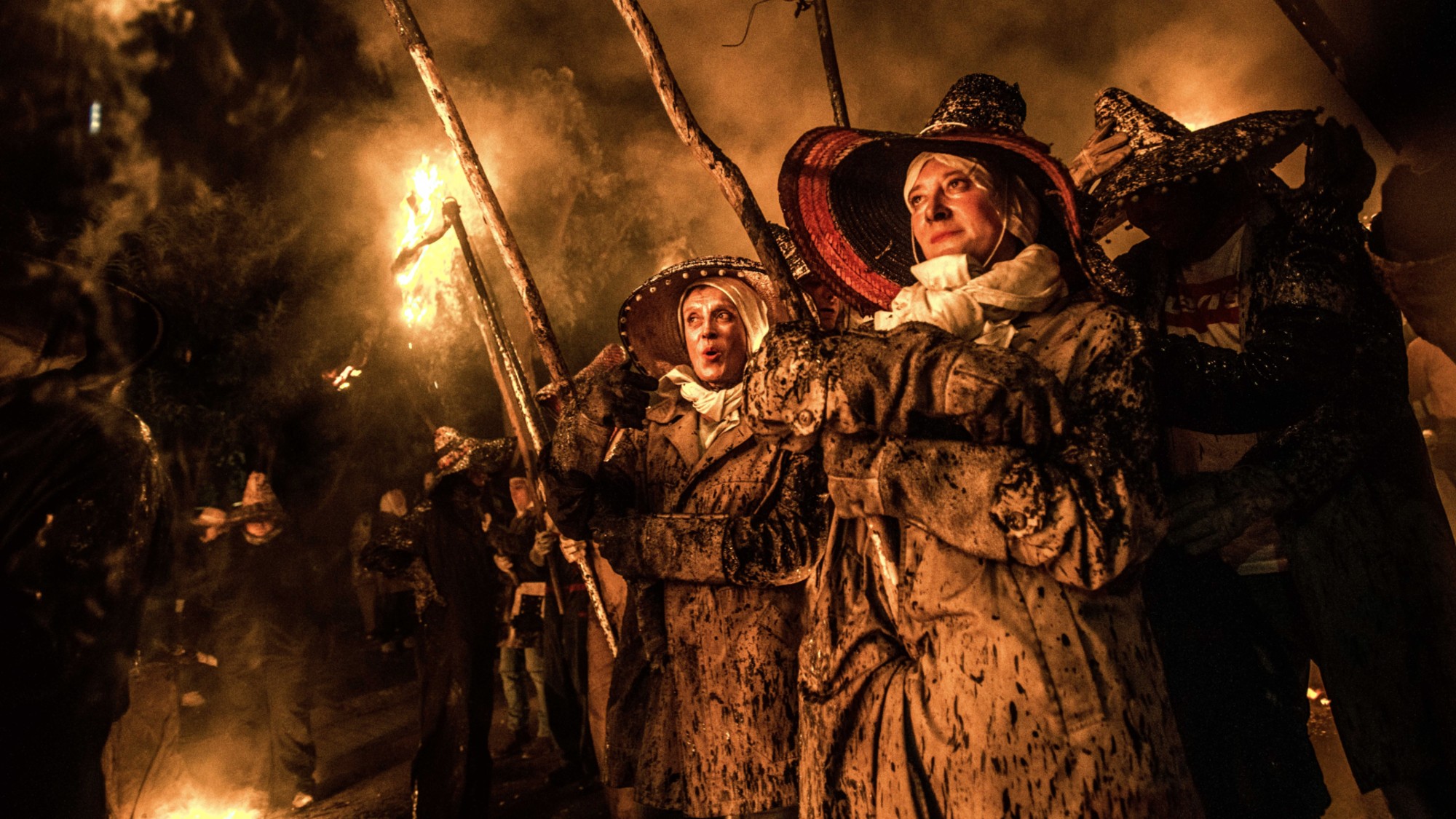
    Residents in traditional protective attire carry flaming goat skins through the streets of Mayorga during the Spanish town’s annual Feast of El Vítor. The centuries-old fire festival honours Saint Turibius de Mogrovejo, a 16th-century bishop who was born there.

    Matthias Oesterle / Shutterstock


    Puzzles

    Chain Word

    Try The Week’s daily word challenge in our puzzles and quizzes section, which also includes sudoku and Guess the Number

    Play here


    THE WEEK RECOMMENDS

    The best film museums to visit around the world

    The film industry has a global footprint, with fascinating museums worldwide where you can learn all about what it takes to make your favourite movies. Here are some of the best.

    Lucus Museum of Narrative Art, Los Angeles, US
    This new museum, created by Star Wars filmmaker George Lucas, gets “five out of five (death) stars from me”, said Kinvara Balfour in The Telegraph. There are more than 40,000 exhibits, including a digital Sistine Chapel, silent films, archive material and, of course, plenty of Star Wars and Indiana Jones costumes, props and vehicles. You can also venture beyond film to see art from Banksy, Norman Rockwell and Diego Rivera. It’s a “once-in-a-century kind of a public offering”.

    Sound of Music Museum, Salzburg, Austria
    For fans of the cult 1965 film who wish to “start at the very beginning”, this new Austrian museum “could be a very good place to start”, said Joshua Thurston in The Times. The exhibitions celebrate both the sing-along classic and the story of the real-life Von Trapp family, who fled the Nazis in 1938. In the 17th-century Hellbrunn Palace, “where many scenes from the film were shot”, you can see “nearly 450 objects, including props, costumes and recordings of the music”.

    Ghibli Museum, Tokyo, Japan
    Even if you haven’t seen “My Neighbour Totoro” or “Spirited Away”, a tour of this museum dedicated to Studio Ghibli’s work will leave you “mesmerised”, said Gregory Wakeman in Smithsonian Magazine. It’s a “children’s, technology and fine arts museum all rolled into one”, and a love letter to animation. Superfans can also take a trip to Ghibli Park, four hours south of Tokyo, which “brings to life” many of the settings of Ghibli movies.


    Statistic of the day

    11 million: How many Oasis fans registered to try to get tickets to the band’s 2027 tour, according to The Sun. The two million tickets available for Noel and Liam Gallagher’s 42 concerts across the UK, Ireland, Europe and the US sold out on Sunday. 


    instant opinion

    Today’s best commentary

    British railways are a special kind of torture
    Victoria Richards in The Independent
    The impending nationalisation of Avanti West Coast services can’t “come soon enough”, writes Victoria Richards. On Sunday, my six-hour Avanti journey to Cumbria doubled to 12 hours because of “delays, road works”, a security check and “the simple fact that it was Sunday” – and that was before we were all chucked off at Lancaster. “‘Britain is broken’ might be an irritating maxim co-opted” by the right to “denounce immigration”, but “when it comes to our railways, it’s actually true”.

    There Is a Word So Powerful It Need Be Spoken Only Once
    M. Gessen in The New York Times
    In the documentary film “NAZA”, Israeli soldiers calmly explain how they “identify human targets” in Gaza, writes M. Gessen, and how many “civilians it’s permissible to kill alongside” them. Only one soldier speaks the word “genocide”; the rest repeatedly use the “similarly contested” term “terrorist” to describe the targets flagged to them by their AI surveillance systems. The “unspoken but unmissable” message “is that this definition applies to the actions of the Israeli military and to the state it serves”.

    Play School is back – and with it the promise of TV I’m actually happy for my toddler to watch
    Natalie Morris in The Guardian
    I’m one of “a growing number of parents who almost exclusively choose 90s TV for their children”, writes Natalie Morris. Studies show that the “choppy editing, vivid colours and dizzyingly repetitive soundtracks” of modern children’s TV may affect attention, memory, self-control and flexible thinking. “So the news that ‘Play School’ is returning” to our screens after a 38-year break “is so welcome”. Parents need an alternative to a “children’s media ecosystem that appears to prioritise engagement retention over development”.


    word of the day

    Jishin

    Meaning “true watcher” in Japanese, a Buddhist monk who cares for the tomb of the Tendai sect’s founder, Saicho. Sogaku Taguchi, a 31-year-old chief monk, this month became the 118th jishin since 1699 after entering the mausoleum at Enryakuji Temple on Mount Hiei. He will remain completely isolated for 12 years while following a strict daily schedule of spiritual practice. 


    Evening Review was written and edited by Hollie Clemence, Rebecca Messina, Will Barker, Chas Newkey-Burden, Harriet Marsden, Irenie Forshaw, Helen Brown, Natalie Holmes and Kari Wilkin, with illustrations from Julia Wytrazek.

    Image credits, from top: illustration by Julia Wytrazek / Shutterstock; Waheedullah Jahesh / Shutterstock; Kyle Mazza / Pool / CNP / Shutterstock; Matthias Oesterle / Shutterstock; Mario Tama / Getty Images
     

    Recent editions

    • Evening Review

      Russia steps up ‘shadow war’ with Europe

    • Morning Report

      UK foils suspected plot to bomb US base

    • Sunday Shortlist

      Robert Pattinson’s TV justice

    VIEW ALL
    TheWeek
    • About Us
    • Contact Future's experts
    • Terms and Conditions
    • Privacy Policy
    • Cookie Policy
    • Advertise With Us
    • FAQ
    Add as a preferred source on Google Add as a preferred source on Google

    The Week is part of Future US Inc, an international media group and leading digital publisher. Visit our corporate site.

    © Future US, Inc. Full 7th Floor, 130 West 42nd Street, New York, NY 10036.