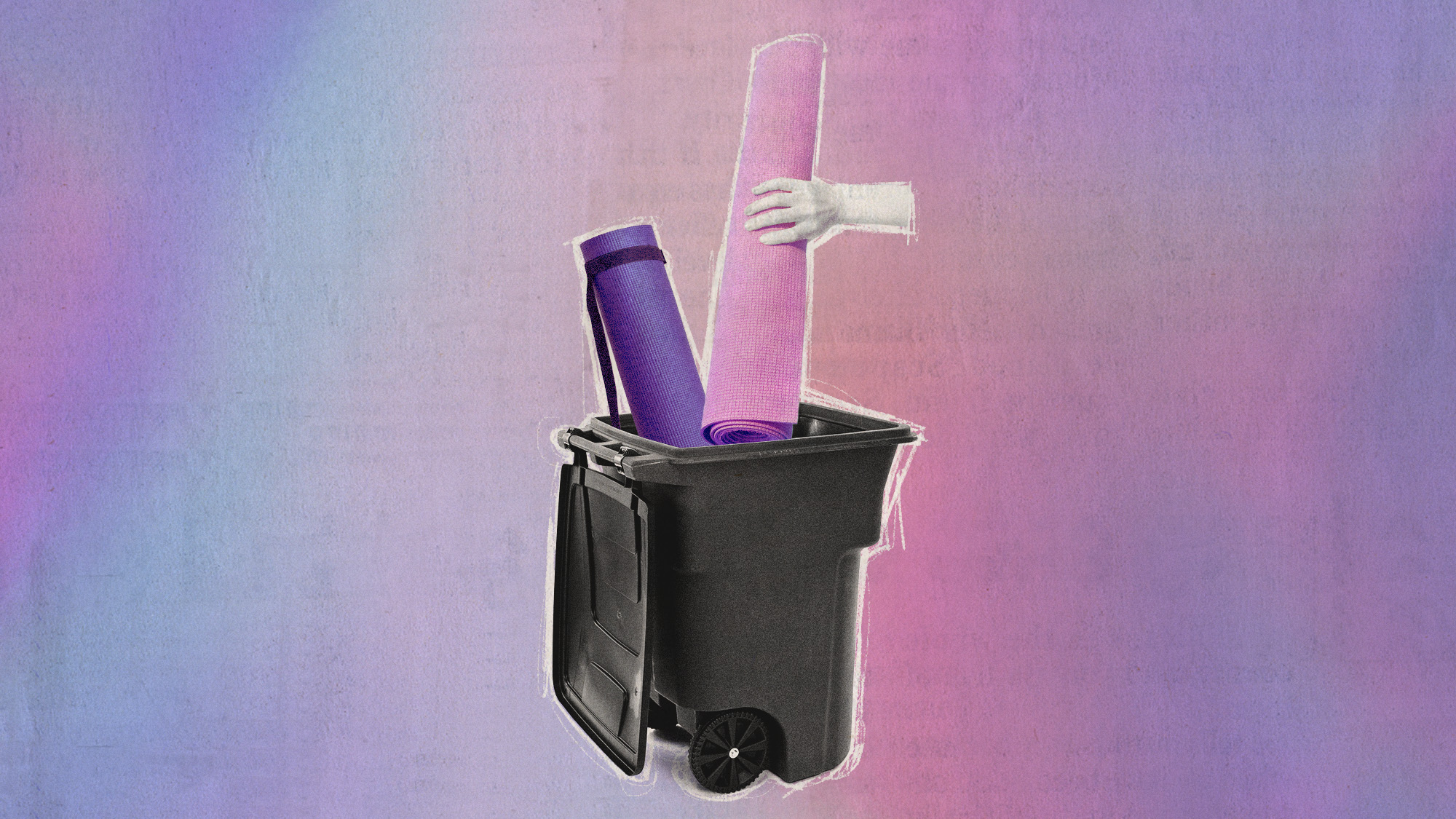
One of London’s top yoga studio chains abruptly shut down last month, leaving an estimated 100 of its teachers “blindsided” and without pay, said The Guardian. The collapse of Triyoga, once frequented by the likes of Kate Moss and Gwyneth Paltrow, is the latest signal that Brits may be falling out of love with yoga.
‘Economic headwinds’
Yoga originated in India thousands of years ago as a spiritual discipline intended to unite the mind with the body by combining physical postures with breathing techniques. It was embraced by Western hippies in the 1960s, and by the Noughties, dedicated yoga studios were popping up across the UK and US.
A “secondary boom”, propelled by the popularity of hot yoga, kept business brisk well into the 2010s, said The Telegraph. But then the coronavirus pandemic radically shifted the landscape. “When Covid shut down public life, yoga, like everything else, moved online.” City-centre yoga studios have since battled “relentless economic headwinds” amid a shift to remote working and a “growing exodus” to the suburbs and the countryside.
World of ‘fitness-maxxing’
Wellness enthusiasts “lugging oversized water bottles” are still everywhere, said The Telegraph, but their “exercise of choice is changing”. Adult participation in yoga has dropped from 4.2% of adults in 2019 to 3.8% in 2025, according to Sport England – a decline of around 115,000 people. Conversely, demand is growing for “low-cost, out-of-town gyms”.
How we choose to exercise reflects “contemporary understanding of what it means to be well”, said The Atlantic. In the Noughties, yoga tied in with our quest for “stress reduction and mindfulness”, in contrast to the intense aerobics classes that defined the 1980s and 1990s. Today, we are living in a world of “fitness-maxxing”, where inner peace has lost out to a “social-media-driven obsession” with “outward perfection” forged through intensive, strength-based training methods, such as Reformer Pilates and Hyrox.
Yoga’s sheer ubiquity may also have “triggered its cultural decline”. Some practitioners believe its rapid expansion and commercialisation in the West “trivialised” its spiritual roots and stripped away its authenticity. “In other words, yoga lost its cool.” But as with any wellness trend, that could change. When people turn back to seeking something “restorative”, they may decide yoga is the answer – again. |