The Week The Week
flag of US
US
flag of UK
UK
https://cdn.mos.cms.futurecdn.net/flexiimages/jacafc5zvs1692883516.jpg

SUBSCRIBE & SAVE

Less than $3 per week

Sign in
  • View Profile
  • Sign out
  • The Explainer
  • The Week Recommends
  • Newsletters
  • Cartoons
  • From the Magazine
  • The Week Junior
  • More
    • Politics
    • World News
    • Business
    • Health
    • Science
    • Food & Drink
    • Travel
    • Culture
    • History
    • Personal Finance
    • Puzzles
    • Photos
    • The Blend
    • All Categories
  • Newsletter sign up Newsletter
  • WeekDay AM: 10 Things you need to know this morning
    Review of Chagos deal, Morgan to sue Earl Spencer, and has Berlin found its Mamdani?

     
    today’s diplomacy story

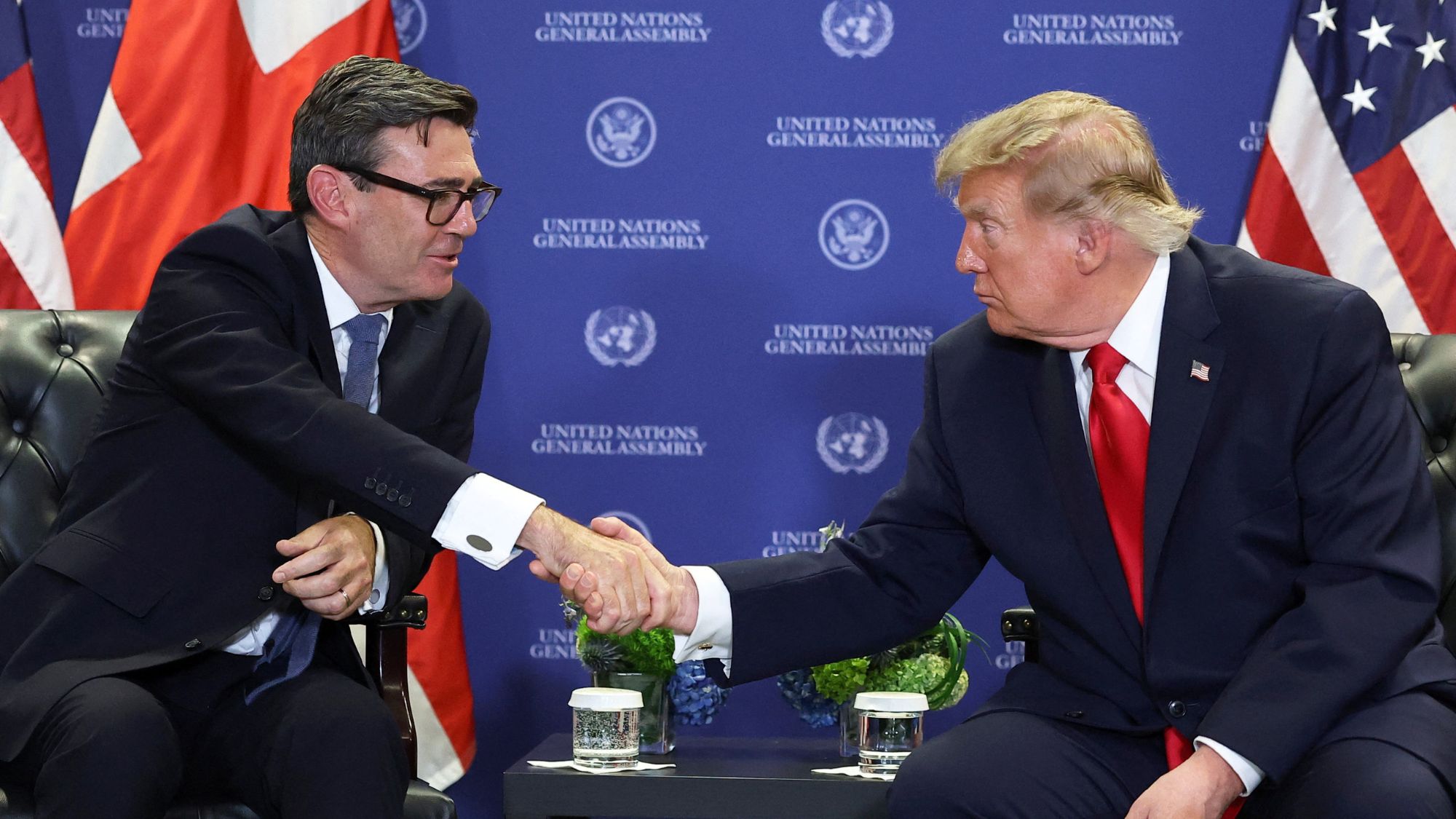
    Burnham to revisit Chagos deal after Trump meeting

    What happened
    Andy Burnham is reviewing the controversial agreement to transfer sovereignty of the Chagos Islands to Mauritius after Donald Trump publicly rejected it during their first face-to-face meeting. Trump said the deal was “terrible” and argued that the strategically important islands – which host the joint UK-US military base on Diego Garcia – were vital to American security.

    Who said what
    UK officials had been “somewhat nervous” about the leaders’ first in-person talks, said Rowena Mason in The Guardian. “But the meeting appeared to have gone to plan for both sides.”

    Burnham said he had “inherited” the Chagos deal from Sir Keir Starmer and was now doing “everything possible to find a resolution”. He stressed that protecting the future of the Diego Garcia base was critical to both Britain and the US. The change in tone came just a day after Burnham told Mauritius’s Prime Minister Navin Ramgoolam that he remained committed to doing everything possible to implement the treaty. Trump has repeatedly changed his position on the agreement, having previously supported it before withdrawing his backing.

    The Chagos Islands “marred an otherwise friendly exchange” between the pair on the margins of the UN summit, said Tony Diver in The Telegraph. Trump said it was a “great honour” to meet his counterpart.

    What next?
    Any deal cannot proceed without US backing because of the American military presence at the Diego Garcia base.

    After the meeting, Burnham delivered his first speech to world leaders at the UN General Assembly in which he reiterated the UK’s claim to the Falkland Islands. He said Britain would “stand firm in the face of any threats and challenges to the rule of law, not just from Russia, but from others, too”.


    today’s media story

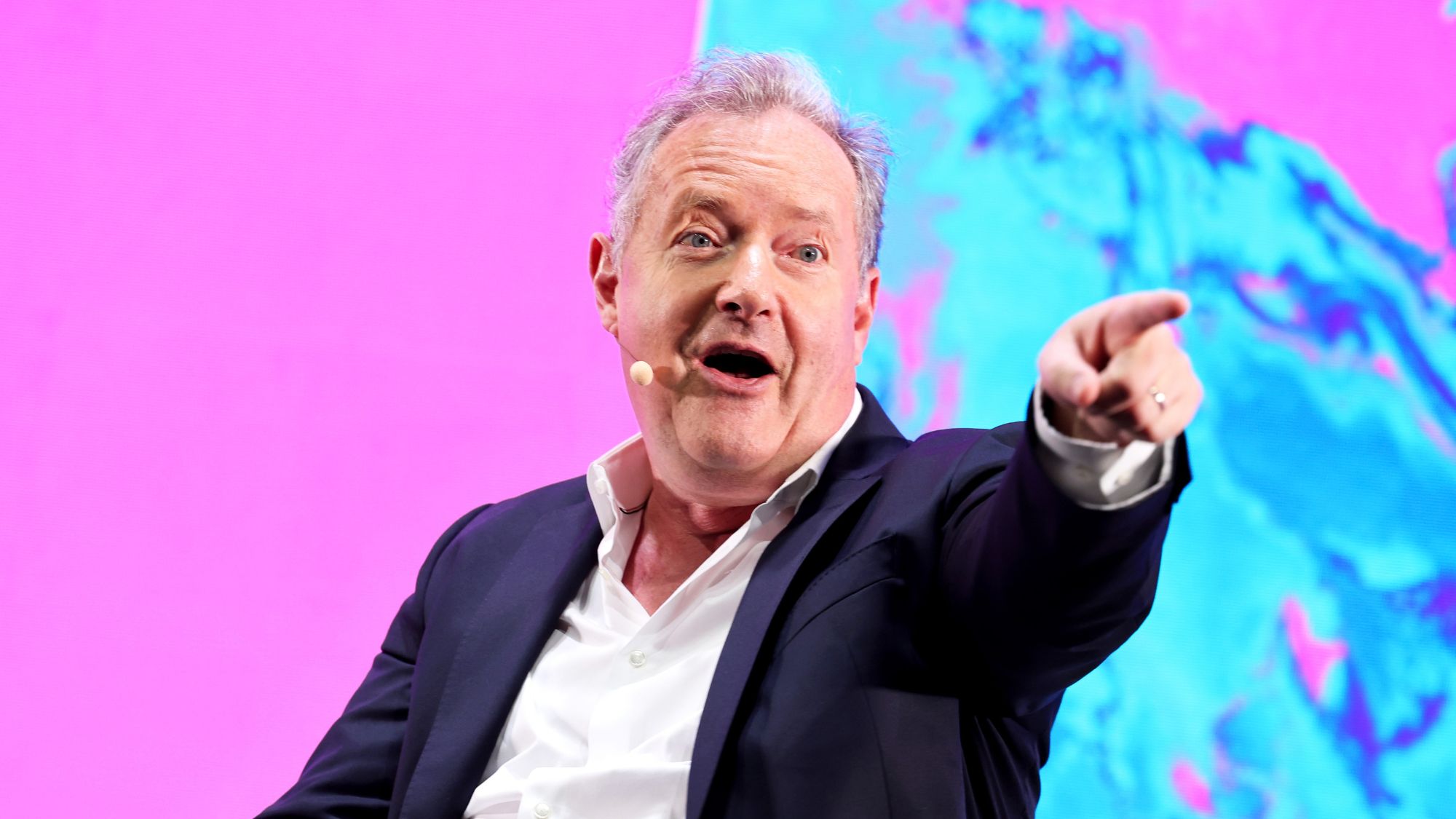
    Morgan to sue Earl Spencer for ‘inaccuracies’ in memoir

    What happened
    Piers Morgan is pressing ahead with legal action against Earl Spencer despite the author apologising for a factual error in his controversial memoir about his sister, Diana, Princess of Wales. Morgan has instructed lawyers to demand that “Swan Song: Diana, My Sister” be withdrawn from sale and called on Spencer to pulp the remaining copies. The dispute centres on Spencer’s claim that Morgan was responsible for publishing photographs of Diana that were secretly taken at a gym in 1993. However, Morgan was not editor of the Daily Mirror when the images were published, having only joined the newspaper in 1995.

    Who said what
    Morgan said Spencer’s account contained “fabricated inaccuracies” and questioned why readers should trust the rest of the book if he could get such a basic fact about Morgan wrong. Spencer acknowledged that his assumption was incorrect and apologised, pointing out that “as a historian, accuracy is important”. He nevertheless stood by his account of Morgan’s reaction when Spencer called to tell him he was not welcome at Diana’s funeral.

    What next?
    Morgan is “determined to hold Earl Charles Spencer legally accountable”, said Nama Winston on Media Week. The broadcaster said his lawyers were pursuing both Spencer and the book’s publisher, Penguin, seeking to have the disputed claims removed and damages paid to the King’s Trust.


    Today’s health story

    Experts know how meningitis cluster became so severe

    What happened
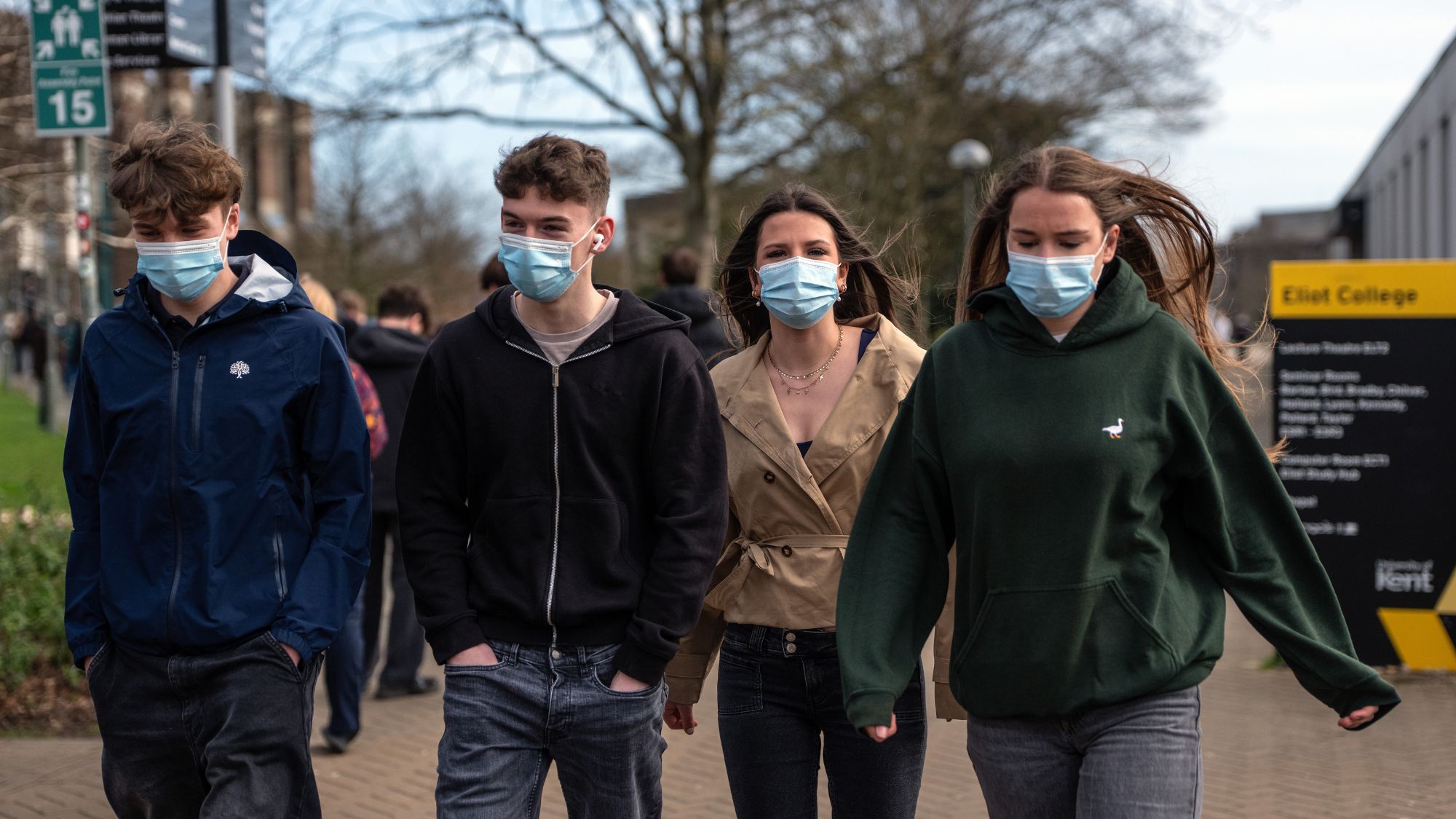
    Scientists have pinpointed why the meningitis B outbreak in Kent in March – which killed two and saw nine others admitted to hospital – was so dangerous. In total 21 people were diagnosed in just a week in an outbreak linked to “a Canterbury nightclub popular with students”, said Sky News.

    A process called horizontal gene transfer meant that strains of the disease absorbed genetic material from bacteria found naturally in people’s throats, which changed how the strain interacted with human cells and made it “very effective at causing severe illness”, added Sky News.

    Who said what
    “This investigation shows just how quickly and dramatically these bacteria can change,” said Dr Charlene Rodrigues, consultant in Pathogen Genomics at the UK Health Security Agency. Although events like this are rare – and on this occasion were compounded by the social environment – she warned experts and authorities not to “take their eye off the ball”.

    What next?
    A one-off menB vaccination programme has since been launched to protect young people heading to university. And in July the Joint Committee on Vaccination and Immunisation recommended that 15-year-olds should also be offered the jab.


    It’s not all bad

    From April next year UK workers will have a new right to take bereavement leave after losing an immediate family member such as a spouse, partner, parent, adult child or sibling. The rules, which give employees up to two weeks of unpaid leave, will also apply to pregnancy loss, including miscarriage, termination or unsuccessful IVF. The government said the changes would ensure that people had time and space to grieve without having to rely solely on their employer’s discretion.


    under the radar

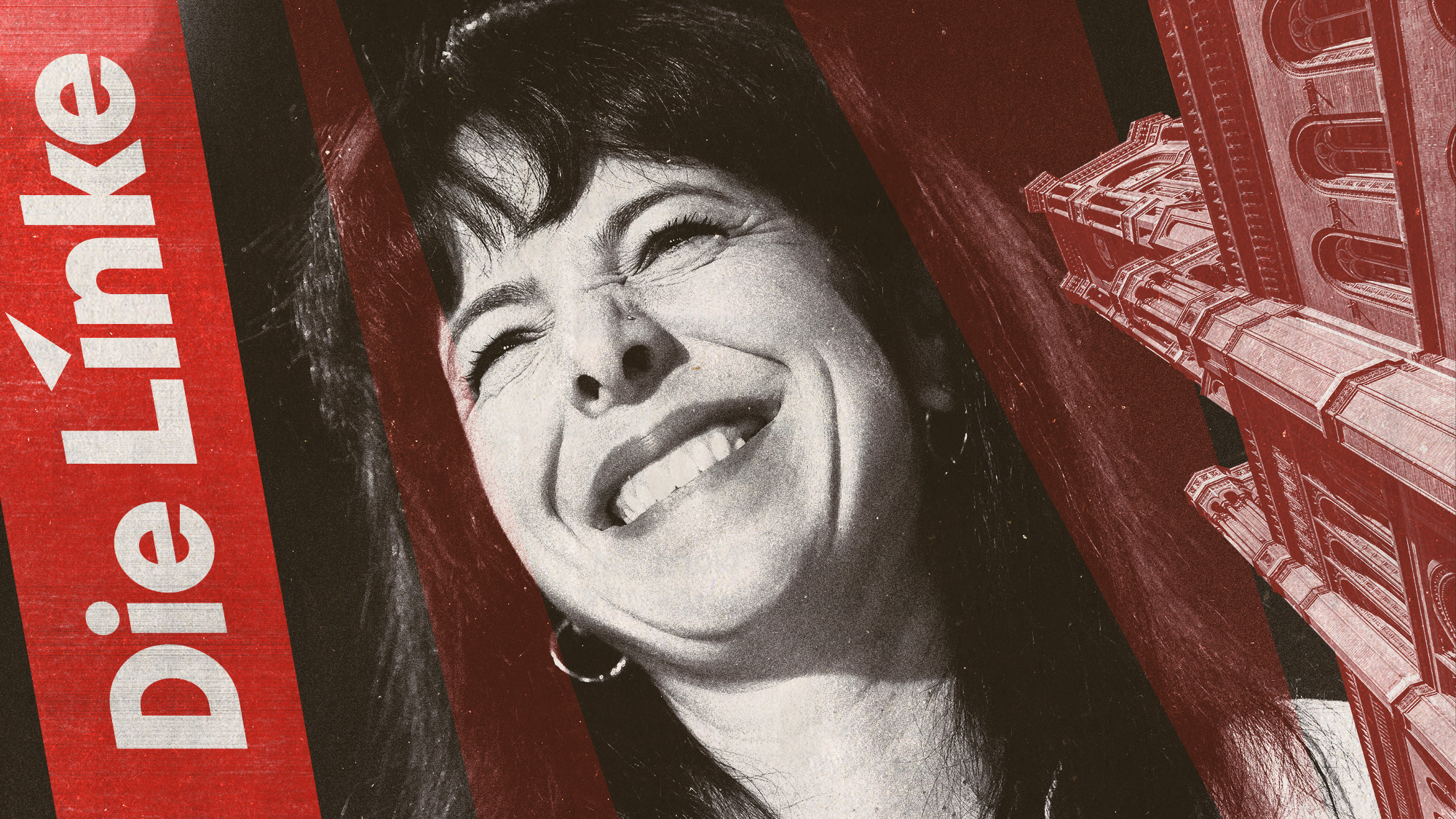
    ‘Berlin’s Mamdani’: a beacon for Germany’s bruised left

    “If a left-wing candidate can win in New York, then there’s no reason it can’t happen in Berlin.” A year on from her comment after Zohran Mamdani’s victory, Elif Eralp looks likely to be elected as mayor of the German capital. She would be the first Turkish-origin person to hold the post, and the first candidate from left-wing party Die Linke to become mayor since the fall of the Berlin Wall.

    But Die Linke finishing as the best-placed party (with 25.7% of the vote) does not guarantee that Eralp will become mayor, according to The Berliner. The new state parliament has to elect the governing mayor and, with only 47 seats out of the 158, Die Linke will need to form a coalition. The centre-right CDU refuses to engage with it, but a joint government with the Greens and the Social Democratic Party could be a “realistic” outcome.

    Eralp has become the “new face of radical left-wing parties asserting themselves in major cities around the world”, said Le Monde. Her “historic win” is all the more impressive considering she inherited a party “marred by internal divisions”. Now it is “one of the most dynamic forces in German politics”.

    Die Linke, which emerged from the communist Socialist Unity Party that ruled East Germany until the fall of the Berlin Wall in 1989, has undergone a “striking generational shift” in the past three years, said the Financial Times.  And its popularity is only growing. In recent months the party has drawn “a tidal wave of new supporters, doubling its membership in the space of a year, reaching 123,000 at the end of 2025”.


    on this day

    23 September 1889

    Fusajiro Yamauchi founded Nintendo in Kyoto, Japan. The company originally sold handcrafted playing cards before later expanding into a video game empire. Nintendo recently unveiled a remake of one of its most popular games, “The Legend of Zelda: Ocarina of Time”, ahead of an upcoming live-action Zelda movie.


    Today’s newspapers

    ‘PM wobbles’

    “Burnham wobbles on Chagos as Trump hits out”, the Daily Mail says. “Burnham bows to Trump on Chagos”, says The Telegraph. “Trump wins review of ‘ridiculous’ Chagos deal”, says The Times. “Don well?” wonders The Mirror. “Heat deaths from El Nino forecast to reach 451,000”, says The Guardian. “Pulp fiction”, The Sun says, covering the latest controversy about Earl Spencer’s book. 

    See the newspaper front pages


    tall tale

    Peat offenders

    Three 4x4 drivers were caught tearing up a beauty spot in North Wales after posting footage of their exploits on TikTok. John Robinson, Michael Williams and Joseph Hodgson were part of a convoy of seven vehicles that had travelled from Liverpool to the Berwyn Site of Special Scientific Interest, where they caused serious damage to rare peat and blanket bog. Hodgson had claimed that his car had been stolen, but was “easily identified” in the video by Natural Resources Wales investigators, according to The Telegraph.


    Morning Report was written and edited by Arion McNicoll, Harriet Marsden, Will Barker, Ross Couzens and Chas Newkey-Burden, with illustrations by Julia Wytrazek.

    Image credits, from top: Toby Melville – WPA Pool / Getty Images; Hoda Davaine / Getty Images for SXSW London; Carl Court / Getty Images; Illustration by Julia Wytrazek / Getty Images.
     

    Recent editions

    • Morning Report

      Austin DoorDash driver detained with ICE bullet in neck

    • Evening Review

      Are Republicans losing Latinos?

    • Morning Report

      ICE shooting shakes Austin

    VIEW ALL
    TheWeek
    • About Us
    • Contact Future's experts
    • Terms and Conditions
    • Privacy Policy
    • Cookie Policy
    • Advertise With Us
    • FAQ
    Add as a preferred source on Google Add as a preferred source on Google

    The Week is part of Future US Inc, an international media group and leading digital publisher. Visit our corporate site.

    © Future US, Inc. Full 7th Floor, 130 West 42nd Street, New York, NY 10036.