The Week The Week
flag of US
US
flag of UK
UK
https://cdn.mos.cms.futurecdn.net/flexiimages/jacafc5zvs1692883516.jpg

SUBSCRIBE & SAVE

Less than $3 per week

Sign in
  • View Profile
  • Sign out
  • The Explainer
  • The Week Recommends
  • Newsletters
  • Cartoons
  • From the Magazine
  • The Week Junior
  • More
    • Politics
    • World News
    • Business
    • Health
    • Science
    • Food & Drink
    • Travel
    • Culture
    • History
    • Personal Finance
    • Puzzles
    • Photos
    • The Blend
    • All Categories
  • Newsletter sign up Newsletter
  • WeekDay AM: 10 Things you need to know this morning
    US moves B-1 bombers, Badenoch’s ‘policy blitz’, and Cape Town’s baboon problem

     
    today’s DEFENCE story

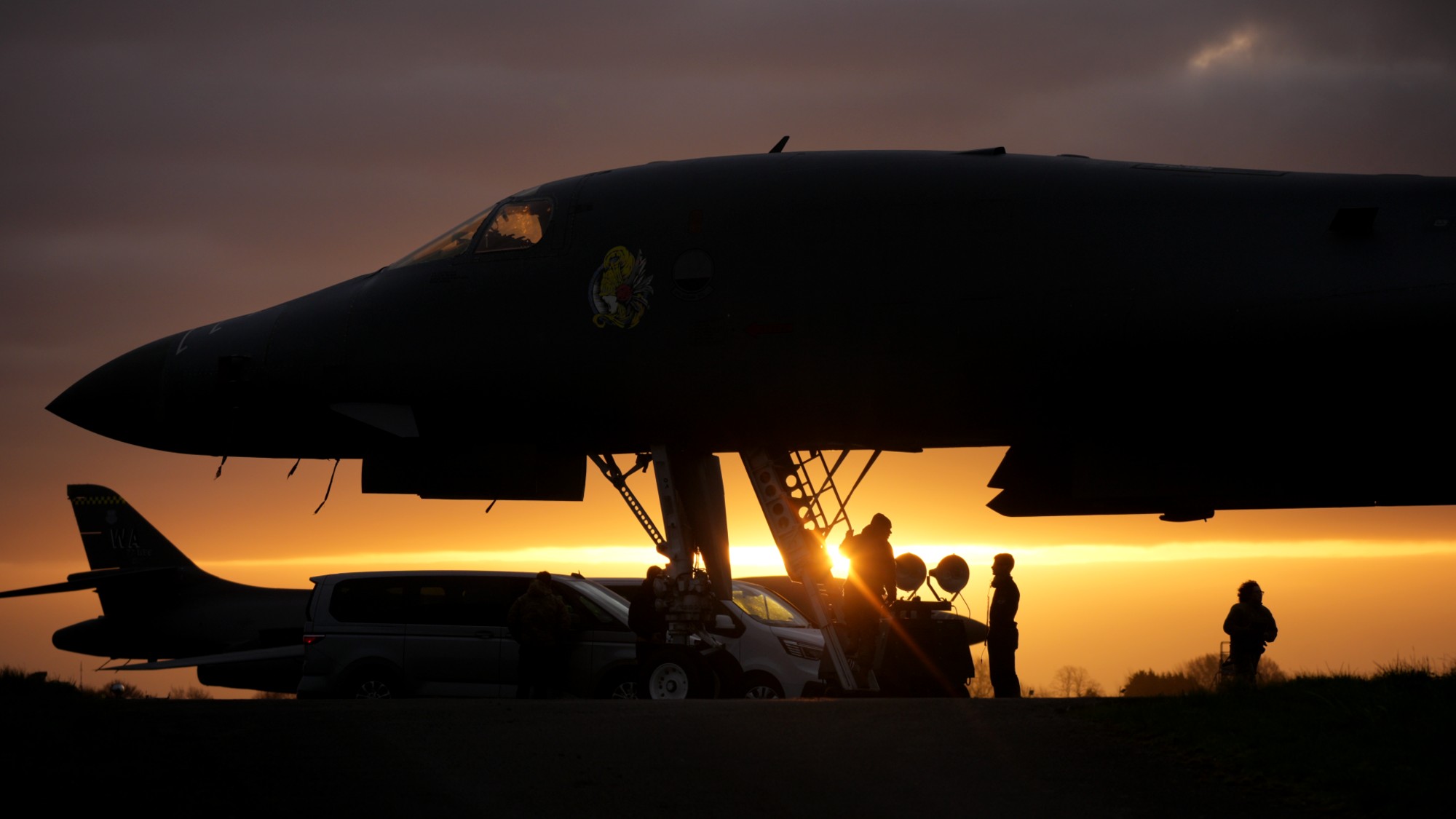
    US pulls bombers from RAF Fairford

    What happened
    The US has withdrawn all of its B-1 bombers – thought to be about a dozen in number – from RAF Fairford after it was the target of a suspected terror attack plot last month. The Gloucestershire airbase has been used in recent months for defensive strikes on Iran by the US. Andy Burnham said last week that there was a “strong indication that Iran played a part” in the suspected plot, something Tehran has denied.

    Who said what
    “All US bombers that were deployed to RAF Fairford have redeployed to their home stations in the United States,” confirmed a Pentagon official.

    It is a “highly unusual” move, said The New York Times. According to the paper’s sources, it comes after “commanders received new threats about an Iran-backed plot against the installation”. Some “specific details” of the new information meant that “a sense of urgency spiked in the past 24 hours”. The decision was “so urgent” that some of the planes were “ordered into the air while refuelling aircraft were still being scrambled”, said The Telegraph.

    What next?
    The removal of the bombers could “signal a change in direction” by the White House in the Iran War, said Sky News. “Some are suggesting” that the bombers have been removed because the US “has decided to scale down the military operation in Iran” and “needed a reason to do so”, said the broadcaster’s US correspondent David Blevins. However, the Pentagon official said its airmen “remain ready to deliver precision global strike capabilities” from “anywhere, anytime”.


    today’s POLITICS story

    ‘Bullish’ Badenoch sets out new Tory principles

    What happened
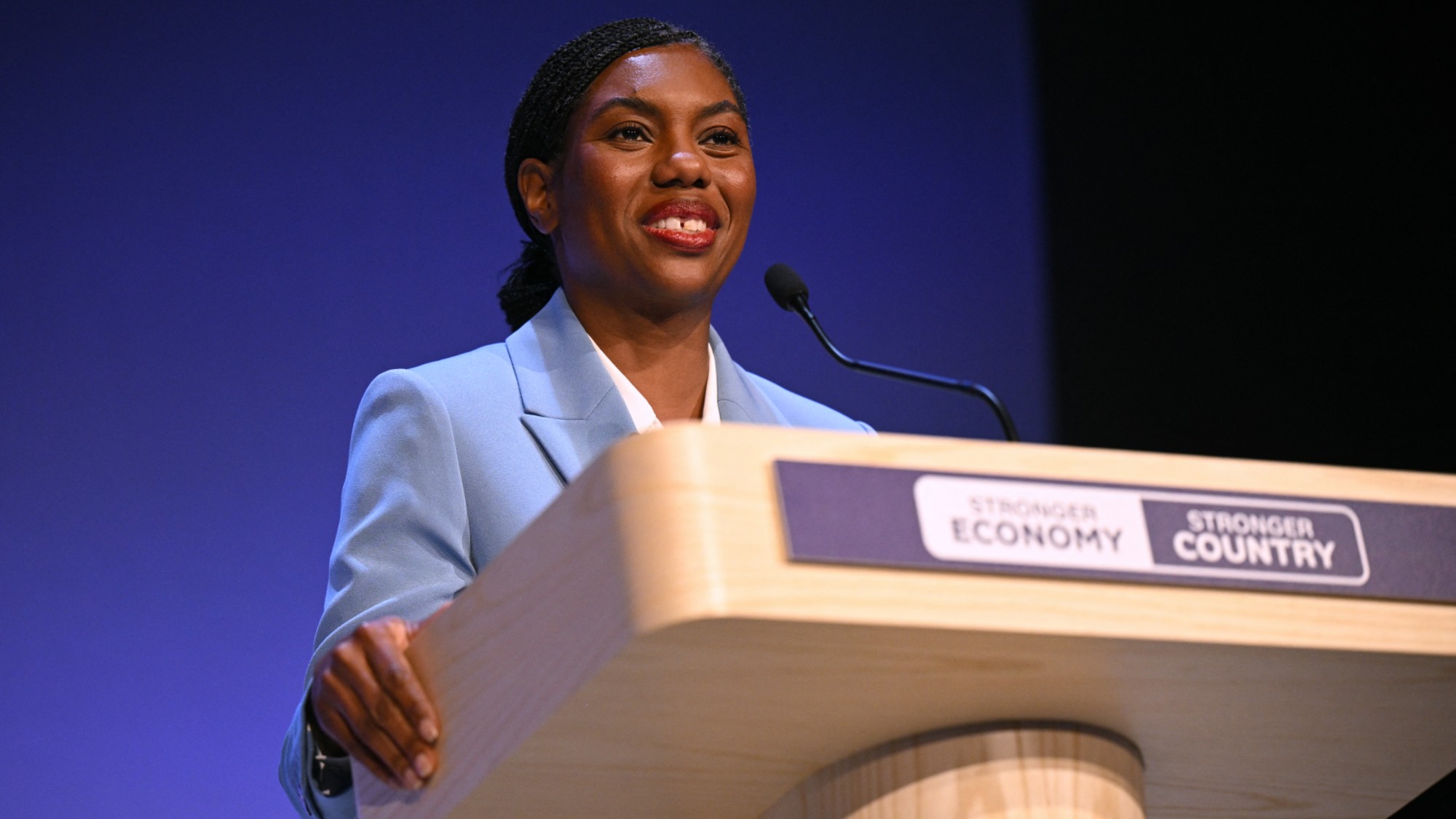
    Kemi Badenoch has kicked off the Conservatives’ annual conference with a series of policy pledges and a 100-page document setting out the party’s key values and priorities. The Tory leader vowed to expand free childcare for people earning more than £100,000, promised 50,000 new prison places and hinted at inheritance tax changes.

    Who said what
    Speaking in Birmingham yesterday, Badenoch said the Conservatives needed to be ready to govern from “day one”, which is why she has published “The Right Way”, a principles pamphlet inspired by Margaret Thatcher’s 1976 “The Right Approach” essay.

    The Tory leader “is in a bullish mood”, said Tim Shipman in The Spectator, and she’s “not frightened of the ‘nasty party’ sobriquet which used to be tossed around”.

    She will frame this as a “foil to the people-pleasing tendencies” of Andy Burnham, said Anne McElvoy in The Independent. “Being ‘more aggressive’, as she puts it, may also be a risk worth taking for a party which needs to show it can chip away at the appeal Reform exerts.”

    What next?
    Shadow chancellor Andrew Griffith is expected to outline broader changes that the Conservatives might make to the tax system in his keynote speech to the conference later today.


    Today’s INTERNATIONAL story

    Russia targets Ukraine’s key bridges

    What happened
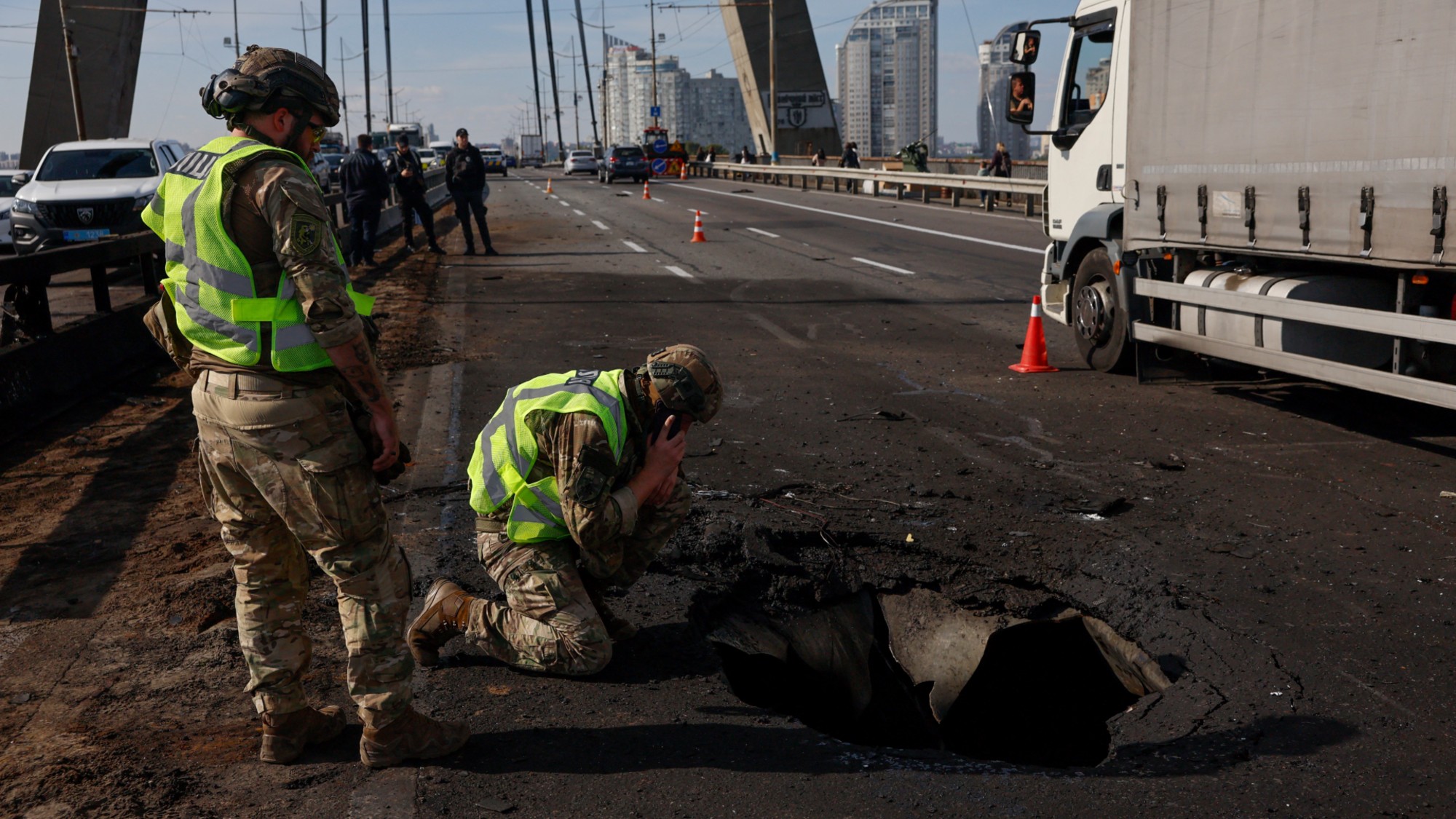
    A Russian drone has hit Kyiv’s Northern Bridge over the Dnipro River for the second time in two days. Two people were said to have been injured in the fireball explosion on Sunday. The city’s Southern Bridge has also been struck multiple times in recent days.

    Who said what
    The bridges “still stand”, but daily life has been “severely disrupted” as local authorities restrict traffic due to the damage and threat of further attacks, said The New York Times. The capital is “bisected by the broad Dnipro River”, meaning that many Ukrainians rely on the structures to get to work and back.

    Moscow is ramping up attacks on the capital’s critical infrastructure in response to Ukraine’s threats to increase its strikes on Russian oil refineries, said the BBC. Sunday’s attack came as German Chancellor Friedrich Merz arrived in Kyiv for a “show of support against Russia’s continuing full-scale invasion”.

    What next?
    As teams worked to repair the bridges, Ukrainian President Volodymyr Zelenskyy announced that Germany would provide a new defence and energy support package worth more than €1.3 billion (£1.1 billion).


    It’s not all bad

    A new species of lizard has been found in the Peruvian Andes. Named Liolaemus archipensis, it measures between six and eight centimetres in length and has a different pattern depending on its sex. The discovery marks a “very important advance for biodiversity in our country”, biologist Ling Huamani-Valderrama, who led the research published in the Swiss scientific journal Diversity, told AFP.


    under the radar

    Cape Town seeks solution to its baboon problem

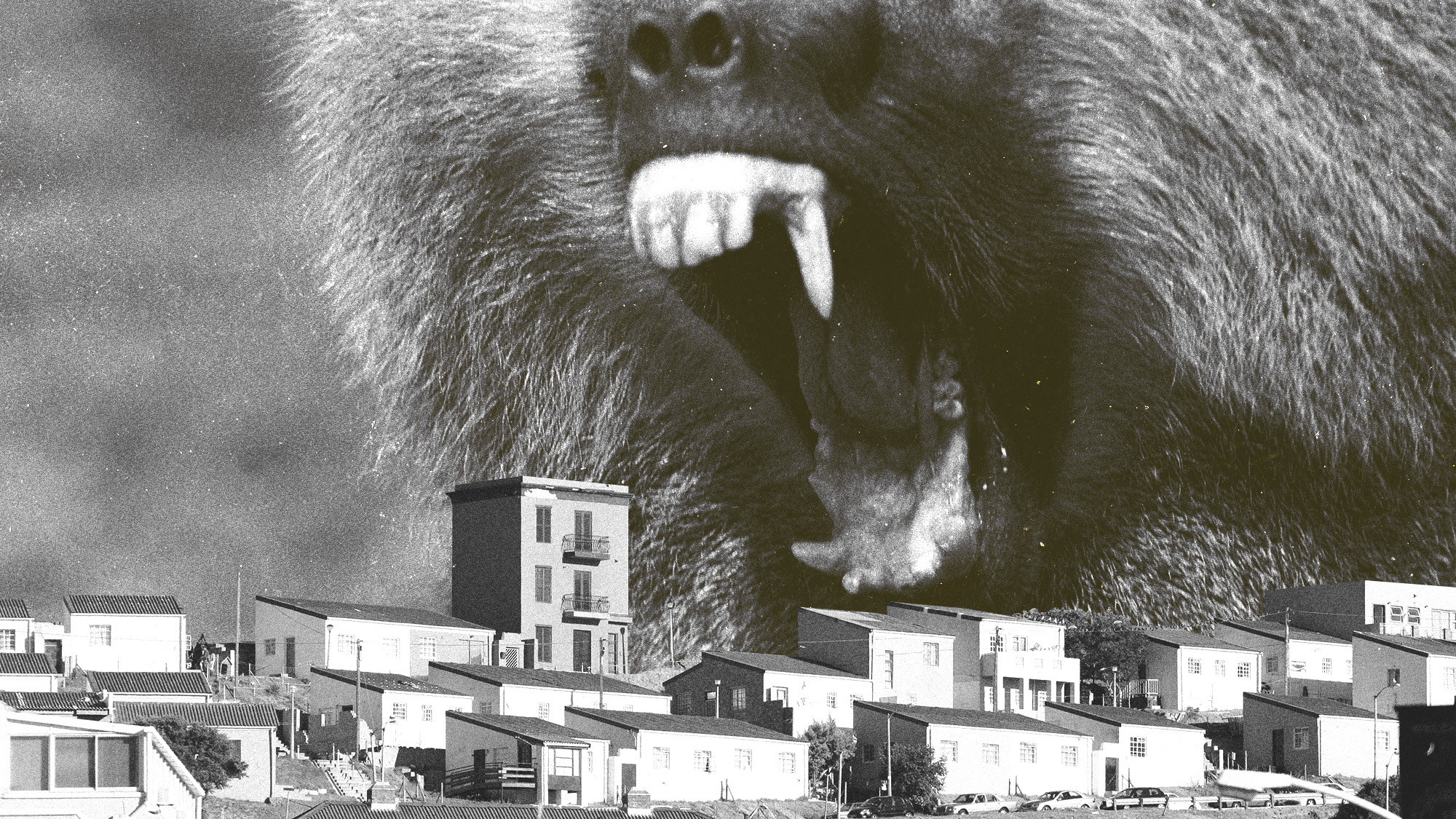
    Authorities in South Africa’s capital city have set out plans to round up and remove about 60 chacma baboons.

    The animals are increasingly coming “into conflict” with the city’s human residents, said Reuters. They can be “intimidating” – males grow up to one metre tall and weigh about 50kg – and this urban primate population has adapted to city life, raiding bins, cars and houses for food.

    But plans to move the baboons to a newly built sanctuary have “triggered a bitter dispute” over ‌whether they should be “confined, culled or allowed to co-exist with residents”. Protests are ongoing, and the issue could play a major role in Cape Town’s upcoming municipal elections.

    Problems with baboons in the city stretch back decades, but they have “reached boiling point” over the past two years, said The Guardian. In the early 2000s the city authorities stopped the culling of baboon troops in response to public pressure, but that has since seen the population swell by a third – to roughly 500.

    Geography is “partially to blame” as the baboons are “boxed in” between the steep landscape of the Table Mountain National Park and “the sprawling urban development that stretches to the Atlantic Ocean”.

    “The best solution to resolving conflicts is to prevent them,” said US anthropology professor Shirley C. Strum on The Conversation. Preventing undesirable baboon behaviour, such as raiding food, is easier than trying to tackle it once it’s become engrained. Translocation and culls are not perfect solutions. “Conflict between baboons and humans won’t change unless human behaviour and attitudes change.”


    on this day

    5 October 1936

    About 200 men from the South Tyneside town of Jarrow set out to walk almost 300 miles to London to protest against the unemployment and poverty caused by the closure of its shipyard. Jarrow marked the 90th anniversary of the “crusade” on the weekend with an exhibition at the town hall featuring archival photographs.


    Today’s newspapers

    ‘Common sense blueprint’

    Kemi Badenoch will “pledge a bonfire of green laws”, says The Times. The Tory leader has outlined a “common sense blueprint”, says the Daily Mail, after she unveiled a “policy blitz” at the party conference. “Greens vote to equate Zionism with racism”, says The Guardian. And Andrew Mountbatten-Windsor has “launched legal action” against Thames Valley Police over his arrest, says The Telegraph.

    See the newspaper front pages


    tall tale

    Sticky situation

    An investigation has uncovered an unusual culprit behind several traffic light failures in the town of Stretford: slugs. Transport for Greater Manchester discovered that the molluscs had “entered the signal controller and caused short circuits”, going undetected despite several reviews to address the problem. It is thought that they crawled inside the traffic lights for warmth. Councillor Steve Adshead said “this was the first time the highways team had ever experienced” such a problem.


    Morning Report was written and edited by Hollie Clemence, Chas Newkey-Burden, Rebecca Messina, Will Barker and Ross Couzens.

    Image credits, from top: Christopher Furlong / Getty Images; Oli Scarff / AFP / Getty Images; Mykola Tymchenko / AFP / Getty Images; illustration by Julia Wytrazek / Getty Images.
     

    Recent editions

    • Evening Review

      Trump rebrands AI

    • Morning Report

      Trump grabs Congress’ purse strings

    • Evening Review

      Will the Cornell rape case change anything?

    VIEW ALL
    TheWeek
    • About Us
    • Contact Future's experts
    • Terms and Conditions
    • Privacy Policy
    • Cookie Policy
    • Advertise With Us
    • FAQ
    Add as a preferred source on Google Add as a preferred source on Google

    The Week is part of Future US Inc, an international media group and leading digital publisher. Visit our corporate site.

    © Future US, Inc. Full 7th Floor, 130 West 42nd Street, New York, NY 10036.