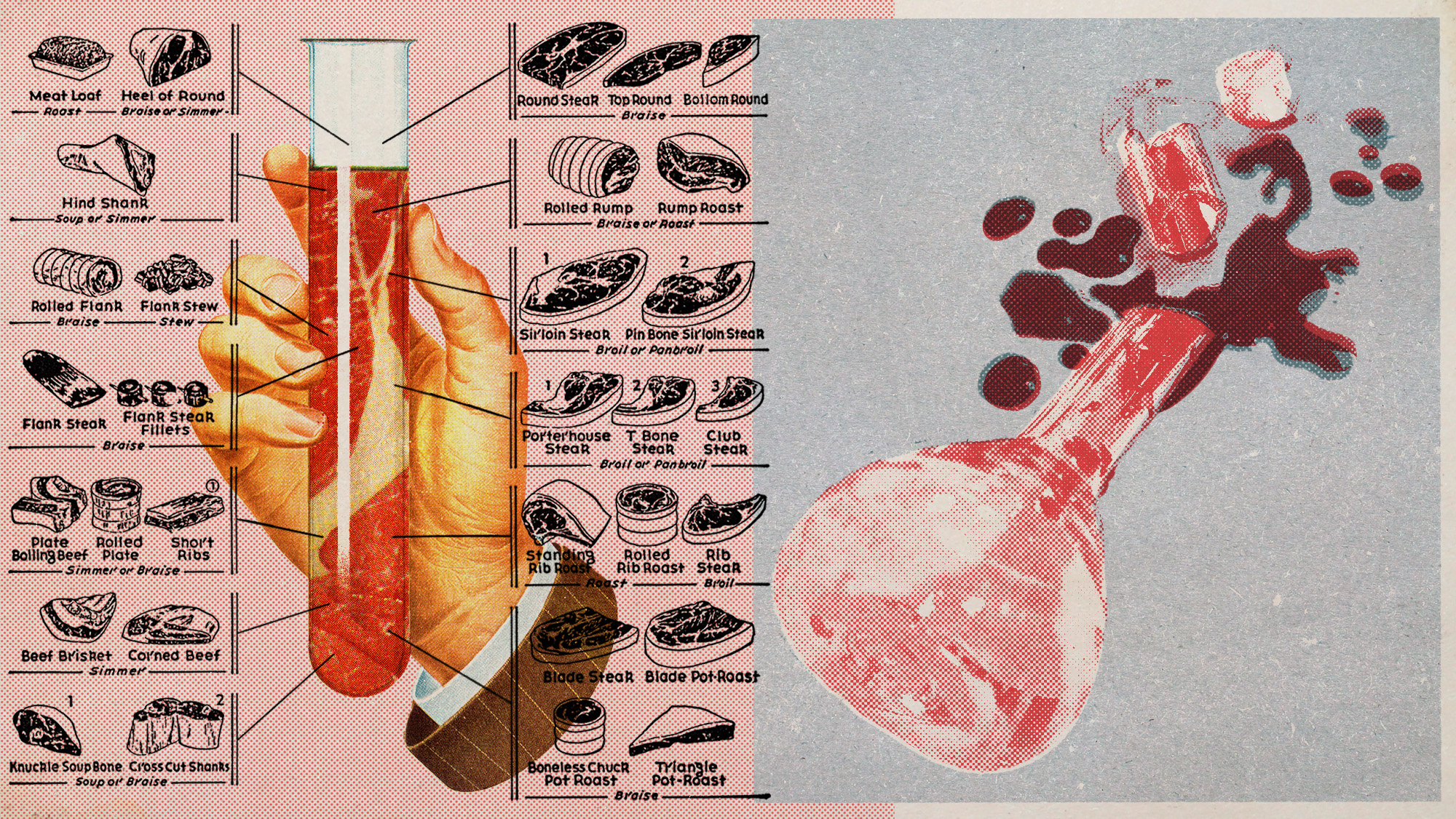
When lab-grown meat “first captured investors’ attention, the promise was simple: steak without cattle, chicken without poultry – a carnivorous diet stripped of its moral baggage”, said the Financial Times.
A decade later a combination of “high costs, slow regulation, consumer scepticism and the difficulty of scaling laboratory processes into industrial production” has skewered a sector that once threatened to upend the very way the world produces its food.
The technology “remains compelling”, according to AgFunderNews. Unlike plant-based options, it has the appeal of “real” meat and “promises a consistent, local supply of meat made to order”, but “without the disease risks, supply chain vulnerabilities, environmental damage, and ethical baggage” that come with the farming of animals. “In practice, however, there’s no playbook for biomanufacturing meat at scale, funding has almost dried up and the political environment has become increasingly hostile in key markets.”
Perhaps the only solution is to consolidate. “I don’t think as standalone companies they will survive,” Jeff Tripician, the former CEO of now defunct Dutch company Meatable, told industry news site Food Ingredients First. “They need to become part of – as in sell to – meat companies so that it’s almost like an R&D investment they can manage over time. I don’t think there’s external funds that are going to come in to prop up the small companies the way they’re constituted today.” |