The Week The Week
flag of US
US
flag of UK
UK
https://cdn.mos.cms.futurecdn.net/flexiimages/jacafc5zvs1692883516.jpg

SUBSCRIBE & SAVE

Less than $3 per week

Sign in
  • View Profile
  • Sign out
  • The Explainer
  • The Week Recommends
  • Newsletters
  • Cartoons
  • From the Magazine
  • The Week Junior
  • Student Offers
  • More
    • Politics
    • World News
    • Business
    • Health
    • Science
    • Food & Drink
    • Travel
    • Culture
    • History
    • Personal Finance
    • Puzzles
    • Photos
    • The Blend
    • All Categories
  • Newsletter sign up Newsletter
  • Saturday Wrap, from The Week
    ‘Mad king’ Trump, House of Lords reform, and US ‘perfidy’ in Syria

     
    Briefing of the week

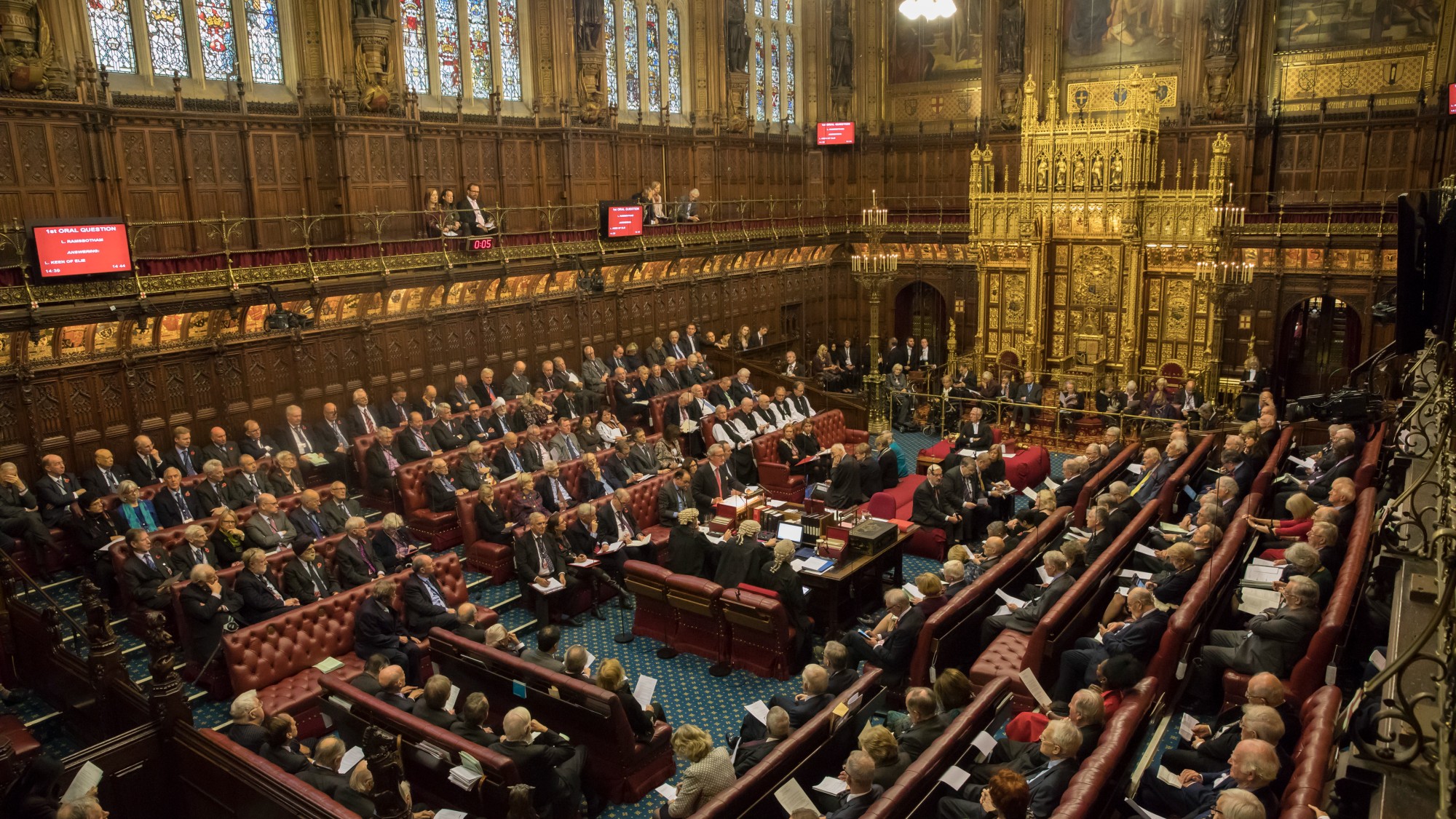
    Reforming the House of Lords

    Keir Starmer’s government regards reform of the House of Lords as ‘long overdue and essential’

    What’s wrong with the Lords?
    It is, in many respects, an anomaly. Most mature democracies have a second parliamentary chamber. But relatively few of these are, like the House of Lords, unelected (though Canada and Jamaica, for instance, have appointed second houses). It is by far the world’s largest second chamber: the Lords has around 844 sitting members; the French senate, the next largest, has around 348. With its 24 Lords Spiritual (bishops of the Church of England), it is, with Iran, one of two legislatures in the world that reserves seats for religious leaders. There are also the 85 remaining hereditary peers; only Lesotho, Tonga, Zimbabwe and a few other nations have hereditary legislators.

    Why does the UK have this system?
    Though its origins lie further back, the division of Parliament into two houses, Commons and Lords, dates from Edward III’s time, in the 14th century. Originally, the Lords were more powerful, but the balance of power shifted under the Tudors. After the execution of Charles I, Oliver Cromwell abolished the Lords; Charles II restored it. As the franchise expanded in the 19th century, the primacy of the Commons became accepted in principle. But legally, until the early 20th century, the two houses had equal powers of legislation. Then, in 1911, after a long struggle between David Lloyd George and his Liberal Party and a Conservative-dominated Lords over his “People’s Budget”, the Parliament Act was passed. It stopped Lords having any powers over bills (draft laws) concerning money, and replaced its right of veto over other bills with the ability to delay them for a maximum of two years. 

    What reforms have been made since?
    After the Second World War, the Marquess of Salisbury helped to develop a set of conventions designed to help the Labour government pass its programme, despite having only 16 Labour peers in a house of 761. The Salisbury Convention commits the Lords not to oppose the second or third reading of any government legislation promised in its election manifesto. Another major change came in 1958, when the Life Peerage Act allowed peers to be appointed on the basis of legislative expertise – including women, for the first time. The next major reform came in 1999, when Tony Blair’s Labour government excluded 667 hereditary peers. Although it had pledged to eradicate them, it had to make a deal allowing some to stay. When one of these dies or leaves, a by-election is held among hereditary peers of their party to select a replacement. Oddly, these are now the Lords’ only elected members. 

    How does the Lords work now?
    Its main role is to scrutinise legislation passed by the Commons. It spends more than half its time considering bills. Peers examine each bill over several stages and suggest revisions, before it becomes an Act of Parliament. Between November 2023 and May 2024, for instance, the House of Lords considered 2,377 changes to 67 bills, debating for more than 780 hours. Much of this scrutiny takes place in select committees – appointed to consider specific policy areas. Other committees monitor the affairs of government departments, or specific policy issues. Recent changes made to laws by the Lords include making both non-fatal strangulation or suffocation and threats to release intimate images specific offences.

    And does it work well? 
    In many respects, yes. Its supporters argue that an unelected – and less-politicised – upper house functions as a useful brake on under-debated or kneejerk legislation; it is a vital constitutional check, opposing poor law-making. Some suggest the quality of debate in the Lords is higher than that of the Commons, since peers, unlike MPs, do not also have to make time to perform constituency duties, and few serve in government departments. Moreover, the Lords is an “expert house” comprising many who have excelled in a wide range of disciplines, unlike the Commons, which is dominated by career politicians. Peers, some say, feel the weight of responsibility bestowed upon them by a lifetime peerage, making them more measured policymakers than MPs. Some even defend the hereditary principle, as part of Britain’s historical fabric.

    What are the arguments against it?
    That it is an unelected body with great power to undermine democratic mandates. Bills the Commons has passed but which the Lords is currently opposing include the assisted dying bill, which has wide public support, and the Crime and Policing Bill. Even if you accept the principle of an appointed expert house, the way Lords are selected is opaque and politicised. Prime ministers have effectively unlimited power to appoint; most peerages are handed to former MPs, party officials and donors. Notorious recent examples include Boris Johnson’s ennobling of Charlotte Owen, then 29, who had worked briefly as his special adviser. There are regular lobbying scandals: two Lords were suspended late last year. And it is unrepresentative: around a third of peers are women; just 6% come from a minority ethnic background; at least 50% attended private schools; over 40% are from the Southeast.

    What are Labour’s reform plans?
    The House of Lords (Hereditary Peers) Bill proposes to remove all remaining hereditary peers, though amendments allow current hereditary peers to remain until they leave the House. This is a “first step” in a series of proposed reforms, including a mandatory retirement age of 80; and establishing a new participation requirement to ensure active membership. It also wants to strengthen rules for removing disgraced peers and reform the appointments process, to “ensure the quality of new appointments” and improve the “national and regional balance” of the Upper House. Lords reform is notoriously slow and complex; but a Lords committee is due to report on the proposed reforms before 31 July this year.

    The Lords by numbers
    Of the 844 peers, 282 are Conservative, 230 are Labour, 75 are Liberal Democrats, one is from Reform UK, and 177 are crossbench (non-party political). Although the Tories are the largest group, no party has a majority. The House of Lords Appointments Commission recommends individuals for appointment as crossbench peers – and vets all nominations on the basis of “propriety”, meaning that a person should be in good standing generally and not have past conduct that could bring the House of Lords into disrepute. It can only make recommendations and cannot veto. From 2010 to 2025, 56% of life peers appointed were either ex-politicians, former advisers or major donors. The average age of members is around 71. In the last available accounts, for 2023/24, the House of Lords cost the taxpayer £143.8 million. Peers are not paid a salary, but can claim a tax-free daily attendance allowance of £371 (they can also claim £185, or nothing, if they think appropriate). In 2017, it was reported that one unnamed peer had “left the taxi running” while he popped in to record his attendance. Over the last Parliament, just 10% of all peers made more than half of all debate contributions; 28 Lords never attended at all.


    Spirit of the age

    It was once the young who tended to drink too much. But according to the latest NHS survey, older people in England are now twice as likely to drink at “risky” levels than people aged 25 to 35. Overall, teetotalism is on the rise, with 24% of adults of all age groups saying they’ve not had a drink within the past 12 months, up from 19% in 2022. But among those aged 65 to 74, 29% are drinking more than six 175ml glasses of wine a week (the level defined as “risky”), up from a fifth in 2022/2023.


    talking point

    Syria’s Kurds: abandoned by their US ally

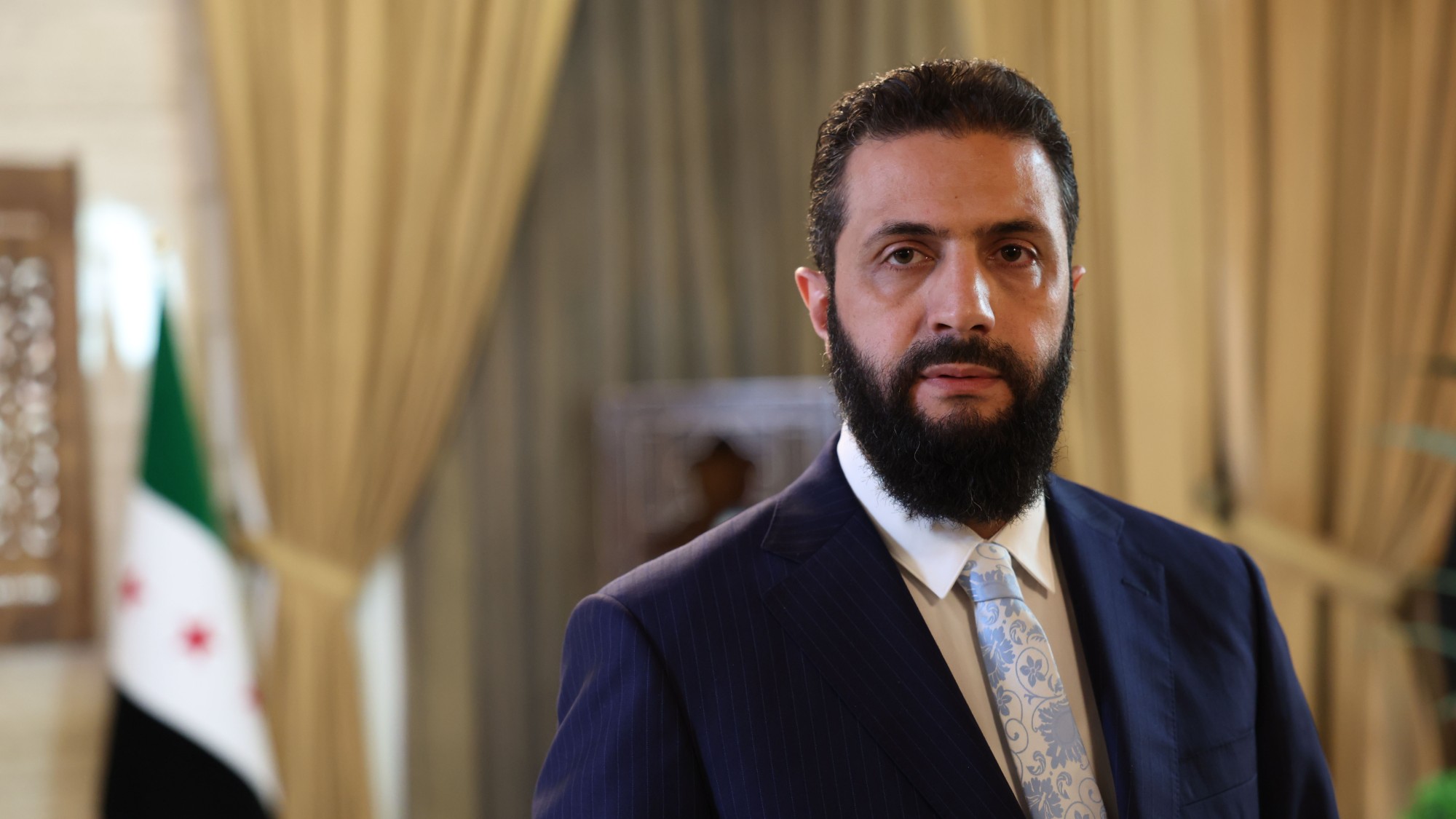
    Syria is at a “major turning point”, said Noura Doukhi in L’Orient-Le Jour. When the current president Ahmed al-Sharaa, the former leader of the Islamist group Hay’at Tahrir al-Sham (HTS), ousted the dictator Bashar al-Assad in December 2024 after 13 years of civil war, he inherited a country splintered into different spheres of control. The most formidable of these was Syrian Kurdistan, known as Rojava – a semi-autonomous territory in the northeast run for more than a decade by Kurdish-led groups. But, in one of his “biggest strategic victories” since Assad’s fall, Sharaa has now captured most of the region. Following a lightning offensive by Damascus, the Kurdish-led Syrian Democratic Forces (SDF), a US-backed militia that helped to defeat Islamic State, had little choice but to sign a 14-point deal on 18 January. It required them to cede control of the majority-Arab Raqqa and Deir al-Zour provinces, including their lucrative oil and gas fields. The SDF must also disband. 

    It’s a huge blow for the long-oppressed Kurds, Syria’s largest ethnic minority, who thought “their fortunes had been transformed”, said Matt Broomfield on UnHerd. Their “secular, feminist, and nominally direct-democratic” self-rule began in 2012, when Assad’s troops withdrew from Rojava’s heartlands. After seizing Baghuz, Isis’s last stronghold in 2019, the SDF’s territory was the size of Lebanon, stretching from the borders of Turkey and Iraq to the River Euphrates. Even HTS, during its victorious campaign against Assad, couldn’t dislodge them. Now their dreams of autonomy are over. It took just two weeks for SDF control to unravel, as the government exploited local anger over Kurdish rule in Arab-majority Raqqa and Deir al-Zour. And the SDF’s power is restricted to its strongholds in the northeast and “enclaves” in Kurdish-dominated cities. 

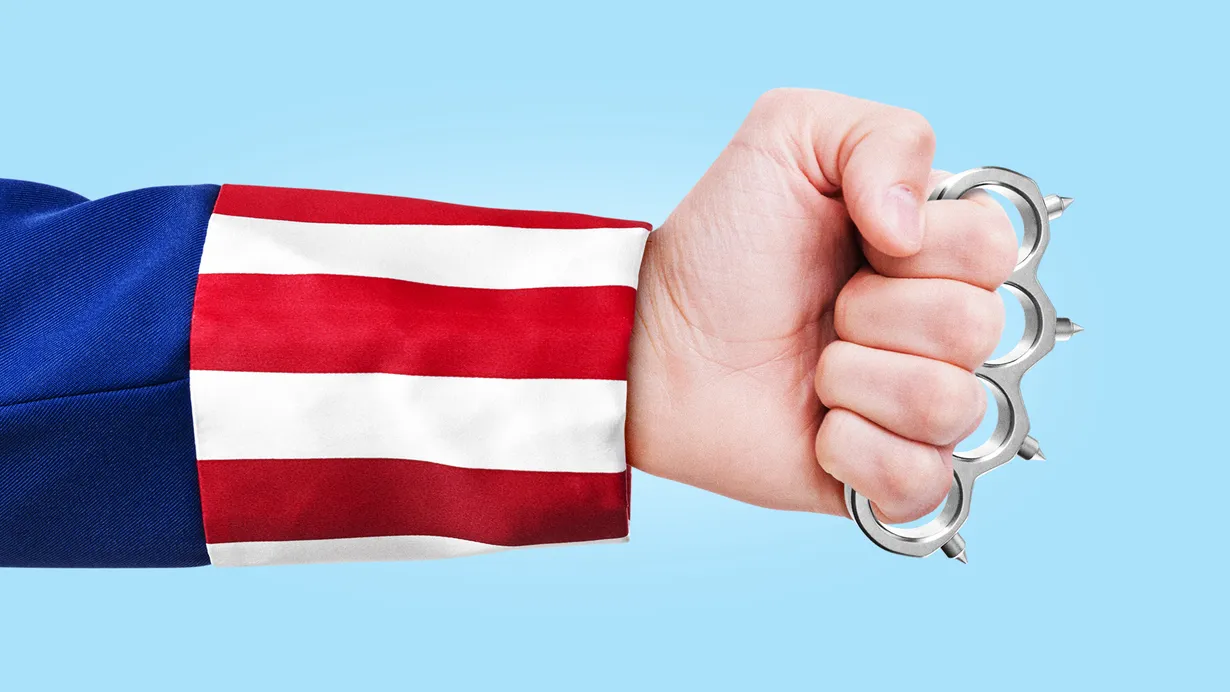
    The US and its allies look like they’re guilty of “another blatant act of perfidy” against the Kurds, said Con Coughlin in The Telegraph. The West first vowed to create a Kurdish homeland after the end of the First World War; it never materialised. Now Syria’s Kurds, the defeaters of Isis, have also been betrayed. The US has “effectively signalled an end” to military support for the SDF, said Al Arabiya. Tom Barrack, the US envoy to Syria, stated last week that the Kurdish force’s anti-Isis role had “largely expired”, and that Damascus was now best placed to enforce security. 

    There are already concerns that, as a result, Isis could now “rebound and reorganise”, said Paul Iddon in Forbes. Under the 18 January agreement, Sharaa’s forces are in theory meant to govern many of the jails and camps holding Isis fighters and their families in north-eastern Syria. But in the recent chaos, hundreds of militants escaped from al-Shaddadi prison; some also reportedly fled al-Hol, a remote desert camp whose detainees include some 20,000 people with family ties to Isis. Both the SDF and the government have blamed the other side for the escapes. 

    Perhaps Sharaa is now showing his true colours, said Tanya Goudsouzian in Le Monde Diplomatique. His campaign against the Kurds belies his promise to respect all Syria’s ethnic minorities. “Despite his clipped beard and British suits”, his troops’ actions “seem more in line with their roots in the terrorist group HTS than those of a new nation committed to democratic oversight and governance”. Even if Sharaa’s promises are well-intentioned, it’s not clear that he’s got full control over “his patchwork army”, said Christian Vooren in Die Zeit. His forces committed massacres against the Alawites on the coast in March, and there was violence in the Druze-majority Suweida province in the south last summer. What happens next with the Kurds in the northeast is “perhaps the greatest” test of all for the new Syria. At the moment, “the ceasefire is fragile and the situation remains unclear”.


    controversy of the week

    The ‘mad king’: has Trump finally lost it?

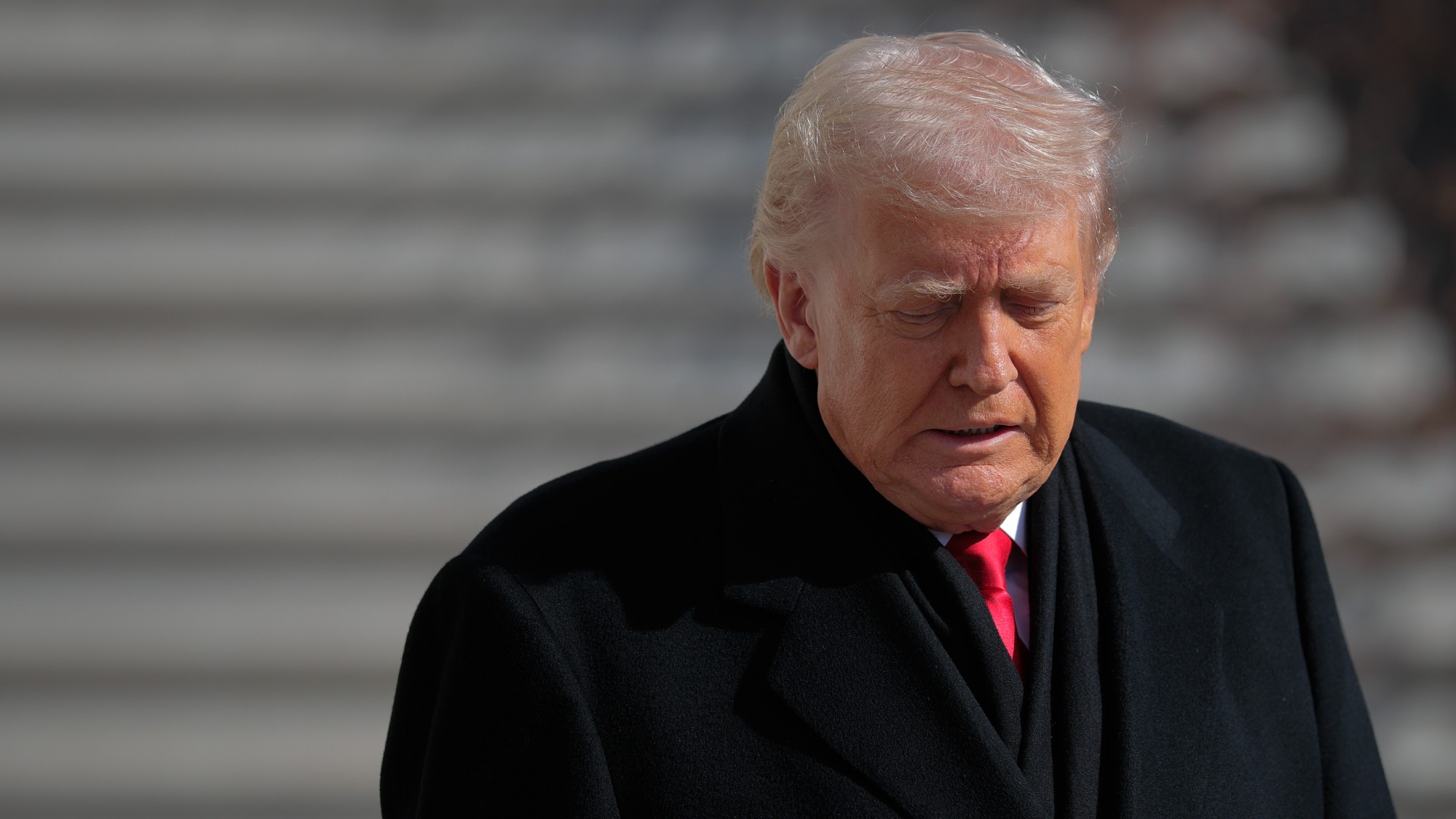
    In the final days of his presidency, Richard Nixon “came unglued”, said Jamelle Bouie in The New York Times. He reportedly became irrational and obsessive, making wild suggestions and rambling about his past triumphs. His son-in-law and adviser Ed Cox recalled that Nixon would wander the halls of the White House “talking to pictures of former presidents”. Alas, it seems Donald Trump has reached similar depths of “self-destructive mania”. Witness his recent unhinged letter to Norway’s prime minister, Jonas Gahr Støre, in which Trump implied that he was entitled to seize Greenland owing to Norway’s failure to award him the Nobel Peace Prize. Where to begin? Norway’s government doesn’t choose the winner of the prize. Nor does it own Greenland. And Trump hasn’t, as he insisted, “stopped 8 Wars PLUS”, or anything close. “We have three years left with a mad king. It does not feel sustainable.” 

    “Trump has the world’s most consequential case of untreated logorrhea,” said Susan B. Glasser in The New Yorker. According to a new study, in this first year of his second term he has spoken 1,977,609 words in presidential appearances – 145% more than in the first year of his first term. In his speech in Davos last week, he rambled on for a full hour and a half. In the course of his address he, among other things, explained that only “stupid people” buy wind turbines, and admitted that he had decided to raise tariffs on Switzerland because its prime minister – “a woman” – had “rubbed me the wrong way”. He also kept confusing Iceland and Greenland. Americans are somewhat inured to Trump’s “manic performance art”, but the stunned reaction of Europeans should be a wake-up call. Many there were openly asking: has this man lost his mind? Is he still capable of running the US? 

    In “a saner, better world”, Trump’s cabinet officials would be discussing invoking the 25th Amendment, said Jim Geraghty in National Review. But of course none of them would dare suggest he was unfit to discharge his powers. Nor did President Biden’s colleagues when he started zoning out in meetings and forgot the name of his defence secretary, Lloyd Austin, referring to him in an interview simply as “the black man”. “After one president who went senile in office and another who is nuttier than a Payday candy bar, we can only conclude that the 25th Amendment of the Constitution is there for decoration.”


    viewpoint

    Reflexive pronoun creep

    “Please direct questions to Emma or myself. Does that work for yourself? Britain has a reflexive pronoun epidemic. Blame call centres and corporate emails. ‘Me’ and ‘you’ are small words but adequate. Yet plain speech is feared in some companies: too blunt, assertive, human. Instead, we are peppered with extra syllables. ‘Myself’ and ‘yourself’ are linguistic panic buttons, attempts at faux deference, scattered across corporate discourse. But they are gibberish. As reflexive pronouns, myself and yourself require a prior subject (I, you): I hurt myself. My view is that misuse should be a capital offence. How does that sound for yourself?”

    Oliver Duff in The i Paper


    It wasn’t all bad

    Last year, for the first time, more than half of EU states generated their electricity by wind and solar rather than by fossil fuels. Wind turbines and photovoltaic panels generated 30% of the electricity, ahead of coal, oil and gas-powered plants on 29%. This is a “major tipping point” for clean energy, said the report’s lead author, Beatrice Petrovich. And it’s not just important for the climate, she added. “The danger of relying on fossil fuels looms large in destabilised geopolitics.”


    People

    Julian Barnes

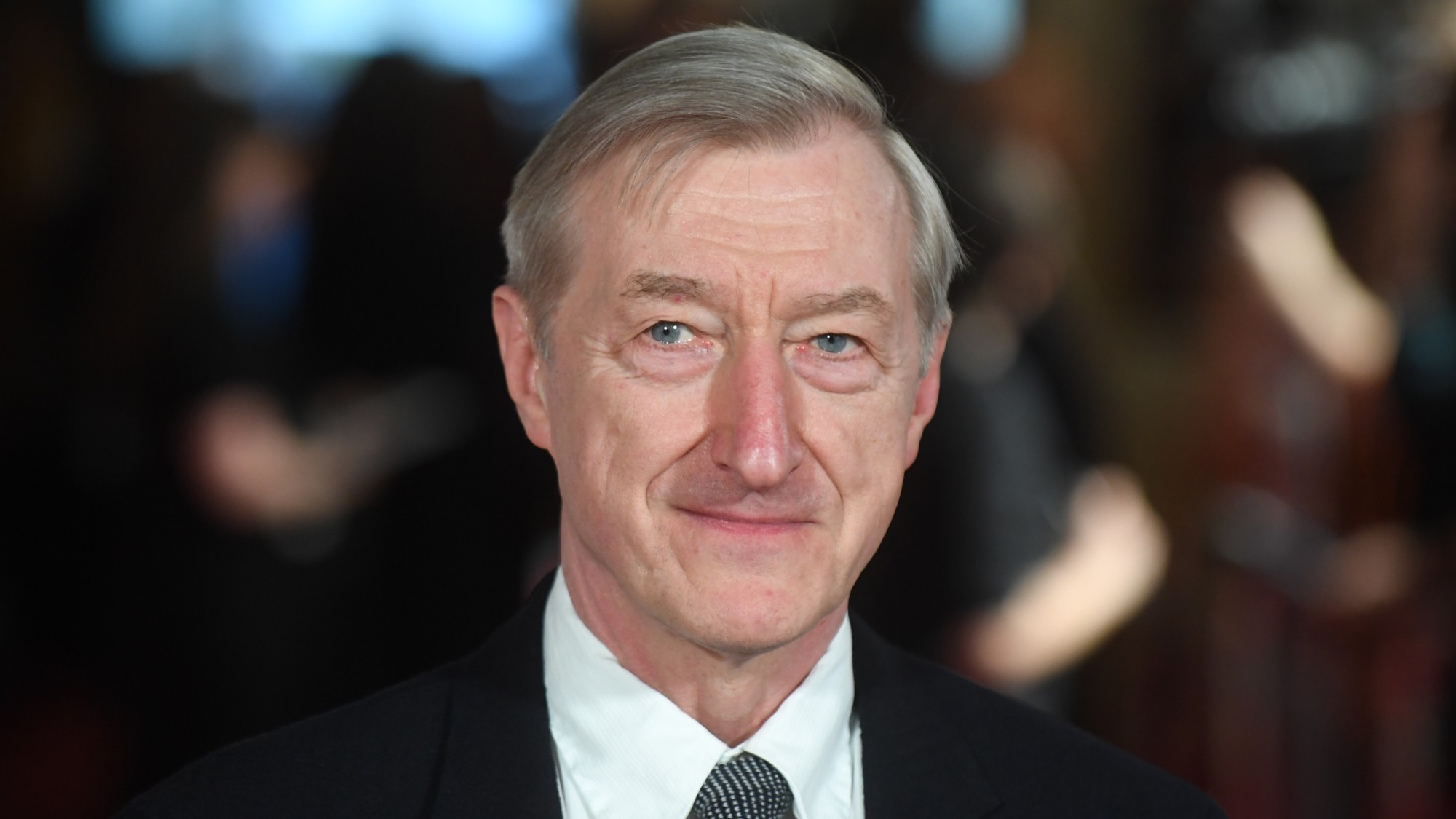
    Julian Barnes has nearly 40 books to his name, but at the age of 80 he feels, he told Mick Brown in The Telegraph, “that I’ve played all my tunes”. Six years ago, Barnes was diagnosed with a rare type of blood cancer, and though he could carry on cranking out books, he doesn’t think that would be right. “You ought to go on until you’ve said everything you’ve got to say, and I’ve reached that point.” 

    So he has written what he considers his valedictory work, “Departure(s)”. In it, he writes that the idea of “being brave” in the face of cancer isn’t quite accurate. “The obituary line, ‘He died after a long struggle, bravely borne,’ should read, ‘He died after cancer had a long, brave struggle with him.’” At the moment, he thinks that he and the cancer are at a tie – but it’s not a permanent one. 

    Does he fear death? “I don’t approve of it,” he says with a laugh. “I don’t think it’s got anything in it for me.” Would it be easier to confront if he believed in God? He nods. “I think it was Voltaire, they brought a priest to see him towards the end, and he said, ‘Send him in, now is no time for making enemies.’” Barnes has no interest in making grand final pronouncements; at the close of his book, he simply bids farewell to his readers. “But I do like the first Lord Grimthorpe’s urgent dying message to his wife: ‘We are low on marmalade.’” He laughs. “That’s very good, isn’t it?”


    Image credits, from top: Chip Somodevilla / Getty Images; Dan Kitwood / WPA Pool / Getty Images; Ali Haj Suleiman / Getty Images; Stuart C. Wilson / Getty Images
     

    Recent editions

    • Morning Report

      Trump and Democrats strike deal as shutdown looms

    • Evening Review

      A Republican gun rift

    • Morning Report

      ICE backlash spreads to federal court

    VIEW ALL
    TheWeek
    • About Us
    • Contact Future's experts
    • Terms and Conditions
    • Privacy Policy
    • Cookie Policy
    • Advertise With Us
    • FAQ
    Add as a preferred source on Google

    The Week is part of Future US Inc, an international media group and leading digital publisher. Visit our corporate site.

    © Future US, Inc. Full 7th Floor, 130 West 42nd Street, New York, NY 10036.