With rising bills, deteriorating river health and a lack of investment, regulators face an uphill battle to stabilise the industry
What’s wrong with the system?
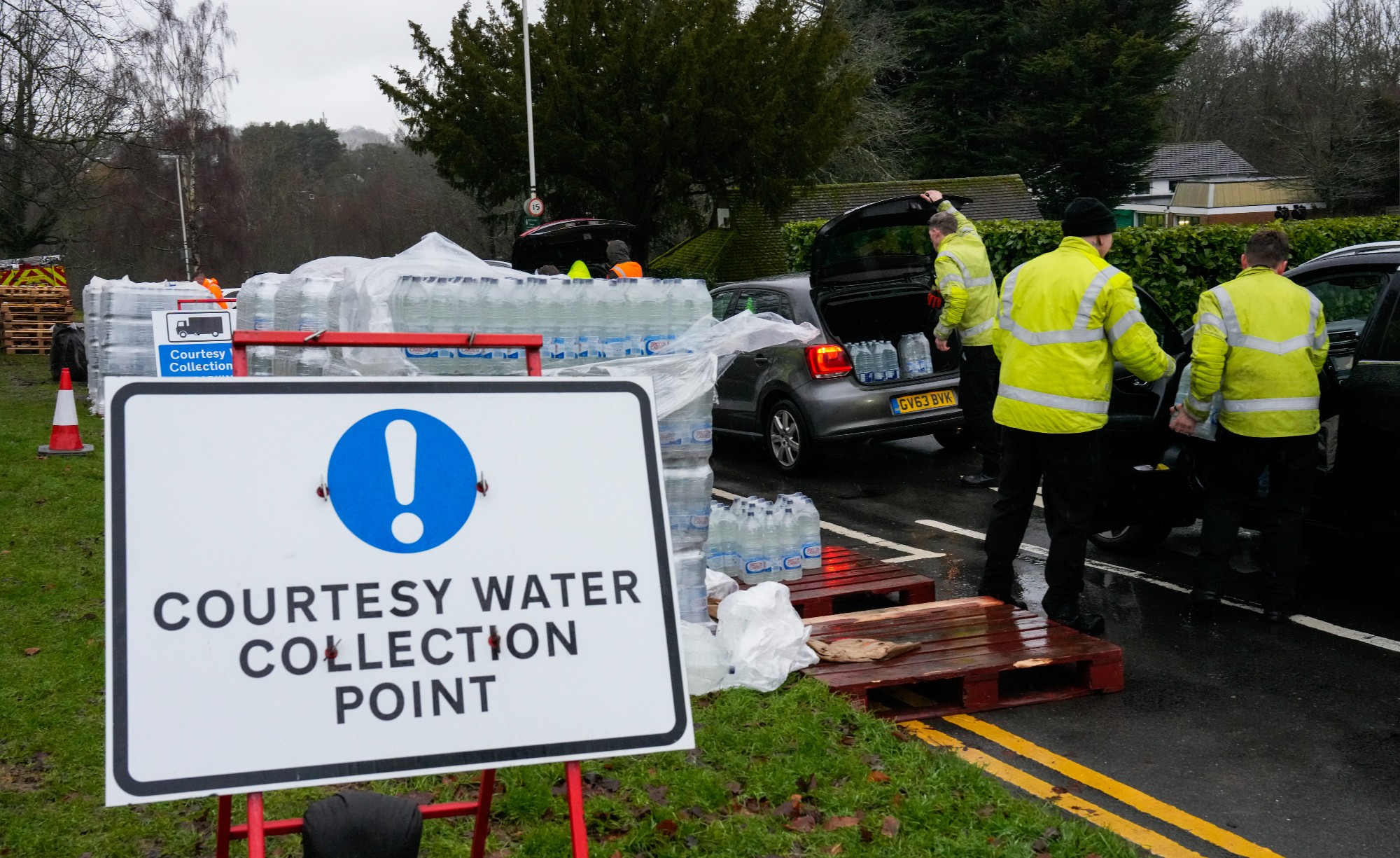
Bills have gone up – Ofwat estimates that they will be 67% higher in real terms in 2025-2030 than they were in 1989-1994 – but customers widely believe they are receiving a worse service. Some have suffered serious outages, most recently in Kent and Sussex, where about 30,000 households were left without water for up to six days in January. Many complain of low pressure and the regular imposition of hosepipe bans, when an estimated three billion litres of water are lost to leaks every day in England and Wales. By far the biggest complaint, though, is about pollution: water companies discharged untreated waste into England’s rivers and seas 450,398 times in 2024. Some 14,500 sewage overflow pipes, which are meant only to operate in emergencies, discharged for a total of 3.6 million hours. Just 15% of rivers in England are deemed to be in good health.
How is the water system structured?
The industry was privatised in 1989, when the 10 publicly owned water and sewerage authorities that served England and Wales were floated on the London Stock Exchange. Under the Water Act 1989, the government wrote off their debts to the tune of £5 billion, and gave them a “green dowry” of £1.5 billion between them to fund infrastructure improvements. Now, there are 11 large regional water and wastewater companies in England and Wales, and only three of them are still listed on the stock exchange. Seven are privately owned by investor consortiums; Welsh Water operates as a not-for-profit. Scotland’s water, meanwhile, remains largely in public ownership. Water companies are regulated by four independent bodies: Ofwat (which sets price controls and supervises economic matters); the Environment Agency (which leads on pollution in England); Natural Resources Wales (which does the same in Wales); and the Drinking Water Inspectorate.
And what’s behind the problems?
Insufficient investment in pipes, sewage systems and other infrastructure has left the network in a very poor condition. This is the consensus, encapsulated in last year’s independent review led by Jon Cunliffe, a former deputy governor of the Bank of England. At the same time, the system faces considerable strain from a population that has grown by millions since 1989, and from droughts and floods linked to climate change. Cunliffe also reflected a broad consensus that the existing regulatory framework has failed.
How have regulators failed?
Having multiple regulators with overlapping remits means no single body is accountable. Ofwat has historically prioritised keeping bills low, at the expense of investment in infrastructure. It lacks specialist engineering expertise, and has been accused of “regulatory capture” (having too cosy a relationship with the companies). It has until recently tolerated very poor environmental performance; and it has approved expenditure and investment plans that have turned out to be flawed and had a negative impact on the sector. As for the Environment Agency, its enforcement funding was cut by nearly two-thirds between 2010 and 2021, from £120 million to just £43 million, seriously hindering its efficacy.
How much is privatisation to blame?
Cunliffe concluded that the first 10 to 15 years of privatisation were a partial success: they mobilised capital and infrastructure works that the publicly owned system had struggled to secure. Drinking-water quality improved; leakages fell. But from the early 2000s, privatisation led to grave problems. Water companies, often in the hands of foreign investors or private equity firms, accumulated large debts and began paying substantial dividends, which arguably prevented investment. By 2023, the companies collectively owed more than £64 billion in debt, but had extracted dividends of more than £78 billion (since privatisation). Some, notably Thames Water, have been brought to the brink of financial collapse. Yet they have continued to pay huge salaries and bonuses: in the 2024/25 financial year, the average pay of water company chief executives reached £1.1 million.
Should the water companies be renationalised?
The then environment minister, Steve Reed, prevented Cunliffe from considering renationalisation. The government argued that buying back the water companies would be very expensive (the cost to the taxpayer is often put at around £100 billion); that it would be complex administratively; and that the process would get bogged down in complex legal challenges, making it harder to address urgent issues such as pollution and investment. Cunliffe also concluded that comparable nationalised water systems were not necessarily better run than their privately owned counterparts. The campaign group We Own It, among others, disagrees, pointing out that Europe’s best water utilities, from Austria to Greece, are all publicly owned.
What is the government doing?
Last month, the government set out its full response to the Cunliffe report in a White Paper. Ofwat will be abolished and replaced with a new all-powerful “super regulator” for England and Wales. This new body will be given powers to carry out “no notice” surprise inspections of sewage treatment works and other infrastructure; there will also be regular “MoT-style” checks on water infrastructure; and failing companies will be put into a “performance improvement regime”. Ministers have pledged to halve sewage overflow discharges by 2030. The hope is that regulation will be greatly improved, while the cash will flow into infrastructure improvements: £104 billion has been promised by 2030. The one certainty is that consumers will pay: bills in England rose by 26% on average in 2025/26, and will rise by an average of 5.4% next year.
The unacceptable face of privatisation
England is unusual in its reliance on the private sector to provide water services. It’s the only country in Europe to have fully sold its water infrastructure – including pipes, reservoirs, boreholes and treatment plants – to private owners. And for critics, the unacceptable face of privatisation is Thames Water, Britain’s largest water company. After its flotation in 1989, Thames Water plc was bought first by the German utility company RWE, in 2001, and then in 2006 for £8 billion by Kemble Water Holdings Ltd, a consortium led by the Australian banking group Macquarie. Kemble did invest in infrastructure, at a level of about £1 billion per year, but Thames Water’s debt – relatively cheap at the time – rose from about £3.4 billion to around £10.8 billion, while some £2.7 billion was paid out in dividends to investors. Macquarie sold its share in 2017, having made 12%-13% annual returns. By 2024, Thames’ debts had hit £15 billion, and it was in deep crisis because, after necessary spending, it could not meet its growing debt obligations. Last year, it was given the worst pollution rating of any English water company. And its debts were so unmanageable that it needed a £3 billion emergency loan. Ministers had to prevent Thames from paying its executives large bonuses from the loan.