The Week The Week
flag of US
US
flag of UK
UK
https://cdn.mos.cms.futurecdn.net/flexiimages/jacafc5zvs1692883516.jpg

SUBSCRIBE & SAVE

Less than $3 per week

Sign in
  • View Profile
  • Sign out
  • The Explainer
  • The Week Recommends
  • Newsletters
  • Cartoons
  • From the Magazine
  • The Week Junior
  • More
    • Politics
    • World News
    • Business
    • Health
    • Science
    • Food & Drink
    • Travel
    • Culture
    • History
    • Personal Finance
    • Puzzles
    • Photos
    • The Blend
    • All Categories
  • Newsletter sign up Newsletter
  • Saturday Wrap, from The Week
    Merz’s ‘disaster’, the welfare bill, and Russian disinformation

     
    controversy of the week

    The political walking dead: ‘Germany’s zombie chancellor’

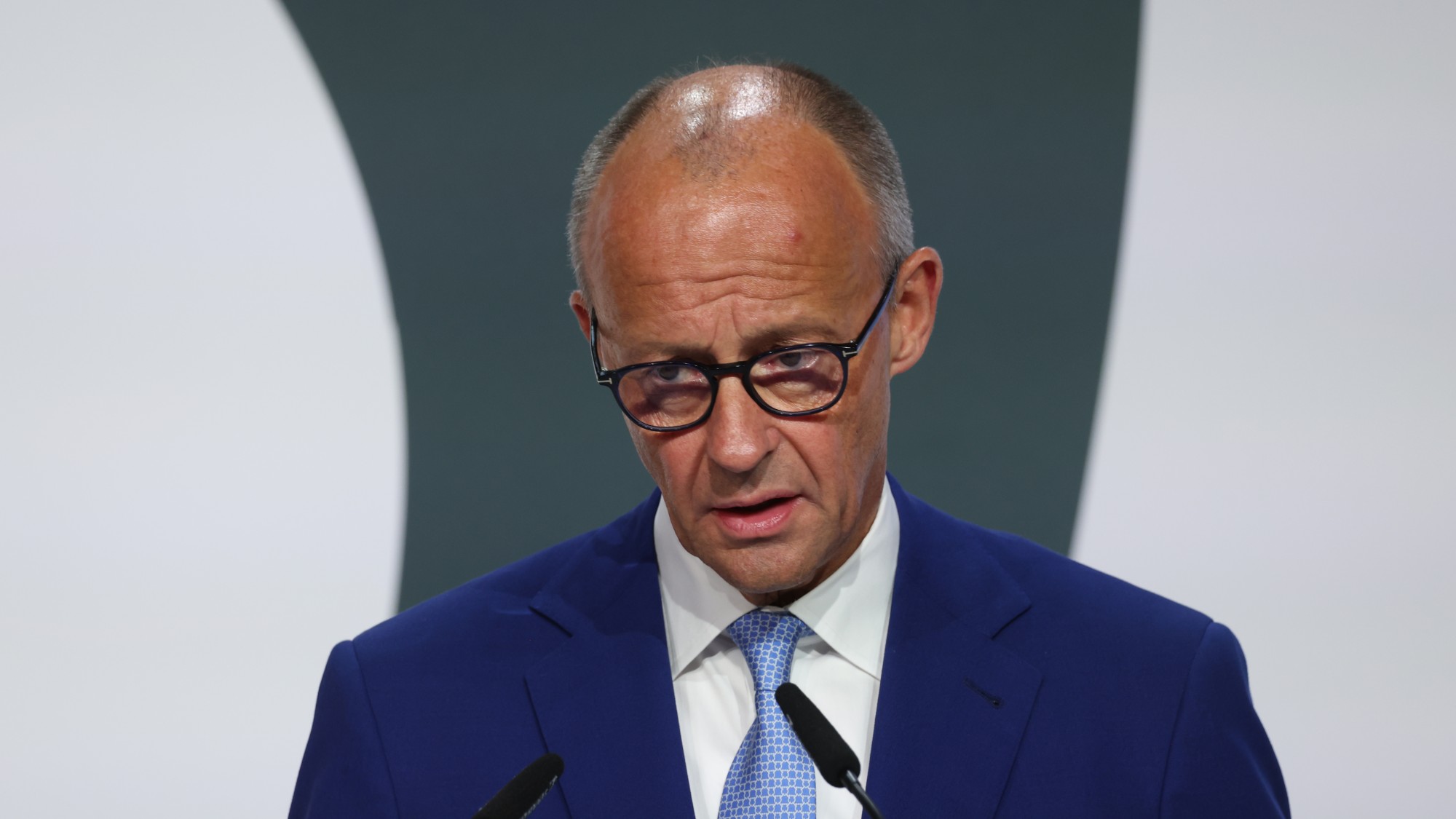
    “A disaster.” That was German Chancellor Friedrich Merz’s verdict on his party’s showing in the state election in Mecklenburg-Western Pomerania last week, said Klára Odstrcilová on EU Perspectives. 

    The state is one of the five that made up the former East Germany (there are 16 German states in total). And though Merz’s Christian Democrats (CDU) won 38% in the first state election held after reunification in 1990, it has been shedding support there ever since. In the previous state election (2021) it won just 13%. 

    Even so, no one expected that this time the CDU wouldn’t even make 5% – the threshold a party has to cross to gain parliamentary representation. By contrast, the far-right AfD (Alternative for Germany) party – which had vowed to bring down energy prices by restoring the supply of Russian gas (the state is home to the terminal of the suspended Nord Stream pipelines) – more than doubled its vote share to 38.2%. So yes, Merz is right: a disaster, indeed. 

    Nor was the CDU’s failure confined to Mecklenburg-Western Pomerania, said The Economist. On the very same day as that debacle, the party got thumped in Berlin’s local elections, in this case being humbled by the far-left Die Linke party. And these twin losses came just two weeks after the CDU had suffered a crushing defeat in another east German state, Saxony-Anhalt, where the AfD triumphed with 43.8%. Indeed, Merz has acquired the dubious distinction of being the most unpopular German leader in polling history: his approval rating is just 13%. 

    Yet despite all this, he has vowed to stay on for the sake of Germany’s “democratic future”, and to pursue his economic and welfare reforms with “backbone, steadfastness, and patience”. Brave words, but some of Merz’s own colleagues believe their “zombie chancellor” can’t go on. 

    That the CDU, which has produced more chancellors than any other party, should now be “plunged into an existential crisis” is all down to Merz, said Hugo Müller-Vogg in Cicero. He’s only been in power for 16 months, but over that time the national vote share of the CDU and its Bavarian sister party, the Christian Social Union (CSU), has fallen from 28.5% to around 20%. Merz’s fractious coalition with the centre-left Social Democrats has completely failed on its promises to contain the far-right and reverse economic stagnation. 

    Immigration is usually the issue people cite when accounting for the rise of the AfD, said Dalia Marin on Project Syndicate. But more attention should be paid to a factor every bit as crucial: China. Economic competition from China has upended Germany’s export model of selling cars and high-end machinery, and devastated the advanced manufacturing industry Germans have long relied on for “good jobs and broad-based prosperity”. Average annual growth since 2020 has slumped to just 0.12%. Nor does this only affect the poorer, former communist eastern states that are the AfD’s heartlands: “western” states such as Baden-Württemberg, home to Mercedes-Benz and Porsche, also feel the pain. In March, the AfD almost doubled its vote share there to 18.8%: it should no longer be seen as just a creature of the east. 

    Merz himself now seems to have entered “Kanzlerdämmerung” – the twilight of the chancellor, said Zafer Mese in Daily Sabah : his coalition looks marooned. However, no CDU or CSU politician has stepped forward to replace him, so he may cling on for a while yet. 

    And he has one thing in his favour, said Roland Nelles in Der Spiegel. Next year’s five state elections are all in western states, ones where the AfD, despite its recent gains, will struggle to land a knockout blow. The “stabilising effect” this will have could lend the coalition a small window of opportunity in which to kick-start growth through its welfare and pension reforms. They’d better hope it does: if not, more election nights like the ones last week will follow.


    Briefing of the week

    The welfare bill

    Is spending on benefits really out of control? What exactly do we spend on welfare, and who receives it?

    How much do we spend overall? 
    The government spent £329.1 billion on benefits in the financial year 2025/26 – equivalent to 10.7% of GDP, and about £4,700 per person in Britain. It amounts to roughly a quarter of all government spending, and dwarfs the totals spent on the NHS (about £257 billion), education (about £126 billion) and defence (about £62 billion). The welfare bill increased by about £18.8 billion in the last financial year; by 2030/31, it is expected to rise to £408.6 billion. This projected increase is fuelling calls from across the political spectrum to rein in welfare spending, particularly on disability and incapacity benefits; many also argue that increases in pension spending are unsustainable. 

    Who receives this money? 
    More than 24 million people claimed some form of Department for Work and Pensions (DWP) benefit in August last year. Of these, 13.4 million were pensioners: of the entire welfare budget, about 55% goes to pensioners. The state pension cost an estimated £146 billion in 2025/26; and another £31 billion or so went on pension credit, housing benefit for pensioners, the winter fuel allowance, and so on. In total, the UK spent £145 billion on benefits for working-age people and children – including incapacity and disability benefits (£77 billion); housing benefit (£37 billion); and child benefit (£13 billion).

    Last August, about 10 million recipients were of working age; and 860,000 were children receiving disability living allowance. Around a third of working-age benefit claimants are in employment of some kind (for example, low-paid workers get in-work top-up via universal credit). The latest figures show 1.6 million people who are fit for work are claiming an unemployment benefit; the cost, spread across different benefits, is some £1.4 billion.  

    Why is the bill rising? 
    In no small part because of pensions. Since the “triple lock” was introduced by the coalition government in 2011, pensions have been guaranteed to increase by whichever is highest: inflation, average wage growth or 2.5%. This has led to sharp rises in the state pension in recent years, when inflation and wage growth have run high (pensions rose by 10.1% in 2023, 8.5% in 2024, 4.1% in 2025, and 4.8% in 2026).

    By 2030, the Office for Budget Responsibility (OBR) reckons the triple lock will add £15.5 billion a year to the welfare bill. But pensions are by no means the only factor. Benefits are also rising because more people are claiming disability and incapacity benefits. In 2010, Britain spent about £45 billion on such benefits; by 2025, this had risen to £77 billion.  

    Which benefits are these? 
    By the middle of this year, more than 4.5 million people in England and Wales were claiming at least one of an overlapping patchwork of incapacity and disability benefits, up from fewer than three million in 2020. The fastest growing is the Personal Independence Payment (Pip): cash payments to cover the extra costs of being disabled – a payment that has gradually replaced the older disability living allowance and incapacity benefit. By July, 4.1 million people were claiming a Pip in England and Wales, up 7% from last year’s 3.83 million; in 2019 there were two million. More than two million now receive health-related benefits under a separate universal credit regime. 

    So are people getting sicker? 
    Some experts point to worsening public health since the 2008 financial crisis, citing factors such as growing obesity, long hospital waiting times, the cost-of-living crisis and other social causes. But critics of the system argue that the rise in disability and incapacity claimants owes more to broadening definitions of disability – and especially to an increase in people claiming benefits for mental health conditions. In 2002, 25% of disability benefit recipients claimed primarily for a mental health condition (or a learning or neurodevelopmental condition); by 2025, this had risen to 45%. About one in seven working-age Britons now report having a long-term mental or behavioural disorder (up 50% in a decade). 

    How can this be explained? 
    Again, by most measures there has in fact been a recent increase in mental ill-health in Britain, particularly since the pandemic. Most European countries have seen similar trends; but most have not seen this translate into higher health benefit claims. Another possible explanation is the collapse in face-to-face assessments for Pip claims (down from 80% pre-pandemic to less than 15% in July 2026), which may make it harder to weed out bogus claimants – some of whom are coached by AI bots or so-called “sickfluencers” on social media. A further explanation may lie in the design of the welfare system itself, which encourages people to seek generous long-term sickness benefits. 

    Is the welfare bill sustainable? 
    It is often said to be “spiralling”, but the overall bill has remained pretty stable as a proportion of the UK’s national income. Welfare spending amounted to just under 11% of GDP in the last financial year – up from 10.4% in 1996/97, but lower than the peak of 12.4% in 2009/10. In fact, total non-pensioner benefits have hovered between 4% and 5% for more than 40 years. International comparisons are difficult, but the UK’s welfare bill is by most measures right in the middle of the OECD developed nations – it spends far less as a share of GDP than, say, France or Italy, and far more than the US or South Korea.

    Despite recent increases, the state pension is relatively ungenerous, though Britons do have good private pensions. Spending on disability and incapacity benefits is growing fast: it is set to hit 2.1% of GDP in 2028 (almost double the share two decades earlier). The Timms Review into the Pip system is due soon, but an interim report has already deemed it “unfit for purpose”. Pat McFadden, the work and pensions secretary, said this week that Labour would make benefits reform a “moral crusade”.

    Perverse incentives 
    If you’re unemployed, you don’t get much from the state. Unemployment benefit under universal credit is £339 per month if you’re under 25, £425 if you’re over 25. Add in housing benefit, and it reaches around £12,000 per year. However, if you have a long-term disability or a health condition, you get extra payments (at least £217 a month more). If you are categorised in the higher form of sickness benefits, the overall figure rises to over £17,000, according to Centre for Social Justice figures. Add in Pip, and it reaches an average of £24,000, just below the full-time minimum wage. Add in child benefit for one child, and you are paid over £27,000 – closer to the national average wage. Obviously, the system gives powerful incentives for people to claim sickness, physical or mental; and, unlike with unemployment benefit, it brings with it little or no pressure to seek a job. There are currently around 1,000 new Pip claims submitted every day in the UK; about 34% are successful. 

    However, reform is difficult: it is perceived as an attack on society’s most vulnerable. When Keir Starmer tried to tighten the assessment criteria for Pip, with a bill in June 2025 designed to save £5 billion per year, a threatened rebellion by 126 Labour MPs forced him to back down.



    Spirit of the Age

    The boss of shoe repair and key-cutting chain Timpson has revealed that requests from people wanting extra holes punched into their belts have risen 680% this year. James Timpson put the surge in demand for the free service down to the explosion in the number of people using GLP-1 weight-loss drugs. From Timpson’s data, “you can tell Ozempic and Mounjaro are popular”, he said in a post on X. In England last year, NHS data shows that more than a million people were taking such drugs, up from some 200,000 three years ago.


    VIEWPOINT

    Labrador politics

    “Bang goes the labrador vote. At Labour’s conference, Jenny Riddell-Carpenter, the under-secretary of state for nature, attacked the picture of a rural England of ‘warm ale and a black labrador by your feet’, in ‘a pub that doesn’t exist’, as a ‘far-right’ fantasy. Well, try suggesting that on Friday night in Derbyshire’s Flying Childers (a local which does exist) to an audience including a fair few fireside dogs (which do include labradors). I think she may have been trying to make a serious point about needing to look past the thatched cottage and see the countryside in the round. But that she found it impossible not to do so in the language of class hatred is depressing.” 

    Matthew Parris in The Times


    talking point

    Russian disinformation: a new crackdown

    Back in 2020, Barack Obama warned that Western democracies were facing a crisis because citizens increasingly occupied different realities, and struggled to agree even on basic facts. “If we do not have the capacity to distinguish what’s true from what’s false,” he said, “then by definition the marketplace of ideas doesn’t work.” 

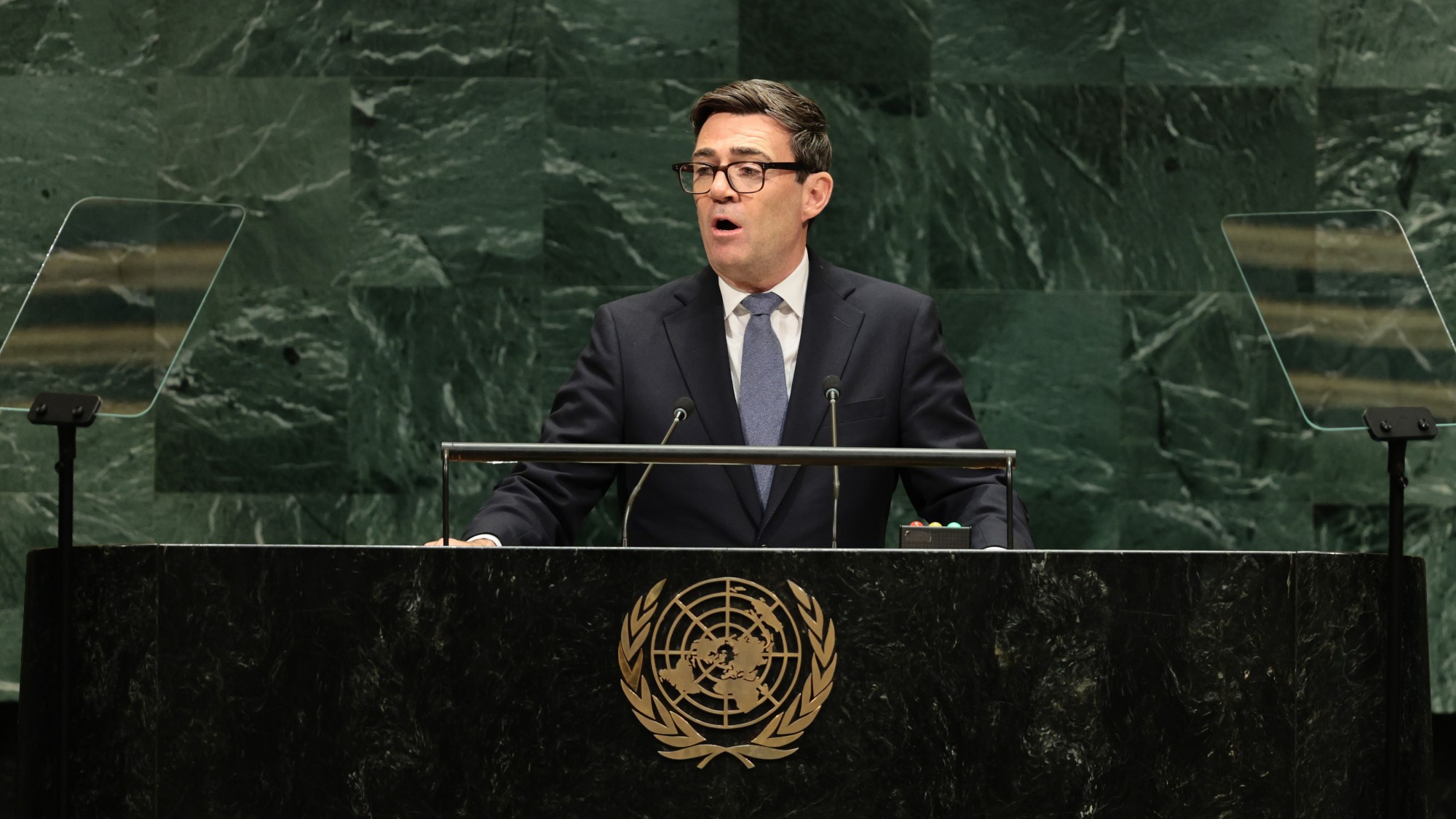
    That vulnerability has only grown since then, said The Guardian, not least because “democracy’s enemies have become more determined to exploit it”. This is the threat that Andy Burnham highlighted in his speech to the UN last week. The PM accused Russia of waging an “industrial-scale assault” on the UK’s “information environment”, using armies of bots and fake websites to spread falsehoods, inflame tensions and interfere in elections. He announced the creation of a “National Centre for Information Defence” to thwart campaigns by hostile actors. It was a welcome, and overdue, step – although Burnham failed to mention one important part of the story. “The Kremlin would be wasting its money” if US platforms such as X “didn’t provide channels for the toxin to spread”. 

    The Kremlin, according to Burnham, spends around £1.3 billion a year manipulating information. “He pointed to bots, fake websites, fabricated newspaper articles and the forging of the branding of 28 British organisations, including universities and the BBC,” said Hamish de Bretton-Gordon in The Telegraph. “Social media and AI have taken an old Soviet weapon and strapped a rocket to it.” 

    This is “an age of information warfare”, said Dominic Adler on UnHerd. When the Iranian regime disconnected internet access in January, “a network of pro-Scottish independence social media accounts” suddenly went silent. There is evidence that Russia “weaponised” the Henry Nowak case, feeding the anxieties of the British far-right. But foreign powers have always used propaganda against their enemies; only the medium is new. And this new unit worries free-speech advocates: can the government be trusted to “separate opinion from genuine disinformation”? 

    Given that GCHQ is already responsible for detecting and disrupting information attacks from hostile states, what is the new National Centre for Information Defence actually for, asked David Shipley in The Spectator. The government published its initial plan in the spring, saying that it was designed to take on “extremists” who “foment division and target UK institutions”, including “digital grifters” and “politicians of grievance”. All this sounds very much like the state trying to extend control over speech it sees as threatening. The fear is that a “Ministry of Truth” is being set up in Whitehall.


    It wasn’t all bad

    A gene-edited banana that lasts longer in the fruit bowl could soon appear on supermarket shelves. Scientists at the Norwich-based start-up Tropic Biosciences edited the fruit’s genome to block the release of an enzyme called polyphenol oxidase, which is responsible for bananas going brown and mushy. If the fruit passes its final regulatory hurdle – the Food Standards Agency’s safety checks – and is widely sold, it could massively reduce banana waste: an estimated 20% of bananas are thrown away because they’ve turned brown.


    People

    The Rooneys

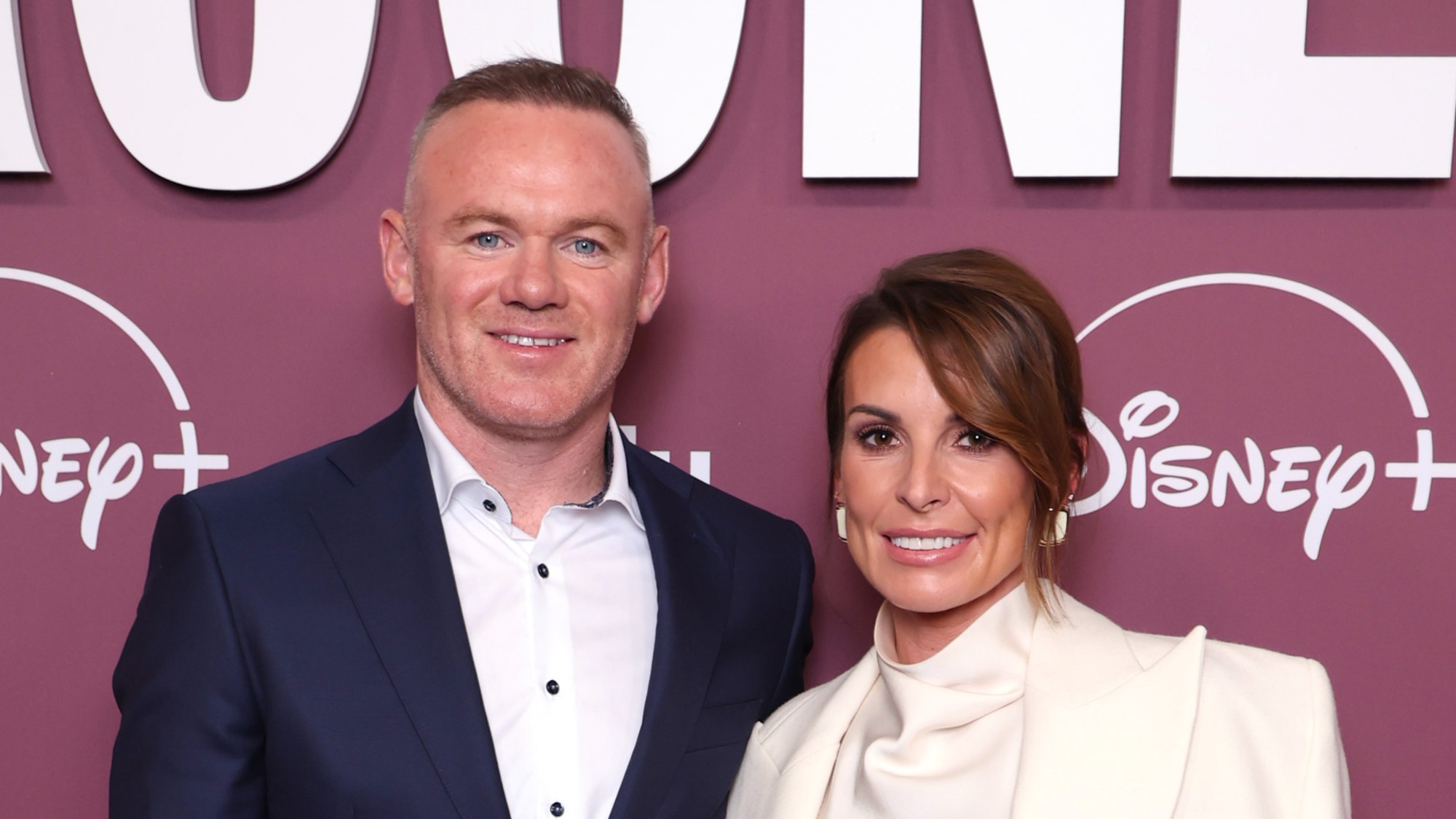
    Perhaps the most surprising thing about Wayne and Coleen Rooney, says Simon Hattenstone in The Guardian, is that the couple are still together. They first met at the age of 12, when they were growing up in Croxteth, a working-class suburb of Liverpool. They started dating at 16; and at 22, they got married. Rooney was by then already a huge football star – and so their relationship was tabloid fodder more or less from the start. 

    Wayne, especially, didn’t always handle this well. He was wounded when, aged 16, it was falsely reported that he couldn’t read or write; and it was painful when his personal failings (not least paying for sex in backstreet massage parlours) were splashed on the front pages. Owing to all that, plus his “aggressive” playing style, he thinks most people made up their own minds – basically, he says, that he is an “arsehole” – years ago. 

    But these days, he and Coleen present as a fairly typical married couple. They live expensive lives, but still visit family back in Croxteth. She runs the house and marshals their four boys, aged eight to 16. Wayne is “funny and laid-back”, she says, but can be impatient. Do they argue much? “I can’t remember the last time,” says Wayne. “We’ve been on a good run lately, haven’t we? We’ve not had a row for weeks and weeks.” In any case, he’s learnt to keep his counsel if things get heated. “[I] let her get it off her chest. I don’t think I’ve ever won an argument with her.”


    Image credits, from top: Sean Gallup / Getty Images; Nathan Stirk / Getty Images; Michael M. Santiago / Getty Images; Mike Marsland / Getty Images / Disney+
     

    Recent editions

    • Morning Report

      Trump grabs Congress’ purse strings

    • Evening Review

      Will the Cornell rape case change anything?

    • Morning Report

      Heroics and horror in midair cockpit stabbing

    VIEW ALL
    TheWeek
    • About Us
    • Contact Future's experts
    • Terms and Conditions
    • Privacy Policy
    • Cookie Policy
    • Advertise With Us
    • FAQ
    Add as a preferred source on Google Add as a preferred source on Google

    The Week is part of Future US Inc, an international media group and leading digital publisher. Visit our corporate site.

    © Future US, Inc. Full 7th Floor, 130 West 42nd Street, New York, NY 10036.