The Week The Week
flag of US
US
flag of UK
UK
https://cdn.mos.cms.futurecdn.net/flexiimages/jacafc5zvs1692883516.jpg

SUBSCRIBE & SAVE

Less than $3 per week

Sign in
  • View Profile
  • Sign out
  • The Explainer
  • The Week Recommends
  • Newsletters
  • Cartoons
  • From the Magazine
  • The Week Junior
  • Student Offers
  • More
    • Politics
    • World News
    • Business
    • Health
    • Science
    • Food & Drink
    • Travel
    • Culture
    • History
    • Personal Finance
    • Puzzles
    • Photos
    • The Blend
    • All Categories
  • Newsletter sign up Newsletter
  • Sunday Shortlist, from The Week
    An ‘inspiring’ musical and an ‘illuminating’ biography of a ‘towering’ politician

     
    FILM REVIEW

    LS Lowry: The Unheard Tapes    

    Freshly unearthed interviews with the celebrated Mancunian artist, lip-synced by Ian McKellen

    In 1972, the artist L.S. Lowry, then in his 80s and a “reluctant celebrity”, sat down in his living room for an interview with a young fan, said James Jackson in The Times. It was meant to be a one-off encounter, but it turned into an ongoing “four-year project”.

    In this one-hour BBC2 programme, Ian McKellen appears as “the great Mancunian observer of ordinary lives”, lip-syncing to the freshly unearthed audio from those meetings. This takes some “getting used to”, but after a while it is “impossible to look away”.

    We learn about Lowry’s relationship with his parents, “how he found his niche painting Pendlebury’s townscapes after his family were forced to downsize from their middle-class neighbourhood”, and his bachelorhood. But the film is not just about him; it also serves as “an epitaph” for his subject: “an industrial Manchester obliterated by the slum clearances”, a place “of hurrying crowds and tightly bonded communities. A vanished North.”

    “Lip-syncing can be toe-curling to witness,” said Chitra Ramaswamy in The Guardian. But McKellen’s “is a thing of bleak and beautiful northern wonder, all obfuscating harrumphs and carefully placed blows on his hankie”. The show tells a “fascinating” story, about the artist and our “attitudes to art and heritage”, said Nick Curtis in The Independent. When he died, Lowry’s estate was valued at less than £300,000; in 2022, one of his works sold for £7.8 million. The factories he painted are gone; and he “couldn’t have imagined… the sparkling Lowry gallery” that now stands in their place.


    theatre REVIEW

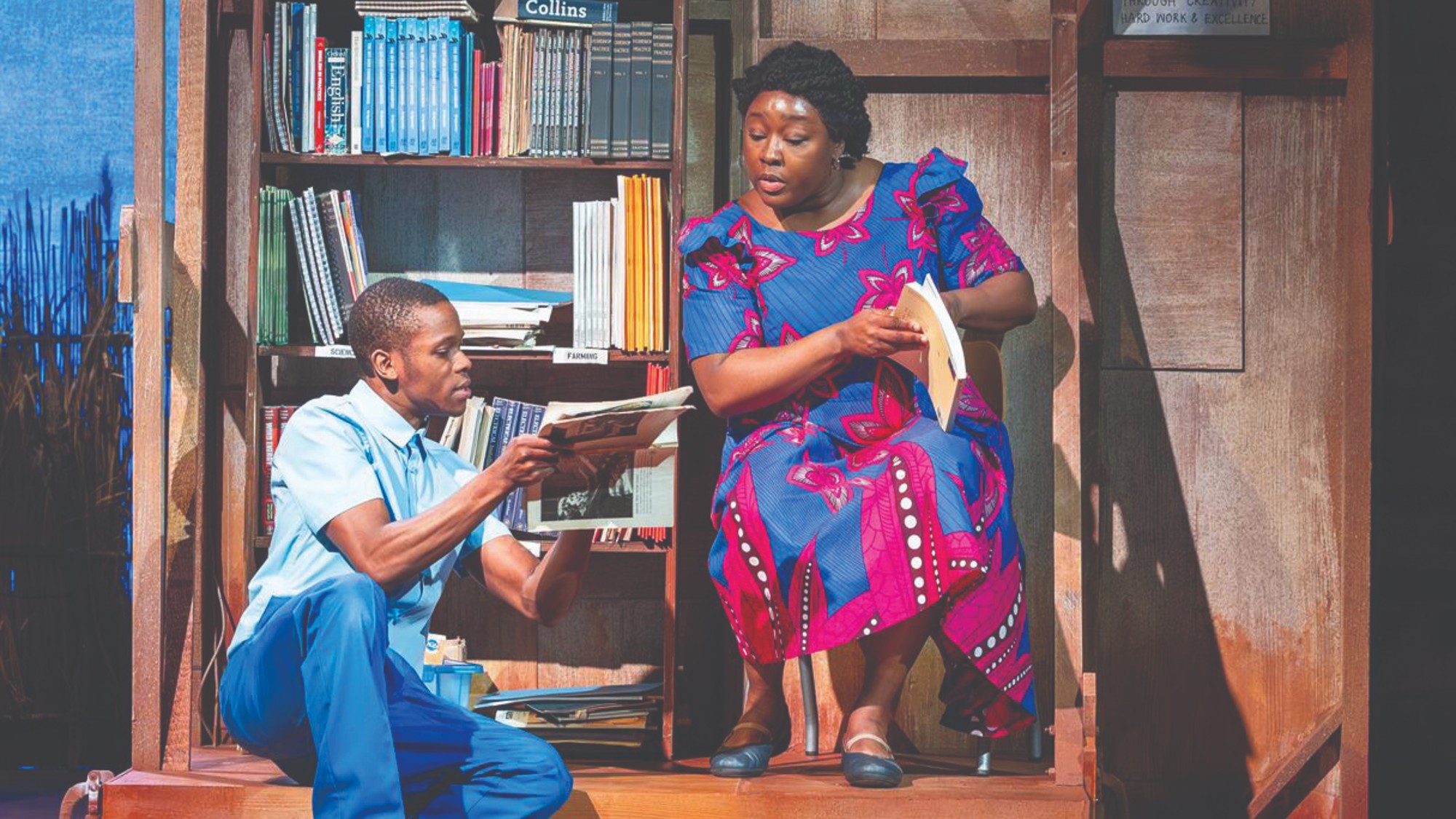
    The Boy Who Harnessed the Wind

    ‘Life-affirming’ show about the Malawian inventor William Kamkwamba

    The RSC’s “inspiring” new musical is based on William Kamkwamba’s bestselling memoir, which recounts how – as a boy in Malawi – he built a wind turbine to save his village from drought.

    A bookish teenager who defied philistinism at home and at school, William has shades of Roald Dahl’s “Matilda”, and even of “Billy Elliot”, said Dominic Cavendish in The Telegraph.

    But “The Boy Who Harnessed the Wind” is an understated show, “earthier and simpler” than those mega-hits. In the first half, it gets a bit bogged down, as our “sweet-natured” hero ploughs on with his project – tinkering with transistors and marvelling at the workings of bicycle dynamos – despite the scoffing of his family and the taunts of his peers. But after the interval, as drought takes hold, the evening starts to gain momentum. This “warm, West End-bound” show, with its “rousing songs” and lithe dancing, celebrates a “remarkable feat, the power of dreams and the value of knowledge”.

    Kamkwamba’s story has been told before, said Arifa Akbar in The Guardian – in the book, in Chiwetel Ejiofor’s 2019 film, and in Kamkwamba’s much-watched Ted Talk. But this musical “is its own distinct thing”. Written by Tim Sutton and Richy Hughes, it’s “an exuberant creation”, with vivid costumes and “a gorgeous grass-roofed set”. There is a romantic storyline, and plenty of humour to leaven the tale’s hard edge; but it remains “insistently feel-good” even when hunger and famine arrive – as if no one dared diverge from the high mood. And while the music features “superb percussion”, there are rather too many unmemorable numbers. This is “life-affirming” drama, “but it does not get you in the gut, or squeeze the heart”.

    Part of the problem, said Clive Davis in The Times, is that William “often seems a bystander in his own story”. With multiple subplots and various villagers jostling for attention, he doesn’t quite come into focus. It is a “well-meaning” production, blessed by some fine performances, but it never quite takes flight.

    Swan Theatre, Stratford-upon-Avon, until 28 Mar; Soho Place, London, 25 Apr-18 Jul


    BOOK OF THE WEEK

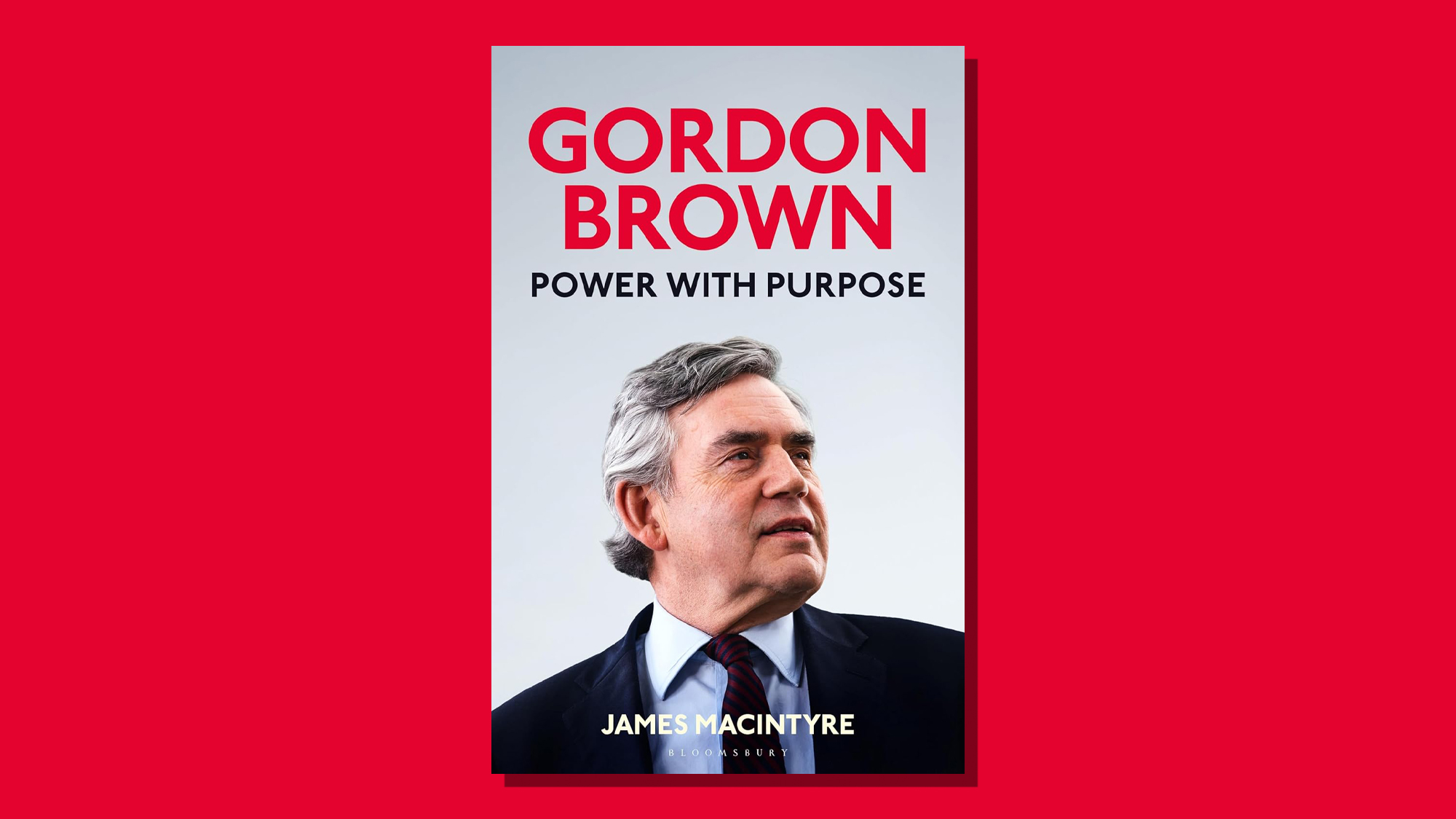
    Gordon Brown

    by James Macintyre 

    During his 13 years “at the apex of British politics”, Gordon Brown was often perceived as a “Shakespearean protagonist”, said Jonathan Freedland in The Guardian. “He was the Scot who would be king, consumed by vaulting ambition.” Yet the Brown depicted in this “illuminating” biography is “closer to the hero of a Victorian novel”: a man “driven onwards by a moral purpose”, but beset by misfortune and tragedy.

    While James Macintyre doesn’t skirt over his subject’s flaws (chiefly his “volcanic temper” and “talent for grudges”), he suggests that these are “vastly outweighed” by his “immense” achievements – which include overseeing massive reductions in child poverty as chancellor, and preventing the collapse of the entire financial system as PM through his decisive leadership after the 2008 crash.

    Brown emerges as someone who defies “easy categorisation”: fiercely ambitious, he was uninterested in the “trappings of office”; famously lacking in emotional intelligence, he could be unexpectedly kind. What isn’t – or shouldn’t – be in doubt is his status as “one of the towering figures of recent British history”.

    Inevitably, Macintyre devotes considerable space to the “simmering tensions” with Tony Blair, said Nicola Sturgeon in The Observer. At times, the book seems as much “an account of the New Labour project” and the “rupture” with Blair as a portrait of Brown himself. Macintyre suggests that a basic misunderstanding lay at the heart of the infamous 1994 Granita “deal” between the two, said Ethan Croft in The New Statesman. When Blair said that he would “do 10 years”, Brown thought he meant 10 years as Labour leader – which would have meant stepping aside in 2004. Blair “thought it meant 10 years as PM” – which is what he ended up serving. Whatever the case, after Blair resigned, the crown “proved heavy” for Brown. Gripped by a new indecisiveness – most evident in his dithering over whether to call a snap election in 2007 – the “Iron Chancellor” turned into “Brown the Bottler”.

    But rather like former US president Jimmy Carter, Brown has “found the respect that eluded him in his prime in his ever-active retirement”, said Patrick Maguire in The Times. Instead of seeking “unfathomable riches on the consultancy circuit”, he has devoted himself to “tireless charity work, sermons from the moral high ground and exhortations to ministers on the plight of the poor”. While Macintyre’s cataloguing of these efforts doesn’t make for especially riveting reading, a “sympathetic treatment” of Brown is “probably overdue” – and that is certainly what he has given us.


    OBITUARY

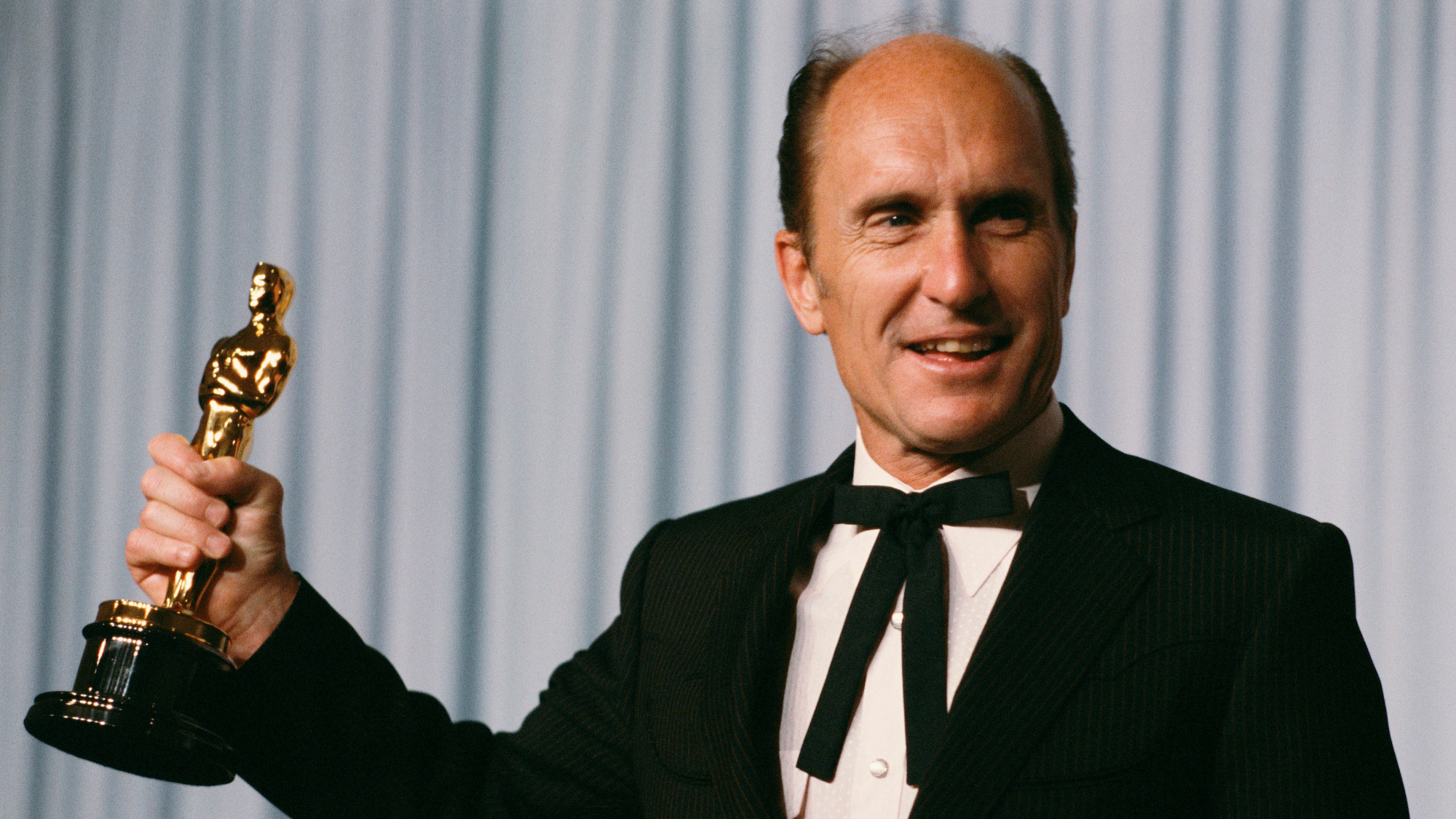
    Robert Duvall 

    Character actor described as ‘America’s Laurence Olivier’

    Although he was sometimes cast in lead roles, Robert Duvall, who has died aged 95, was never regarded as a leading man. That his looks fell a bit short of “movie-star handsome” may have been a factor in this; but it was largely due to the way he disappeared into the characters he played. Whether it was the suave Mafia lawyer in “The Godfather”, the washed-up country music singer in “Tender Mercies”, or the tough military man at war with his own family in “The Great Santini”, Duvall was someone new in every film, said The New York Times. One director described his transformation into character as “uncanny”. Others likened him to Laurence Olivier.

    Duvall had no time for the Method; he relied, he said, on observation, or “talking and listening”. He drove across Texas in search of accents for “Tender Mercies”. He spent time with hoodlums for the role of Tom Hagen in “The Godfather”. He was interested in authenticity, not showmanship – and he pursued it so single-mindedly, it led to explosive rows on set. “I don’t try to be a hard guy to work with,” he said in 1981. “But I decide what I’m going to do with a character. I will take direction, but only if it kind of supplements what I want to do.” The results could be electrifying. As the mad, surfing Lieutenant Colonel Bill Kilgore in Francis Ford Coppola’s Vietnam War epic “Apocalypse Now”, he delivered a line that has become one of the most famous in screen history: “I love the smell of napalm in the morning.” He was only onscreen in “Apocalypse Now” for 11 minutes, said The Times, but he made them “the most memorable 11 minutes of the entire film”.

    Robert Duvall was born in San Diego in 1931. His mother was an amateur actress; his father was a rear admiral in the US navy. He had a peripatetic childhood, but mainly grew up in Maryland. After leaving Principia College, Illinois, he served for a short time in the US army – but he knew by then that he wanted to be an actor. In 1955, he moved to New York, where he trained at the Neighborhood Playhouse alongside Dustin Hoffman and Gene Hackman, who became his flatmates and lifelong friends. Duvall started to pick up theatre roles in the late 1950s, and TV work followed; he made his film debut in 1962, as Boo Radley, the reclusive oddball who saves the lives of Atticus Finch’s children in “To Kill a Mockingbird”.

    Other roles followed, in films including “Bullitt” and Robert Altman’s “Countdown”. On the set of “True Grit”, John Wayne was so incensed by Duvall’s arguments with the director, he threatened to punch him. While making “The Godfather”, by contrast, he and James Caan started an epidemic of mooning. He worked with Coppola several times (he appears uncredited in 1974’s “The Conversation”) but declined to return for “The Godfather Part III”, complaining that the fee he’d been offered was a fifth the size of Al Pacino’s. He was nominated seven times for Oscars, and won in 1984 for “Tender Mercies”, for which he co-wrote and performed the songs. In 1997 he wrote, directed and starred in “The Apostle”, about a charismatic preacher. However, he said his favourite part was that of a rancher in the 1989 TV mini-series “Lonesome Dove”. Duvall was a Republican voter and a critic of what he called Hollywood’s “bleeding heart” liberalism; nevertheless, he remained in demand. In 2015, he became the oldest actor ever to be nominated for a best supporting actor Oscar, for “The Judge”. Duvall’s first three marriages ended in divorce. He is survived by his fourth wife, Luciana Pedraza. They met in Buenos Aires, where he had gone to pursue his love for the tango, and married in 2005. He had no children.

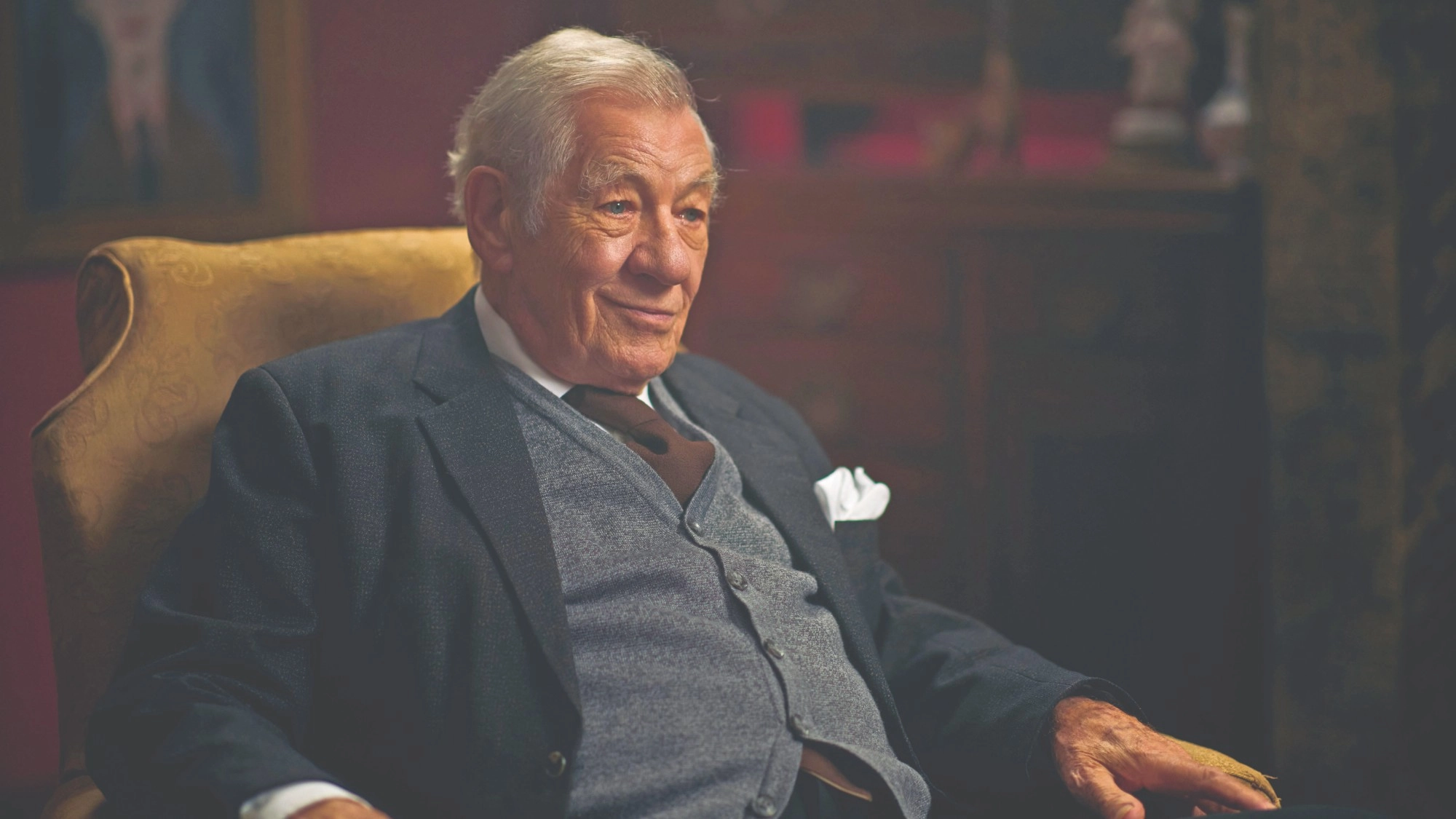


    Image credits, from top: BBC / Wall to Wall Media / Connor Harris; Tyler Fayose; Bloomsbury Publishing; Bill Nation / Sygma / Getty Images
     

    Recent editions

    • Evening Review

      The Gulf States’ war stakes

    • Morning Report

      Noem out

    • Evening Review

      The rising religious left

    VIEW ALL
    TheWeek
    • About Us
    • Contact Future's experts
    • Terms and Conditions
    • Privacy Policy
    • Cookie Policy
    • Advertise With Us
    • FAQ
    Add as a preferred source on Google Add as a preferred source on Google

    The Week is part of Future US Inc, an international media group and leading digital publisher. Visit our corporate site.

    © Future US, Inc. Full 7th Floor, 130 West 42nd Street, New York, NY 10036.