The Week The Week
flag of US
US
flag of UK
UK
https://cdn.mos.cms.futurecdn.net/flexiimages/jacafc5zvs1692883516.jpg

SUBSCRIBE & SAVE

Less than $3 per week

Sign in
  • View Profile
  • Sign out
  • The Explainer
  • The Week Recommends
  • Newsletters
  • Cartoons
  • From the Magazine
  • The Week Junior
  • More
    • Politics
    • World News
    • Business
    • Health
    • Science
    • Food & Drink
    • Travel
    • Culture
    • History
    • Personal Finance
    • Puzzles
    • Photos
    • The Blend
    • All Categories
  • Newsletter sign up Newsletter
  • Sunday Shortlist, from The Week
    A ‘tasty’ legal drama and an ‘absolute corker’ of a book

     
    Theatre Review

    Table 17

    A meeting between two exes flips from ‘laugh-out-loud hilarity to genuine tragedy in minutes’

    Following sold-out runs in New York and Los Angeles, “Table 17” – Douglas Lyons’ “heartfelt” and “hilarious” one-act play about a pair of ex-lovers reuniting for what might be a date – has arrived in the UK, said Isobel Lewis in Time Out.

    Zipping back and forth in time to show us moments from the couple’s past relationship, this breezy piece constantly wrong foots the audience, flipping from “laugh-out-loud hilarity to genuine tragedy in minutes, changing costumes and switching timelines at equal pace”.

    Directed by Tony-winner Zhailon Levingston, the production is a “stylish and exhilarating theatrical experience” that is driven by “powerful, emotive” performances. It also has a deft, confident humour that makes the play’s “emotional rug pulls all the more devastating”.

    “As psychological enquiry, Lyons’ writing doesn’t cut particularly deep,” said Matt Wolf on London Theatre: his play sits on the “featherweight” end of the dramatic scale. What makes it work – here as in New York – is a top-flight cast “charging through the text’s cheesier moments”, and “roping the audience in from the start as ready participants in the fun”.

    Musical theatre star Marisha Wallace turns in a typically “magnetic” performance as flight attendant Jada, said Arifa Akbar in The Guardian. Jamael Westman (London’s first Alexander Hamilton) makes her ex properly rounded by “sensitively balancing his ridiculousness with his depth of emotional injury”. And Michael Rishawn almost steals the show with his delicious comic turn as the restaurant host, as well as other ancillary characters.

    For me the “real magic” lies in the way the Kiln Theatre’s small space has been transformed by Amy Jane Cook’s sleek, nightclub-meets-cabaret design, said Hang Yuen on What’s on Stage. A luminous tiled platform, a curved ribbed booth, and tiny amber table lamps put the audience inside an intimate late-night lounge, with a striking geometric ceiling, and excellent coloured lighting, completing the effect. This is not a deep play, that is true, but it’s inventive and entertaining and also powerfully theatrical.

    Kiln Theatre, London NW6. Until 24 October.


    TV REVIEW

    War

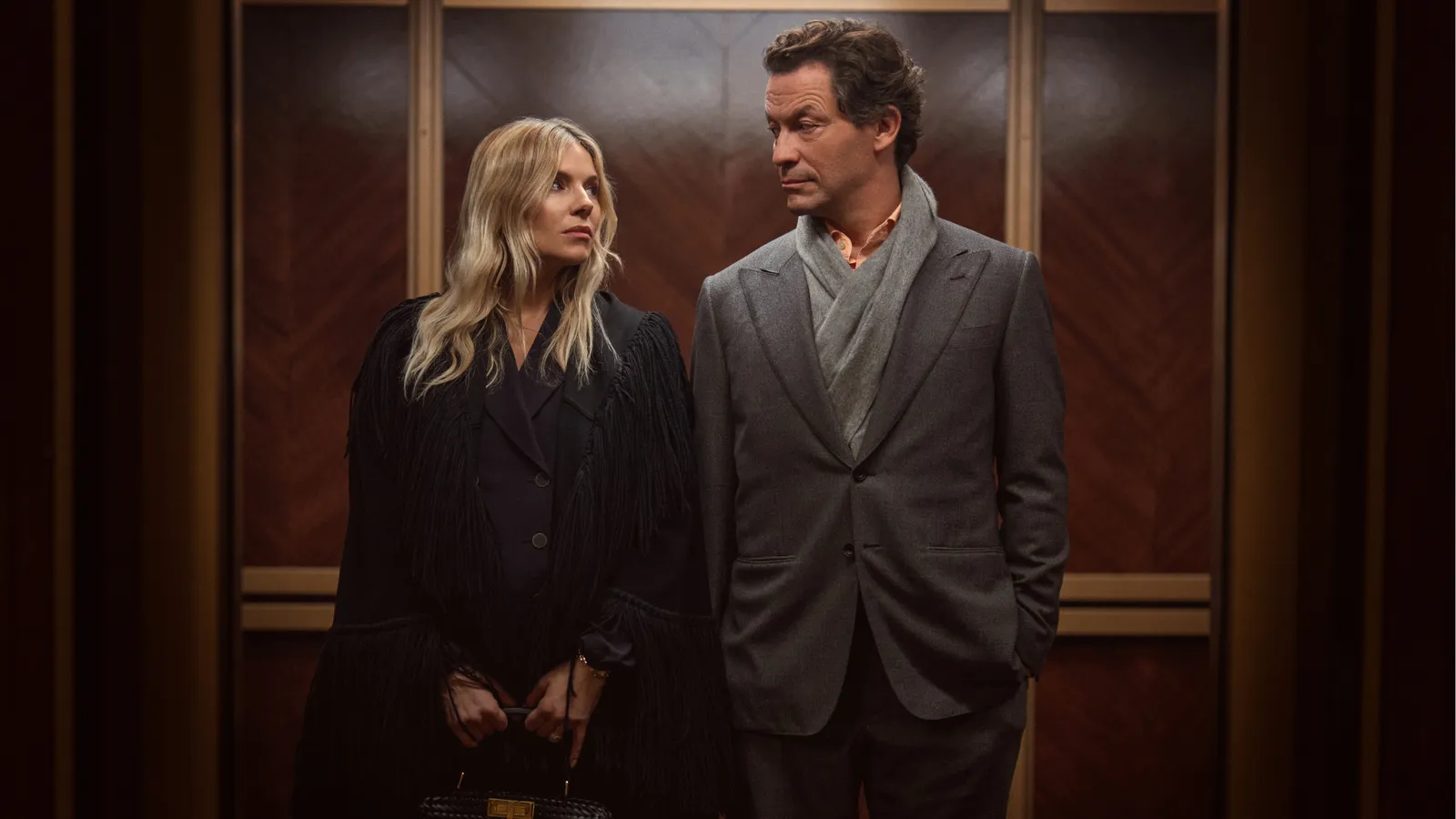
    Sienna Miller and Dominic West lock horns in ‘tasty’ legal drama

    Forget “muddy trenches”, said Belen Edwards on Mashable. In Sky’s new legal drama, “War”, battles are fought in “elegant wood-panelled rooms or glassy offices perched high above London’s streets”.

    But the “polished” setting doesn’t mean the fighting is clean – far from it. The lawyers at the rival firms locking horns in this high-profile divorce case are “itching to get absolutely filthy”.

    The combative couple at the centre of the series are film star Carla Duval (Sienna Miller) and tech mogul Morgan Henderson (Dominic West). In the first of many “underhanded” chess moves, Carla enlists her friend to “honeytrap” her husband so she can kick-start divorce proceedings. It’s a “tantalisingly bitter amuse-bouche for all the delicious drama to come”.

    Miller and West are “perfectly cast”, said Anita Singh in The Telegraph. Writer George Kay provides a “snappy script” that charts the couple’s descent into “rancour” and a “battle over Morgan’s fortune”. Carla’s team is led by a “plucky husband-and-wife team” played by James McArdle and Phoebe Fox, while Morgan opts for the “Machiavellian” St John Smallwood (“a classy Pip Torrens”).

    Add to the mix a supporting cast that includes Celia Imrie, Nick Mohammed and “actor-of-the-moment” Aran Murphy (the “lookalike son” of Cillian), and the show has “a lot going for it”. But after the first “irresistible” episode, you do start longing for “fewer backroom legal meetings” and more scenes with the warring couple. And while the “scheming” and betrayal can be “thrilling”, said Judy Berman in Time magazine, despite the persuasive acting, some of the characters feel “underdeveloped”. Kay invokes “big, timely issues” from “extreme wealth” to the dark side of social media “without finding much to say about them”.

    Mostly, though, “War” is a “triumph”, said Gareth McLean in Radio Times. “Glossy, smart, very high-end and thoroughly entertaining”, it’s the kind of show that makes you “want to be a lawyer when you grow up – even if the way they operate is pretty appalling”.


    album REVIEW

    Here Because of Hope

    A decade on from their debut EP, the multi-award-winning Ezra Collective are “arguably the biggest jazz band the UK has ever produced”, said Kitty Empire in The Observer. This fourth album has all the London five-piece’s usual joyful eclecticism, weaving as it does the “rhythms of the Caribbean, west Africa and late-night London into the wider jazz conversation”. The reggae is a highlight, while Joe Armon-Jones on keyboards is terrific throughout – “as lyrical on jazz fusion flourishes as he is on simple piano melodies”.

    It is an “uplifting” album, said Ludovic Hunter-Tilney in the Financial Times, featuring a range of guest artists, including: British-Gambian rapper Pa Salieu, who features on “Only Love”, a catchy Afropop number; Jamaican singer Lila Iké on “Well Organised”; and Leona Lewis on “All I Need”, a “delightful exercise in lovers rock”. Cynics might blanch at the group’s habit of choosing album titles that would work as slogans on “mugs of tea at a worthily intentioned community-arts meeting. Yes, I am that cynic – but the music makes me a believer.”


    BOOK OF THE WEEK

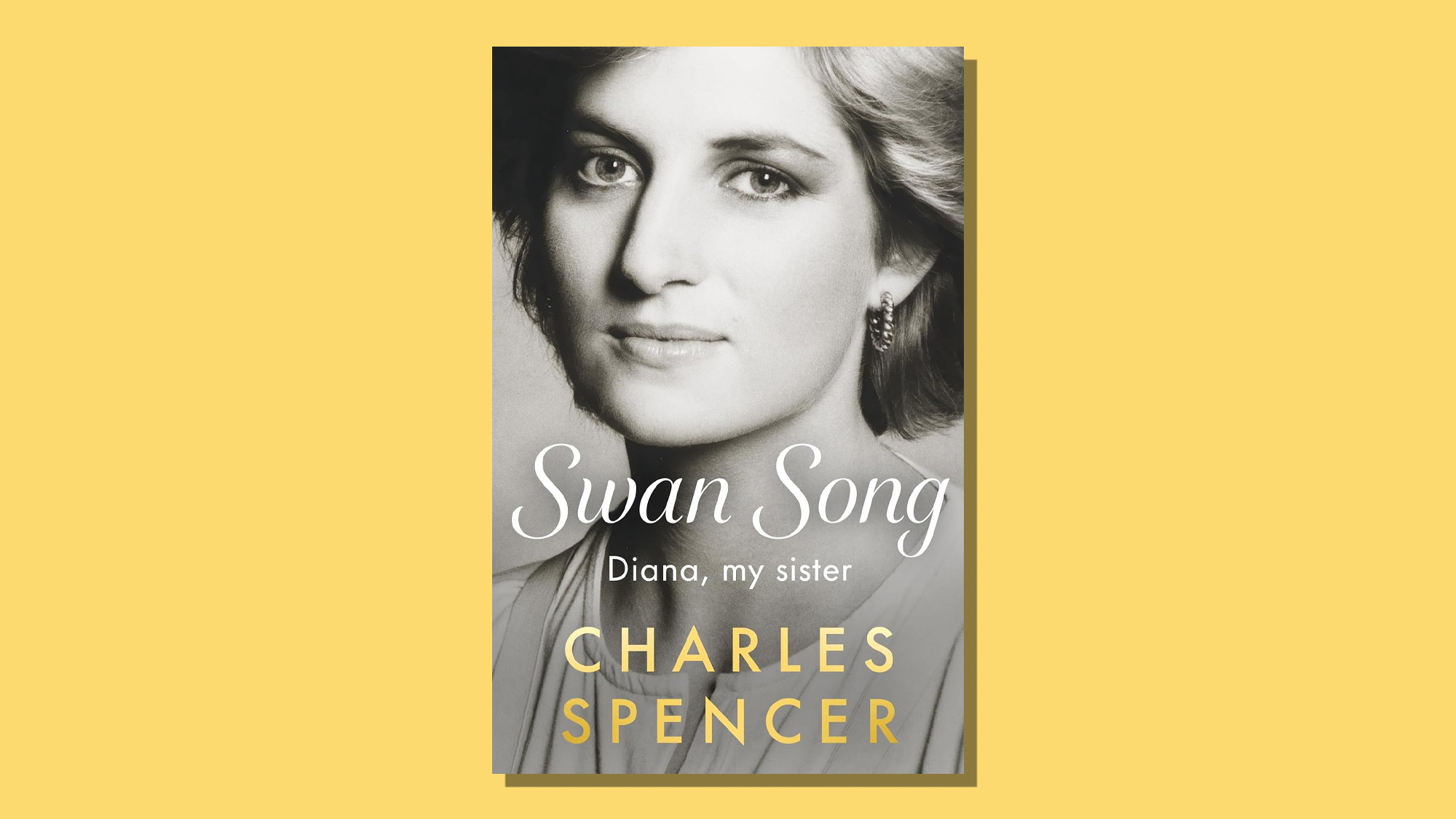
    Swan Song

    by Charles Spencer

    Charles Spencer has billed his new memoir as a loving tribute to his sister, written as the 30th anniversary of her death approaches, said Emma Brockes in The Guardian. And over its 390-odd pages, there are some “truly touching passages” about the late Diana, Princess of Wales. 

    Yet the book as a whole is most notable for telling us a “great deal about Charles Spencer – perhaps more than we needed to know”. Spencer, 62, emerges as a man consumed by resentment, someone who, “decades after the fact, is still harping on” about the slights he has endured. The chief offender in this regard is, of course, the current King: Spencer’s claim that Charles had said, shortly after Diana’s death, that she would soon be forgotten has made the book frontpage news. But he also expresses bitterness towards a “large cast” of other figures: royal courtiers, the libel lawyer Peter Carter-Ruck, “members of a police protection squad who, in 1986, let sniffer dogs jump all over his furniture”. Meanwhile, he subjects his three ex-wives to an “amazing parenthetical take down”, labelling them “all double divorcées”. For those who enjoy the parading of “petty grievances” , this book is an “absolute corker”.

    The main thing that it parades is “Spencer’s vanity”, said Anita Singh in The Telegraph. The “powerful” eulogy he gave at Diana’s funeral deservedly “caught the mood of the nation”. But here, he seems “frankly, obsessed with it”. Page after page is devoted to him “minutely breaking down its sentence construction and stylistic choices, what he chose to put in and leave out”. And he is anxious – quite unnecessarily – to let us know how well it was received, noting that Tony Blair called it “absolutely extraordinary”, while a man outside a pub yelled out “Top speech, mate!” 

    “Beyond the screeching soundbites and nosebleed revelations”, there’s another “animating force” behind this book, said Johanna Thomas-Corr in The Times. “‘Swan Song’ is not just a defence of his sister, but a salvo in a Shakespearean blood feud between two aristocratic houses.” Spencer is angry that his family, with “deeper roots in historic English and Stuart royal blood”, has been overshadowed by the “parvenu House of Windsor”. The book can be seen as his attempt to ensure that the Spencers, and not the Windsors, control Diana’s legacy.

    It is “well written” and entertaining, said Melanie McDonagh in London’s The Standard. But all the “guff about mental illness” – Spencer claims he suffers from something called Rejection Sensitive Dysphoria (RSD), and suggests Diana did too – did rather grate. “Far more enlivening” are the parts where Spencer sticks to “his spirited airing of his and Diana’s grudges”.


    OBITUARY

    Felicity Green

    Fleet Street editor and chronicler of the Swinging Sixties

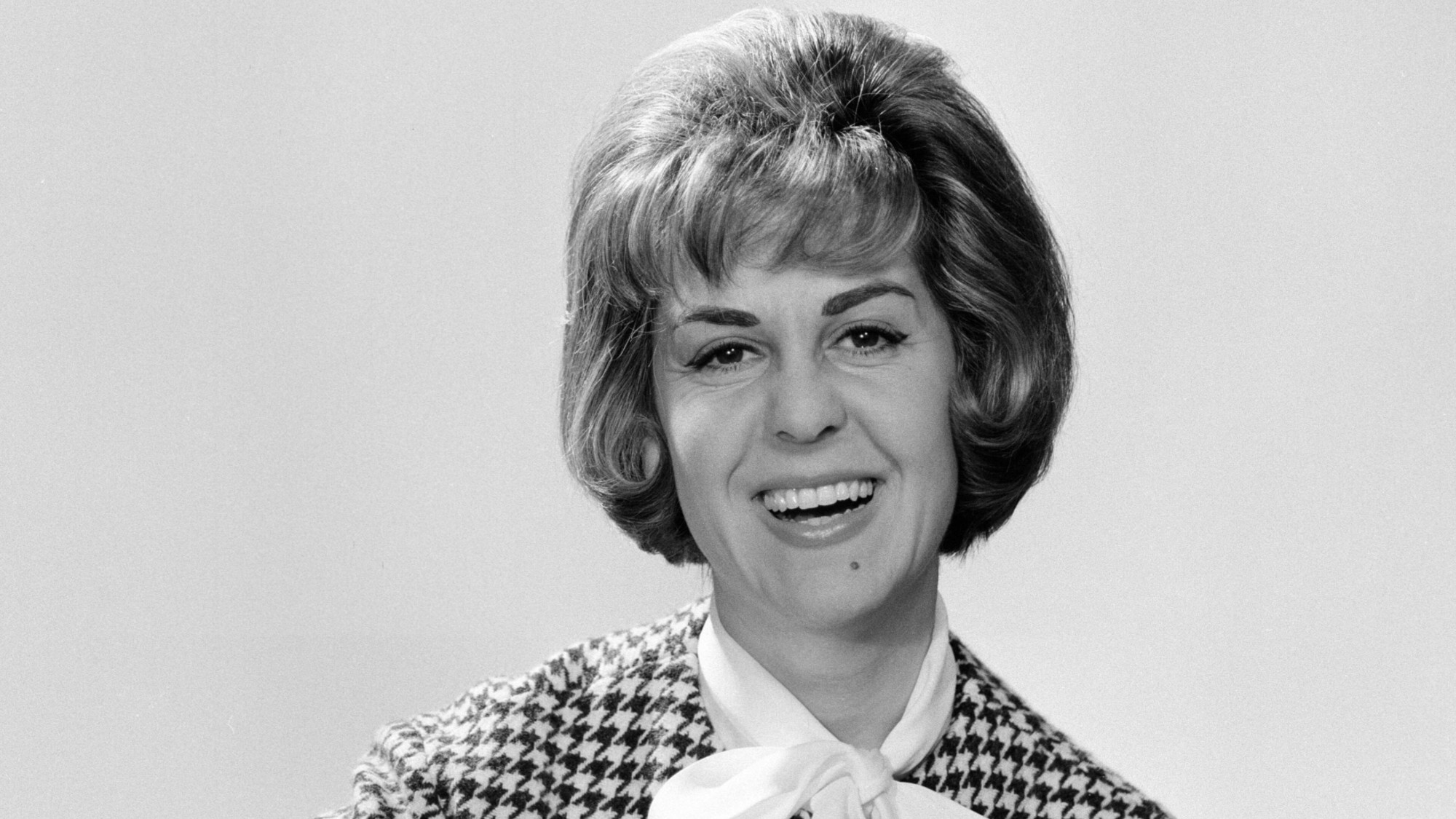
    Felicity Green, who has died aged 100, was the editor of the Daily Mirror’s fashion pages in the 1960s, when the paper sold five million copies a day, said The Times. Holding the then revolutionary view that fashion was not a “bloody religion” for the moneyed elites but something for the people, she was one of the first journalists to chronicle the emergence of a new generation of models and designers, including Twiggy and Mary Quant – and to commission the likes of David Bailey to shoot her features. 

    Cecil King, chairman of IPC, which owned the Mirror, was appalled by her championing of the new youth trends, and threatened to sack her when she featured Quant’s mini-skirts. “Can you imagine the wife of a Sheffield bus driver wearing that?” he demanded. Undaunted, she commissioned designer Barbara Hulanicki, who had recently launched a tiny mail-order business, to create a short, stylish dress that the paper could sell. The result was a pink gingham smock dress that was marketed by the paper in 1964 for 25 shillings (£1.25). Green predicted that they’d get 3,000 orders in total; in fact, they got 17,000 almost overnight. 

    The success of the dress enabled Hulanicki to launch the Biba store in Kensington that would help define 1960s style; and it made Green unsackable. Soon after, the Mirror’s editor Hugh Cudlipp told her that he wanted her to use the front page to explain to readers what the 1960s “are all about”. The result was her famous declaration, under the headline “The Year that Changed All Our Lives”, that 1964 was when “skirts got shorter, boys’ hair got longer, smart girls wore the trousers, the topless went bust and The Beatles went everywhere”.

    Felicity Green was born in 1926 into a Jewish family in Dagenham, east London. Her parents were unhappily married, and once a week her father, who ran a shoe shop, would escape by taking her to the cinema – where she fell in love with the costumes worn by the stars of the 1930s. By 14 she was sketching her own designs. Fresh out of secretarial college, she won her first job aged 18, as a junior secretary at Woman & Beauty magazine. Her duties included lighting the office’s coal fire, but within a couple of years she’d been promoted to fashion editor. 

    Her break in newspapers came in 1955, when Cudlipp asked her for her opinion of his newly launched Women’s Sunday Mirror. He was so impressed by her forthright appraisal, he recruited her. As associate editor of the Mirror, she created spreads that appeared under the line “Felicity Green on the fashion scene”, but she also persuaded him and the paper’s other bosses to let her write about issues such as abortion and equal pay. In 1973, she became the first woman to sit on the main board of a national newspaper. 

    Early on, a colleague had warned her that some men would resent having a female boss, said The Telegraph. His advice was always to let them leave the room with “their balls intact”. For years, she tolerated the casual misogyny prevalent in Fleet Street, but when, in 1978, she learnt that a new, and less-experienced, male board member was being paid twice her salary, she resigned. After that, she ran Vidal Sassoon, worked at other newspapers, and lectured at St Martin’s School of Art. She’d married businessman Geoffrey Hill in 1952; he died in 1992. Having opted not to have children she was, she said, sad when she realised that that meant she’d also never have grandchildren.

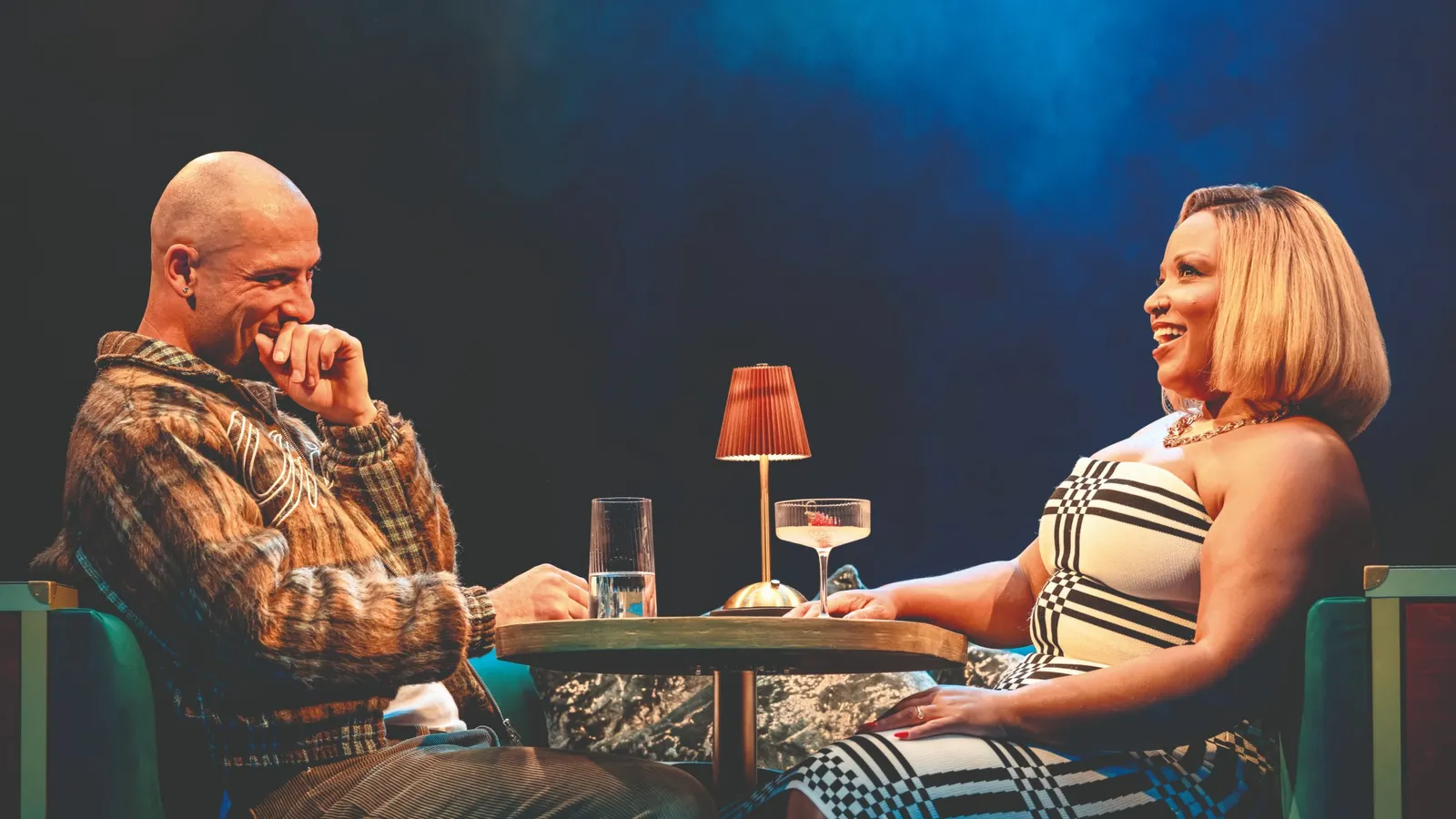


    Image credits, from top: Justin Downing / Sky / HBO / New Pictures; Steve Gregson; Stephen P. Kelly / Michael Joseph; Bela Zola / Daily Mirror / Mirrorpix / Getty Images
     

    Recent editions

    • Evening Review

      Trump rebrands AI

    • Morning Report

      Trump grabs Congress’ purse strings

    • Evening Review

      Will the Cornell rape case change anything?

    VIEW ALL
    TheWeek
    • About Us
    • Contact Future's experts
    • Terms and Conditions
    • Privacy Policy
    • Cookie Policy
    • Advertise With Us
    • FAQ
    Add as a preferred source on Google Add as a preferred source on Google

    The Week is part of Future US Inc, an international media group and leading digital publisher. Visit our corporate site.

    © Future US, Inc. Full 7th Floor, 130 West 42nd Street, New York, NY 10036.