The Week US The Week US
flag of US
US
flag of UK
UK
https://cdn.mos.cms.futurecdn.net/flexiimages/jacafc5zvs1692883516.jpg

SUBSCRIBE & SAVE

Less than $3 per week

Sign in
  • View Profile
  • Sign out
  • The Explainer
  • The Week Recommends
  • Newsletters
  • Cartoons
  • From the Magazine
  • The Week Junior
  • More
    • Politics
    • World News
    • Business
    • Health
    • Science
    • Food & Drink
    • Travel
    • Culture
    • History
    • Personal Finance
    • Puzzles
    • Photos
    • The Blend
    • All Categories
  • Newsletter sign up Newsletter
  • Sunday Shortlist, from The Week
    A ‘sublime’ film and a ‘stone-cold masterpiece’

     
    Theatre Review

    Who’s Afraid of Virginia Woolf?

    Gillian Anderson and Billy Crudup in ‘magnificent’ play revival 

    Edward Albee’s “stone-cold masterpiece” about marital despair, and life’s necessary illusions, was first staged in 1962 – and it is as riveting now as it was then, said Claire Allfree in The Telegraph.

    That is partly because the “ritualised savagery” exhibited by George and Martha – the middle-aged couple who have invited a younger faculty member and his wife to their home on a college campus for after-party drinks – “points to a broader spiritual malaise in middle-class America that feels darker and more resonant with each passing decade”.

    But it is also because Albee’s writing lets actors fly, said Sarah Hemming in the Financial Times. Gillian Anderson and Billy Crudup are so scintillating as the drink-sodden pugilists that “you check yourself for bruises as you stagger out”. Staged in the round with the audience ringside, Marianne Elliott’s sublime production is “shockingly good”.

    “I don’t think @sohoplace is the perfect venue. Nowhere with that name could be,” said Andrzej Lukowski in Time Out. But it is the perfect venue for this magnificent play. As the action deepens, and we realise that what is unfolding is a twisting game, the thrill of having Anderson and Crudup just feet away is “replaced by a sort of horror, a sense that we are not simply watching events from a distance but are physically in the room for the madness”. It is a “special” theatrical experience.

    Anderson is “wonderful” as the ferocious, fragile Martha, the part for which Elizabeth Taylor won her second Oscar, said Fiona Mountford in The i Paper. And Crudup is really terrific – wry, relaxed, dangerous – as her disappointed husband. If he doesn’t scoop an Olivier for this, “I will be astonished”.

    Josh Dylan and Phoebe Horn are “compelling”, too, as the guests-cum-victims Nick and Honey, said Arifa Akbar in The Guardian. There’s more humour in this staging than in others I’ve seen and, to my taste, not enough darkness and “emotionally eviscerating” moments along the way. But the ending is as “devastating” as ever.
    @sohoplace, London W1. Until 19 December.


    FILM REVIEW

    Extra Geography 

    Superb boarding school drama filled with plenty of ‘zingers’

    Molly Manners directed four episodes of Netflix’s “One Day”, the hit adaptation of David Nicholls’ bestselling novel; now, she has made an impressive feature debut, said Tara O’Brady in The Irish Times.

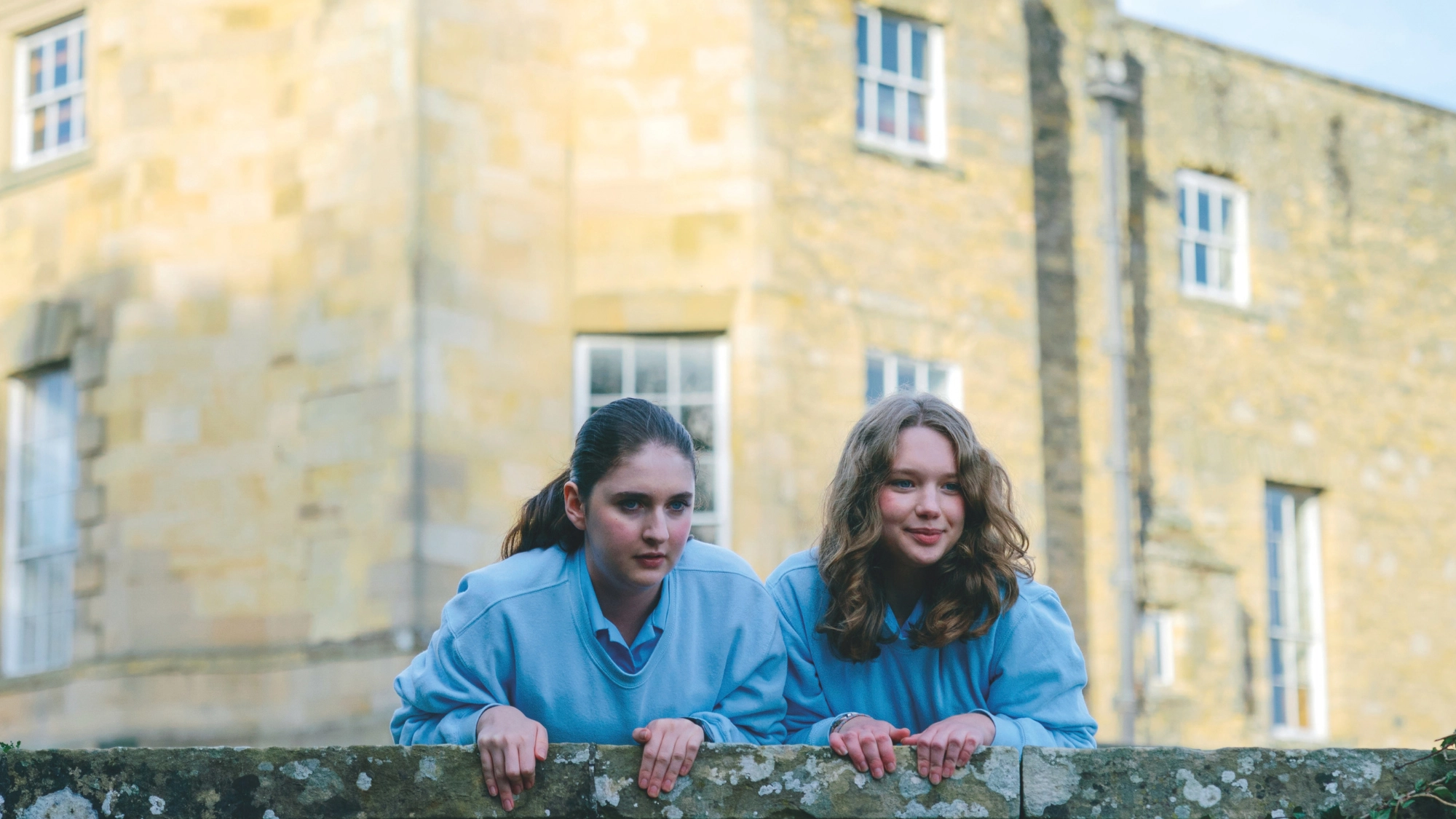
    “Extra Geography” is set in a boarding school in North Yorkshire in the early 2000s, and “follows two close friends (newcomers Marni Duggan and Galaxie Clear, pictured above) “who decide that academic success is not enough”. They must also become “worldly”. So they assign themselves a project to fall in love, and alight upon their geography teacher (Alice Englert). However, a complication arises in the form of an interschool production of “A Midsummer Night’s Dream”, which “brings boys into their previously closed world”, and tests the girls’ bond.

    Adapted from a story by Rose Tremain, “the film treats adolescence as a nerve-racking rollercoaster of exaggerated stakes and cringe comedy, allowing both girls to be selfish, mean, insecure and, simultaneously, endearing”.

    A “frothy, funny coming-of-ager”, featuring “uncommonly good” performances from its two young stars, “Extra Geography” is quite simply “sublime”, said Kevin Maher in The Times. It has touches of the US high-school comedy “Booksmart”, with added class tension because we’re in the UK. The script contains plenty of “zingers”, but the ending is “bittersweet”.

    The film “plots a safer route” than Tremain’s novel, in which the girls project “colonial fantasies of New Zealand onto their part-Maori teacher”, said Hanna Flint in Time Out. It’s a shame it detours around that rocky terrain but this barbed satire about female friendship and rivalry is still “a road worth taking”.


    ALBUM REVIEW

    Gilla Band: Pugnello

    On their fourth album, the influential and fiercely original Irish band Gilla deliver a “thrilling and relentless 42 minutes of monstrous noise”, fuelled by “cathartic aggression and absurdist confessions” in the style of The Fall, said The Guardian. It’s the work of “a band audibly – and thrillingly – out on their own”.


    BOOK OF THE WEEK

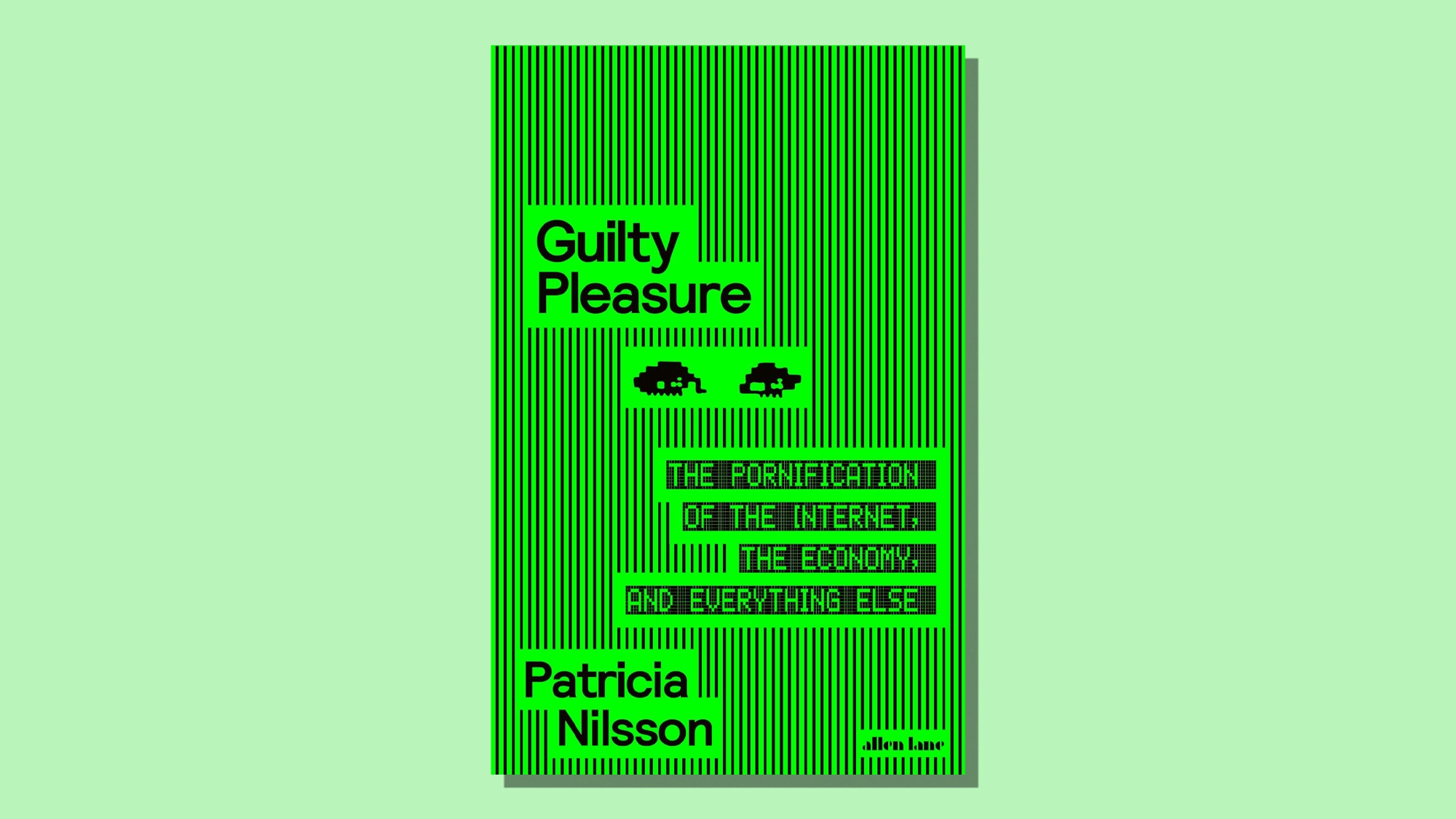
    Guilty Pleasure 

    by Patricia Nilsson

    It’s tempting to think of the porn industry as a “seedy underground thing, which good people ignore and to which bad people are addicted”, said Lucy Thynne in The Telegraph. But as the journalist Patricia Nilsson argues in her fascinating book, “Guilty Pleasure”, the reality is more complex and disturbing.

    Porn, she points out, isn’t significant only because it is a big industry worth tens of billions, and is intensely addictive; it also provides “nothing less than the model for the internet we all use today”. Algorithms, targeted adverts, attention-grabbing headlines: all were forged in the “crucible of early porn websites”. Porn sites helped pioneer secure online payments and high-definition streaming.

    All this, says Nilsson, helps explain why even using non-sexual content online often “makes us feel so weird”, and why scrolling feels like a compulsive, even “masturbatory” act of self-gratification. Her book isn’t perfect – the editing is sloppy – but it is intelligent and “necessary”.

    Quite aside from the thesis it advances, “Guilty Pleasure” is a compelling history of porn, said Sarah Ditum in The Times. Nilsson begins with a sketch of the pre-internet industry. Here, “her tone is nostalgic, even rosy”, and she underplays the exploitation it involved. She then charts the rise of “tube sites”, which allowed user-uploaded videos, often pirated from traditional porn films, to be watched free with adverts. It was these sites that developed the “grammar of the attention economy, devising ways to keep users hooked that would be carefully studied by more salubrious businesses”. Then came a “more intimate kind of porn”, with the rise of platforms such as OnlyFans that enable “performers to sell sexual pictures and videos direct to consumers”. These, Nilsson writes, “formalised what the internet has been moving towards for years: the commodification of the self”.

    Once, owners of porn companies were flash publicity-seekers like Larry Flynt and Hugh Hefner, said Amelia Gentleman in The Guardian. But Nilsson observes that today’s bosses tend to be “tech nerds” and money men with no particular interest in porn. She brings several such figures “out of the shadows”, including the “mysterious” Bernd Bergmair, an Austrian ex-banker who controlled the Pornhub empire between 2013 and 2023.

    One might expect this book to be a “depressing read”, said Marie Le Conte in The Observer. But it proves surprisingly entertaining: “substantial, enriching and enjoyable enough that it leaves you feeling sated – just like having sex, instead of merely watching it”.


    OBITUARY

    Esther Rantzen

    TV presenter, campaigner and founder of Childline

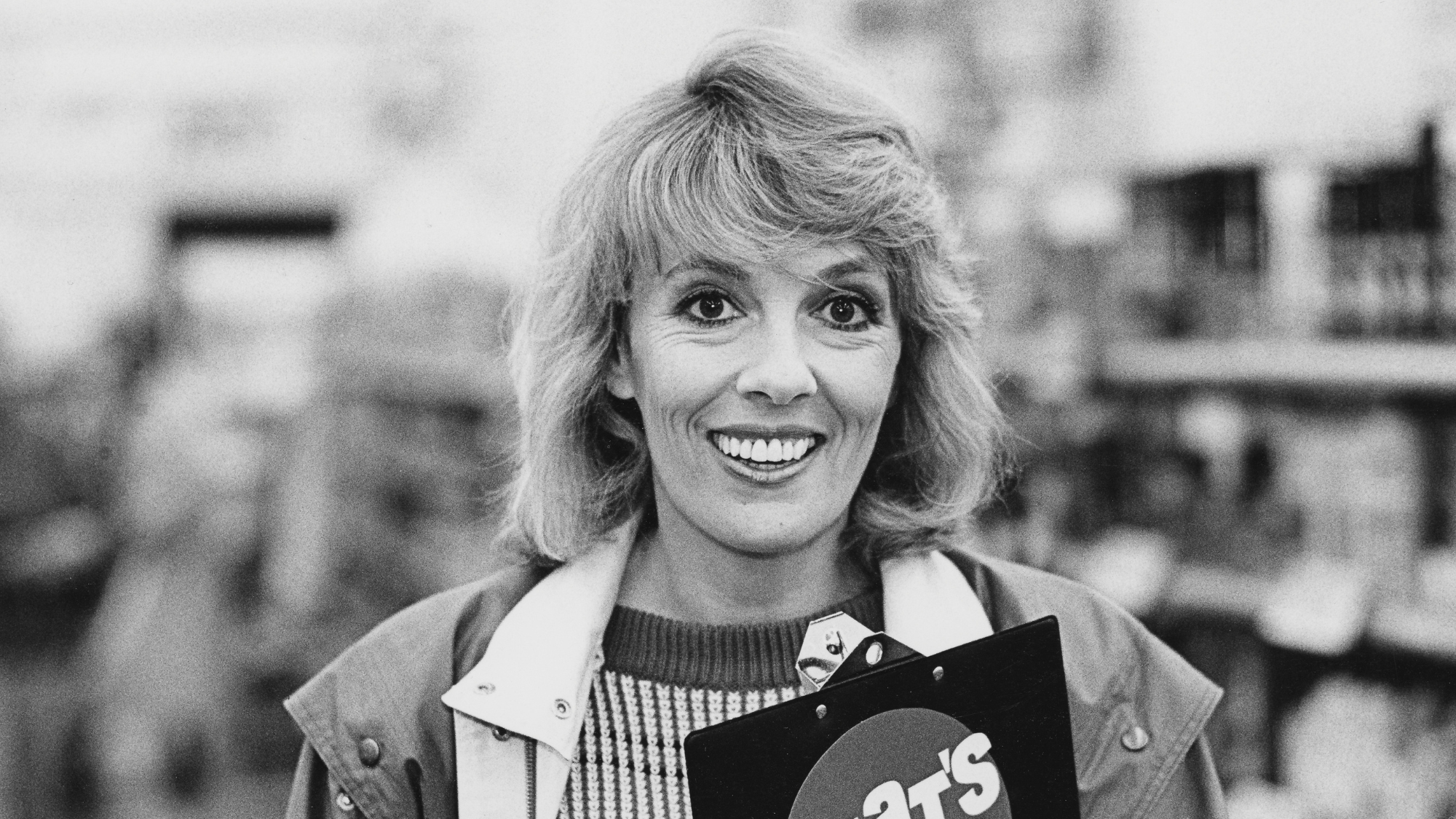
    Esther Rantzen was an energetic and incisive broadcaster with a “breezy, cool-edged demeanour”, said The Telegraph. She became a household name in the 1970s on “That’s Life!”, a BBC consumer-rights show that attracted up to 20 million viewers in its heyday. The show became required viewing for MPs who wanted to get an insight into the issues preoccupying their constituents – from the cruel transportation of veal calves to the dangers of undercooked kidney beans.

    Yet, sitting alongside this serious reporting was a large dose of the silly, said The Times. Rantzen and her male sidekicks – Chris Serle, Paul Heiney and others – presented segments about suggestively shaped parsnips and pets with unusual talents. There was also a section in which Rantzen and her co-presenters read out viewers’ experiences of overzealous ticket inspectors and the like (and so popularised the term “jobsworth”). They also did vox pops, buttonholing people to ask them their views on a range of issues, some of them larky. Once, asking Londoners to sample a soup made from bats, Rantzen was arrested for causing a “wilful obstruction” on the street.

    In arguably the show’s most famous segment, in 1988, she flicked through a scrapbook sent in by a member of the public, explaining that it documented a forgotten operation to rescue hundreds of Jewish children from Czechoslovakia before the Second World War. She then revealed that the man behind it, Nicholas Winton, was in the audience. This moment provoked such a response, Winton was invited to return for a later episode. This time, Rantzen asked if anyone in the studio that evening had been saved by him and, if so, could they please stand up. Rows of people rose to their feet.

    Rantzen was born into a liberal Jewish family in 1940, the elder of two daughters of Henry Rantzen, an electrical engineer at the BBC, and his wife Katherine, née Leverson. She recalled her childhood, in suburban north London, as a happy one. She was educated at North London Collegiate School, and at Somerville College, Oxford. On graduating, she took a job as a studio manager at the BBC. Her big break came in 1969 when she was given a presenting job on a consumer affairs show with Bernard Braden (later fired for advertising margarine on ITV). It was around this time that she met the BBC producer Desmond Wilcox; he was married with children but she was, she said later, “dazzled” by him. They began a secret eight-year affair, and finally married in 1977. His ex-wife, Patsy, was heartbroken and furious.

    Rantzen helped devise “That’s Life!” with John Lloyd, and presented it from its launch in 1973; before long, she’d managed to persuade the BBC that she should produce the show too, a first for a woman. In 1986, she fronted a one-off programme called “Childwatch”, focusing on child abuse. The production team received thousands of letters from children in distress – which prompted Rantzen to set up the charity Childline. According to the NSPCC, which now runs it, Childline has helped more than six million children.

    With ratings in decline, “That’s Life!” was axed in 1994. Rantzen was then given her own talk show. After Wilcox’s death in 2000, she spoke openly about the loneliness she felt. “I have plenty of people to do something with, but nobody to do nothing with,” she said. In 2012, she founded The Silver Line, for vulnerable older people. After being diagnosed with lung cancer in 2023, she said that she had joined Dignitas, the assisted dying clinic. She became a vocal champion of the assisted dying bill and, earlier this year, in an effort to galvanise it, she revealed that she had left it too late to “buzz off” to Switzerland. Her three children survive her.

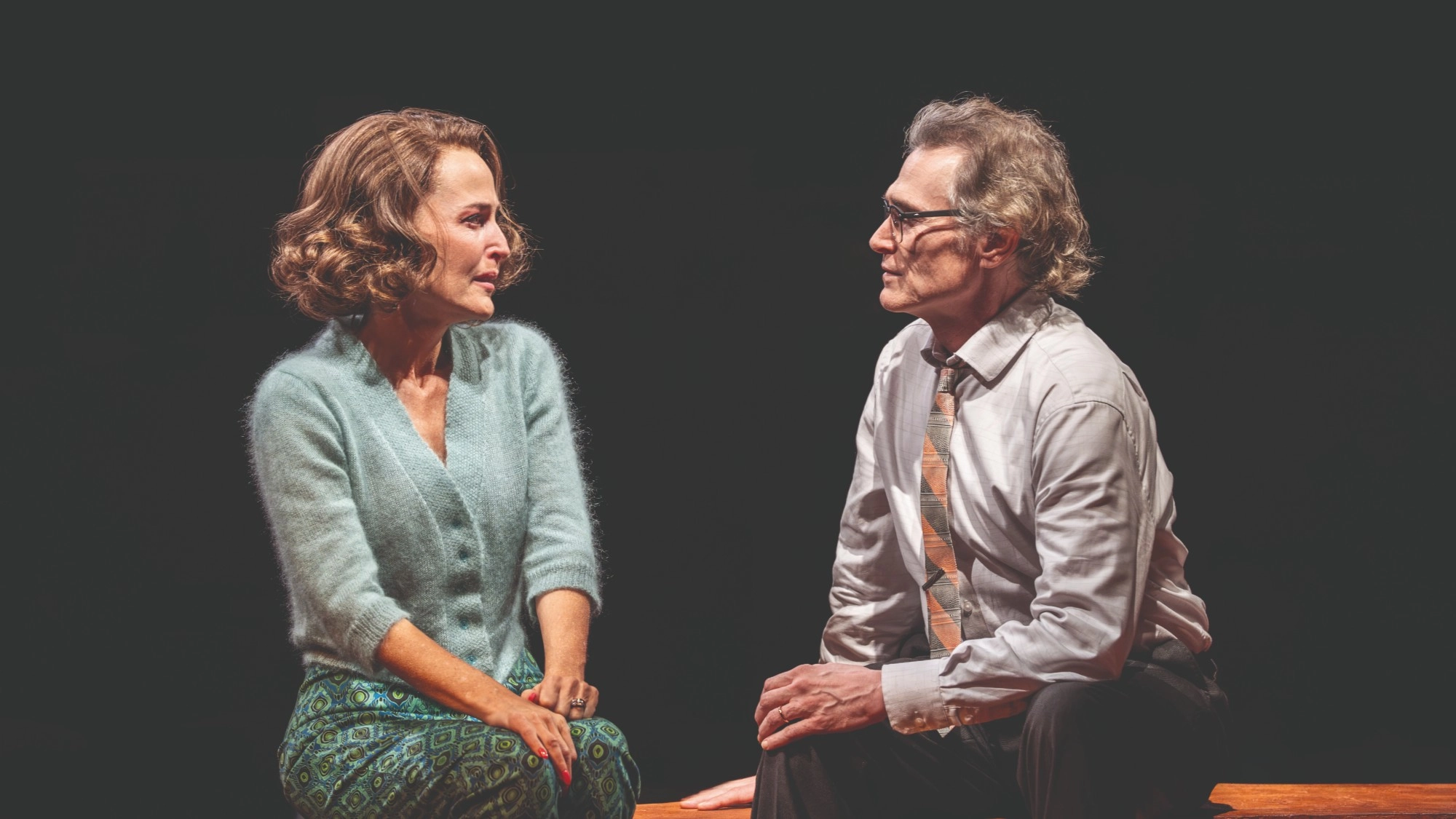


    Image credits, from top: Brock Media; Johan Persson; Allen Lane; Chris Ridley / Radio Times / Getty Images
     

    Recent editions

    • Evening Review

      The growing trade deficit

    • Morning Report

      Hegseth trumpets livestreamed execution

    • Evening Review

      Rethinking the death penalty

    VIEW ALL
    TheWeek
    • About Us
    • Contact Future's experts
    • Terms and Conditions
    • Privacy Policy
    • Cookie Policy
    • Advertise With Us
    • FAQ
    Add as a preferred source on Google Add as a preferred source on Google

    The Week US is part of Future US Inc, an international media group and leading digital publisher. Visit our corporate site.

    © Future US, Inc. Full 7th Floor, 130 West 42nd Street, New York, NY 10036.