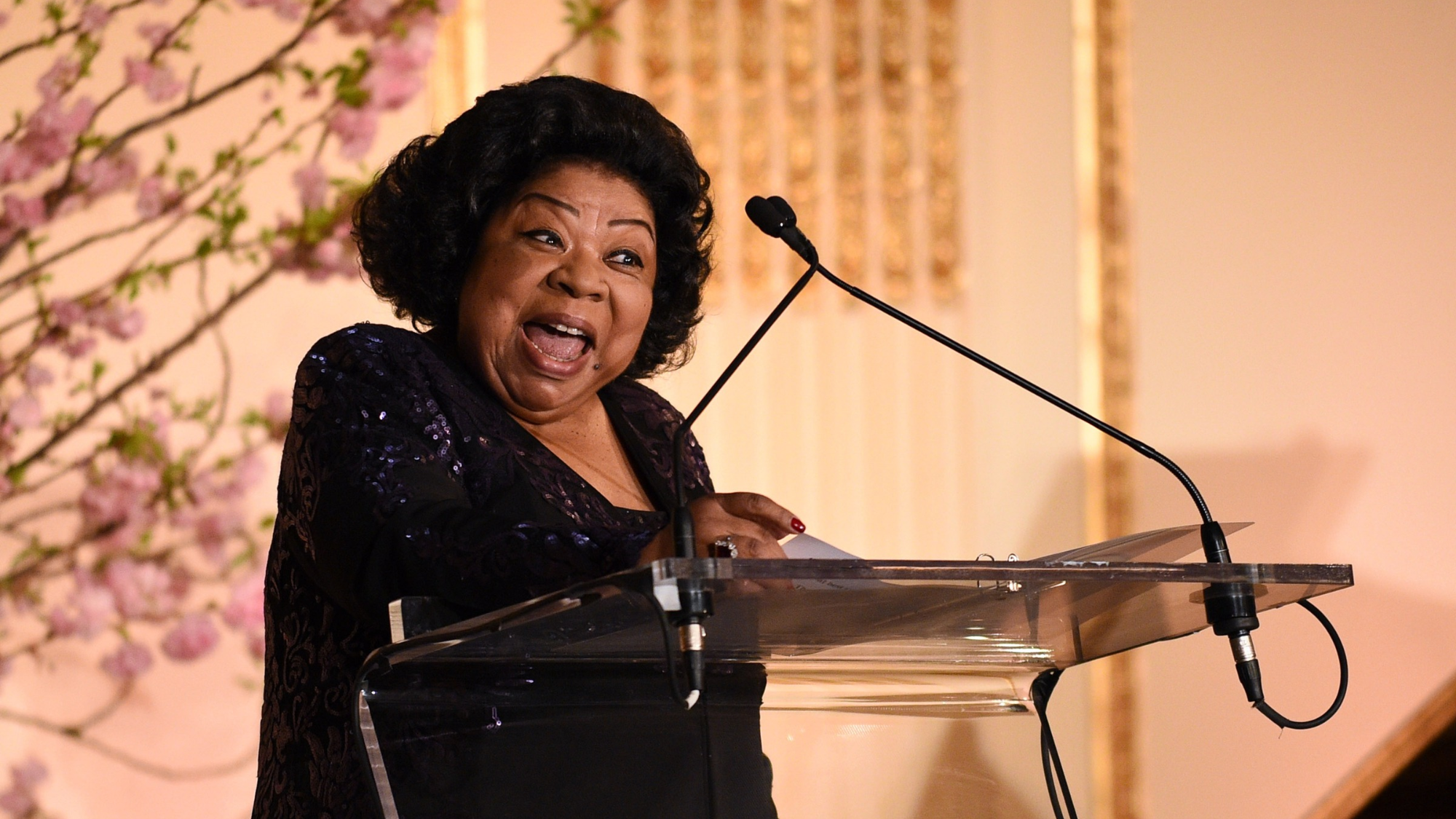
Trailblazing opera singer known for Verdi heroines
Martina Arroyo, who has died aged 90, was visiting her family in New York in 1965 when she received “a panicked phone call”, said The Times. The Swedish superstar soprano Birgit Nilsson, who was singing Verdi’s “Aida” at the Metropolitan Opera House, was unwell. Could she step in? Arroyo was barely known in the US then, and had only sung a few minor roles at the Met. Assuming it must be a prank, she said she was taking her mother to the cinema – “but we go before the five o’clock price change, so I should be out in time”. The man on the phone, however, was deadly serious. Arroyo had recently sung “Aida” in Europe, and there was no one else to rescue the performance. At the opera house, there was time for a quick run-through of the staging. Then, just before curtain up, it was announced that Nilsson was indisposed and that Arroyo would be taking her place. The audience let out a “collective groan”. But, three hours later, they rose to their feet to give Arroyo a lengthy ovation. The New York Times gave her a rave review – and the Met offered her a “star contract”. Later that year, she sang Elisabetta in Verdi’s “Don Carlo”, Leonora in his “Il Trovatore” and Cio-Cio-San in Puccini’s “Madama Butterfly”.
Martina Arroyo was born in New York in 1936, the younger of two children of Demetrio Arroyo, a Puerto Rican mechanical engineer and his African-American wife Lucille, an amateur pianist. Her father had a stable job at the Brooklyn Navy Yard, and she enjoyed a culturally rich childhood: she learnt the piano, took ballet classes and sang in the church choir. She hadn’t considered opera as a career but, at the elite Hunter College High School, she attended an opera workshop, and was taken on by the vocal coach Marinka Gurewich. Given the competitiveness of the opera world, and the paucity of black singers in it, her parents urged her to have a back-up plan, so she became a social worker. In 1958, her operatic career took off, however, when she won – with fellow trailblazer Grace Bumbry – a singing contest run by the Met, which included as its prize a place at its training school. She made her Met debut the next year as the off-stage Celestial Voice in “Don Carlo”, an appearance so fleeting, said The New York Times, that her mother missed it on the radio, having taken an ill-timed bathroom break.
When her career then failed to progress in the US, Arroyo was advised to move to Europe, said The Guardian. Her skin colour was less of an issue here, and she was soon singing lead roles in Zurich and elsewhere. But she still encountered racism: in a café in Germany, a man referred to her as a cannibal. Arroyo – a charismatic woman, known for her quick wit – retorted: “Yeah, but we only use a little pot; you use ovens.” In 1968, she took her “Aida” to London’s Royal Opera House and, back at the Met, became the first black woman in the world to sing Elsa in Wagner’s “Lohengrin”.
Her first marriage, to the viola player Emilio Poggioni, ended in divorce in 1971; she said their hectic schedules had been largely to blame. Her second husband, banker Michel Maurel, died in 2011. In retirement, she established the Martina Arroyo Foundation, which helps young opera singers develop their skills. Her advice for them all, she said, was to have the security of another career to fall back on.