Congress voted to ban the popular app. Why does President Trump want to save it?
Why is TikTok so controversial?
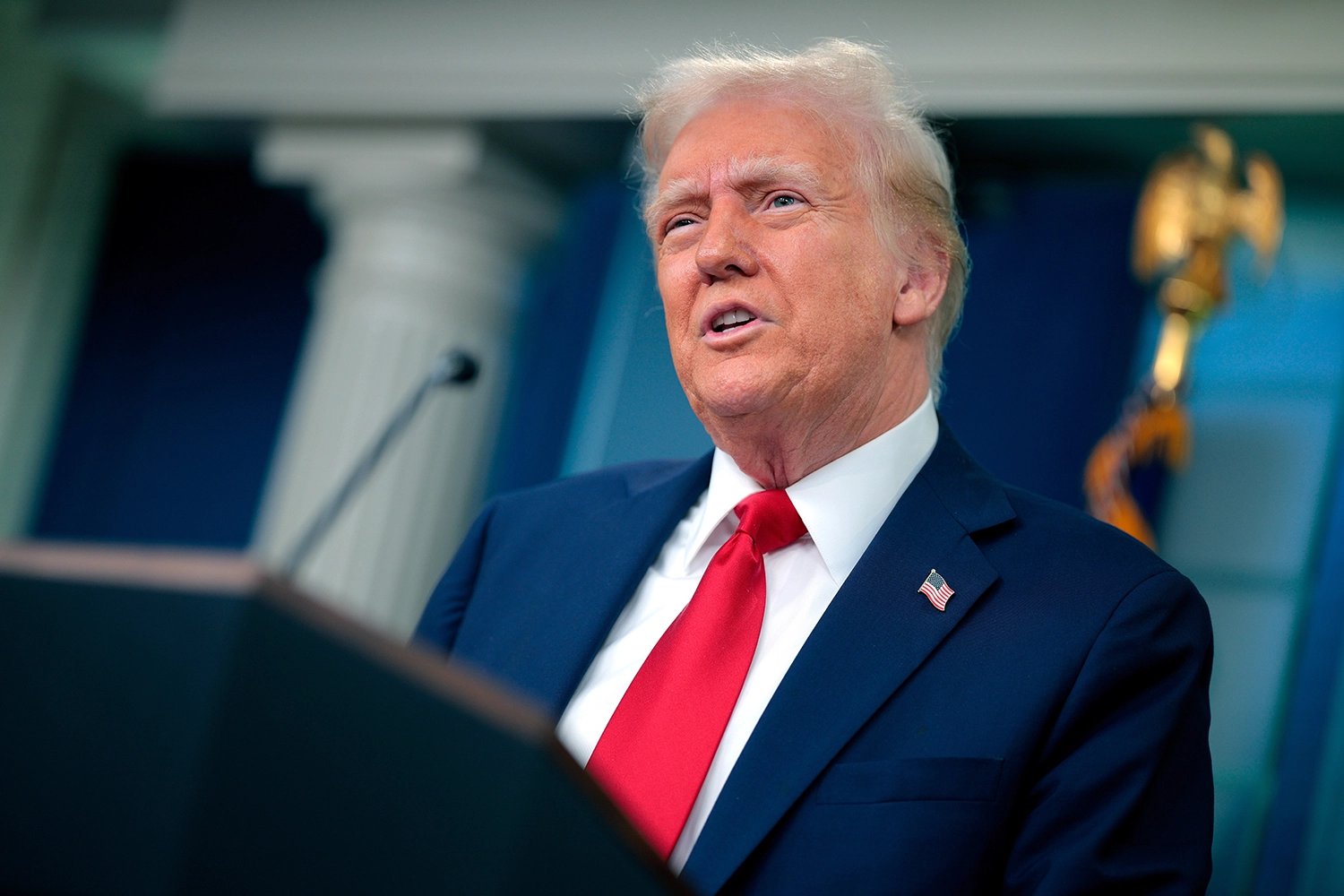
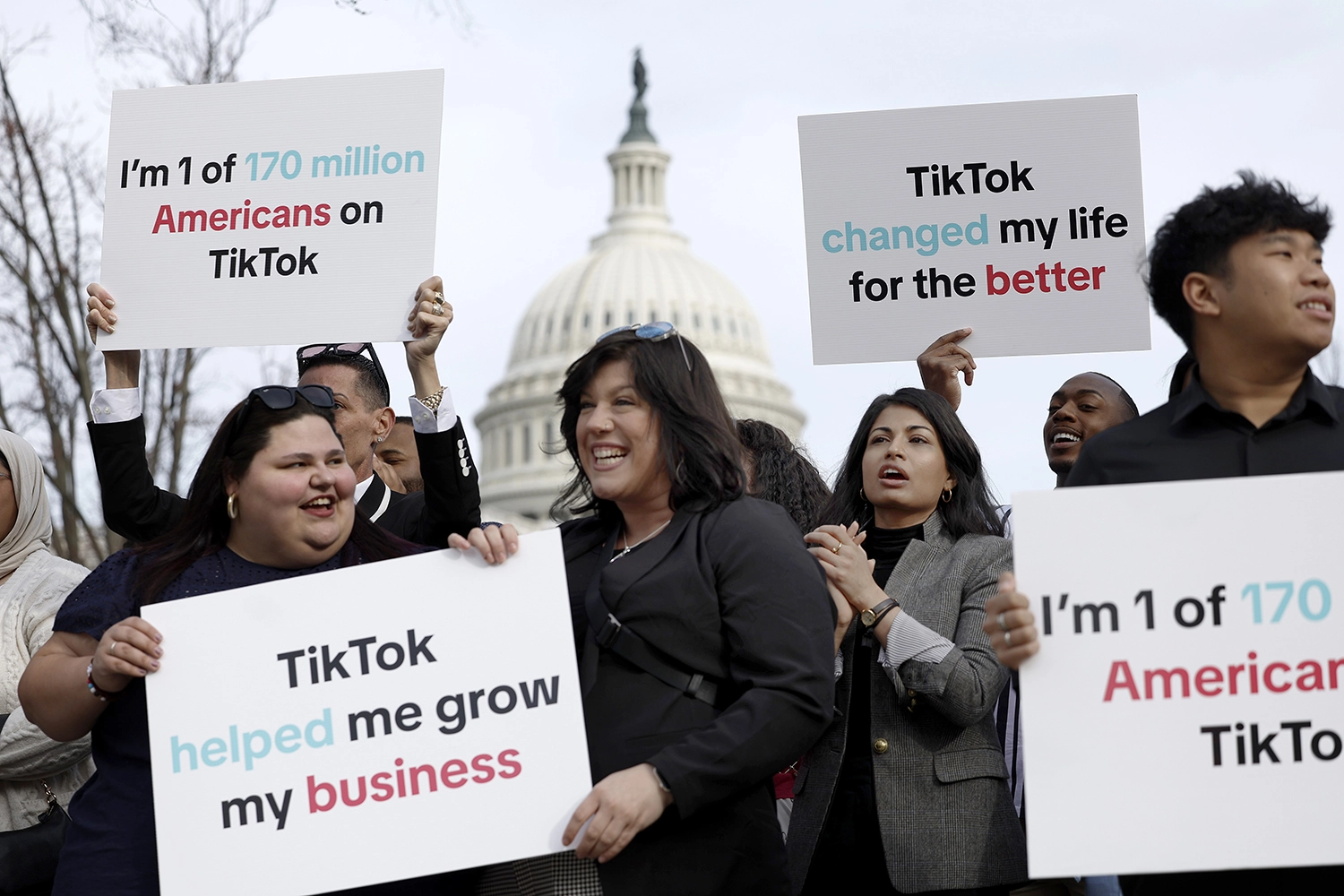
The highly successful short-form video app is owned by ByteDance, a Chinese company based in Beijing. That gives China’s Communist government the ability to access the personal data of TikTok’s 170 million U.S. users—about half the population. Researchers have documented that the TikTok algorithm promotes pro-China propaganda and suppresses posts about topics forbidden in China, such as the government’s abuse of the Uighur minority and Taiwan independence. Calling TikTok a national security threat, the House voted 360-58 and the Senate 79-18 last year to require ByteDance to sell the app to an American company or have it removed from app stores. The Supreme Court unanimously upheld the law last month, ruling that Congress had “well-supported national security concerns” about TikTok’s control by “a foreign adversary.” TikTok refused to sell and indicated it would shut down. But President Trump issued an executive order delaying the ban for 75 days while trying to persuade ByteDance to sell 50 percent of the U.S. app to Microsoft, Oracle, or another U.S. owner. “I have a warm spot in my heart for TikTok,” Trump said.
Why the warm spot?
It developed recently. In 2020, Trump issued an executive order to ban TikTok, saying the app gives “the Chinese Communist Party access to Americans’ personal and proprietary information.” That order was blocked by a federal court. Last year, ByteDance investor Jeff Yass—whose share of the company is worth more than $20 billion—personally lobbied Trump to protect TikTok and became a major contributor, donating over $96 million to Republican campaigns and PACs. During the campaign, Trump allies effectively used the site to win over young voters, and Trump amassed more than 15 million followers. Now Trump says it would be wrong to deprive TikTok users of their favorite app. “We have to save it,” he said.
Does China control TikTok?
TikTok’s Singaporean CEO, Shou Zi Chew, insists the Chinese government does not control the app. But ByteDance is obligated by Chinese law to have an in-house Communist Party committee. The government also owns 1 percent of ByteDance’s main Chinese entity. BuzzFeed obtained leaked audio from internal TikTok meetings in 2022, revealing that China-based employees repeatedly accessed U.S. users’ data. “Everything is seen in China,” said one employee. ByteDance’s refusal to sell would suggest it values influence and data more than money. What data does TikTok collect? It collects users’ ages, locations, contacts, phone numbers, internet addresses, and the content of their private messages sent through the app. Some argue this is no different from the practices of other social media companies. “The system of personal data security across social media and other apps is so broken, TikTok scarcely matters,” said Ciaran Martin, former head of the U.K.’s cybersecurity agency. ByteDance insists that China is “unlikely” to demand access to its data.
What about censorship?
TikTok’s secret sauce lies in the algorithm that determines what populates each user’s feed, a never-ending video scroll called the “For You” page. That secret algorithm grants the company immense power over what people see. Two studies by Rutgers University found that the platform promotes positive views of China’s government and culture and suppresses negative content about China. In one research test, TikTok blocked a user who posted a video condemning China’s mass detention of Muslims. Studies also suggest TikTok impacts users’ political views and increases polarization. About 45 percent of 18- to 29-year-olds get most of their news from TikTok, and U.S. intelligence warned last year that China has used it to “actively exploit perceived U.S. societal divisions” and to foment negative views of America.
How did the app get so popular?
Usage surged when the pandemic stranded many people in their homes, growing from about 40 million monthly users in early 2020 to over 100 million by August that year. They’re mostly young: Only 10 percent of adults 65 and older reported using TikTok last year, compared with 62 percent of those under 30. Researchers at Baylor University also found TikTok’s endless video scroll was addictive for nearly 1 in 4 users, with many of them losing track of time. In October, attorneys general in 13 states and Washington, D.C., sued TikTok, arguing it violated consumer protection laws and exacerbated a teen mental health crisis by, among other things, using beauty filters that can lead viewers to develop body image issues. “They deployed a suite of manipulative features that exploited young people’s psychological vulnerabilities,” said California Attorney General Rob Bonta.
Where does TikTok stand now?
Trump’s extension gives ByteDance until April 5 to sell TikTok, worth an estimated $50 billion. It’s been absent from app stores since January, but still works for users who already had the app downloaded. It’s unclear that ByteDance will sell even half of TikTok, or that such a sale will be legal, since Congress has required a total sale to a U.S. firm. Meanwhile, TikTok influencers, whose livelihoods depend on the platform, remain in limbo. “I feel like I’m going through heartbreak,” said Alix Earle, a lifestyle influencer with over 7 million followers.
The impact on teen mental health
Social media can help teens find community, but the negative effects are plentiful: loss of memory formation, conversational depth, analytical skills, and empathy, along with increased anxiety. An investigation by the attorneys general suing the company revealed TikTok was aware of the dangers it posed to young people but did nothing to minimize them. In the Baylor study, immersion in social media—whether TikTok or Instagram—was associated with increased mind wandering, depression, anxiety, addiction, and fear of missing out. Repeated exposure to unattainable body standards online can also trigger eating disorders. Former Surgeon General Vivek Murthy even called for a warning label on social media platforms. “The social media algorithms are built to promote whatever you seem interested in,” said Linda Mayes of the Yale Child Study Center. “If a teen searches for any kind of mental health condition, such as depression or suicide, it’s going to feed them information about those things.”