The Week The Week
flag of US
US
flag of UK
UK
https://cdn.mos.cms.futurecdn.net/flexiimages/jacafc5zvs1692883516.jpg

SUBSCRIBE & SAVE

Less than $3 per week

Sign in
  • View Profile
  • Sign out
  • The Explainer
  • The Week Recommends
  • Newsletters
  • Cartoons
  • From the Magazine
  • The Week Junior
  • More
    • Politics
    • World News
    • Business
    • Health
    • Science
    • Food & Drink
    • Travel
    • Culture
    • History
    • Personal Finance
    • Puzzles
    • Photos
    • The Blend
    • All Categories
  • Newsletter sign up Newsletter
  • The Week’s Saturday Wrap
    Dolly Parton’s legacy, the backlash to Flock cameras, and Gillian Anderson’s love stories

     
    TALKING POINTS

    Dolly Parton: The last great uniter?

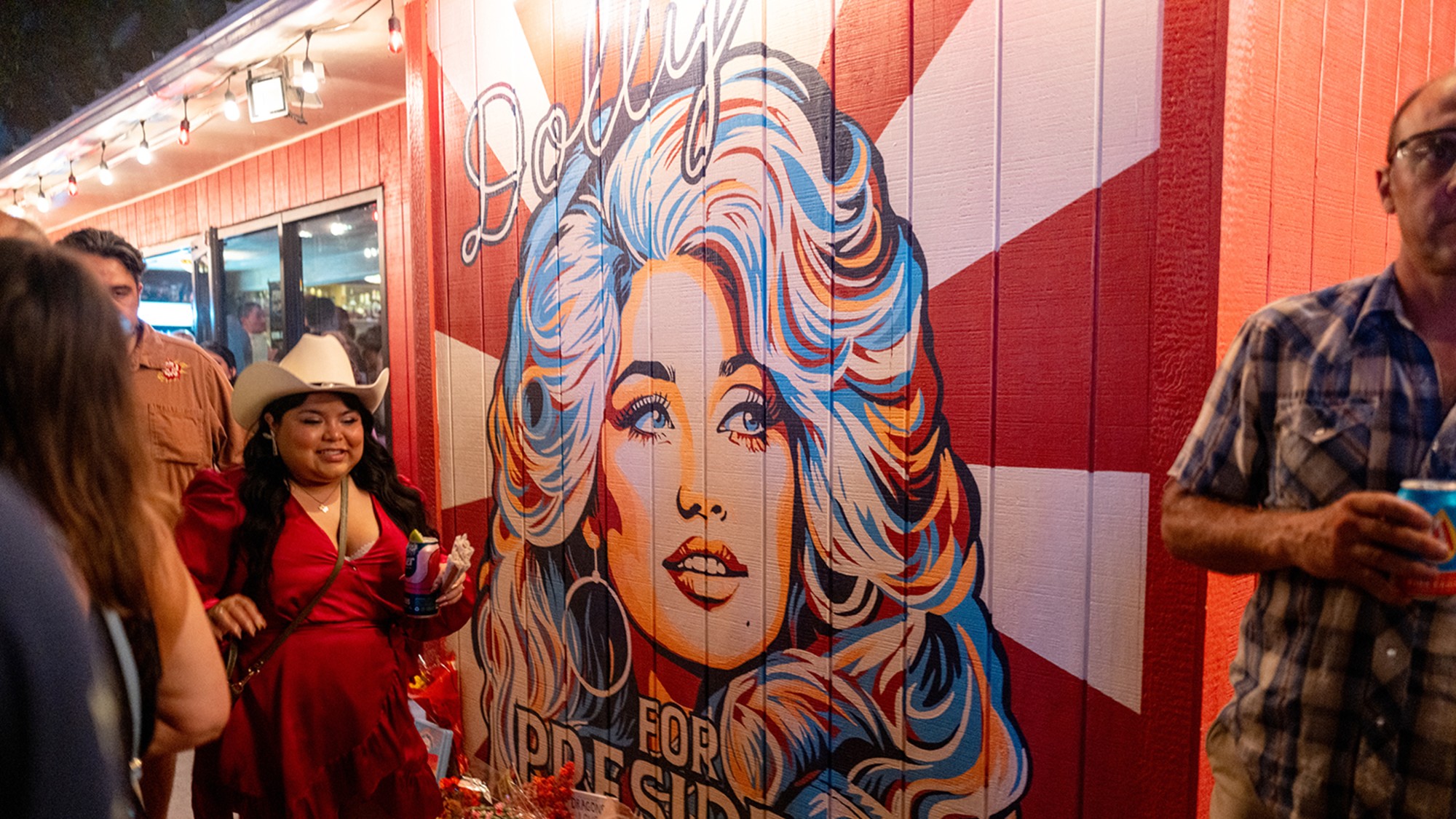
    “Whatever phantasmagorical thing a Real American might be, there has never been one realer” than Dolly Parton, said Kathryn Schulz in The New Yorker. A self-made millionaire who was born in a one-room cabin in the Smoky Mountains, the beloved singer-songwriter and philanthropist, who died last week at 80, “embodied our national ideal of authenticity.” She was even authentic in her embrace of artifice—“the wigs, the eyelashes, the boob jobs”—quipping, “It costs a lot of money to look this cheap.” Then there was her music. She connected with Americans of all ages, races, and classes with songs of “hope, home, and hardscrabble happiness,” whether recalling a jacket her mother stitched from rags on “Coat of Many Colors” or mourning a romance on “I Will Always Love You.” Parton was often called the Queen of Country Music, but there was nothing monarchical about her. She was “democratic to her bones, of the people and by the people and for the people, the duly elected President of the United States of Americans.”

    Parton was “the one person who could unite a deeply divided country,” said Zachary B. Wolf in CNN.com. She embraced her LGBTQ fans and penned the feminist anthem “9 to 5” but wouldn’t call herself a feminist, preferring “woman in business.” She dismissed herself as a Jezebel but openly discussed her Christian faith. Her mourners ranged from President Trump, who lowered flags to half-staff in her honor, to the Democratic Socialists of America, who declared her a working-class hero. She maintained “professional political agnosticism,” always deflecting with a “plain-spoken Dollyism” that entertained all sides. No one was surprised when she was ranked the most popular public figure in April, with a net favorability of plus 65, 51 points ahead of her closest competitor, former president Barack Obama.

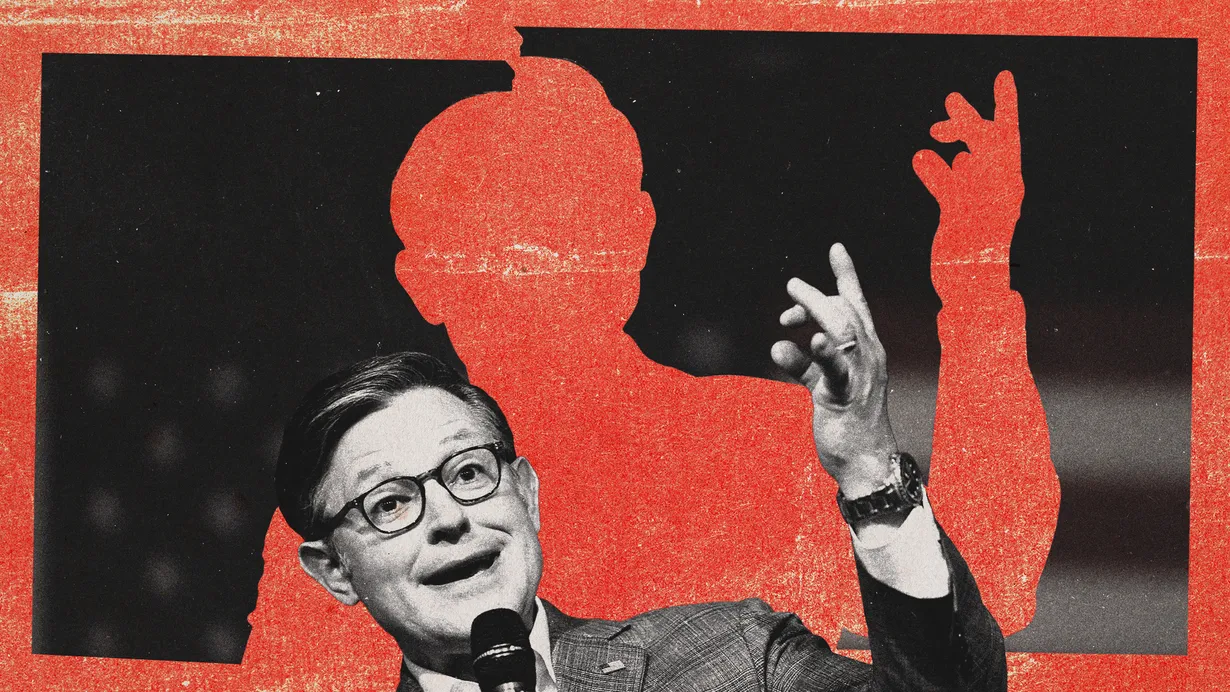
    Her death hits harder coming “when that other faux-blond 80-year-old” is “spreading chaos,” said Jackie Calmes in the Los Angeles Times. “Both Dolly and Donald are American originals.” She was “a fairy-tale version of the American dream,” while Trump is an entitled rich kid—another all-American archetype. Her philanthropy “was real and global”; his charitable foundation “was fraudulent and forced to shut down.” Parton represented an America where people “find connections in agreement,” not division, said Christian Schneider in National Review. Those seeking “to make America great again” should strive to do so “in Dolly’s vision.” In death, she pulled off one last remarkable feat: “getting the entire country to agree on something.” The nationwide grief wasn’t performative. “It was recognition that something genuinely irreplaceable had left the room.” 


    It wasn’t all bad

    A senior “paw patrol” is on the case at a major British train hub. Cocker spaniels Riley, 11, and Buster, 9, and Labrador Flo, 10, joined the security force at London’s Waterloo station in a British first last month as part of a three-month pilot project before they retire from active duty. Despite their adorable appearance, the pups were trained to detect hidden threats and bring down suspects—though they seem more likely to bring smiles to the faces of commuters. Authorities insist the deployment is not linked to any increase in threats. Station manager Dan Harrison said he hoped the dogs might serve as a “visual deterrent” as well as provide travelers with a calming presence. “Security needs constant innovation,” Harrison said. 


    briefing

    Tools of surveillance

    Are Flock cameras essential crime-fighting gadgets, or a step toward the panopticon?

    What are Flock cameras? 
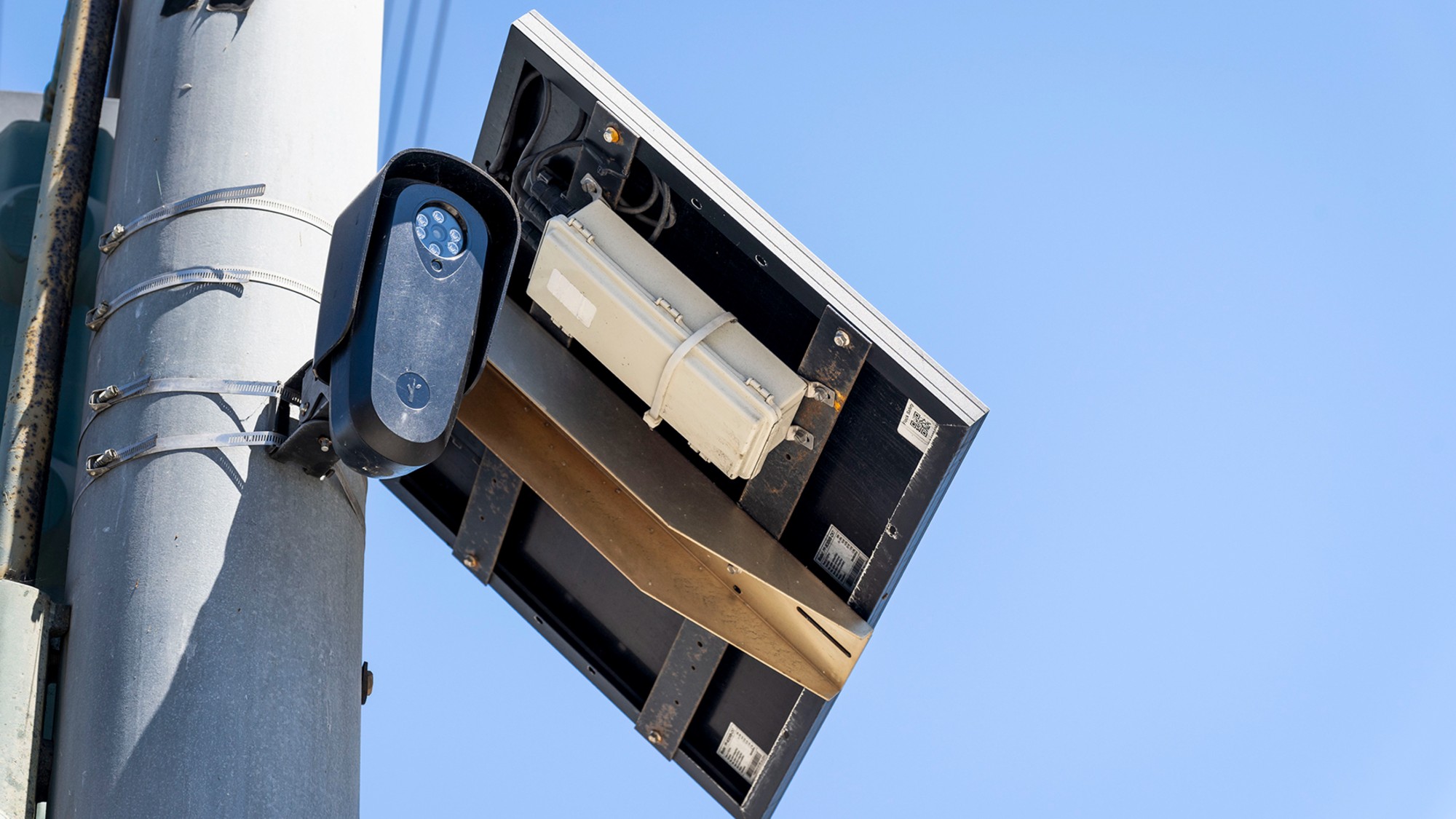
    They’re shoebox-size automated license plate readers that capture still images of passing cars. Typically mounted on poles about 10 feet high, they’re powered by solar panels and linked to cellular networks. Flock Safety CEO Garrett Langley founded the company in 2017 because he was fed up with theft in Atlanta, his hometown. The company initially leased cameras to homeowners associations, and by 2020, police departments started buying subscriptions. There are now more than 120,000 Flock cameras in the U.S., deployed by some 7,000 law enforcement agencies. But the backlash has grown just as quickly. Cities are canceling contracts, lawmakers from both parties are drawing up restrictions, and vigilantes have been vandalizing the cameras so they can’t snap pictures. “It’s mass surveillance,” says Cris van Pelt, creator of the police log tracking site HaveIBeenFlocked.com. “It has a huge potential for abuse and very, very little oversight.”

    What happens to the images? 
    The surveillance photos can be uploaded to a vast, searchable database. When a previously flagged or wanted vehicle—which Flock’s AI software can identify by license plate, make, model, color, and even dents and bumper stickers—passes by a camera, local law enforcement receives an alert. Flock Safety says its equipment has assisted in 20% of cleared cases in the jurisdictions that use it, and helped locate more than 10,000 missing people. Providence, R.I., officials said Flock was “instrumental” in locating within hours a masked gunman who killed two people at Brown University last year. And one police chief in Washington state said that since installing Flock, his city of Lakewood has experienced a rare 15-month stretch without a homicide. 

    What do critics say? 
    People across the political spectrum—both Tucker Carlson and Bernie Sanders have bashed Flock—argue that its system violates the Fourth Amendment. Will Freeman, an anti-Flock activist, called it a “warrantless surveillance dragnet” in a lawsuit filed in May against the city of Boulder. So far, the courts have disagreed, saying there’s no expectation of privacy on public roads. Immigration activists are concerned about data sharing with ICE or Customs and Border Protection. They note that while Flock Safety has no federal contracts, local police could choose to share information with the feds. Meanwhile, the system isn’t perfect, and its errors can lead to harrowing consequences. When a Flock camera misread a “7” as a “2” on a car in Toledo, falsely matching a stolen car, the vehicle’s owner, Brandon Upchurch, was stopped at gunpoint, mauled by a police dog, and jailed for hours before being released. “I’m traumatized for real,” said Upchurch, who is Black. “If we would have sneezed wrong, it would have ended bad.” 

    Have police abused the system? 
    Dozens of law enforcement officers have been charged with or accused of using Flock for unauthorized tracking, mostly to stalk their current or former romantic partners. A Georgia police chief looked up the tags of his girlfriend and her teenage daughter 600 times to track their movements; he was arrested and died of apparent suicide. One woman, a sheriff’s deputy in Wisconsin who requested anonymity, told The Washington Post that her ex, a colleague, searched her license plate over a dozen times a day. “I didn’t leave my house for a week,” she said. One Florida officer, fired after an internal-affairs investigation discovered he’d made 192 inappropriate Flock searches, said, “Pretty much everybody abuses that computer system.” An advocacy group in Joplin, Mo., requested audit logs from the city police department and found that 85% of Flock searches had a one-word justification—like “suspicious” or “drugs”—and that fewer than 3% of searches had a case number.

    What does the public think? 
    Flock appears to be hugely unpopular. Vigilantes have covered the cameras in trash bags, splattered them with paint, and even sawed them down. Freeman, the Boulder-based activist, has launched the app DeFlock, where users can map camera locations; more than 350,000 people have downloaded the app. Flock’s business is still growing, but the backlash has led more than 50 jurisdictions to cut ties with the firm this year. In July alone, 21 groups, including the Los Angeles Police Department, stopped using Flock or began the process of doing so. Local governments and Congress are drafting legislation to regulate the cameras’ use. In the Senate, Josh Hawley (R-Mo.) has opened an investigation into how Flock uses its data. In the House, Keith Self (R-Texas) introduced a bill to require federal agencies to get a warrant before accessing any similar data. “This is not a Left issue, not a Right issue,” Self said. “It is a personal issue.”

    How has Flock responded? 
    Langley points out that the cameras don’t do facial recognition and the customer, not Flock, owns the images. “Think about the tooling that we ask local law enforcement to use,” he says. “We give them a weapon, a gun, a taser, yet we’re afraid to give them a camera that reads a license plate on a public road?” As for misuse, the company says, Flock’s records of search logs allow departments to identify which cops abuse their power. Still, the recent bad press spurred the firm to implement changes it says make it harder to use the system for anything other than legitimate crime-solving. Case codes to justify a search, previously optional, will be mandatory, and the audit log will be upgraded so that Flock can detect abnormal search patterns and block those users. The default time for storing images before deletion, currently 30 days, will drop to a week. Yet the DeFlock activists aren’t placated. “No guardrails,” the group said in response to the new guidelines. “No regulations. No ‘only if they really need to’ pinkie promises. [The cameras] are coming down.



    Only in America

    A history of hiring prostitutes or engaging in bestiality will no longer disqualify would-be FBI agents, CBS News reports. The agency has lowered hiring standards in an attempt to boost recruitment following a wave of firings, resignations, and retirements under the Trump administration. The new rules let the FBI give applicants a pass if they paid a sex worker over a decade ago—and not more than twice—or committed bestiality before turning 18.


    people

    Anderson’s sexual education

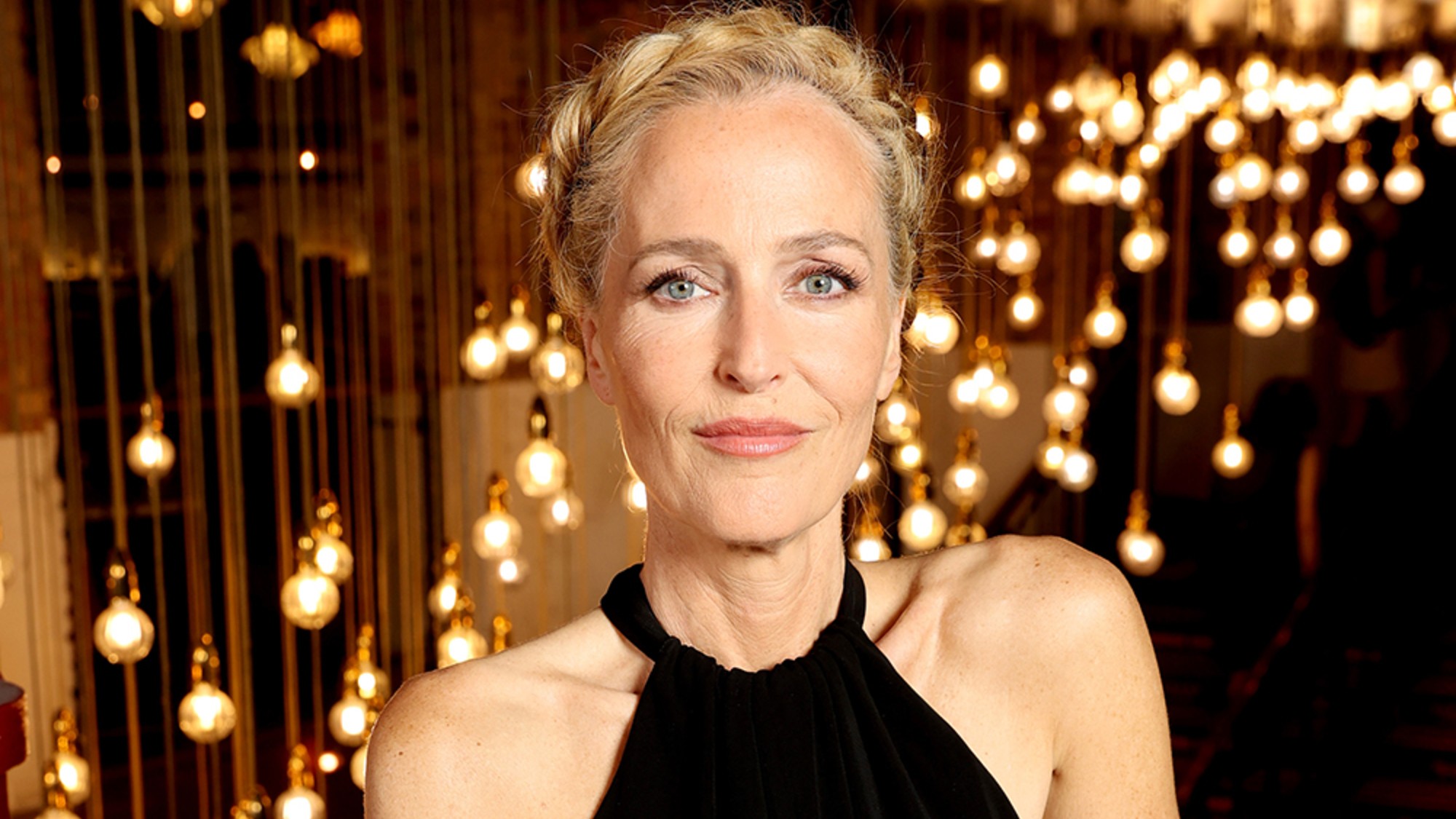
    Gillian Anderson is used to living in a gray zone, said Melissa Denes in The Sunday Times (U.K.). In 1979, at age 11, she moved with her American parents from London to Grand Rapids, Mich. “Not only did I not fit in, I didn’t want to fit in,” says the actress, 58. “I was a punk in a conservative town. There wasn’t a single other person who had a nose ring and a Mohawk.” Anderson also didn’t feel entirely straight. One of her first relationships was with an older girl in high school. “It felt secretive and illicit and wrong, and we had to hide. Later on, I had a boyfriend who found out and broke up with me.” Anderson never seriously considered whether she might be gay. “I’d had a couple of boyfriends. But I didn’t have the language for it. Even later on, when I had other relationships [with women], I’m not sure I ever thought of them as being potentially forever.” Anderson, who has been married twice and has three adult children, is now in a long-term relationship with The Crown creator Peter Morgan. But the fact that he’s a man, she says, is irrelevant to her feelings for him. “The person I consider my life partner happens to be male, but I think I would feel the same way if it were a woman. I’d feel, ‘This is my life partner.’” 


    Saturday Wrap was written and edited by Theunis Bates, Chris Erikson, Bill Falk, Allan Kew, Scott Meslow, Rebecca Nathanson, Tim O’Donnell, and Zach Schonbrun.

    Image credits, from top:  Getty (all)
     

    Recent editions

    • Evening Review

      The Pentagon in turmoil

    • Morning Report

      Democrats notch rare wins in redistricting war

    • Evening Review

      Who runs the world?

    VIEW ALL
    TheWeek
    • About Us
    • Contact Future's experts
    • Terms and Conditions
    • Privacy Policy
    • Cookie Policy
    • Advertise With Us
    • FAQ
    Add as a preferred source on Google Add as a preferred source on Google

    The Week is part of Future US Inc, an international media group and leading digital publisher. Visit our corporate site.

    © Future US, Inc. Full 7th Floor, 130 West 42nd Street, New York, NY 10036.