Why have all types of beef—even hamburger meat—gotten so expensive?
How pricey is beef now?
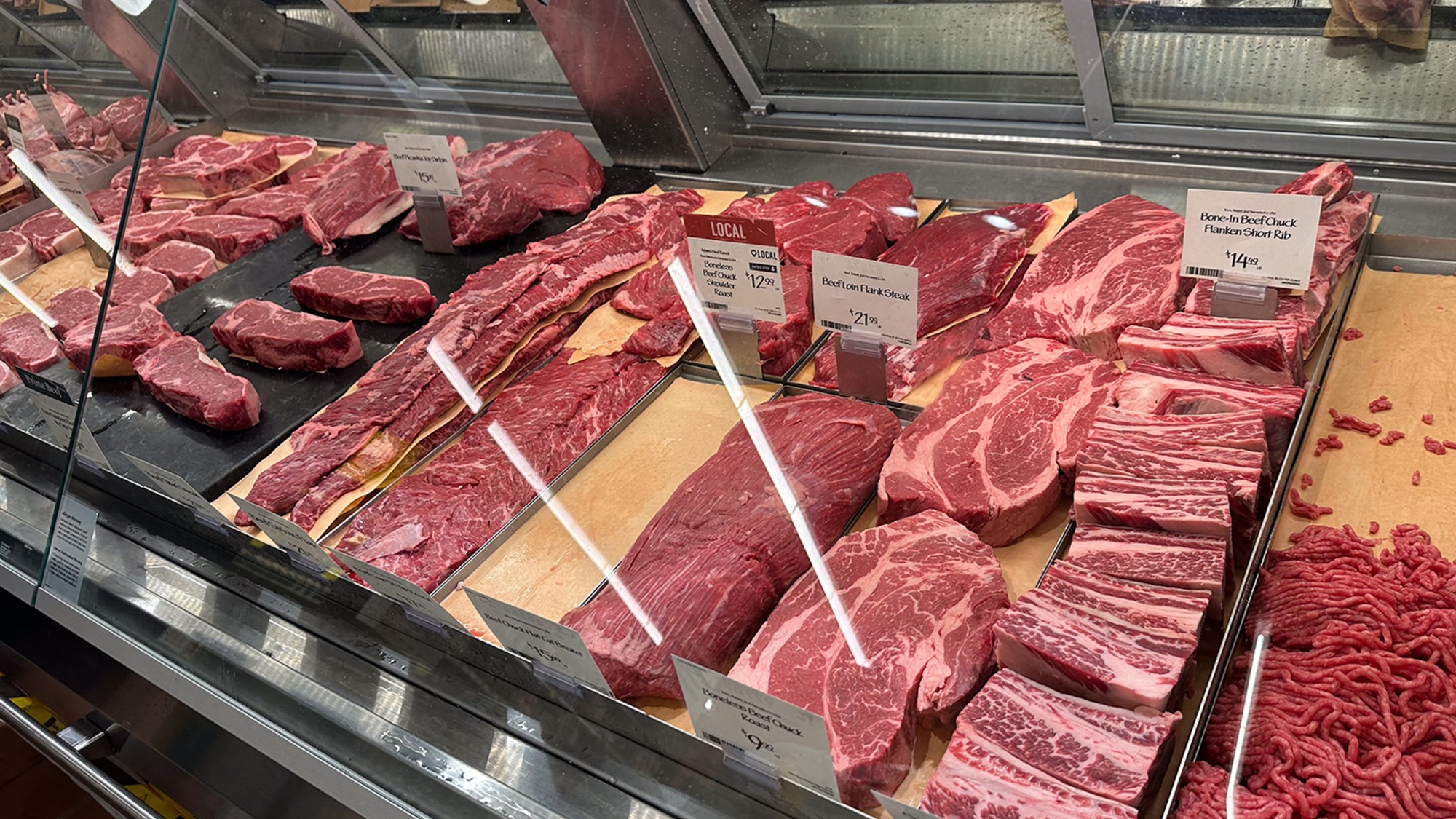
It’s one of the biggest sources of sticker shock at the supermarket. The price of beef has far exceeded the rate of inflation, with ground beef at over $7 a pound in September, nearly 20% more expensive than it was two years ago, and steak at nearly $13 a pound, up 16%. Last year, we spent roughly $45 billion on beef, a 10% jump over the previous year. That’s partly because, though the growing U.S. population eats more beef and veal per capita than any other nation save Argentina, our beef cattle herds are currently the smallest they’ve been in 75 years. The consequences of this shortage show up on individual shoppers’ receipts: McDonald’s charges over $6 for a Big Mac, and a burger in a sit-down restaurant in New York or California can run $30 or more. Even in Texas, the onetime mecca of cheap beef, the state’s approximately 3,300 barbecue joints are facing the impossible choice of either selling brisket at a loss, dropping it from the menu, or closing their doors altogether, as several have been forced to do. “I spend $100,000 a month on groceries to bring in here— $45,000 of that is brisket alone,” said Russell Roegels, a longtime Houston pitmaster. “Everybody’s at risk these days. You’re one bad week from closing.”
Why are we short of cattle?
Mainly because of years of drought in cattle-producing states. Water scarcity depletes grain, grass, and other plants that cows eat, forcing ranchers to either buy supplemental feed or thin their herds to keep afloat financially. “It really had an effect on forage availability,” said Cameron Mulrony of the Idaho Cattlemen’s Association, “and just any place to go with those cows.” Though ranchers are able to partly compensate by raising cattle that weigh hundreds of pounds more than their 1950s counterparts, rising production costs hit every stage of the beef supply chain. Steer and heifers cost more to fatten at feedlots. Meatpacking plants have to pay more for them, leading even giants such as Tyson and JBS to post nine-figure losses in the first half of 2026. Consumers then pay more for the meat. Still, not all the industry’s woes can be blamed on the environment. The Trump administration has also dealt it multiple blows.
What has the government done?
President Trump’s tariffs on imports, followed by successful legal challenges against them, added a jolt of volatility to the market. Trump ratcheted up tariffs on Brazilian beef to 76% in July 2025 before walking them back later that year. Then the Iran war sent the prices of diesel and fertilizer soaring, which increased the costs of transporting beef and growing feed. Trump’s immigration crackdown also hit the industry hard— as it did the rest of agriculture—because the immigrants who make up a significant portion of livestock workers were scared to come to work. “These ICE operations,” industry groups in Texas, Kansas, and Oklahoma said in a joint statement, “are having a massive chilling effect on the legal, documented, skilled workers that put beef on the table.” (Homeland Security Secretary Markwayne Mullin denied such raids occurred in Kansas.) And finally, the USDA closed the border to Mexican cattle for 15 months to try to stop the spread of the New World screwworm. The flesheating parasite was once eradicated from North America, but reappeared in Mexico last year and reached the U.S. in June.
What’s being done to tame prices?
Casting about for ideas, the Trump administration has proposed antitrust enforcement against the four meatpacking corporations that control 85% of the industry, opening up additional federal lands to cattle grazing, and an initiative to let ranchers process their own meat. The USDA started readmitting Mexican cattle in August. Ranchers welcomed those proposals. But in August, Trump signed an executive order suspending tariffs on 300,000 metric tons of lean beef trimmings from Argentina, Brazil, and elsewhere, which would be sold at a 25% discount to the market price, and that made ranchers livid. Tim Brunner of the Montana Cattlemen’s Association called the plan “absolutely idiotic.”
Why were ranchers upset?
Though tariffs were intended to protect the beef industry, they artificially constricted the total U.S. supply. Then, when some were abruptly lifted, ranchers were caught in a bind: The price of their cattle dropped while their operating costs did not. And the executive order allowed in dubious foreign meat. The ultra-lean trimmings imported on the cheap have been frozen, possibly for years, intended to be mixed with fattier domestic meat to make ground beef. There could be safety concerns around that: The European Union just banned Brazilian beef because of the types of antibiotics used in it, and China recently refused a shipment of tainted Argentine beef. While prices did dip 1% in the month after Trump’s decree, economists estimate the imports will only end up shaving a few cents off a pound of hamburger.
What else might get prices down?
Lawmakers from cattle states have a few ideas. Legislation proposed by Rep. Gabe Evans (R-Colo.) in October would make more cattle eligible for the USDA’s Livestock Risk Protection program, which could create a financial cushion so ranchers can save heifers for breeding. Still, ranching will always be a low-margin business, and fewer people want to go into it. Ranchers over 65 already outnumber those under 35 by 4 to 1. With the demand for beef holding steady (see box), price pressures are likely to remain strong for years. “The truth is that we may have to accept an uncomfortable reality,” said sixth-generation Kansas rancher Katie Tonn. “Beef is simply more expensive than it used to be.”