The theocratic tyrant who made Iran a global menace
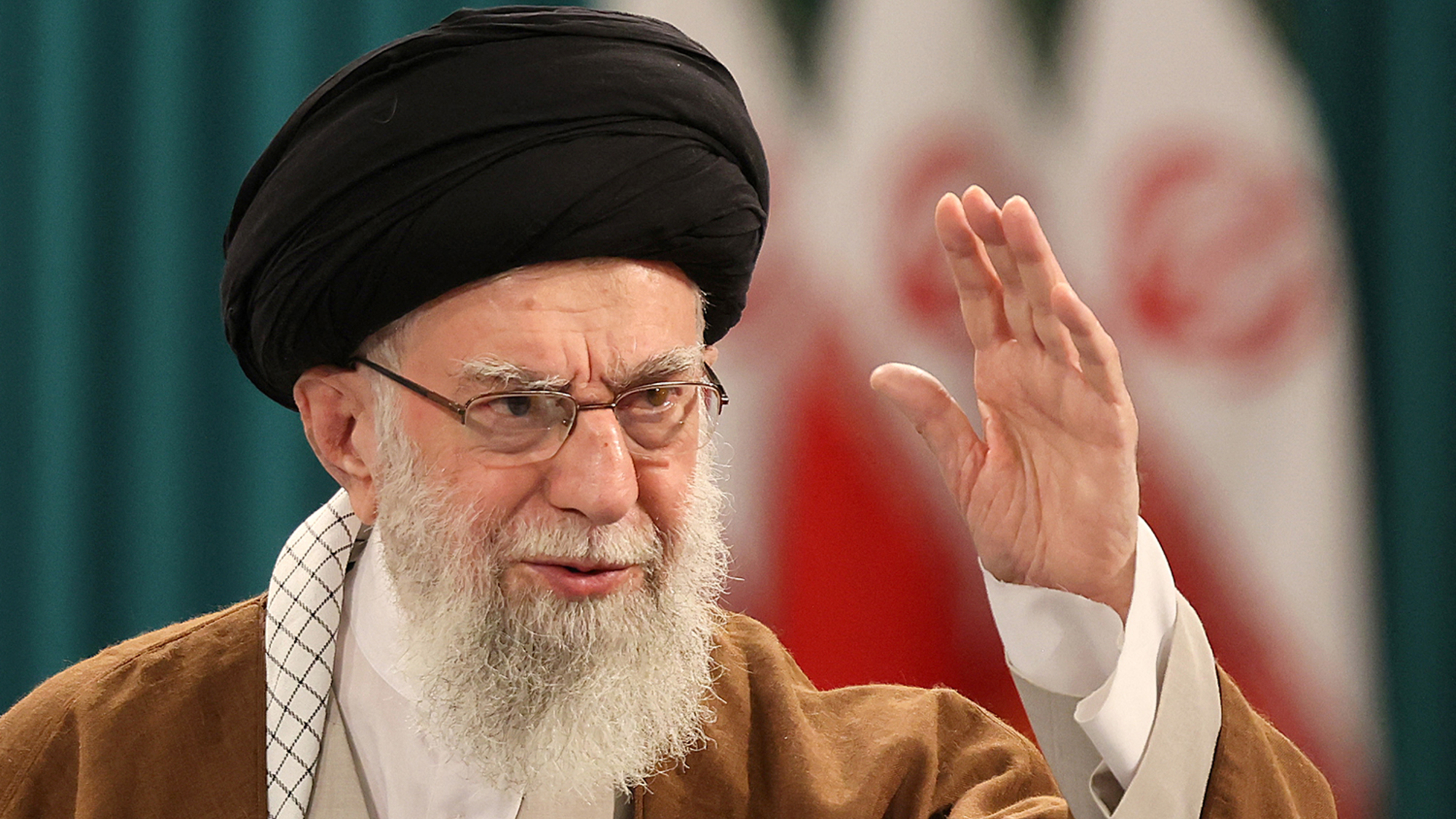
When he first became Iran’s Supreme Leader, Ayatollah Ali Khamenei presented himself as humble. A mid-level Shiite cleric who lacked the popularity and charisma of his predecessor, Ruhollah Khomeini, he stepped into the post in 1989 calling himself “an individual with many faults and shortcomings, and truly a minor seminarian.” But as he settled into the dictatorial role he showed his mercilessness. Khamenei presided over decades of internal repression, as he blocked even mild attempts at reform, and external belligerence, as he transformed Iran into a state sponsor of terrorism. His regime supported the “Axis of Resistance” network of mostly Shiite militias and terrorist groups, such as Hezbollah in Lebanon, the Badr group in Iraq, the Houthis in Yemen, and Hamas in Gaza. In his speeches and rulings, he blamed any whiff of dissent or dysfunction at home on the U.S., which he called the “Great Satan,” or on Israel, the “Zionist regime.” To maintain control, he once admitted, “We need the United States as an enemy.”
“Revolution was in his blood,” said Foreign Policy. “The grandson of clerics who supported a revolt against a previous dynasty,” Seyyed Ali Hosseini Khamenei wore the black turban signaling direct descent from the Prophet Muhammad. At 19, he fell under the sway of Khomeini, who was then a top cleric in Qom. Khomeini was a leader of opposition to the shah, Mohammad Reza Pahlavi, an authoritarian who wanted to modernize the country.
Khamenei worked as Khomeini’s courier, spending several stints in prison for his activism. When Khomeini led the 1979 revolution and took 52 U.S. hostages, Khamenei was the one who created a propaganda film suggesting the captives “were being well looked after,” said The Times (U.K.). From then on, he was the supreme leader’s “trusted lieutenant.” After surviving a 1981 assassination attempt that paralyzed his right hand, Khamenei served as Iran’s president, brutally repressing dissent. When Khomeini died in 1989, he was chosen by a panel of senior clerics as successor.
He consolidated power quickly, said The New York Times, turning the Islamic Revolutionary Guard Corps into “a powerful tool of repression.” When Iranians elected a reformist president, Mohammed Khatami, in 1997, Khamenei hamstrung him by jailing cabinet ministers and shuttering friendly newspapers. Regional instabilities were “cannily exploited.” When the 2003 U.S. invasion of Iraq created a power vacuum there, he armed Shiite militias and backed Shiite parties, “giving Iran significant clout in Iraqi politics.” His regime also pursued nuclear weapons, even though he’d issued a fatwa banning their use. He “adamantly refused to give up Iran’s uranium-enrichment program,” said The Washington Post, and repeated calls to annihilate Israel. Still, desperate for sanctions relief, he reluctantly endorsed President Obama’s 2015 deal limiting the nuclear program— though he “appeared to regret it” three years later, when President Trump pulled the U.S. out of the pact.
Many Iranians “despised living under his firebrand form of theocratic governance,” said The Wall Street Journal, in which women could be jailed for failing to wear a hijab. Torture was common in prisons, and dozens of crimes brought the death penalty. Nationwide protests broke out repeatedly, in 2009, 2017, 2019, and 2022, and the regime responded with deadly force and mass arrests. Then came the event that changed everything, something that at first “appeared to be a victory”: the Oct. 7, 2023, massacre of Israelis by Hamas militants Iran had trained and armed. Israel responded by taking out Iran’s proxies one by one, and it humiliated Iran by assassinating the head of Hamas while he was in Tehran. Then last June, U.S.-Israeli air strikes crippled Iran’s nuclear program. And when sanctions and runaway inflation sent the Iranian rial plummeting to 1.4 million per dollar, hundreds of thousands of Iranians took to the streets again.
The resulting crackdown “has been ruthless,” said The New Yorker, with some 30,000 protesters massacred. But Khamenei remained largely out of sight. In his final weeks, before he was killed on the first day of a joint U.S.-Israel attack, he remained so secluded that Iranians nicknamed him “Ali the Mouse.” Still, he continued to rail against the U.S. As American forces assembled in the Middle East, he vowed to fight back with his proxy forces. “If they start a war,” he said, “this time it will be a regional war.”