The Week The Week
flag of US
US
flag of UK
UK
https://cdn.mos.cms.futurecdn.net/flexiimages/jacafc5zvs1692883516.jpg

SUBSCRIBE & SAVE

Less than $3 per week

Sign in
  • View Profile
  • Sign out
  • The Explainer
  • The Week Recommends
  • Newsletters
  • Cartoons
  • From the Magazine
  • The Week Junior
  • More
    • Politics
    • World News
    • Business
    • Health
    • Science
    • Food & Drink
    • Travel
    • Culture
    • History
    • Personal Finance
    • Puzzles
    • Photos
    • The Blend
    • All Categories
  • Newsletter sign up Newsletter
  • The Week’s Sunday Shortlist
    Sniper vs. super soldiers, TV’s big awards night, and Rachel Cusk’s new novel

     
    FILM REVIEW

    Onslaught

    Directed by Adam Wingard
    ★★ (out of 4) 
    Rated R

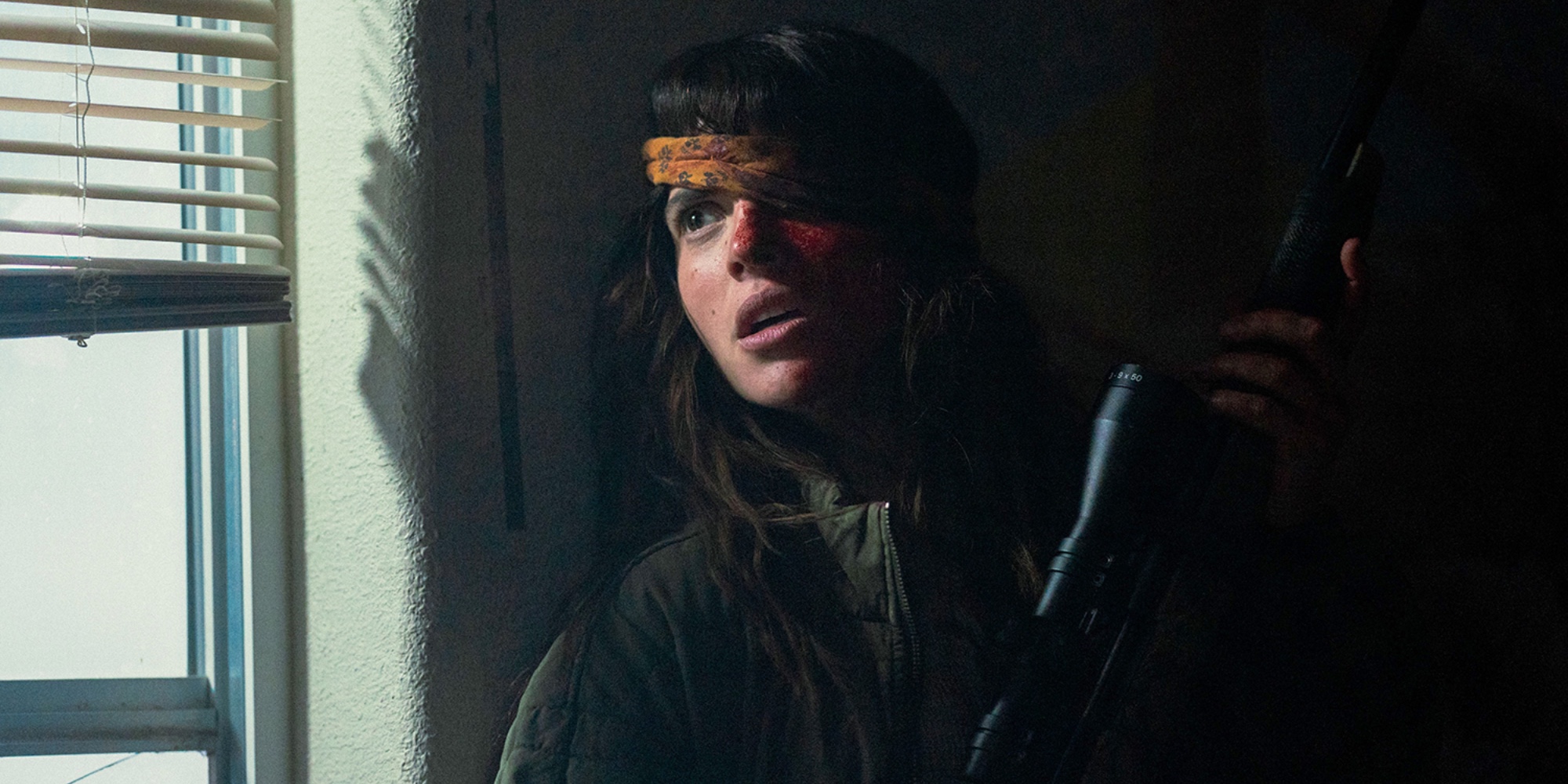
    “If you’ve seen this type of movie before, the makers of Onslaught are betting you’ll want to see their ersatz rehash, too,” said Simon Abrams in RogerEbert.com. A sci-fi action-horror flick that might have made more sense if it was released in the 1980s, this “empty-headed” siege drama pits an Army-vet single mom against three government-engineered super soldiers. But while it delivers “some satisfyingly full-throated gore effects,” Onslaught “isn’t thoughtful enough to make you care about its paint-by-numbers story beats” and does nothing with its potentially timely vision of the American military unleashing mayhem on U.S. citizens. At least it gives the “magnetic” Adria Arjona her first solo lead role, said Benjamin Lee in The Guardian. Playing an ex-sniper now raising a young daughter in a trailer park, the Andor and Hit Man star “gets to shoot, quip, and chainsaw her way to the center of the frame” when the super soldiers escape from a military lab and begin killing every human in sight. Still, there’s a limit to what Arjona can do with the role because “the situations she’s placed into are not quite inventive enough.” Director Adam Wingard, who’s returning here to indie filmmaking after two Godzilla vs. Kong movies, has called Onslaught a B movie with A-movie polish, but “I’d call it a B-minus success.” Though “the violence is sometimes spectacular,” said William Bibbiani in The Wrap, “the actual onslaught part of the movie doesn’t begin until surprisingly late.” More surprisingly, “the film ends just when it’s getting good.”


    tv review

    The 2026 Primetime Emmy Awards

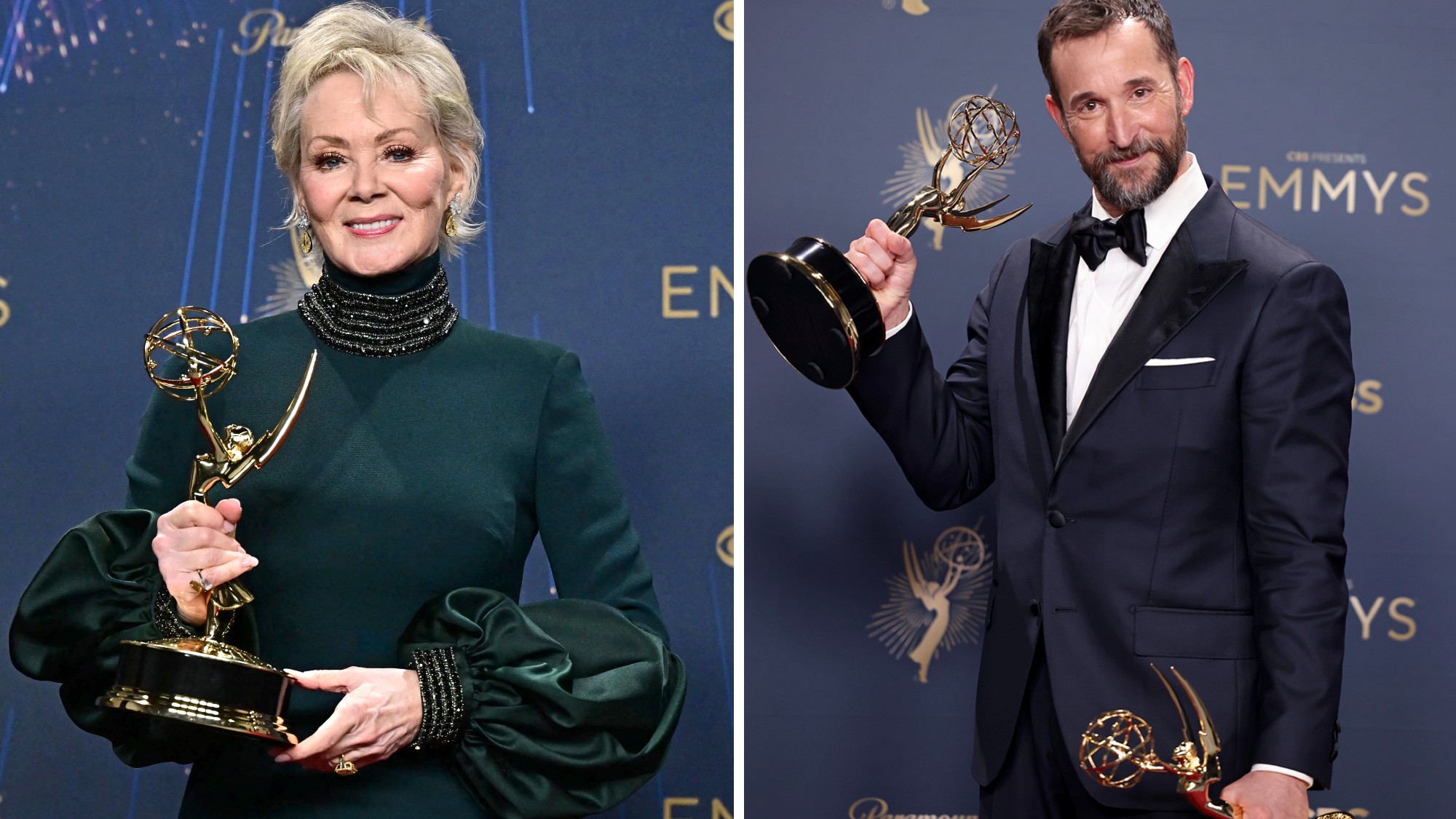
    Rumors of prestige TV’s death have, perhaps, been greatly exaggerated. This year’s Emmy nominees prove that strong shows across all genres are still arriving. HBO Max is expected to have a big night. Two of its biggest hits—the Noah Wyle– led hospital drama The Pitt and the Jean Smart– Hannah Einbinder two-hander Hacks—lead the pack with 25 and 24 nominations, respectively. Other shows that could score multiple podium visits include the sci-fi mind-bender Pluribus, from Breaking Bad/Better Call Saul creator Vince Gilligan, and the hit horror-comedy Widow’s Bay.

    Monday, Sept. 14, at 8 p.m., NBC and Peacock


    FOOD & DRINK

    White port: A chill companion

    Let’s not overcomplicate white port, said Joseph Hernandez in Bon Appétit. Instead of writing about it, “I want to sing about it”: how I can simply pour it over ice in a rocks glass or mix in a tonic or flavored seltzer and sit outside with a book and chill. Or I can mix up a pitcher of white port martinis and invite friends over. Fresh and easygoing, white port, a Portuguese import, can be swapped into most any cocktail that calls for a clear spirit.

    Baronesa de Vilar ($25)
    This white port is “sunset in liquid form,” tasting of almond, candied orange, and golden caramel. 

    Quinta de la Rosa Extra Dry ($19)
    Terrific in a cocktail as a lower-alcohol substitute for gin or vodka, this pear-scented port is “equally quaffable” with just a splash of tonic or seltzer. 

    Fonseca Porto Siroco Extra Dry($19)
    With its “delicate floral and bitter notes,” this port is as “crisp as a new dollar bill.”


    BOOK OF THE WEEK

    The Life of M

    by Rachel Cusk

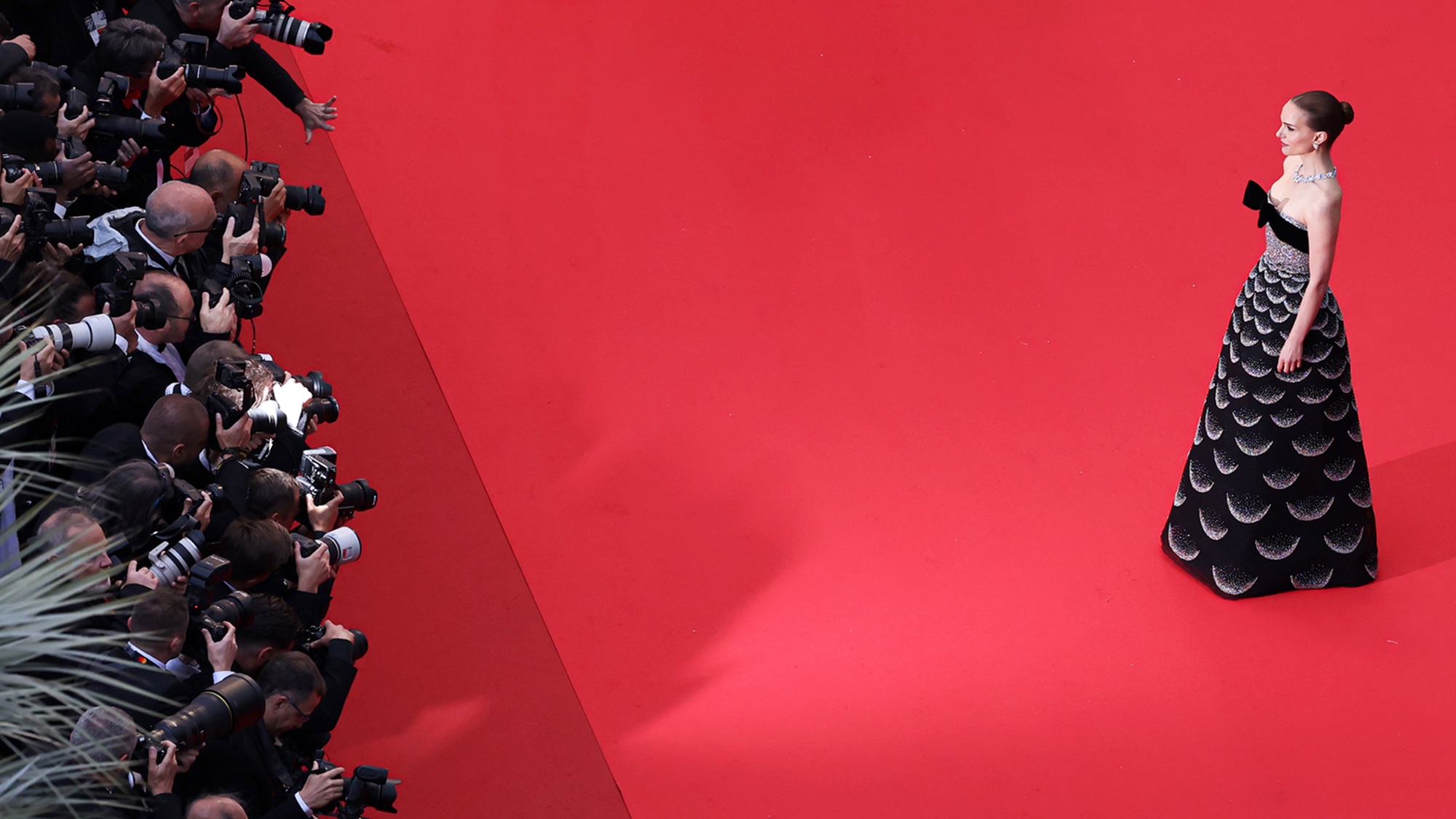
    “I have disappointing news,” said Laura Miller in Slate. Rachel Cusk’s 11th novel, which has widely been rumored to be a dirt-dishing character assassination of a particular A-lister she’s been friendly with, “isn’t really about Natalie Portman at all.” Granted, the book concerns an actress, identified only as M, whose screen credits, including a breakthrough performance at 13, track with Portman’s. But the novel makes its intentions clear in its opening lines, when the narrator reports having confessed an interest in writing M’s autobiography and M asking if the story would be entirely made up. Cusk, who’s celebrated for forays into autofiction that interrogate the novel as a form, is plainly about to construct “a narrative hall of mirrors that only a fool would confuse with a thinly veiled roman à clef about a celebrity.”

    “Like most of Cusk’s recent work, Life of M is mainly plotless,” said Emma Alpern in NYMag.com. We see little that happens in M’s life beyond her moving through her days unable to muster any strong feelings or connect to reality as most people experience it. Meanwhile, the narrator neither recedes nor reveals any substantial personal information. Though “there’s a mesmerizing, out-of-time quality to the whole scenario,” Cusk arguably goes too far here in her bid to dismantle fiction’s presumptions, because “her insistence on vagueness can be tedious.” The result is “Cusk’s weakest novel yet,” said Becca Rothfeld in The New Yorker. “Life of M is not a disciplined dismantling; it’s a machine breaking down at random.” Cusk wants to make the point that individual experiences don’t matter anymore because we all succumb to a form of groupthink, then reveals her towering self-regard by endowing every one of her characters with the same “humorless, cosmopolitan, self-important” voice that’s undoubtedly her own.

    “Life of M is a strange book,” said Sophie Gilbert in The Atlantic. “But in its final pages, it performs an astonishing rug pull that makes you wonder whether the book actually has been an autobiography all along, interested in exposing not M but the knotty and unpalatable process of Cusk’s art.” Throughout her career, Cusk has drawn fire, and even been sued, for creating unflattering portraits of recognizable people she has known. Her narrator here admits late in the book that she imagined her way into M’s mind to entertain herself. “To be a writer in this way is to be parasitic— to latch onto someone real and to try to draw out their life force to make art. It isn’t exactly defensible, but for Cusk to expose that practice is deeply fascinating.”


    OBITUARY

    Dolly Parton

    The country star who rose from ‘rags to rhinestones’

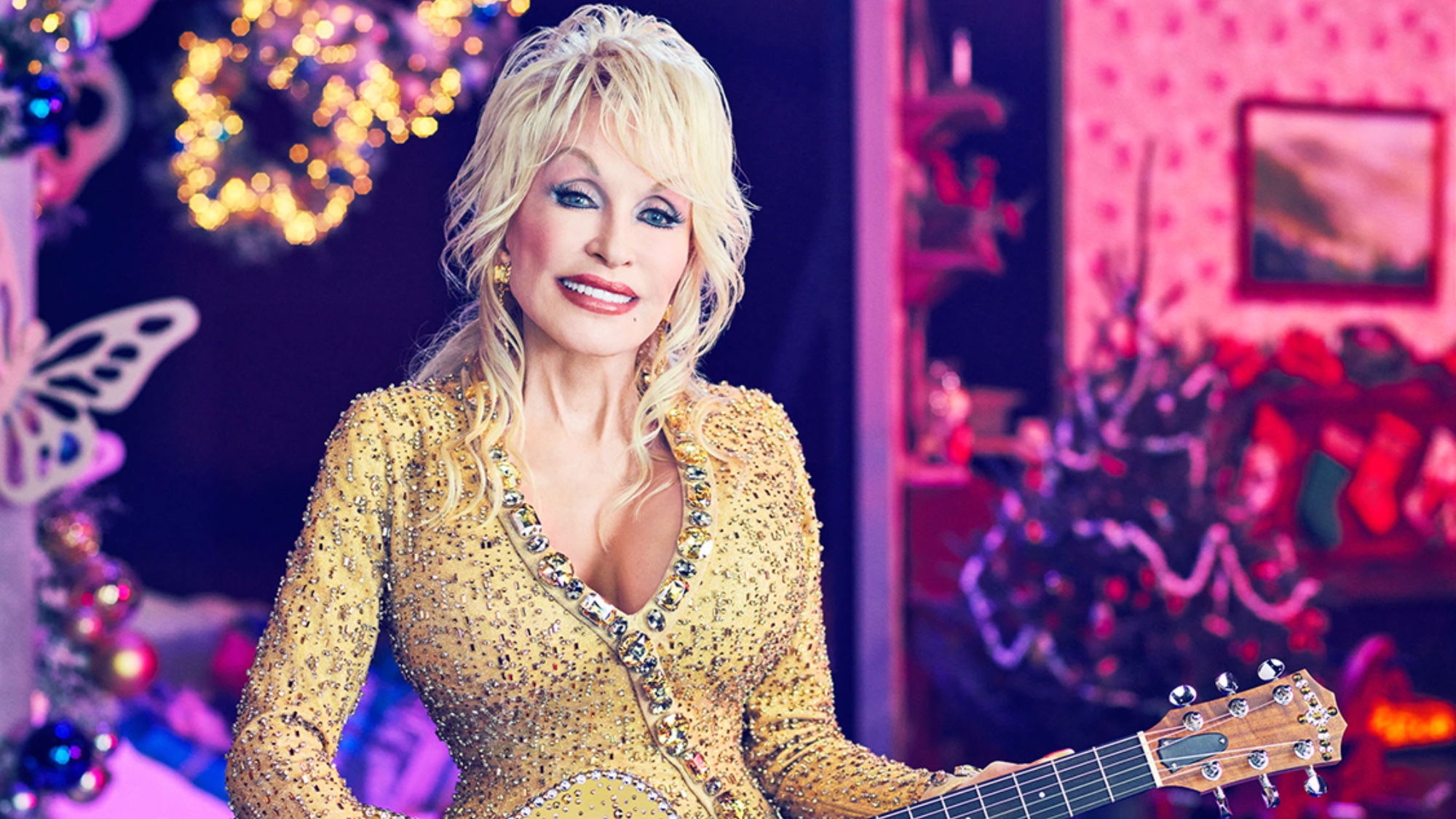
    There was far more to Dolly Parton than met the eye, and there was a whole lot that met the eye. Clad in towering blonde wigs, with sparkling, skintight outfits accentuating a bust that launched a thousand late-show quips, she combined showbiz glamour with garish excess. “A rhinestone shines just as good as a diamond,” she often said. But behind the glitz was profound talent, as well as a grit and generosity that made her one of country music’s biggest stars and a beloved international icon. Rising from Appalachian poverty, Parton wrote thousands of songs, including classics such as “Jolene” and “Coat of Many Colors.” She recorded 25 No. 1 country hits and won 10 Grammys. She starred in movies such as 9 to 5 and Steel Magnolias. And she was a shrewd businesswoman who blazed a trail through a male-dominated industry, amassing a fortune estimated at $450 million and giving millions to charity. She was also a quip machine with a bracing wit, who poked fun at herself while making clear she was not to be underestimated. “I’m not offended by all of the dumb blonde jokes because I know I’m not dumb,” she said. “And I also know I’m not blonde.”

    Raised in eastern Tennessee’s Smoky Mountains, Parton had a “dirt poor” upbringing that “shaped every aspect of her life and career,” said The Times (U.K.). Her father was an illiterate sharecropper whose 12 children shared a one-room cabin with no running water or electricity. A musical prodigy “steeped in Appalachian mountain and bluegrass music,” she wrote her first song by age 6. Encouraged by a songwriting uncle, she appeared on local radio and cut her first record by the age of 11. The day after graduating from high school, she boarded a bus to Nashville “with a suitcase of songs,” said the Associated Press. She signed a deal with Monument Records and in 1966 released her first country hit, “Dumb Blonde,” a plucky takedown of female stereotypes. That same year, she married Carl Dean, an asphalt contractor she met in a laundromat; he avoided the limelight entirely and they stayed together until his death in 2025. In 1967, she scored a break when she was tapped by Porter Wagoner to be a regular on his TV show. The pair recorded numerous duets as Parton continued to pursue a solo career, gradually shifting “her country warble to a more polished, pop-leaning style.”

    In the early ’70s, Parton “started to eclipse” Wagoner with a run of No. 1 country singles, said The New York Times. She left his show in 1974, writing “I Will Always Love You”—a smash for Whitney Houston decades later—as a parting “expression of gratitude,” though it didn’t prevent him from suing her. Soon Parton was the reigning queen of Nashville, the Country Music Association’s Female Vocalist of the Year in 1975 and 1976. In the years that followed, she “continued her ascendance on the charts” with pop crossover hits like “Heartbreaker” and “Here You Come Again.”

    Already a talk-show favorite for her easy banter and “outrageous style,” Parton “secured her status as a superstar” with 9 to 5, said The Wall Street Journal. Her performance as a secretary battling a lecherous boss alongside Lily Tomlin and Jane Fonda made her a household name, while the catchy, clever theme song she wrote topped both the pop and country charts. “Islands in the Stream,” a 1983 duet with Kenny Rogers, proved “another pop smash”; three years later, she opened Dollywood, a theme park near her birthplace. With features including a replica of her childhood home, it became one of Tennessee’s top tourist attractions and a key source of jobs and revenue for the region. 

    As the hits dried up in the 2000s, Parton turned toward the music of her youth, said Rolling Stone, recording bluegrass and gospel songs. She remained an “unstoppable force with a flurry of world tours, studio albums, film projects, corporate partnerships, and books.” A major philanthropist, she endowed college scholarships, raised money for disaster victims, and gave $1 million to help fund research that led to Moderna’s Covid vaccine. Her Imagination Library has distributed more than 300 million free books to young children worldwide. For all her accomplishments, Parton said being a songwriter was “the guts and the root of the whole thing,” and how she’d like to be remembered. “You’re putting something in the world that wasn’t there yesterday,” she said, “and which you hope people are still going to be singing after you’ve gone.”



    Sunday Shortlist was written and edited by Susan Caskie, Ryan Devlin, Chris Erikson, Isaac Guzman, Chris Mitchell, and Matt Prigge.

    Image credits, from top: A24, Getty (3)
     

    Recent editions

    • Saturday Wrap

      Dolly Parton’s unifying talent

    • Evening Review

      The Pentagon in turmoil

    • Morning Report

      Democrats notch rare wins in redistricting war

    VIEW ALL
    TheWeek
    • About Us
    • Contact Future's experts
    • Terms and Conditions
    • Privacy Policy
    • Cookie Policy
    • Advertise With Us
    • FAQ
    Add as a preferred source on Google Add as a preferred source on Google

    The Week is part of Future US Inc, an international media group and leading digital publisher. Visit our corporate site.

    © Future US, Inc. Full 7th Floor, 130 West 42nd Street, New York, NY 10036.