The Week US
flag of US
US
flag of UK
UK
https://cdn.mos.cms.futurecdn.net/flexiimages/jacafc5zvs1692883516.jpg

SUBSCRIBE & SAVE

Less than $3 per week

Sign in
  • View Profile
  • Sign out
  • The Explainer
  • The Week Recommends
  • Newsletters
  • Cartoons
  • From the Magazine
  • The Week Junior
  • More
    • Politics
    • World News
    • Business
    • Health
    • Science
    • Food & Drink
    • Travel
    • Culture
    • History
    • Personal Finance
    • Puzzles
    • Photos
    • The Blend
    • All Categories
  • Newsletter sign up Newsletter
  • The Week’s Sunday Shortlist
    A wicker husband, a British spy thriller, and American gun violence

     
    FILM REVIEW

    Wicker

    ★★★ (out of 4)

    A lonely woman receives a magical husband.

    Wicker “is not your mother’s olden-times cinematic fable,” said Ryan Lattanzio in IndieWire. Instead, viewers are treated to “a kooky, sex-crazed folk tale” about a fisherwoman in a vaguely medieval village, played by Olivia Colman, whose lifelong loneliness is cured when a basket maker weaves her a sentient wicker husband. Alexander Skarsgard is the soft-spoken, doting, and frisky wooden spouse, and “you emerge from Wicker with the sense that no other actor could have played this creature.” Likewise, the fisherwoman’s awakening into randiness “feels singularly like something only Colman could sell.” Yet the actress also imbues her long-suffering, ostracized character “with grounded pathos” that anchors “the rest of the movie’s airy whimsy.” Wicker is “at its best when charting the power of desire,” said Angelica Jade Bastién in NYMag.com, and “it’s rare to see an older woman’s sexuality and interiority explored with authenticity and care.” Alas, “I regret to inform you that Wicker is nowhere near as horny as it needs to be.” Frustratingly, the focus moves from our protagonists’ bedroom frolics to the townsfolk, who are outraged at a steamy love that reveals their own lack. There’s also a conventional late-film tonal shift that doesn’t work, said Odie Henderson in The Boston Globe. “It’s hard to buy that a woman this smart would fall for the requisite crisis that ends the second act of most movies.” But that’s “a small flaw.” This otherwise delightful film provides “sharp commentary on the way men treat heterosexual relationships—and men ought to pay heed.” 


    tv review

    Black Doves

    Black Doves occupies a sweet spot between Slow Horses and The Diplomat. The first season of the smart, action-packed British spy thriller established Keira Knightley as an undercover agent with a mysterious organization that sells secrets to the highest bidder. Season 2 opens with Knightley’s Helen in a tight spot: Her husband is about to become prime minister as his suspicions about her grow. Meanwhile, Helen’s assassin pal Sam, played by Ben Whishaw, has been slumming it by taking low-end hit jobs. They’ll come together when a plot against the Doves causes their handler, Sarah Lancashire’s Reed, to go missing. Thursday, Nov. 5, Netflix 


    FOOD & DRINK

    Wine: Chardonnay with nuance

    Forget the “anything but chardonnay” crowd, said Stephen Bradley in Vinepair. The buttery California oak bombs that dominated in the 1990s gave chardonnay a deservedly bad rap. “But it’s all about balance,” and some producers are nailing “the tension between bright fruit, crisp acidity, and oak influence.” These bottles “display that classic oak character without overwhelming the palate.” 

    2024 Concannon Vineyard Reserve Chardonnay ($40)
    Its palate “is rich and buttery, but brought to life by tinges of bright fruit” and a “salivating acidity.”

    2024 Rombauer Carneros Chardonnay ($42)
    This classic “big, bold American chardonnay” displays “incredible brightness,” a “silky mouthfeel,” and “notes of vanilla, almond, and ripe apples.” 

    2024 Desforges Suzanne’s Block Chardonnay ($58)
    Aged in French oak, this single-barrel wine offers apple and lemon on the nose, then “a rich mouthfeel melds with gripping acidity.”


    BOOK OF THE WEEK

    The American Way of Killing

    by Malcolm Gladwell

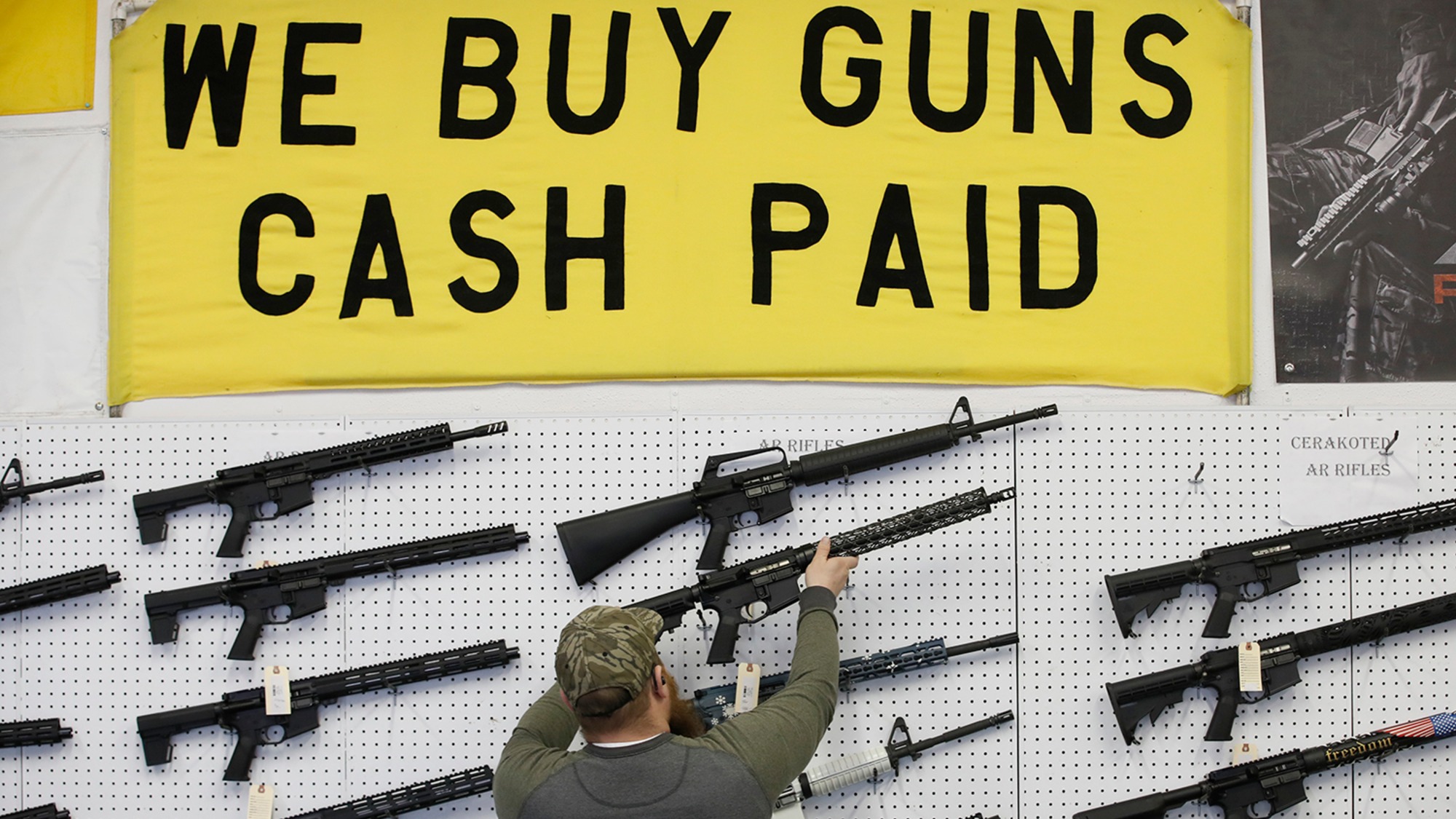
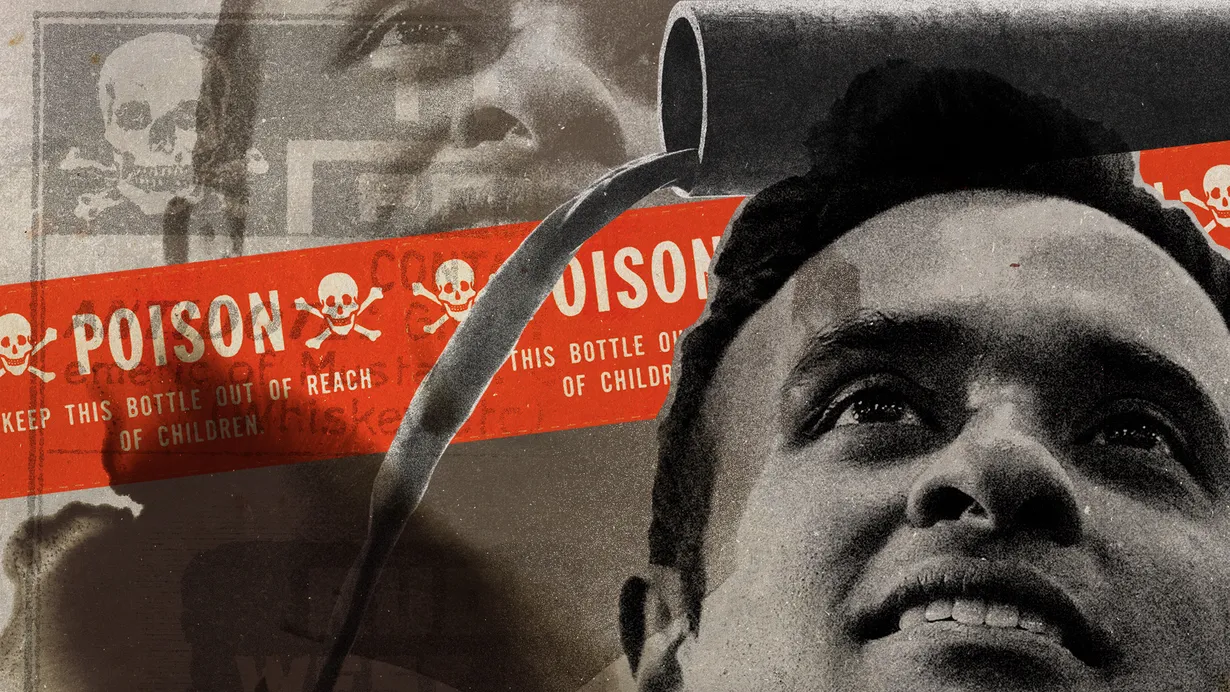
    Malcolm Gladwell’s breezy, analytical style “may appear to work when addressing a subject that readers have never really thought about,” said Gary Younge in The Guardian. “But it breaks down with one that has been covered extensively”—like gun violence in America, the subject of his newest best seller. No one has been able to adequately diagnose why the U.S. has the highest rate of gun violence in the Western world. And the British-Canadian author of The Tipping Point and Blink hasn’t either, despite taking a different tack. Instead of laying out a single argument, as he’s done in other books, here he offers “a series of discrete, and at times related, observations.” Invoking the tale of the blind men who each focus on just the trunk or just the tusk, he says he hopes these observations will together give us a “sense of the whole elephant.” Yet the approach “somehow misses several elephants in the room.” 

    “The American Way of Killing may not change minds, but it may loosen them considerably,” said Terri Schlichenmeyer in The Philadelphia Tribune. Staying “calm, considerate, and balanced,” Gladwell argues that our debates about gun violence teem with misunderstandings and misrepresentations. He correctly points out, said Jessa Crispin in The Telegraph (U.K.), that of the roughly 45,000 gun deaths a year, the majority are impulsive or accidental, not the planned mass shootings that make the headlines. Gladwell doesn’t think banning assault-style rifles will change much—they account for a small slice of shootings—but don’t mistake him for a gun rights advocate. He handily argues that the Second Amendment specifically pertains to protecting plantation owners against slave rebellions, not everyone’s right to bear arms. Still, Gladwell is notorious for getting facts wrong, and it’s impossible to read him “without anticipating the long list of corrections that will soon follow.” 

    I was “genuinely fascinated” by some of Gladwell’s points, said Ron Charles in his Substack newsletter. He explains that American doctors have more experience treating gun wounds than doctors anywhere else in the world, which superficially makes our nation seem less deadly than it is. But I sighed when he accused gun control advocates of engaging in “gun control theater,” one of many examples of “glib overconfidence” that “has the weird effect of making me object even when I agree with him.” And his book “doesn’t ultimately get us much closer to understanding” why we tolerate mass carnage, year after year. “Gladwell behaves as though the answer lies in our failure to see something he can reveal to us with a flourish.” Sadly, “I’m afraid the answers lie in a knot of political, cultural, and financial pathologies strangling this country.”


    OBITUARY

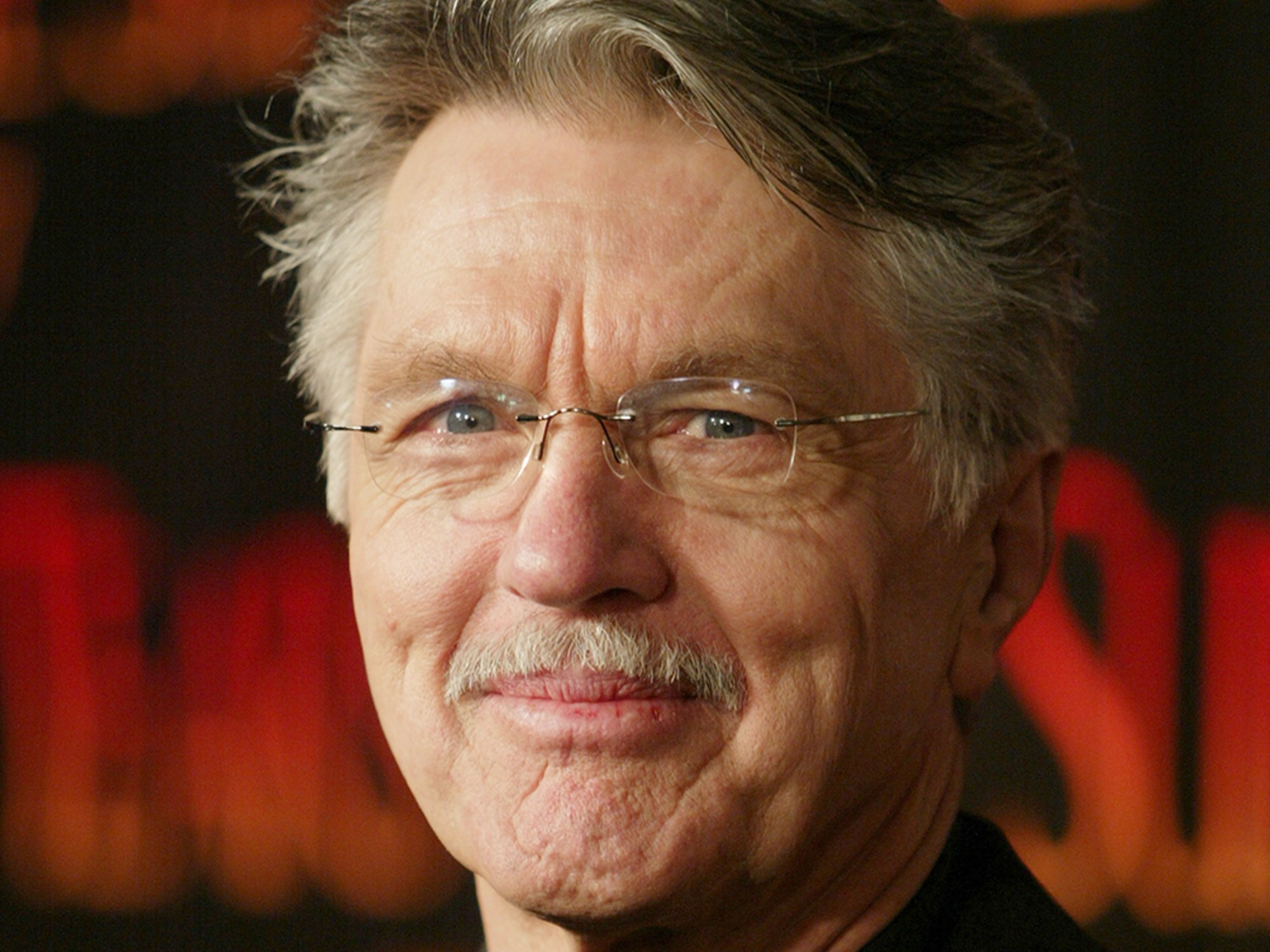
    Tom Skerritt

    The character actor who stole the show

    Tom Skerritt radiated authenticity in every role. In a film and TV career that spanned more than 60 years, he was a smart-mouthed surgeon in M*A*S*H, captain of the spaceship in Alien, and mentor to Tom Cruise as the flight instruction commander in Top Gun. Apart from his starring role as Sheriff Jimmy Brock in the quirky CBS drama Picket Fences, Skerritt was rarely cast as the lead; instead, he specialized in character parts in which he could demonstrate authority, such as military men or police officers. Folksy and affable, Skerritt seemed to revel in being part of a great ensemble. “Thinking in terms of whether it matters whether you played first fiddle or second fiddle,” he said in 2019, “it’s nice to be in a great orchestra.” 

    Born and raised in Detroit, Thomas Roy Skerritt graduated high school and joined the Air Force, “hoping to see the world,” said The Hollywood Reporter. Lacking the skill to be a pilot, he returned home and studied English at Wayne State University before transferring to UCLA with ambitions of becoming a director. He enrolled in an acting class mostly to try to overcome his natural shyness, but director Denis Sanders happened to see him in the audience of a campus play and cast him in the 1962 military drama War Hunt. So began a career playing tough but vulnerable authority figures who seemed “innately, unrelentingly American,” said The New York Times. Following his acclaimed turns in M*A*S*H, Alien, and Top Gun, he moved into roles opposite some of the era’s biggest new stars, playing Julia Roberts’ father in Steel Magnolias (1989) and Brad Pitt’s father in A River Runs Through It (1992). 

    Skerritt maintained his career with “a steady stream of small-screen appearances,” said People. Most notable was Picket Fences (1992–96), which cast Skerritt as a stoic sheriff tasked with keeping order in a Wisconsin town beset by cows with exploding udders and bodies turning up in freezers. Earning moderate ratings but significant critical acclaim, Picket Fences won Skerritt an Emmy but failed to generate further leading roles for him. That didn’t seem to bother Skerritt, who winkingly played himself as a minor celebrity in the 2012 comedy Ted and continued acting until his death. “Years ago, someone said that I was a character actor locked in a leading man’s body,” he said. “I thought that was a wonderful compliment.”


    Sunday Shortlist was written and edited by Susan Caskie, Ryan Devlin, Chris Erikson, Matt Prigge, and Scott Meslow.

    Image credits, from top: Black Bear / Everett; Netflix; Getty; Getty
     

    Recent editions

    • Saturday Wrap

      The world in his hands

    • Evening Review

      The end of Republican decency?

    • Morning Report

      Alaska’s Senate race lurches into chaos

    VIEW ALL
    TheWeek
    • About Us
    • Contact Future's experts
    • Terms and Conditions
    • Privacy Policy
    • Cookie Policy
    • Advertise With Us
    • FAQ
    Add as a preferred source on Google Add as a preferred source on Google

    The Week US is part of Future US Inc, an international media group and leading digital publisher. Visit our corporate site.

    © Future US, Inc. Full 7th Floor, 130 West 42nd Street, New York, NY 10036.