Viewed as a Machiavellian figure in Westminster circles, Dominic Cummings won few friends in Whitehall during his time as Boris Johnson’s closest adviser.
Many disliked his unrealised plans for “hard rain” reforms to the Civil Service, while his controversial trip to Barnard Castle at the height of the coronavirus pandemic infuriated many of those people who were dutifully observing lockdown restrictions.
It may then be no surprise to his former boss that a man once described by David Cameron as a “career psychopath” appears to have turned on him, with Downing Street sources believing Cummings leaked texts sent by the prime minister to billionaire businessman James Dyson.
The Week
Escape your echo chamber. Get the facts behind the news, plus analysis from multiple perspectives.
SUBSCRIBE & SAVE
Sign up for The Week's Free Newsletters
Join more than 350,000 subscribers and keep yourself informed with a selection of The Week’s most interesting, enlightening and entertaining stories - plus daily puzzles.
Join more than 350,000 subscribers and keep yourself informed with a selection of The Week’s most interesting, enlightening and entertaining stories - plus daily puzzles.
Latest Videos FromThe Week US
What happened?
Officials at No. 10 have accused Cummings, who left his post last year in “acrimonious” circumstances, of leaking “damaging” text exchanges that have embroiled the prime minister in two separate lobbying scandals, The Telegraph reports.
Downing Street insiders claim a “bitter” Cummings leaked exchanges between Johnson and Dyson, as well as messages between the PM and the Saudi Crown Prince, Mohammed bin Salman, after seeing that the government has “made great progress” since his departure last November.
“If you join the dots it looks like it’s coming from Dom,” a No. 10 official told the paper. “More than anything the PM is disappointed and saddened by what Dom has been up to.”
Similar briefings were also given to The Times and The Sun, says Politico’s Emilio Casalicchio, who suspects a “coordinated bid to capture the news agenda” and shift the focus away from the sleaze allegations.
Leaked messages seen by the BBC revealed that Johnson had texted entrepreneur Dyson, a Tory donor, offering to “fix” a problem over the tax status of his employees. The disclosure followed a leak to the Daily Mail that revealed the Saudi Crown Prince had urged the prime minister to reconsider a “wrong” decision by the Premier League to block his attempt at a £300 million takeover of Newcastle United.
“Allies” of Cummings have “categorically denied” that he was behind the leaks, The Times reports, claiming that the former adviser “had not seen the texts”.
Senior Conservative MPs have warned Johnson against a confrontation with Cummings, with one backbencher telling The Telegraph that “Cummings is a proper nasty piece of work who will have stashed the location of all the bodies… if Cummings can release one text exchange you have to assume he was busy screenshotting anything incriminating”.
‘Dead cat’
Dropping a big story into the newspapers laps to distract from a more damaging issue is a tried-and-tested strategy among political operatives.
Christened the “dead cat” manoeuvre by election guru Lynton Crosby, a close ally of Johnson, the thinking goes that throwing a dead cat onto the table at a dinner party may leave people “disgusted”, but it will get them “talking about the dead cat, the thing you want them to talk about” as opposed to “the issue that has been causing you so much grief”, The Guardian says.
“Cummings is an irresistible bait to a lot of the lobby,” tweeted James Ball, global editor of the Bureau of Investigative Journalism, last night, noting that the allegations against him were “briefed to multiple papers” as “it’s clearly the row Number 10 wants to have”.
Despite the allegations against Cummings being “an excellent story”, says Politico’s Casalicchio, “it’s totally meaningless whether Cummings leaked the texts or not” since “he’s now out of government and no sane prime minister would ever put him back in, based on his standing with the public”.
“What’s important is that lobbying between the PM and powerful figures in business and foreign governments is going entirely under the radar,” he adds.
“Johnson’s private messages have been weaponised by Labour this week,” The Spectator’s political editor Katy Balls writes, with multiple headlines focusing on Tory sleaze and the party’s links to big business. On whether the stories came from Cummings, Balls adds that they “of course” could have, but “they could also come from plenty of other people”.
What is more relevant, she says, is that “if the stories are true – and no one is denying the facts in them – Johnson and his team are going to have to respond to them regardless of who the source is”.


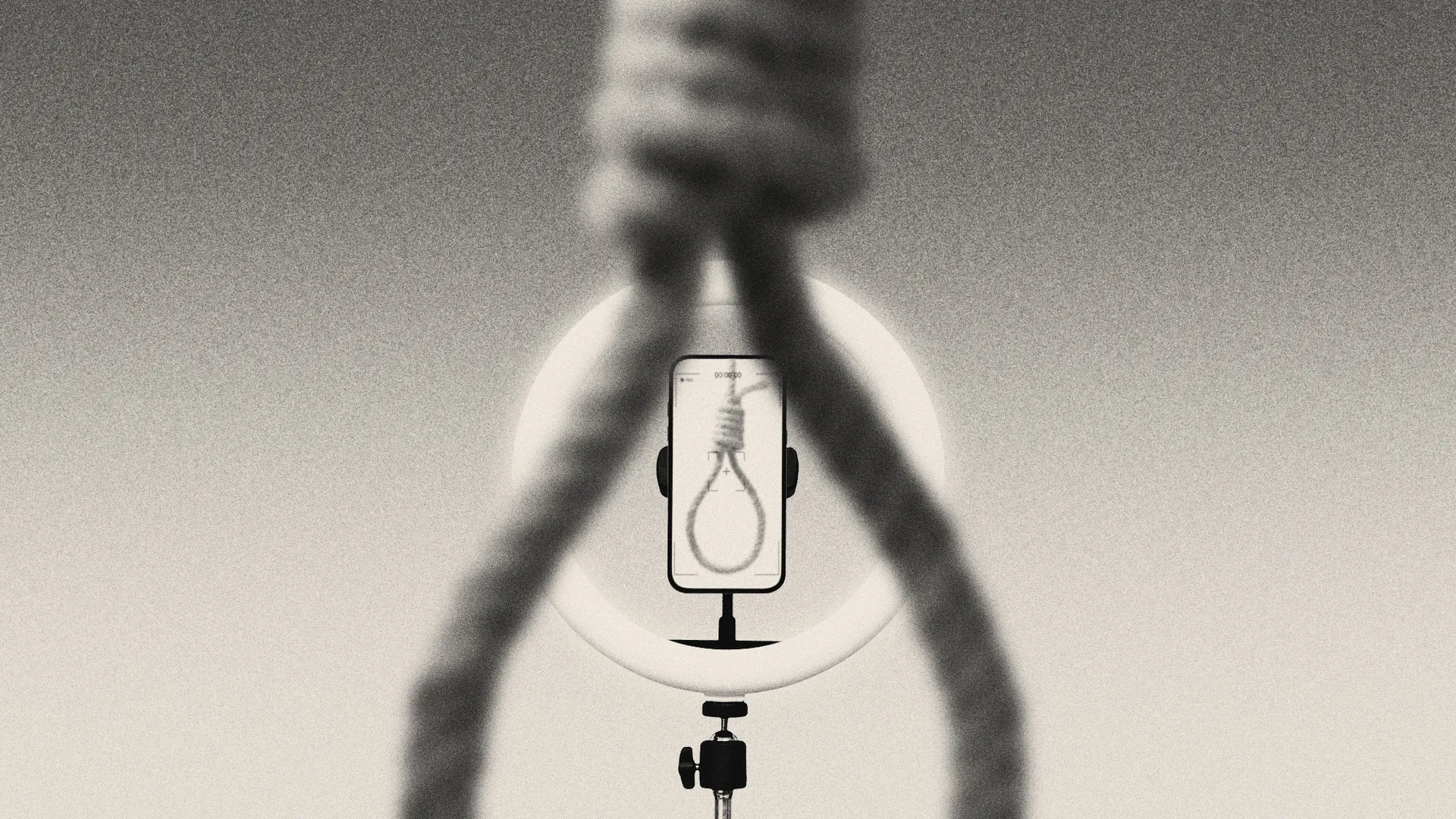 talking pointsLivestreaming an execution: cruelty or added deterrent?
 QUOTE OF THE DAY‘You don’t get to take a man from his family. You don’t get to take his very life, his whole future from him, and just walk away from it. Especially when that man is Tupac Shakur.’
 today’s big questionCan a Democrat win the Texas governor’s race?