'Witch marks' found in 17th-century English home

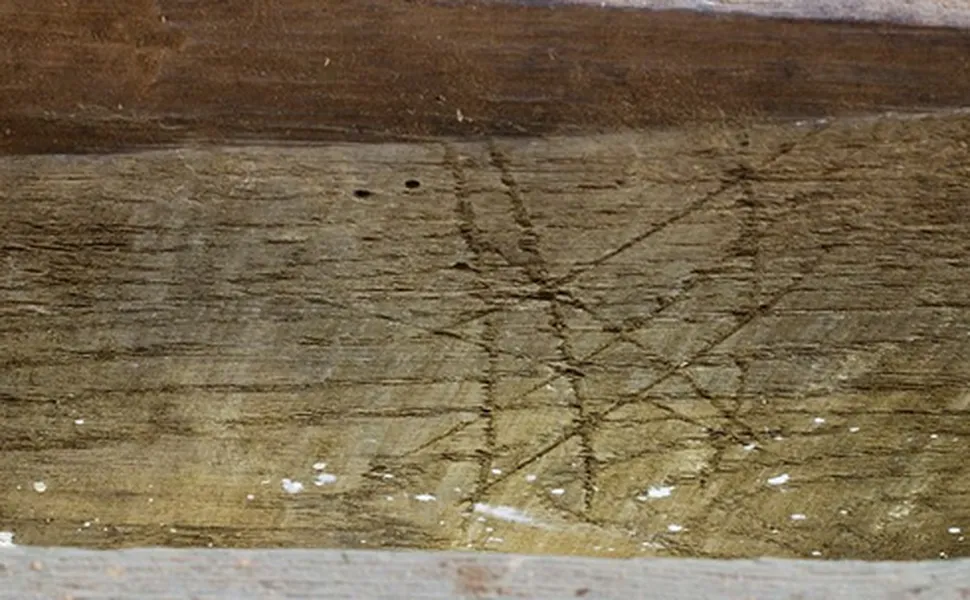
Archaeologists have uncovered some unusual carvings on the floorboards of Knole, a historic home in Kent, England.
These so-called "witch marks" were meant to protect the house's members from demonic possession. The Guardian notes that the markings date to a time when England was overcome with superstitious paranoia, thanks to the failed Gunpowder Plot of 1605. The plot, led by Guy Fawkes, included plans to assassinate King James I of England.
The Week
Escape your echo chamber. Get the facts behind the news, plus analysis from multiple perspectives.

Sign up for The Week's Free Newsletters
Join more than 350,000 subscribers and keep yourself informed with a selection of The Week’s most interesting, enlightening and entertaining stories - plus daily puzzles.
Join more than 350,000 subscribers and keep yourself informed with a selection of The Week’s most interesting, enlightening and entertaining stories - plus daily puzzles.