Saudi official: 'The difference is clear' between beheadings by Saudi Arabia and ISIS

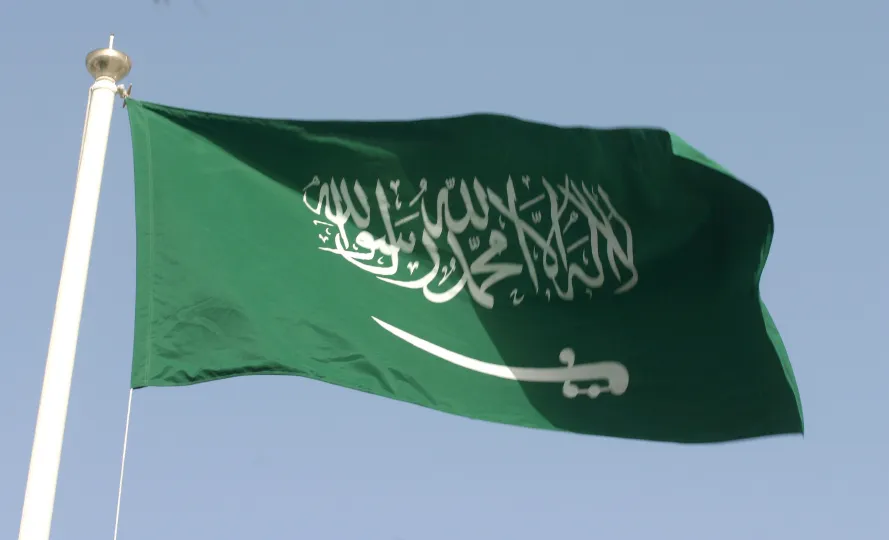
Saudi Arabia apparently doesn't like comparisons between its practice of public beheadings and the executions of hostages and others by ISIS, with one Saudi official saying "the difference is clear."
"When we do it in Saudi Arabia we do it as a decision made by a court," Interior Ministry spokesman Maj. Gen. Mansour al-Turki told NBC News. "The killing is a decision, I mean it is not based on arbitrary choices, to kill this and not to kill this." He added, "ISIS has no legitimate way to decide to kill people."
The Week
Escape your echo chamber. Get the facts behind the news, plus analysis from multiple perspectives.

Sign up for The Week's Free Newsletters
Join more than 350,000 subscribers and keep yourself informed with a selection of The Week’s most interesting, enlightening and entertaining stories - plus daily puzzles.
Join more than 350,000 subscribers and keep yourself informed with a selection of The Week’s most interesting, enlightening and entertaining stories - plus daily puzzles.