North Korean official accuses U.S. of turning Korean Peninsula into 'world's biggest hotspot'

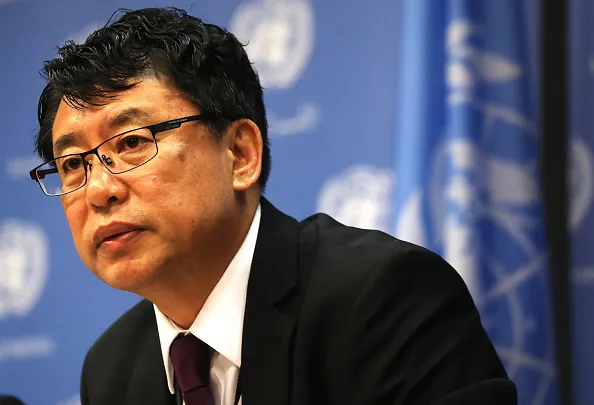
Kim In Ryong, North Korea's deputy U.N. ambassador, called a news conference on Monday to condemn a decision by the United States to hold an open meeting with the Security Council later this month on the North Korean nuclear program, calling it "another abuse of authority."
Kim accused the United States of having "gangster-like logic" and turning the Korean Peninsula into "the world's biggest hotspot," creating "a dangerous situation in which a thermonuclear war may break out at any moment." Should the U.S. "dare opt for a military option," he added, North Korea is "ready to react to any mode of war."
The Week
Escape your echo chamber. Get the facts behind the news, plus analysis from multiple perspectives.

Sign up for The Week's Free Newsletters
Join more than 350,000 subscribers and keep yourself informed with a selection of The Week’s most interesting, enlightening and entertaining stories - plus daily puzzles.
Join more than 350,000 subscribers and keep yourself informed with a selection of The Week’s most interesting, enlightening and entertaining stories - plus daily puzzles.