Washington Times corrects widely cited story claiming 'antifa' infiltrated Capitol siege, says 'neo-Nazis' ID'd

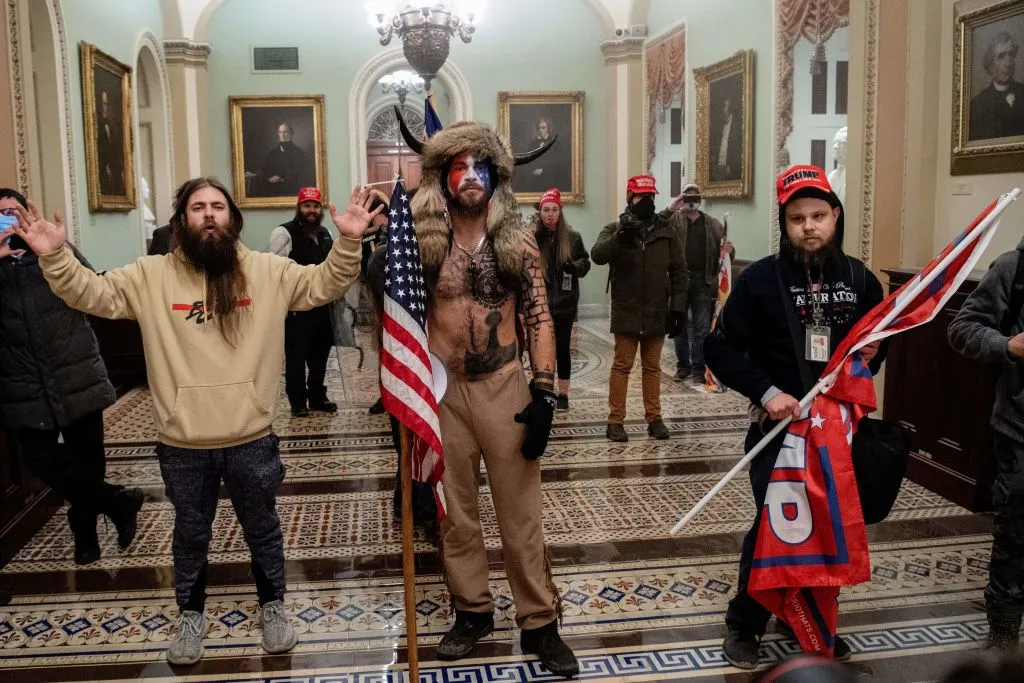
The Washington Times published an article Wednesday night claiming facial-recognition firm XRVision had "matched two Philadelphia antifa members to two men inside the Senate" during the siege of the Capitol by a mob of supporters of President Trump, including one with a "tattoo that indicates he is a Stalinist sympathizer." The Times issued a correction Thursday and published a new version reporting that "facial recognition software has identified neo-Nazis and other extremists as participants in Wednesday's assault on the U.S. Capitol."
Before the Times issued its correction, XRVision told BuzzFeed News its software had actually identified two members of neo-Nazi organizations and a QAnon supporter, not antifa, adding that its lawyers had told the Times to "cease and desist" with its "defamatory" article, "retract the current claims, and publish an apology." The Times did apologize to XRVision in its correction, but still suggested antifa may have been involved, citing an unidentified "law enforcement source" and claims by Republicans lawmakers.
The Week
Escape your echo chamber. Get the facts behind the news, plus analysis from multiple perspectives.

Sign up for The Week's Free Newsletters
Join more than 350,000 subscribers and keep yourself informed with a selection of The Week’s most interesting, enlightening and entertaining stories - plus daily puzzles.
Join more than 350,000 subscribers and keep yourself informed with a selection of The Week’s most interesting, enlightening and entertaining stories - plus daily puzzles.


