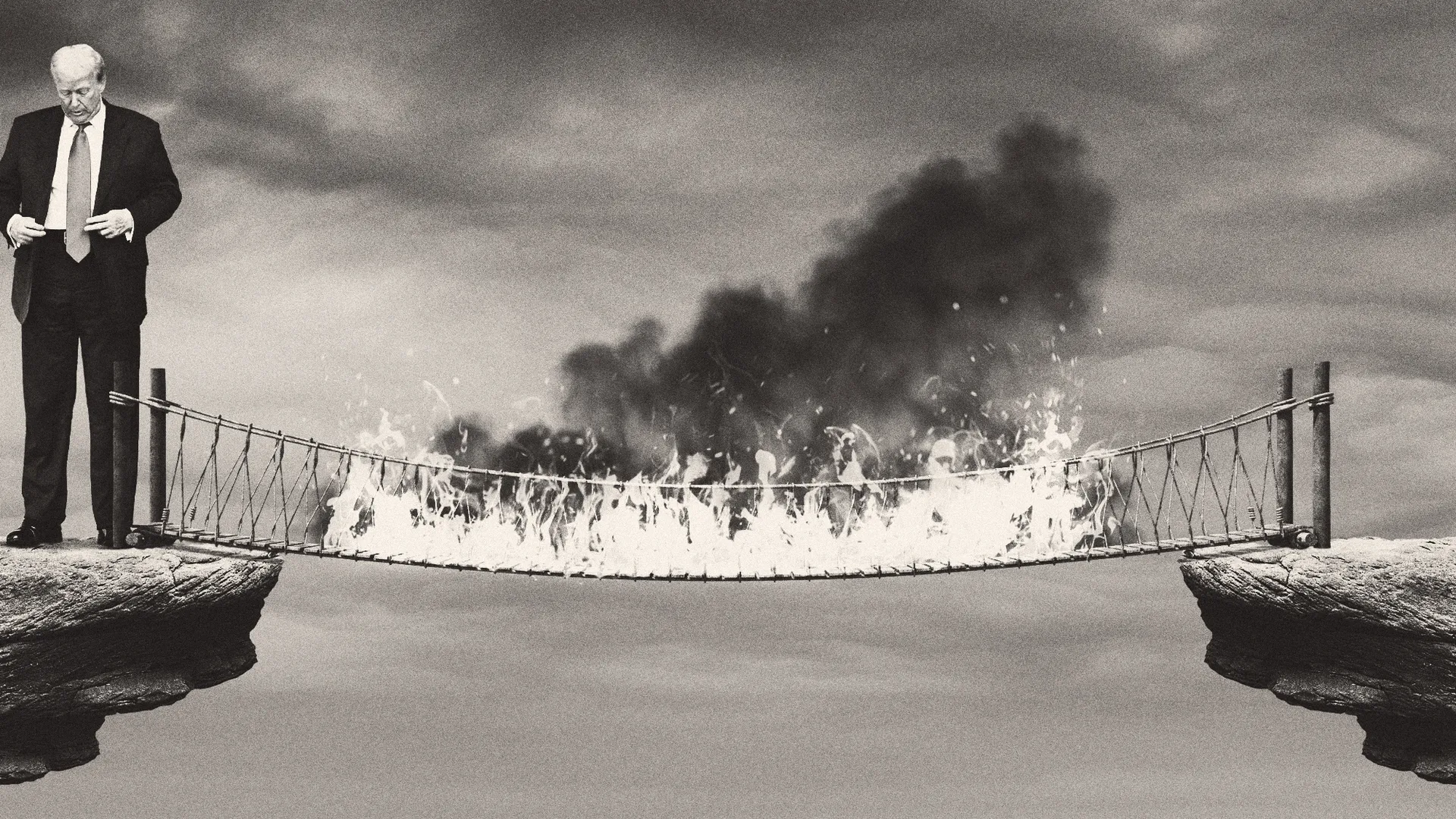
Netflix’s $72 billion deal to take control of Warner Bros Discovery could put the streaming giant a step closer to its own Hollywood ending – with a Best Picture Oscar win – but at what cost to the quality and variety of Tinseltown’s output?
WBD has “hailed the deal as a new chapter for the over 100-year-old studio”, said The Telegraph, but “in reality, it signals the company’s failure to adapt to the digital age”. The prospective deal represents a “major reshaping of the US media landscape”, where traditional studios are being picked off by the “tech bros”.
‘Silicon Valley’s grasp’
With the fall of WBD, which has been through multiple deals and mergers, Disney and Universal are the only major studios to have eluded “Silicon Valley’s grasp”.
The appeal of WBD to Netflix is clear, said The New York Times. HBO, in particular, represents something that Netflix craves: “prestige”. The network has been “piling up Emmys” with global smashes such as “Succession”, “The White Lotus” and “Euphoria”. Even with a “significantly smaller budget and far fewer programmes”, the consistent quality of HBO’s television shows is something that Netflix has “struggled to match”.
If it goes through, this deal will “reshape the business, end the streaming wars” and “likely bring another culture clash”, said Deadline. Since its inception, Netflix has “disrupted” the film industry by “changing viewing habits” and this promises to be no different.
‘Generic background viewing’
“Tech has swallowed up American entertainment for good,” said Slate. MGM has been acquired by Amazon, Disney is a “giant bundle of streamers”, and YouTube wields “enough clout to shake down older TV giants”. This could signal a major decline in quality, as the potential monopoly expands. “Prestige titles” could give way to “generic background viewing”, as high-level creativity reduces to “slop factories”. Now that it has taken over WBD, Netflix will “denigrate” its quality, while “swallowing up another formidable competitor. Congrats to us all.”
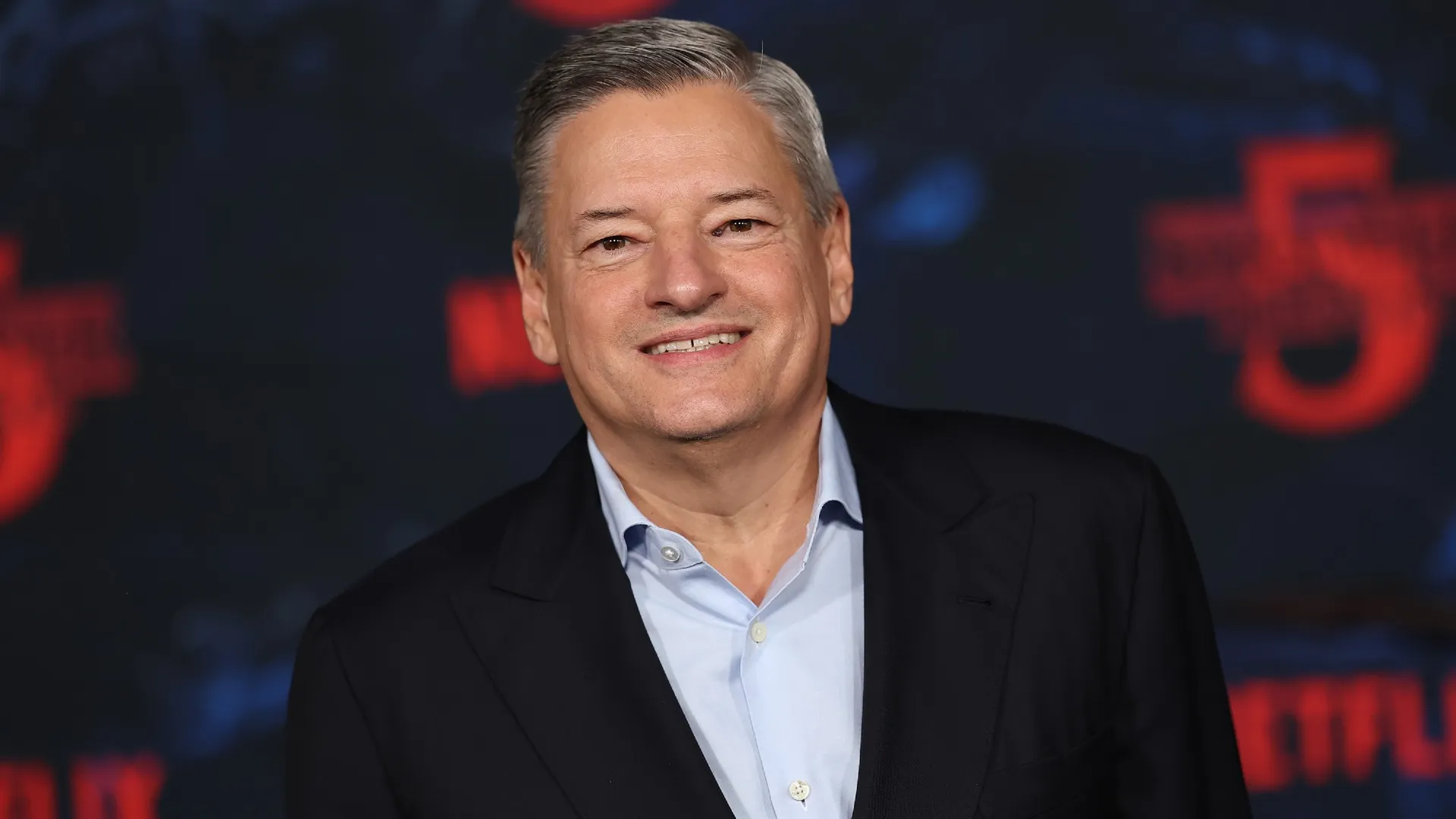
On the flip side, this could be the end of cinema altogether. Netflix co-CEO Ted Sarandos (pictured above) is “definitely, and infamously, bearish” on the viability of the traditional film-attending experience. Instead, he prefers shorter, more “exclusive” film openings “that go just long enough to qualify their titles for the Oscars”.
|