The price of crude oil is forecast to soar ever higher under a US blockade of the Strait of Hormuz that began this afternoon. Prices “should be $140, $150” a barrel if the naval blockade continues, Jorge Montepeque, managing director of oil traders Onyx Capital Group, told Bloomberg.
What is Trump’s plan?
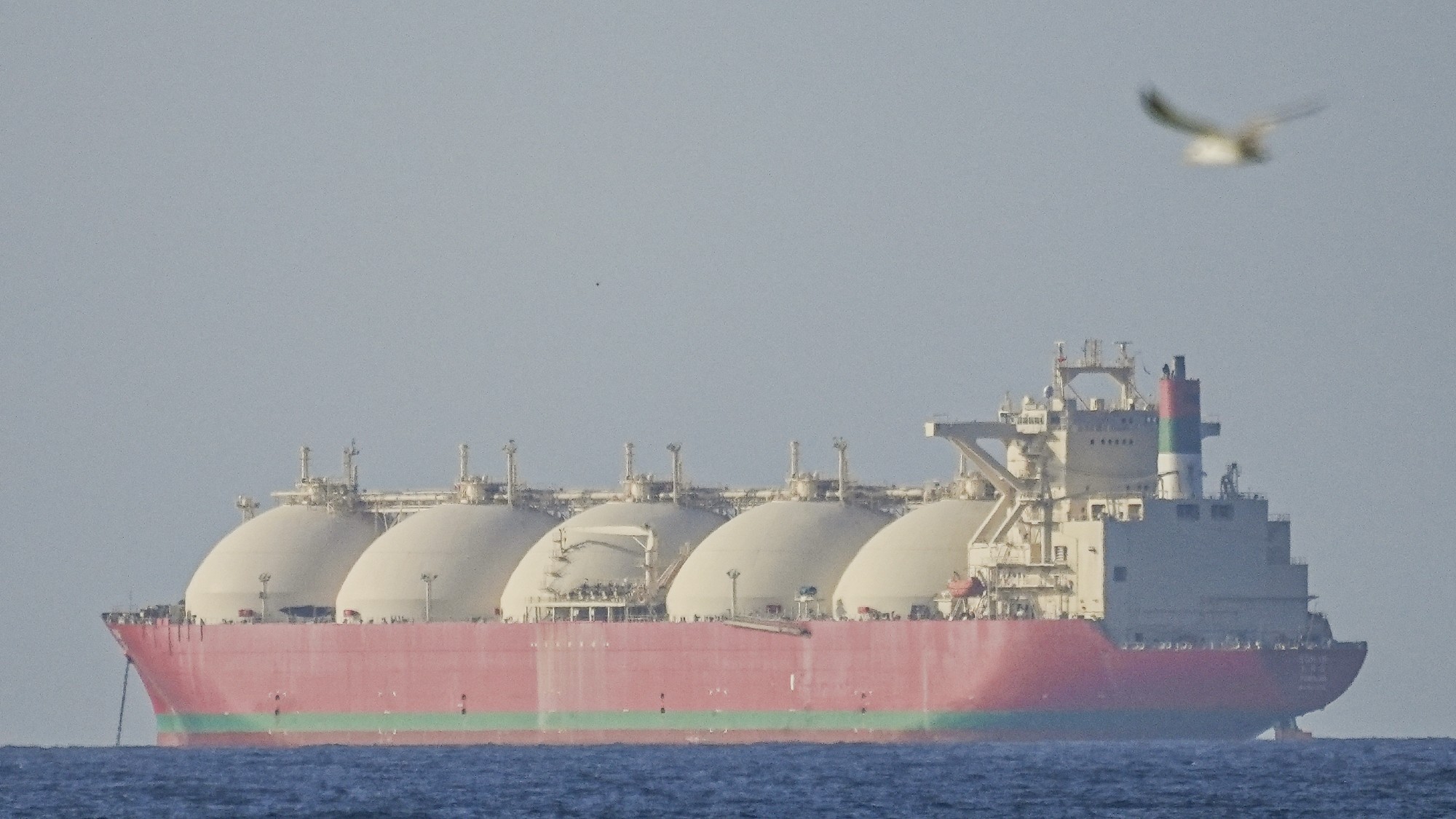
US forces will board and potentially seize any vessels in the strait that pay Iran’s toll, a move that would effectively close off the waterway entirely. The president warned on social media that “any Iranian who fires at us, or at peaceful vessels, will be BLOWN TO HELL”. Although “at some point” an agreement on free passage would be reached, he said, other countries would be involved in blockading the strait until then. Keir Starmer said the UK would not join the blockade.
What are the potential effects?
There’s “little clarity” about how the US navy will take control of the strait without “reigniting” the conflict with Iran and “causing another shockwave” in global money markets, said Michael Evans in The Times.
The blockade “might risk worsening a war-driven global energy crisis”, said The Washington Post. Although Iran would “potentially suffer the most economically”, it may also “come as a blow to the rest of the world”, particularly nations in Asia, which “rely heavily” on oil and gas from the Gulf.
What was experts’ verdict?
Initially, Trump’s plan will only affect the small number of vessels still navigating the waterway, shipping expert Lars Jensen told the BBC. If the US does blockade the strait, it will “halt a very tiny trickle” of vessels, and “in the greater scheme of things, it doesn’t really change anything”.
The blockade is a good “counterpoint” to Iran’s closure of the strait, Dennis Ross, a former senior US diplomat and Middle East negotiator, said on X. It puts “greater pressure on Iran” and “great pressure on China to pressure Iran”.
But former US official Vali Nasr, a professor at Johns Hopkins University, told the Financial Times that the plan will be “fine by the Iranians”, because it “prolongs the chokehold on the global economy”. |