“To Do. Buy Japanese Yen (JPY) $5-10 bil,” read a note written by US Treasury Secretary Scott Bessent during a cabinet meeting on Friday. Yesterday he confirmed on X that the US had participated in “coordinated foreign exchange actions” with the Japanese government to counter “disorderly yen movements”.
The yen has sunk to a 40-year low against the dollar in recent weeks, in the latest milestone in Japan’s economic decline. But having traded at ¥163 to the dollar on Thursday, the yen has strengthened to ¥155 to the dollar since the intervention. Donald Trump claimed the joint move would be “good for the world economy”. But some analysts believe the intervention will best serve America’s interests.
Why is the yen so weak?
Japan, the world’s fourth biggest economy, has “long struggled with a weak yen”, said CNN. After suffering recession and “chronic deflation” in the 1990s, Japan has kept interest rates much lower than other developed economies. In April, the Bank of Japan increased its rate to 1% – the highest since 1995 – while the US rate usually lies between 3.5% and 3.75%. Such low rates are intended to stimulate consumer spending, but they are much less attractive to international investors. Other issues, including a “decades-long slide in its working-age population”, substantial government debt and low productivity, have also hampered economic growth, said the BBC.
What’s in it for Trump?
The Japanese government has been buying up yen, thereby “raising the value of their currency”, said The Guardian. But to pay for this, Japan has been selling off US government bonds, which are kept by many countries as a “store of national wealth”. If these bonds are sold quickly and in large quantities, it can lead to a rise in the interest rate that the US pays on its debt, making it more expensive for the US to borrow money.
Is this a sign of things to come?
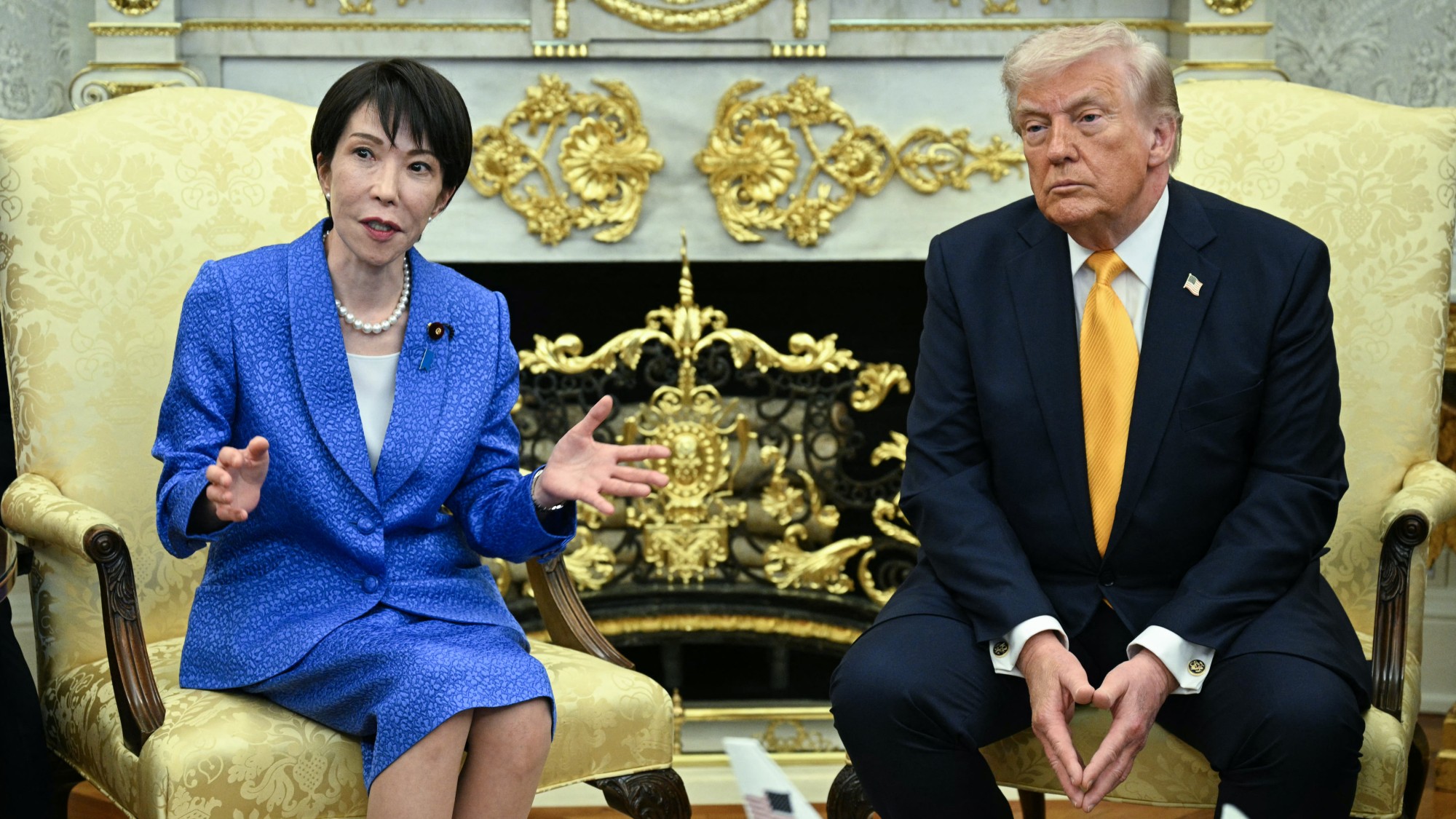
Both sides have announced they would not hesitate to participate in further joint interventions. Within Japan, there is concern that spending plans announced by Prime Minister Sanae Takaichi (pictured above with Trump) will put further pressure on the currency. A two-year cut in sales tax on food and soft drinks from 8% to 1% is intended to ease cost-of-living pressures. However, the policies could instead “strain public finances and rattle markets”, said the Financial Times.
|