The Week The Week
flag of US
US
flag of UK
UK
https://cdn.mos.cms.futurecdn.net/flexiimages/jzblygzdxr1769609154.gif

SUBSCRIBE

Try 6 weeks free

Sign in
  • View Profile
  • Sign out
  • The Explainer
  • Talking Points
  • The Week Recommends
  • Podcasts
  • Newsletters
  • From the Magazine
  • The Week Junior
  • More
    • Politics
    • World News
    • Business
    • Health
    • Science
    • Food & Drink
    • Travel
    • Culture
    • History
    • Personal Finance
    • Puzzles
    • Photos
    • The Blend
    • All Categories
  • Newsletter sign up Newsletter
  • The Week Evening Review
    West Bank embargo, the Lockerbie trial, and mountain etiquette

     
    TODAY’S BIG QUESTION

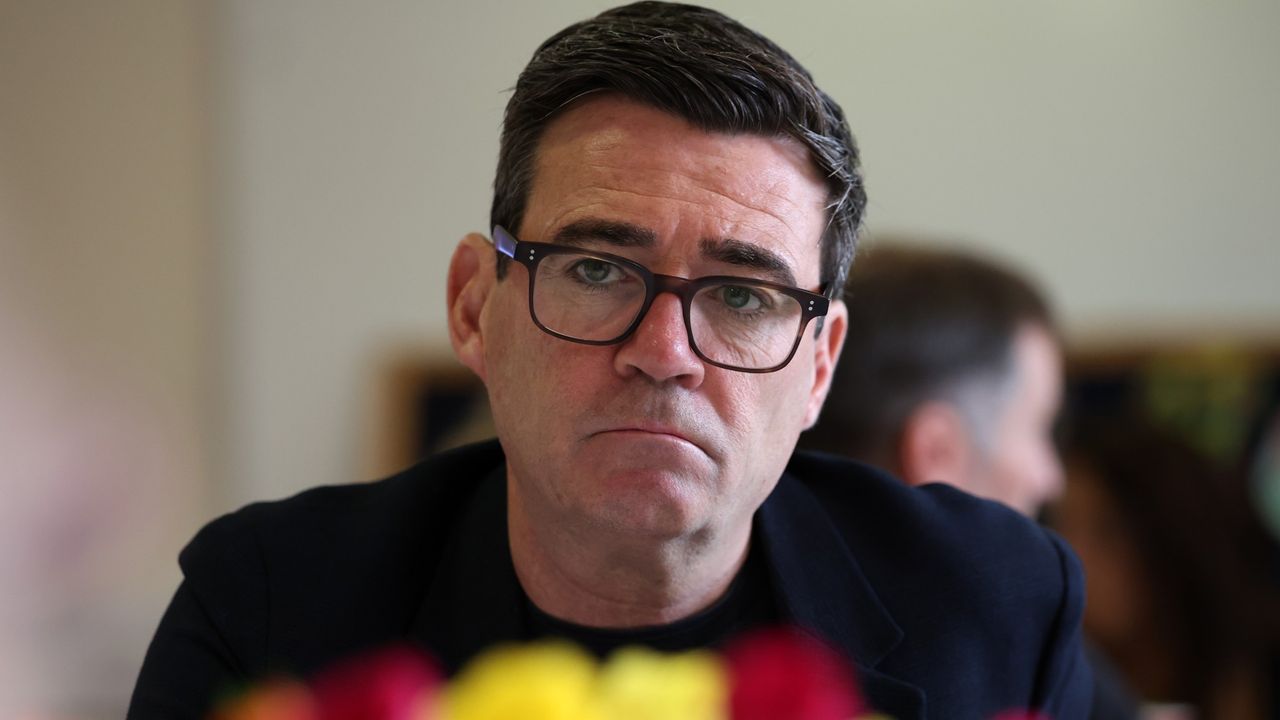
    Will Andy Burnham’s tough stance on Israel pay off?

    Andy Burnham’s plan to impose tougher sanctions on Israeli settlements in the occupied West Bank risks becoming “a de facto boycott of all of Israel”, a group of Labour MPs and peers has warned. But the prime minister wants to take a more “robust” approach to Israel than Keir Starmer, said The Times, and is expected to approve a trade ban and the sanctioning of individuals involved in settlement activity.

    What did the commentators say?
    Burnham has already pledged sanctions against Benjamin Netanyahu’s government over settlement plans; a trade embargo would “risk further harming relations” with Israel, said The Telegraph’s senior political correspondent, Dominic Penna.

    It could also bring “significant practical difficulties”, said Steven Swinford and Aubrey Allegretti in The Times. “Distinguishing between goods from the settlements and goods from Israel would be challenging”, and there is a risk that “legitimate” Israeli businesses “would be hit by the ban”. There are also concerns that Palestinian businesses in occupied territories could be impacted by the sanctions.

    That may be true but, having apologised for Labour’s initial response to war in Gaza, Burnham must now “ban settlement trade” to show he “meant it”, said Ismail Patel in Middle East Eye. Currently, Britain merely labels settlement goods as such, “a policy that acknowledges they come from stolen land while inviting shoppers to buy them anyway”.

    UK trade with the occupied Palestinian territories was worth about £38 million in 2025, according to The House of Commons Library. That’s less than 0.002% of overall UK trade. For Israel, by contrast, the UK is a “tremendously important” trading partner, said Jo-Ann Mort in Prospect. If the British government really wants to intervene, “it has weight” and “leverage available”.

    What next?
    The prime minister is expected to set out steps for introducing a trade embargo before Labour’s annual conference next month, and it’s clear the move risks splitting the party. Labour Friends of Israel has said that, while it “strongly opposes” the Israeli settlements, boycotting them is “practically impossible”.


    THE EXPLAINER

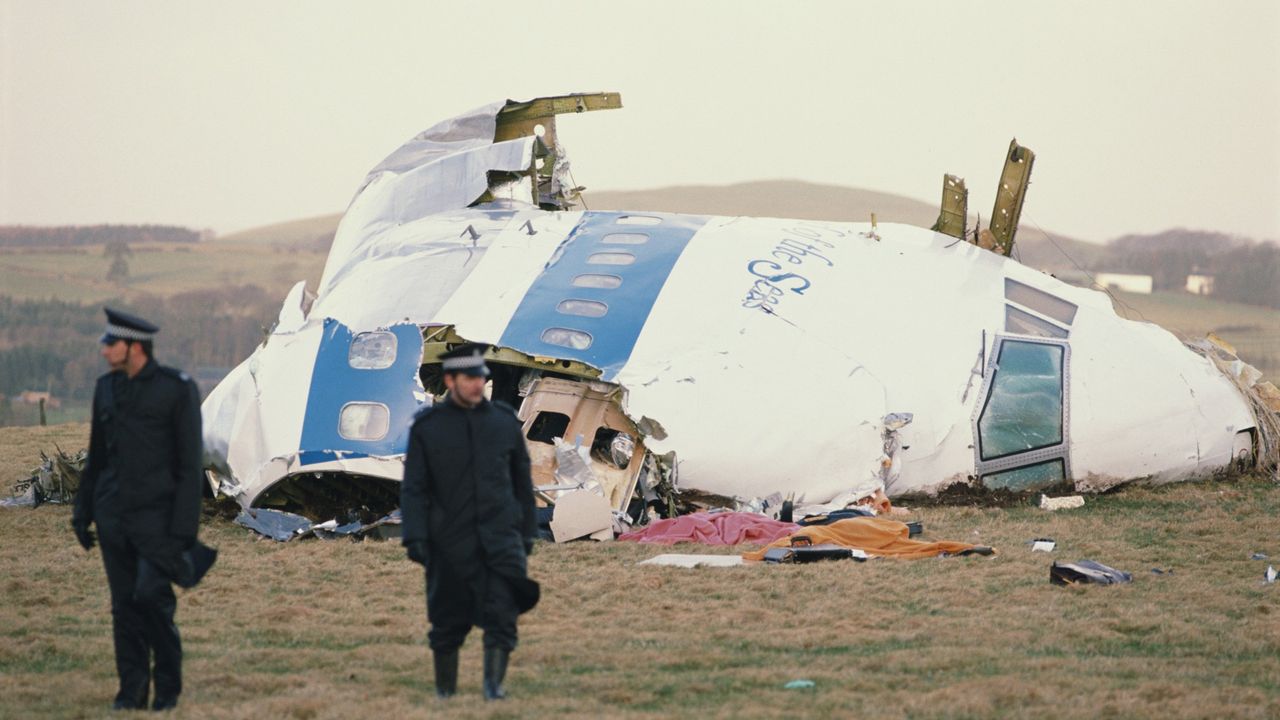
    The Lockerbie bombing and the long wait for justice

    The long-delayed trial of a Libyan man linked to the 1988 Lockerbie bombing has been postponed again, after new evidence emerged days before jury selection was due to begin in Washington, D.C.

    What happened in 1988?
    On 21 December 1988, 259 passengers and crew, as well as 11 people on the ground, were killed when Pan Am flight 103, from London to New York, exploded over Lockerbie, southwest Scotland. Almost 200 of those killed were American. It remains the UK’s worst terrorist attack.

    Who was behind the bombing?
    Thousands of interviews and painstaking analysis of 319 tons of wreckage eventually led Scottish and American investigators to two Libyan intelligence operatives: Abdel Basset Ali al-Megrahi and Lamen Khalifa Fhimah. After a lengthy legal process, al-Megrahi was found guilty in 2001 and jailed for life. Released on compassionate grounds in 2009 after being diagnosed with terminal cancer, he died in 2012. Fhimah was acquitted at the trial and returned to Libya.

    In 2003, the Libyan government formally “accepted responsibility for the actions of its officials”, said STV News. But questions over the extent of the involvement of the Libyan state have “persisted for decades”.

    In December 2020, 32 years to the day after the bombing, the US charged Abu Agela Mas’ud Kheir Al-Marimi as a “third conspirator”, allegedly responsible for building and priming the explosive hidden inside a suitcase on board. He was taken into custody in the US two years later and has been awaiting trial ever since.

    What’s going on now?
    The trial was due to start in May 2025 but was delayed until this year, after Al-Marimi’s lawyers said they needed more time to work through more than 400,000 files of evidence. This week, it was again pushed back. The presiding judge “would have been extremely reluctant to allow an 11th-hour postponement, after months of preparation and marathon pre-trial legal battles”, said the BBC. This underlines “the potential importance of the new evidence”. The trial is now scheduled to start early next year.


    QUOTE OF THE DAY

    “It was like a tsunami from the sky.”

    Bishal Nath Upreti, president of the Nepal Centre for Disaster Management, tells BBC Radio 4’s “Today” programme that yesterday’s flash flood at the Tibet border unleashed around 20 billion litres of water. At least 350 people are known to have died, and around 1,000 are still missing.


    Poll watch

    A majority of Brits (56%) think single wedding guests should be allowed to bring a plus-one, with only 31% believing it’s OK to insist they attend alone, according to a YouGov poll of 1,784 adults. The same majority think it’s acceptable to bar young children from a wedding.


    IN THE SPOTLIGHT

    Snowdon queueing row: a mountain out of a molehill?

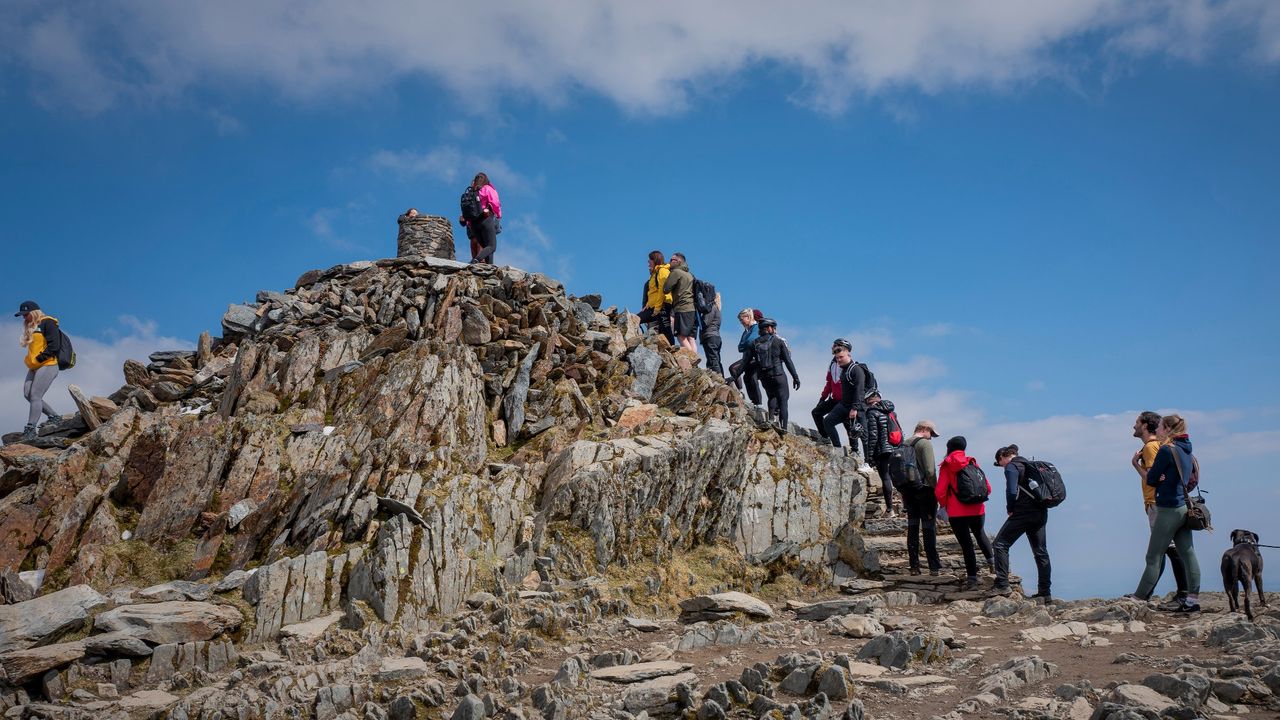
    Earlier this month, a video showing a hiker being heckled for “queue-jumping” at the top of Yr Wyddfa, or Mount Snowdown, went viral. “I haven’t endangered anyone or ‘shoved or barged’ past anyone,” the hiker said. “Imagine queueing on a mountain.”

    The incident has highlighted an etiquette row that’s been dividing climbers for years – with some very different views the right way to reach Wales’ 1,085m summit.

    ‘Like insulting Paddington Bear’
    The queue on top of Snowdon may be “frustratingly long”, said The Guardian, but what do you expect? It’s one of the “most beautiful parts of the UK”, so it’s “bound to attract crowds”. Cutting in line “is the least British thing of all time. It’s like insulting Paddington Bear.” Blame over-tourism and social media all you like but, “if you want to climb a mountain in 2026, expect to join a line”.

    There are those who say it should be “different strokes for different folks”, said Alice Murphy in Metro. Yes, if you are just wanting to touch the top to complete the hike, “fire ahead” but, if you’re “doing it for the ’gram”, then “get in line”.

    ‘Docile queueing’
    Sorry, this is “Snowdon, not Chessington World of Adventures”, said Carol Midgley in The Times. We’re in danger of “taking docile queueing too far”. “Yes, it’s nice to be polite and wait your turn, blah blah, but what next? Waiting in line to enter the sea at Bridlington?”

    Mountain summits have traditionally been associated with “achievement, community, and endurance”, said Portia Jones on Wales Online. But, in recent years, they have become “a tourist attraction, subject to queueing rules and hostile public policing”. That’s “absurd”. The “real achievement” is reaching the summit, not taking a “staged photo”.

    “Standing in an orderly line is the closest thing we have to a national hobby,” said The Times’ editorial board. But it “has its limits”. There are many other viewing points from which to “admire” this mountain’s “majesty”, instead of waiting an hour at the top on a “mindless quest for social-media fodder”.


    Good day 🫐

    … for berry farmers, who are raking in a bumper crop as a result of the long, hot summer. While many other harvests have suffered in successive heatwaves, berry yields are coming in at around 6% higher than last year, according to British Berry Growers.


    Bad day 🍏

    … for cider drinkers, whose supply might soon be running short. Dry conditions in orchards are triggering apple trees to shed large amounts of fruit before it is properly juicy and ripe, which could leave cider producers struggling to meet demand in coming months.


    PICTURE OF THE DAY

    Ars longa, vita brevis

    Visitors queue outside the Yayoi Kusama Museum in Tokyo, after it was announced that the avant-garde “polka dot artist” had died at the age of 97. Kusama – the biggest-selling female sculptor and painter in history – passed away on 14 August, her company confirmed today.

    Andrew Caballero-Reynolds / AFP / Getty Images


    Puzzles

    Chain Word

    Try The Week’s daily word challenge in our puzzles and quizzes section, which also includes sudoku and Guess the Number

    Play here


    THE WEEK RECOMMENDS

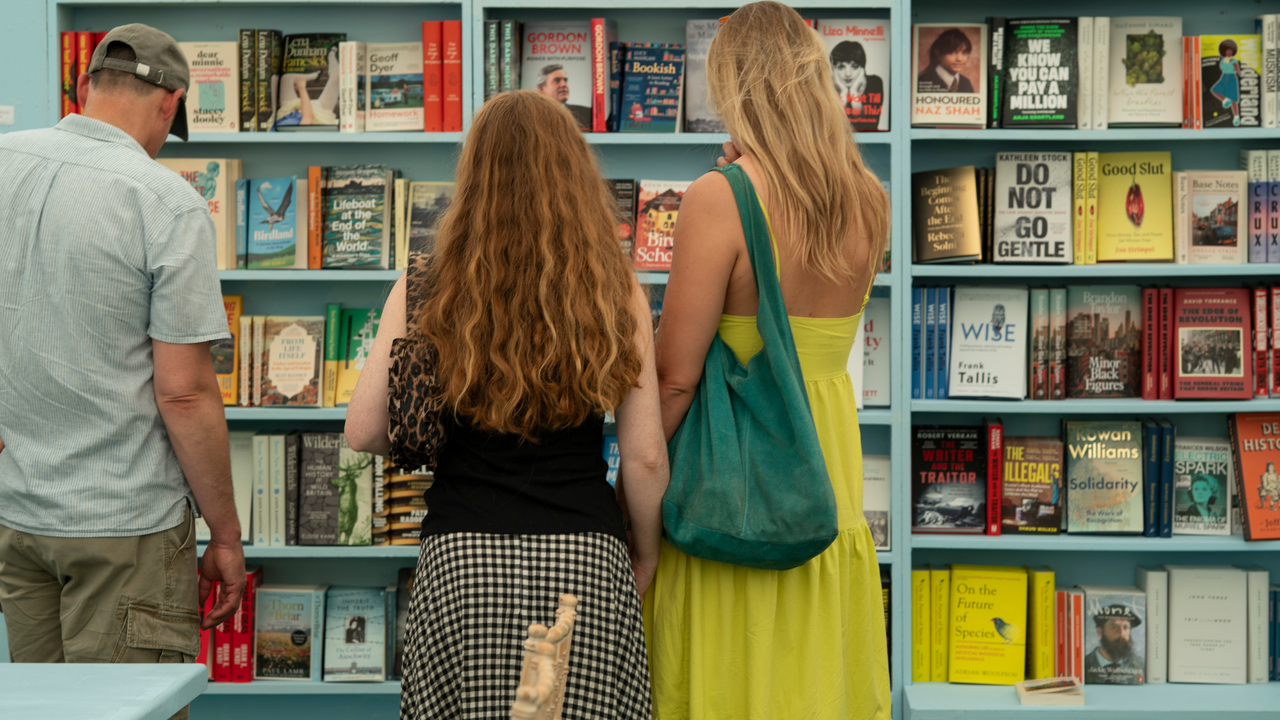
    UK literary festivals to visit this autumn

    Autumn is the busiest season of the publishing year and, with so many authors keen to publicise their latest offering, it’s also the perfect time to visit a literary festival. Throughout the UK, there are many events where you can meet your favourite writers, discover rising stars and, of course, come away with plenty of books to keep you absorbed all winter.

    Cheltenham Literature Festival
    Launched in 1949, Cheltenham Literature Festival is still going strong. This year, “Empire of Pain” author Patrick Radden Keefe will be discussing his new book, “London Falling”, and classics guru Mary Beard will be examining the surprising ties between antiquity and the present. Budding writers can also enrol in a “How to Start a Novel” workshop.

    Dorchester Literary Festival
    This week of star-studded talks, debates and live events includes Julian Fellowes, creator of “Downton Abbey”, reflecting on his glittering multi-decade career, and bestselling author Victoria Hislop discussing her new novel, “The Wine-Dark Sea”, set in post-war Greece.

    London Literary Festival
    Dua Lipa has curated this year’s line-up at the Southbank Centre, and will be hosting a series of conversations with some of her favourite writers, including Zadie Smith. Other literary stars to look out for include “Noughts & Crosses” author Malorie Blackman and Sudanese-Canadian poet Mustafa.

    Stratford Literary Festival
    The festival’s always-jam-packed line-up this year features talks by Celia Imrie, Greg James, Marina Litvinenko. Bonnie Garmus and Neill Cameron. And veteran politician Margaret Hodge will be discussing her memoir, “Battle Axe”.


    Statistic of the day

    357: The number of cyclists who failed to stop for pedestrians at a zebra crossing on a “floating bus stop” in London during an hour-long observation by The Times. Cyclists are legally required to give way to pedestrians at these crossings, and let them reach the bus stop that sits between the cycle lane and the road.


    instant opinion

    Today’s best commentary

    Why J.D. Vance sounds like a left-wing firebrand
    James Kanagasooriam in The Times
    America’s vice president “stood before construction workers this week and invoked” a 1930s Democratic populist called Huey Long, writes pollster James Kanagasooriam. “An unlikely inspiration for a potential Republican president”, you’d think, but I believe J.D. Vance “knew exactly what he was doing”. Polls suggest “economically precarious working class voters” will abandon Republicans in the midterms. Vance needs to establish “that America’s still booming economy doesn’t just” enrich finance and tech elites; Long’s movement was called “Share our wealth”.

    In Poland, compassion for Ukrainians has turned to contempt. The consequences could be dramatic
    Mateusz Mazzini in The Guardian
    When Russia invaded Ukraine, “ordinary Poles rushed to help” those who fled, writes Polish journalist Mateusz Mazzini. Our government “should have prepared” us “for accepting refugees as fully fledged members of society”; instead, misinformation about “Ukrainian ‘welfare queens’” scrounging benefits or Ukrainian businesses outcompeting locals is “fuelling tensions that, increasingly, turn to violence”. Poland failed to see that “Ukrainians are more than victims, and Ukraine is more than a country at war”; “the rest of Europe still has time to prepare”.

    The manosphere has a new dating hack: stop showering and let yourself stink
    Esme Gordon Craig in The Independent
    “Ladies, prepare yourself, ‘pheromone-maxxing’ is coming to a set of nostrils near you,” writes Esme Gordon Craig. This “bonkers” social-media trend for “prioritising your ‘natural musk’” requires men “to skip showers, avoid deodorant, wear sweaty clothes, and even drink their own urine, before dates”. This makes them “biologically irresistible”, apparently. “Fellas, I hate to disappoint” but I don’t think that makes you sexy; “just smelly”. “And I know most – if not all – women will feel the same.”


    word of the day

    Paralarval

    The first life-cycle stage of cephalopods. Scientists have released 130,000 octopus paralarvae into the Adriatic Sea in a creative attempt to address growing numbers of invasive, fish-gobbling blue crabs in Italian waters. When fully grown, the baby octopuses could eat up to four crabs per day.


    Evening Review was written and edited by Rebecca Messina, Jamie Timson, Will Barker, Elliott Goat, Chas Newkey-Burden, Irenie Forshaw, Helen Brown, David Edwards and Natalie Holmes.

    Image credits, from top: Scott Heppell / WPA Pool / Getty Images; Bryn Colton / Getty Images; Anthony Devlin / Getty Images; Andrew Caballero-Reynolds / AFP / Getty Images; David Levenson / Getty Images

    Morning Report and Evening Review were named Newsletter of the Year at the Publisher Newsletter Awards 2025
     

    Recent editions

    • Morning Report

      Rescuers hunt for survivors after flash flood

    • Evening Review

      Why did the CIA director take a secret trip to Moscow?

    • Morning Report

      Parton dies aged 80 after six decades at the top

    VIEW ALL
    TheWeek
    • About Us
    • Contact Future's experts
    • Terms and Conditions
    • Privacy Policy
    • Cookie Policy
    • Advertise With Us
    • FAQ
    Add as a preferred source on Google Add as a preferred source on Google

    The Week UK is part of Future plc, an international media group and leading digital publisher. Visit our corporate site.

    © Future Publishing Limited Quay House, The Ambury, Bath BA1 1UA. All rights reserved. England and Wales company registration number 2008885.