The Week The Week
flag of US
US
flag of UK
UK
https://cdn.mos.cms.futurecdn.net/flexiimages/jzblygzdxr1769609154.gif

SUBSCRIBE

Try 6 weeks free

Sign in
  • View Profile
  • Sign out
  • The Explainer
  • Talking Points
  • The Week Recommends
  • Podcasts
  • Newsletters
  • From the Magazine
  • The Week Junior
  • More
    • Politics
    • World News
    • Business
    • Health
    • Science
    • Food & Drink
    • Travel
    • Culture
    • History
    • Personal Finance
    • Puzzles
    • Photos
    • The Blend
    • All Categories
  • Newsletter sign up Newsletter
  • WeekDay AM: 10 Things you need to know this morning
    Nepal’s flood, Meta’s ‘Big Tobacco’ moment, and why Antarctica is leaking mercury

     
    today’s international story

    Rescuers hunt for survivors after devastating flash flood

    What happened
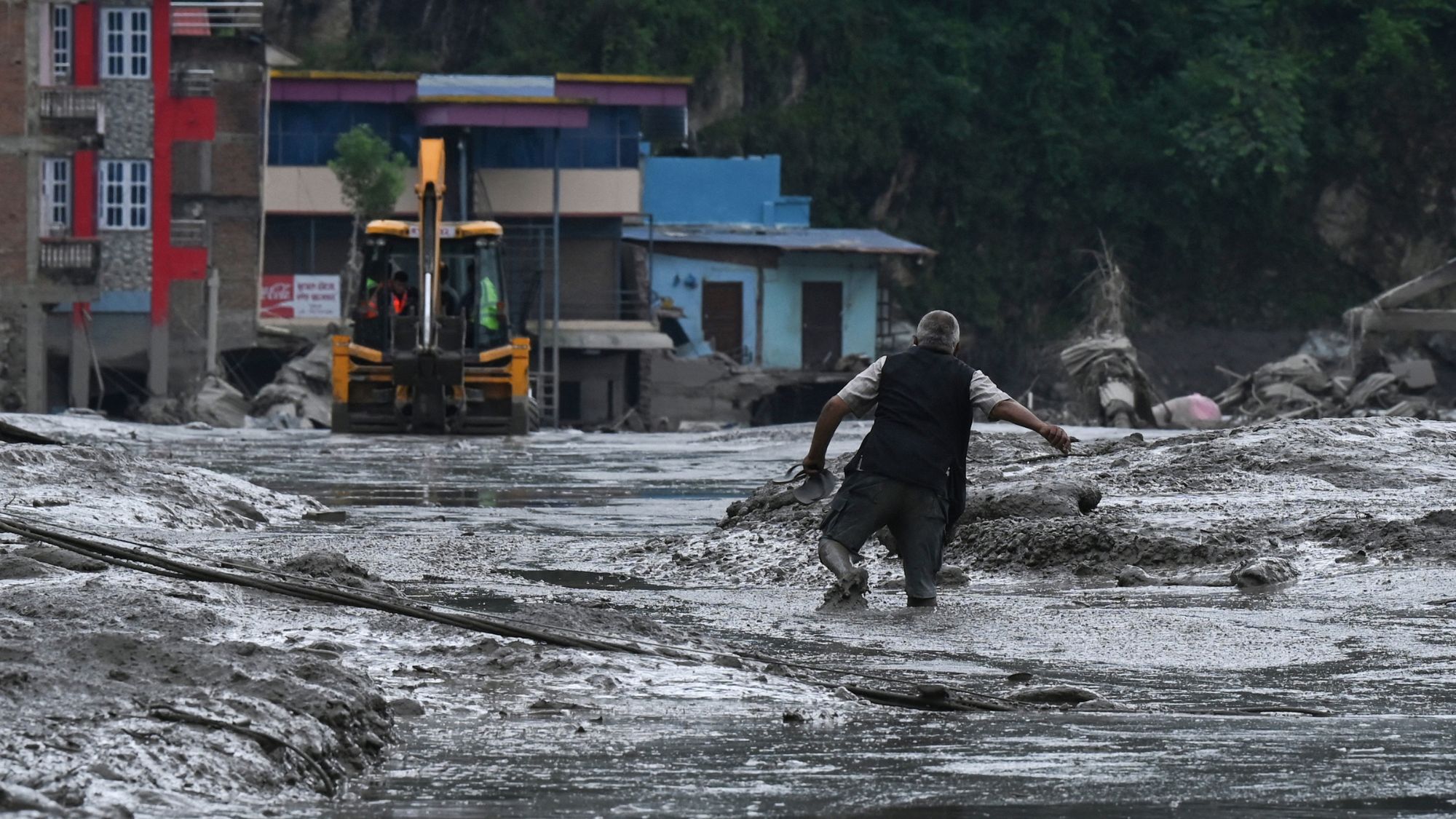
    A catastrophic flood has swept through communities along the Nepal-China frontier, with at least 157 people confirmed dead and hundreds more unaccounted for, including foreign visitors. Rescuers are searching for survivors after a massive collapse of rock and earth sent material into the region’s river system, overwhelming settlements downstream. Buildings, roads and major infrastructure were destroyed in Nepal, while a separate mudslide struck a border crossing in Tibet. Authorities warned that the death toll could climb substantially as rescue teams reach isolated areas. Thirty-three British tourists are believed to be among those missing, including a 13-year-old girl.

    Who said what
    Nepalese authorities first thought that an earthquake had caused the flash flooding, but authorities have since confirmed that it was in fact triggered by a landslide. “Additional analysis of long period seismic waves indicate that the seismic energy was instead generated by a landslide,” said the US Geological Survey.

    Hatim Sharif, a hydrologist at the University of Texas San Antonio, told AFP that in an event like this the mud flow moved so fast that “running will not help” nor would trying to flee by car. He said the mud and water in these situations were a fatal combination, acting like “like liquid concrete”.

    The region “lies on a popular route” to Kailash Manasarovar in Tibet, “a site visited annually by hundreds of Hindu pilgrims from India and elsewhere, particularly at this time of year”, said Reuters.

    What next?
    Search-and-rescue operations are continuing, with emergency teams expected to recover many more victims.


    today’s technology story

    Meta pays $18bn to settle teen addiction case

    What happened
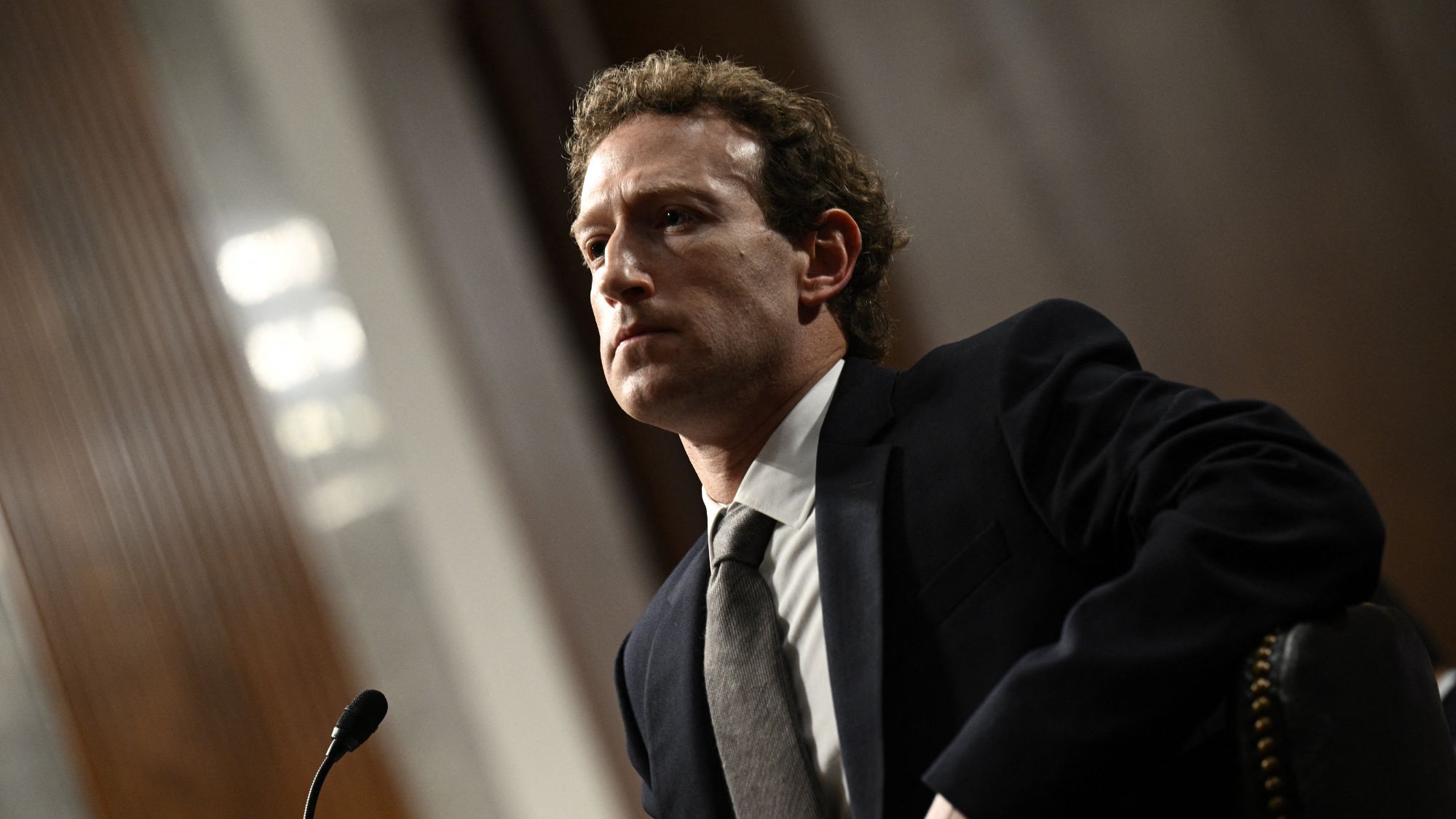
    Meta has agreed to an $18 billion (£13.2 billion) settlement with 42 US states over allegations that it failed to protect children from the addictive effects of Facebook and Instagram. The agreement will also bring significant new restrictions: children will be prevented from using the apps overnight, notifications will be disabled during school hours, daily use will be capped at two hours and stronger age checks will target under-13s.

    Who said what
    Meta defended the mid-trial settlement as a model for the wider industry. The social media giant’s chief legal officer C.J. Mahoney urged rivals to “follow Meta’s lead”.

    Tech is facing it its “Big Tobacco” moment, said James Titcomb in The Telegraph. And yet the $18 billion settlement “could be seen as a let-off for the company, at least financially” given that the agreement is less than a 10th of the $200 billion that state prosecutors said they were seeking.

    It is also notable that Meta did not change position on its long-held denial that its platforms harm children, said Clare Duffy on CNN, and “did not admit wrongdoing as part of the settlement”.

    What next?
    Mark Zuckerberg’s Meta and other major social media companies continue to face hundreds of lawsuits from individuals, families and school districts alleging that their platforms have caused addiction and harm among children. If Meta loses more of these cases it could face further financial penalties, although the company continues to reject the allegations.


    Today’s television story

    Downfall of Sturgeon’s husband to be focus of drama

    What happened
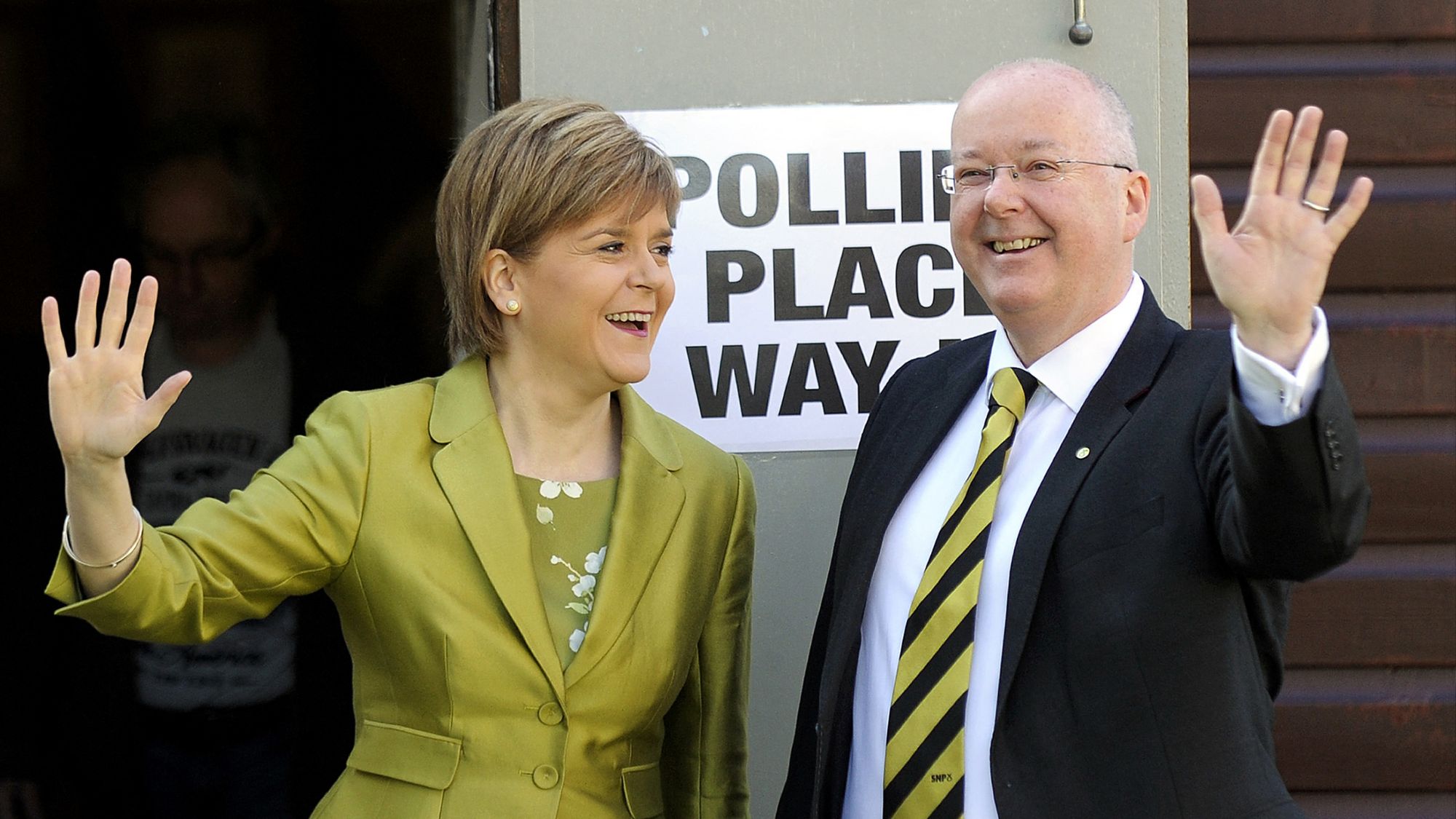
    The story of former Scottish first minister Nicola Sturgeon and her criminal ex-husband Peter Murrell will be told in a new Channel 5 drama.

    “To Nicola, Love Peter” will explore the couple’s relationship over the 12-year period that Murrell was diverting funds from the SNP while he was the chief executive – splashing it on items like his £124,500 motorhome, a Jaguar SUV and Montblanc pens. Murrell was jailed this year after admitting to embezzling £400,000.

    Who said what
    “This is an epic tale of Shakespearean proportions,” said Channel 5 boss Ben Frow. It is “an extraordinary tale of power, envy, deception and greed”.

    The forthcoming drama “continues a trend by Channel 5 to dramatise the stories of high-profile individuals such as Huw Edwards and Kate McCann”, said The Guardian.

    What next?
    Making the announcement at the Edinburgh TV Festival, Frow said a casting hunt was under way for the role of Sturgeon and joked that Meghan Markle could be a candidate. This “was illustrated with a mocked-up photo on the screen behind him of how she might look playing the former Scottish leader, along with other potential contenders such as Zendaya and Nicole Kidman”, added The Guardian.


    It’s not all bad

    Nasa is preparing to launch its new Nancy Grace Roman Space Telescope, a powerful observatory designed to map vast stretches of the universe. Its huge field of view could catalogue 20 billion stars and measure light from nearly a billion galaxies, while hunting for tens of thousands of new planets. Scientists hope that it will finally shed light on dark matter and dark energy – and perhaps uncover discoveries nobody has even thought to look for.


    under the radar

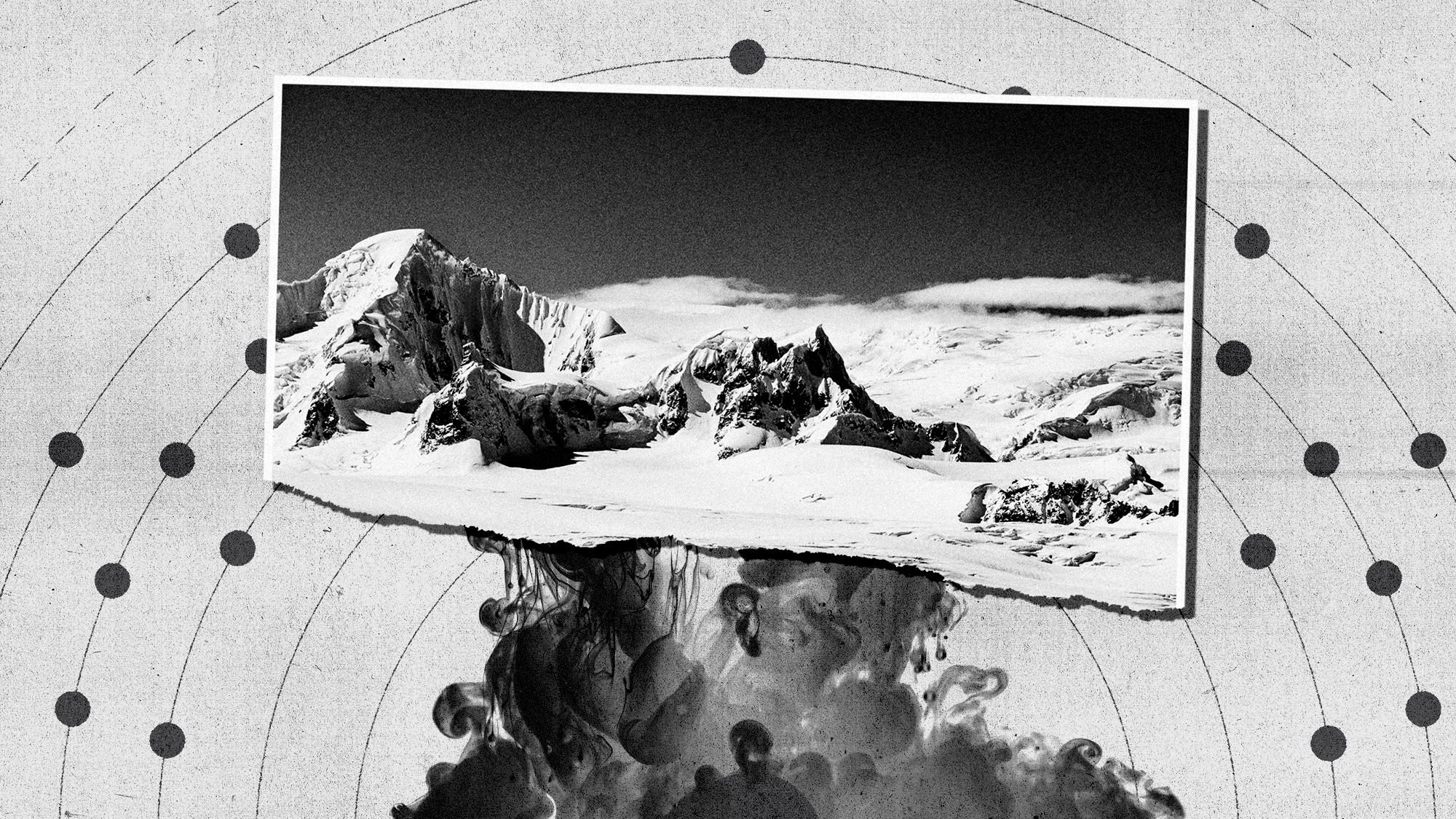
    Antarctica’s melting ice is leaking mercury

    The frozen landscape of Antarctica is holding a dangerous metal. The continent is releasing higher levels of mercury into the Southern Ocean and marine ecosystem because of climate change, and the toxic metal is accumulating in the region’s wildlife, causing health problems in the food chain. This flow of mercury has also reached the commercial fishing industry, potentially risking poisoning in humans.

    Mercury accumulation in Antarctica, specifically on the Antarctic Peninsula, has “doubled relative to the global shelf average and risen sharply since industrialisation”, said a study published in PNAS. The increase is “driven not only by atmospheric deposition, but also by climate-warming-induced ice melt and erosion that remobilise legacy mercury stored on land”. Essentially, climate change “acts as an amplifier of mercury cycling”, study co-author Maodian Liu, an environmental scientist at Peking University, told science site Eos.

    Polar warming and ice melt are now “turning Antarctica’s cryosphere from a mercury sink into an active secondary pollution source, with important implications for future mercury risk in polar oceans and ecosystems”, said the study.

    Mercury “reaches Antarctica through the atmosphere, travelling from sources such as coal plants and mining operations to settle on Antarctic ice and the Southern Ocean”, added Eos. As the metal “accumulates in sediment, it can transform into methylmercury, a more toxic form that more readily accumulates in living organisms”.

    Methylmercury “enters and travels through the Antarctic food web, taken up by plankton, then krill, fish, seabirds and marine mammals”, said Eos. The toxin can “harm animals’ neurology, behavior, growth and reproduction”.


    on this day

    27 August 1964

    “Mary Poppins”, starring Julie Andrews and Dick Van Dyke, premiered in Los Angeles. The film went on to win five Academy Awards. This month Andrews announced that she had effectively “retired” from acting, having been asked for “all last year” to reprise her role of Queen Clarisse in the upcoming “Princess Diaries” movie.


    Today’s newspapers

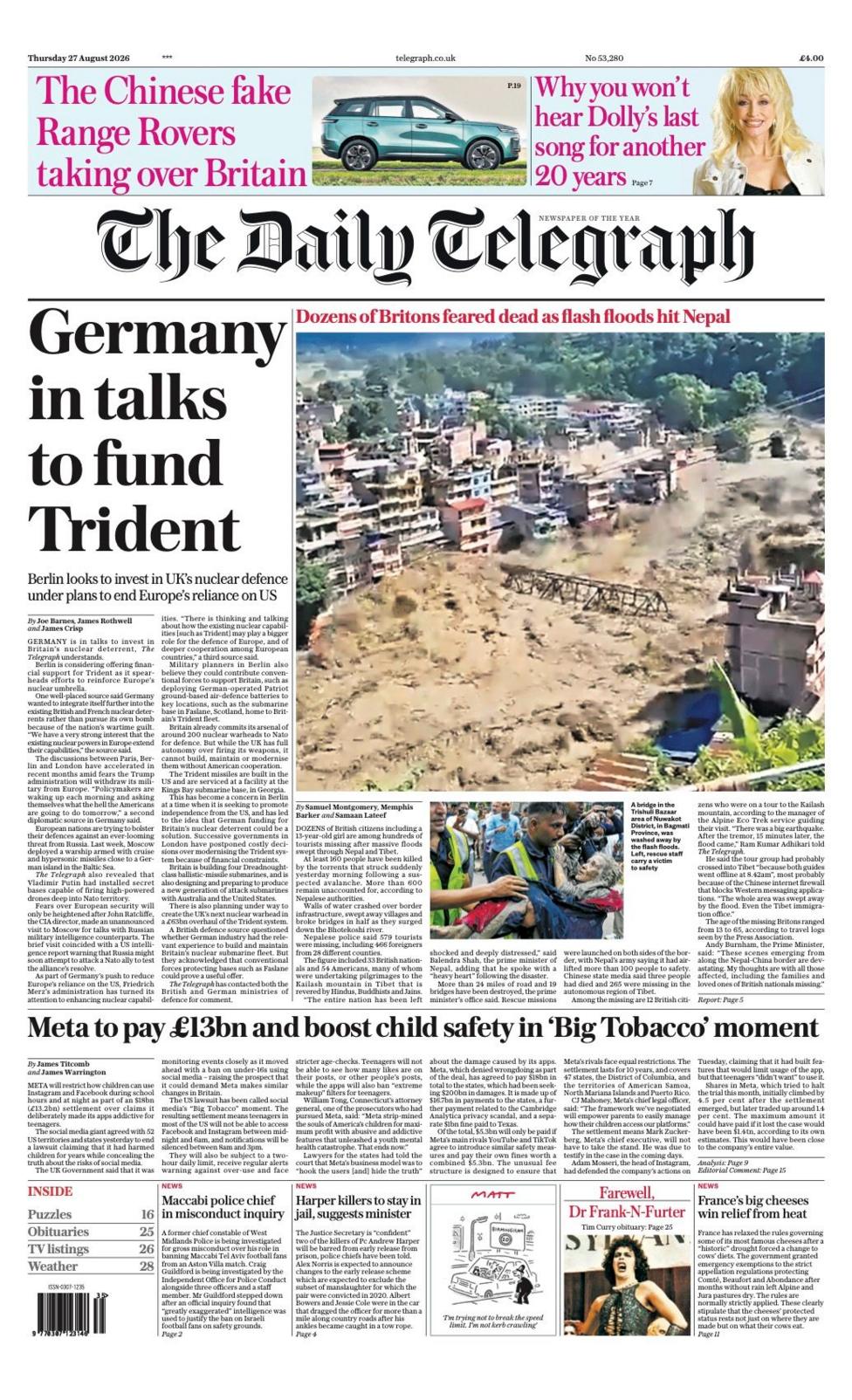
    ‘Trident talks’

    Germany is “in talks” to “fund Trident”, says The Telegraph. Meta will “pay up to $17bn” and “make sweeping changes” to “settle a major US court case”, The Independent says. “Tourists vanish in deadly surge”, Metro says, reporting on the flash flood in Nepal. “Over 30 Britons missing”, the Daily Mail reports. “Britain’s OAPs facing ‘dire’ winter”, says the Daily Express. “Regal has landed”, the Daily Star says, following the Duke and Duchess’s return to the UK.

    See the newspaper front pages


    tall tale

    Run out of excuses

    Organisers of the 2026 Sydney Marathon have admitted to an “unfortunate error” that saw a German stadium included in the course landmarks engraved on its medals. “We didn’t have that on our bingo card” posted social media administrators on Munich’s Allianz Arena account, adding that both the stadium and the Sydney Opera House were worth a visit. It’s true that a “little too much international flavour” made its way on to the medal, said a Sydney Marathon spokesperson, and “we’re not going to run from it”.


    Morning Report was written and edited by Arion McNicoll, Jamie Timson, Will Barker, Devika Rao, Ross Couzens and Chas Newkey-Burden, with illustrations by Stephen P. Kelly.

    Image credits, from top: Prakash Mathema / AFP / Getty Images; Brendan Smialowski / AFP / Getty Images; Andy Buchanan / AFP / Getty Images; Illustration by Stephen P. Kelly / Getty Images.

    Morning Report and Evening Review were named Newsletter of the Year at the Publisher Newsletter Awards 2025
     

    Recent editions

    • Evening Review

      Why did the CIA director take a secret trip to Moscow?

    • Morning Report

      Parton dies aged 80 after six decades at the top

    • Evening Review

      The crumbling anti-AfD firewall

    VIEW ALL
    TheWeek
    • About Us
    • Contact Future's experts
    • Terms and Conditions
    • Privacy Policy
    • Cookie Policy
    • Advertise With Us
    • FAQ
    Add as a preferred source on Google Add as a preferred source on Google

    The Week UK is part of Future plc, an international media group and leading digital publisher. Visit our corporate site.

    © Future Publishing Limited Quay House, The Ambury, Bath BA1 1UA. All rights reserved. England and Wales company registration number 2008885.