A “touchstone of British factual television” will draw to a close this month, said Radio Times. Two 90-minute episodes of one of the world’s longest-running documentaries will air on ITV in an “epic and moving end to a television landmark”.
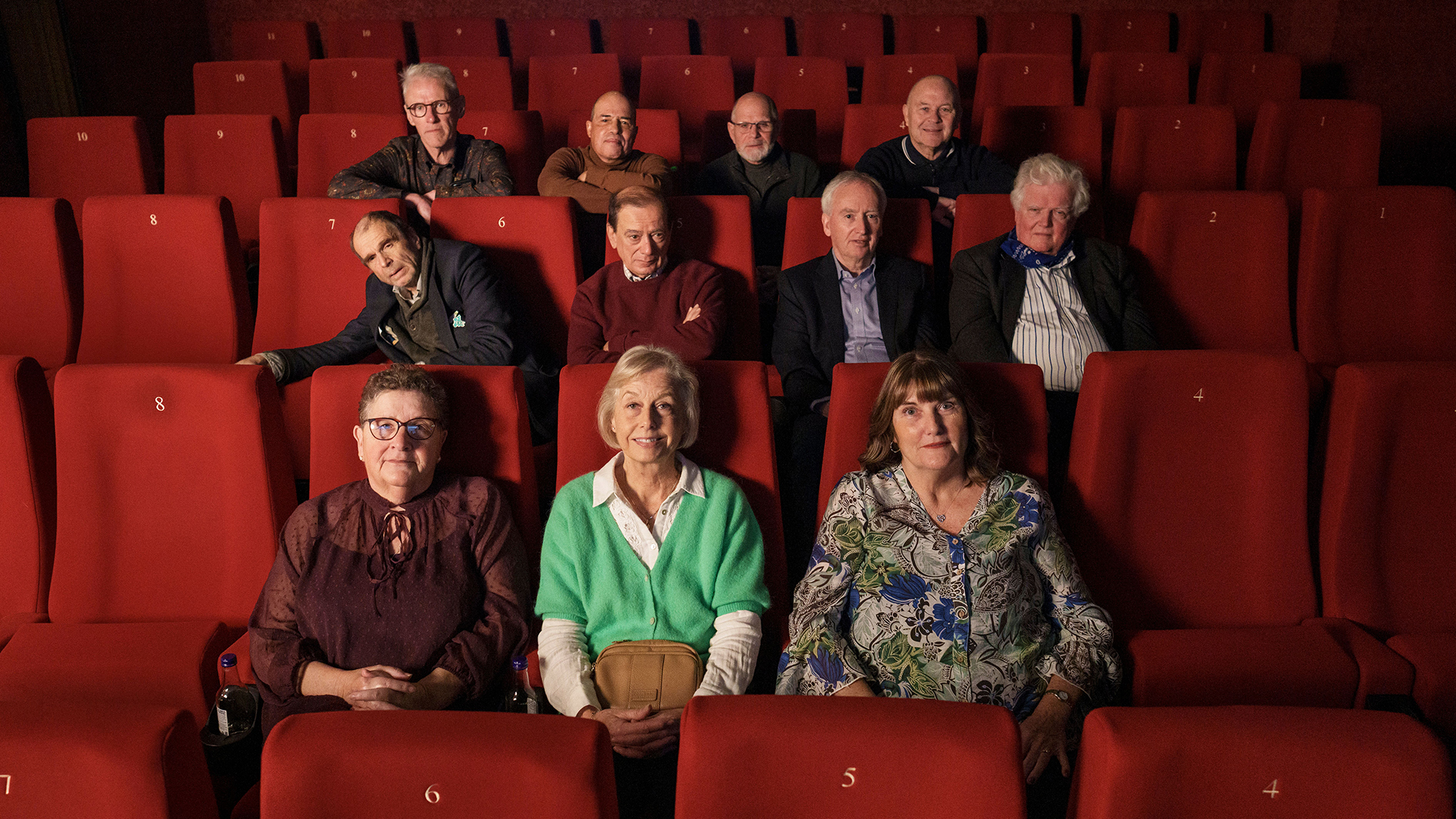
Inspired by a Jesuit maxim – “give me a child until he is seven and I will give you the man” – the Up series began in 1964, when 14 seven-year-olds from a variety of backgrounds were interviewed about their thoughts and aspirations for the future. The tenth and final iteration will feature many of them, but they have mixed views on the show’s practices.
‘Snapshot of Britain’s social history’
This “groundbreaking” series has been described as the “Bayeux tapestry of television”, said The Guardian. Over the last six decades, the children’s progress has been “creating a snapshot of Britain’s social history”.
But this instalment will have some “noticeable differences”. Michael Apted, the researcher who found, selected and interviewed the participants, died in 2021. Director Asif Kapadia, who was chosen to replace Apted, has called the final chapter, “70 Up”, the “most beautiful thing I’ve ever made”.
‘Outrageous’ inequality
Over the course of the show, we have seen the participants “grow up, marry, separate, have careers, suffer illness and depression”, said The Independent. Two of the show’s subjects have died. Lynn Johnson, who became a librarian in east London, passed away in 2013. Nick Hitchon, a Yorkshire farmer’s son who became a nuclear scientist, approached the programme wanting to record a final message after being diagnosed with terminal cancer. He died in 2023, just “hours” after his final “heartbreaking” interview.
Some cast members have accused Apted of “pursuing an agenda and have been intermittently unhappy at how they were portrayed”. In some, “you can see a reluctance to continue to appear on screen warring with a sense of duty – a generational one, perhaps – not to disrupt a historic enterprise”.
Considering the aims and scope of the project, it is “outrageous” that only four girls were chosen alongside 10 boys, cast member Jackie Bassett told The Mirror. Bassett, alongside two friends from the same “working-class east London” primary school, and “solo upper-class Suzy”, were the only female participants.
|