The Week The Week
flag of US
US
flag of UK
UK
https://cdn.mos.cms.futurecdn.net/flexiimages/jzblygzdxr1769609154.gif

SUBSCRIBE

Try 6 weeks free

Sign in
  • View Profile
  • Sign out
  • The Explainer
  • Talking Points
  • The Week Recommends
  • Podcasts
  • Newsletters
  • From the Magazine
  • The Week Junior
  • More
    • Politics
    • World News
    • Business
    • Health
    • Science
    • Food & Drink
    • Travel
    • Culture
    • History
    • Personal Finance
    • Puzzles
    • Photos
    • The Blend
    • All Categories
  • Newsletter sign up Newsletter
  • The Week Evening Review
    Nihilistic terrorism, Miliband’s sanctions, and the state triple lock pension

     
    THE EXPLAINER

    The Com and rise of nihilistic terrorism

    Hundreds of arrests across dozens of countries have been linked to “The Com”, an online community of predominantly young men who carry out acts of violence termed nihilistic extremism. “It’s violence for the sake of violence,” EU counter-terrorism coordinator Bartjan Wegter told the Associated Press. “There’s not a direct link with ideology.” 

    What is ‘nihilistic terrorism’?
    “Violent acts lacking an ideological motivation and driven by a misanthropic world-view,” according to the Institute for Strategic Dialogue, the leading UK-based think tank dedicated to combating extremism. Communities such as The Com form a “decentralised web of chats, forums and channels characterised by support for violence” but “with no specific political, ideological or religious goal”, although some factions have adopted extreme right-wing beliefs. The tactics and resultant harms of nihilistic extremists “often mirror those of ideologically motivated extremist networks”, with “some overlap” of “digital ecosystems, activities and cultural references”.

    But this is “violence as a means of asserting oneself”, said the EU’s Wegter. It’s “a means of gaining status in those online communities”.

    How do these networks recruit and operate?
    Short for “The Community”, The Com encourages and engages in cybercrime, extortion and violence. Largely made up of young, male native English-language speakers, members range from “11-year-olds trying to hack Minecraft to people in their mid-20s targeting vulnerable kids online”, Aiden Sinnott, principal threat researcher at cybersecurity firm Sophos, told The Guardian. Communicating via encrypted platforms such as Discord and Telegram, the networks serve as a pipeline where “older members of The Com contact kids and try to get them to commit increasingly sophisticated acts of criminality”.

    Activities are split into three subsets. Hacker Com includes groups such as Scattered Spider, linked to last year’s massive data breaches of retailers Marks & Spencer and the Co-op. In Real Life Com phones in fake bomb threats to schools and offers violence-as-a-service contracts, and is associated with a spate of random stabbings over the last year. Extortion Com coerces young people into sharing or live-streaming acts of self-harm, sexually explicit behaviour or even suicide.

    According to the UK’s National Crime Agency, reports of Com networks increased six-fold in the UK from 2022 to 2024. Researchers at West Point’s Combating Terrorism Center in the US have identified at least 295 arrests across 33 countries linked to The Com.


    TODAY’S BIG QUESTION

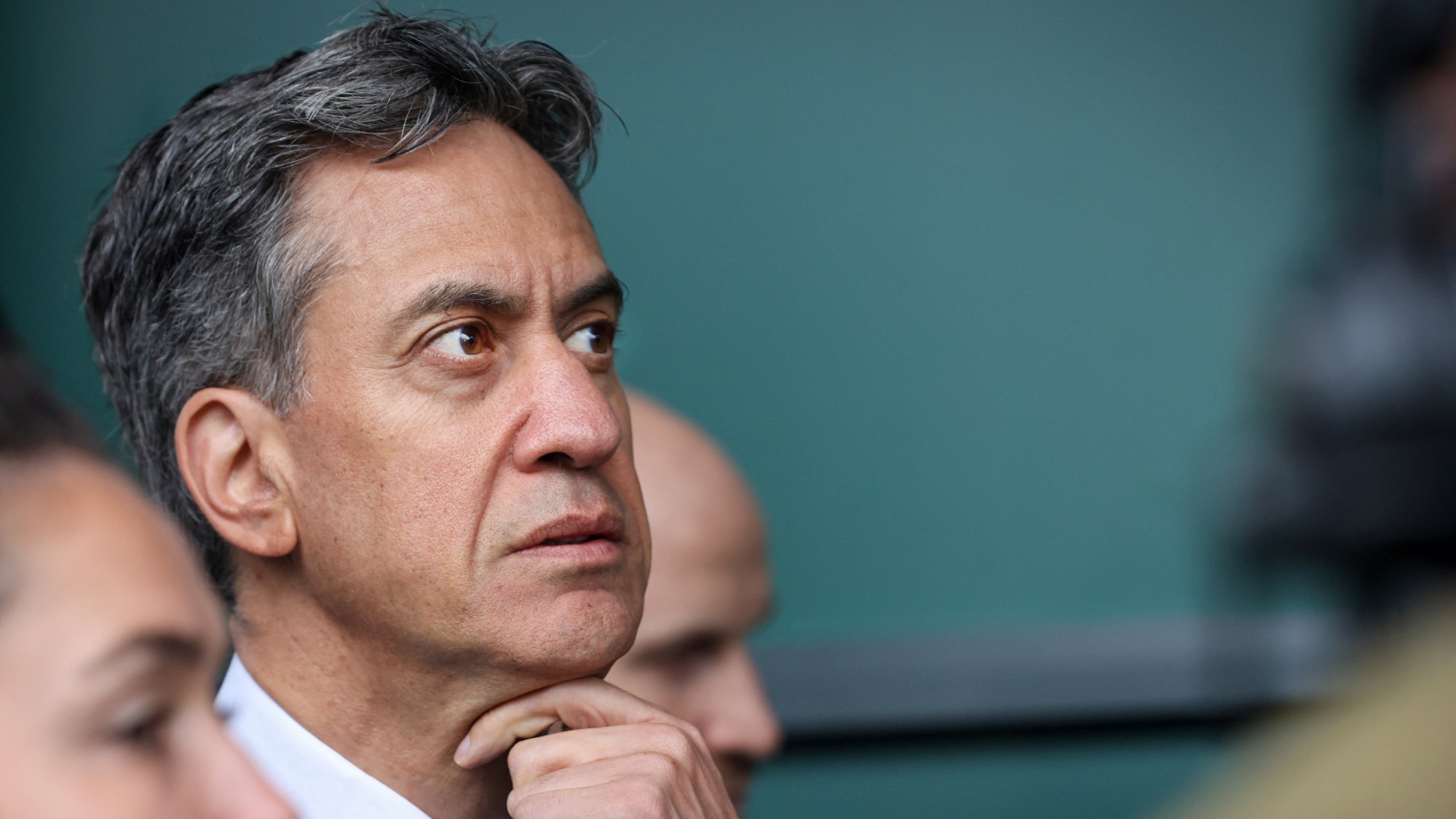
    West Bank sanctions: what will the impact be?

    “The British government agrees that there is ethnic cleansing of Palestinians in areas of the West Bank – perpetrated by settler terrorists.”

    With these words, Foreign Secretary Ed Miliband has delivered the “biggest reset in UK relations with Israel for decades”, said The New Statesman’s political editor Ailbhe Rea. His decision to introduce a ban on imports from illegal Israeli settlements in the West Bank is not without “political risk”, but it marks a determination to “inject values and politics into British foreign policy” that many at home and abroad feel has been lacking for years.

    What did the commentators say?
    “Ethnic cleansing” and “forced displacement” are often seen as acts of genocide, a word Miliband was careful not to use, said The Independent’s world affairs editor Sam Kiley. In this context, sanctions against settlers seem “disproportionately low and leave the State of Israel off the hook”, but the “effects of the new British legislation will be felt far more widely”.

    Israel has reacted strongly and swiftly by announcing four “countermeasures” against the UK, including the closure of the British Consulate in Jerusalem. Mike Huckabee, the US ambassador to Israel, also hit back on X, saying that “the Brits have lost it” and the “Jew hate of their government knows no boundaries and knows no facts”.

    Britain “risks moving from being a country capable of connecting Israel, the Gulf, Washington and Europe to one whose positions are increasingly predictable but whose involvement is decreasingly necessary”, said Labour peer Jon Mendelsohn in The Spectator. This could result in a “remarkable loss of influence in pursuit of policies which have yet to demonstrate that they have made peace, Palestinian statehood, regional security, the safety of British Jews or Britain’s national interests more attainable”.

    Miliband will hope his Jewish heritage – his mother was a Holocaust survivor who fled to Israel – and “staunch support of Israel’s right to exist will reassure the Americans”, said Rea in The New Statesman. He “emphasises the difference” between targeted West Bank sanctions and the full boycott of all Israeli goods, which he opposes.

    What next?
    Miliband has told the Commons that he intends to use the UN General Assembly later this month to shine the “clearest and harshest spotlight on what is happening and what must change” in Gaza.


    QUOTE OF THE DAY

    “Inspired by the bravery and patriotism of Apple and Google, we are changing the name of ‘South Park’ to ‘SOUTH AMERICA’.”

    “South Park” creators Matt Stone and Trey Parker announce a satirical rebrand after Apple and Google capitulated to Donald Trump’s push to rename Lake Ontario and the Gulf of Mexico. The tech giants now feature “Lake America” and the “Gulf of America” on their maps for US-based users. 


    Poll watch

    Seven in ten pet owners think grief after losing a pet is not taken seriously enough by society. An RSPCA survey of 4,000 people found that while more than 99% view pets as “part of the family”, 58% believe there is a stigma around mourning the death of an animal.


    TALKING POINT

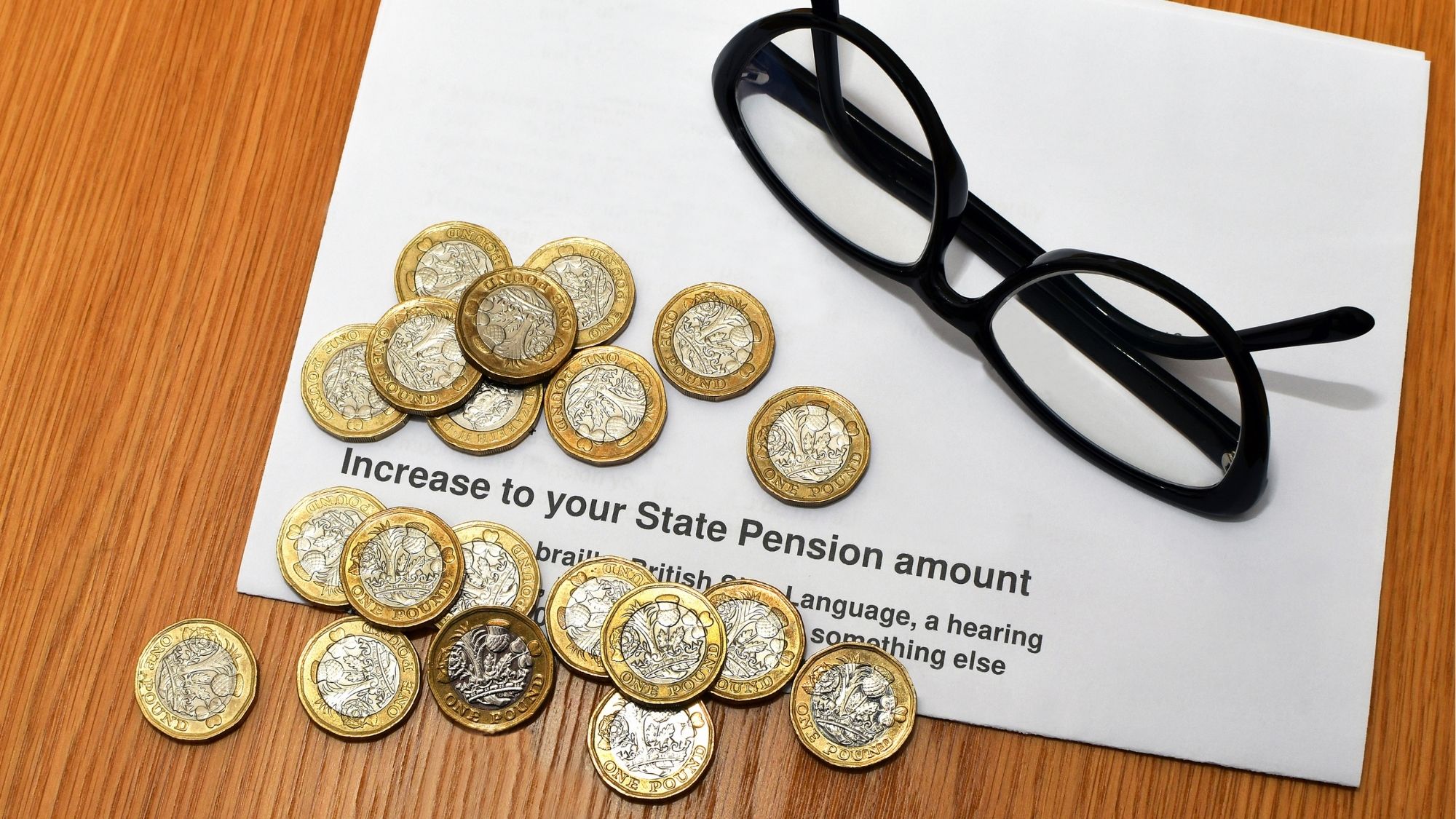
    Final reckoning for the state pension triple lock?

    Andy Burnham is facing growing pressure from MPs, businesses and financial experts to scrap the state pension triple lock. The British Chambers of Commerce has called on the government to ditch the policy, introduced by the Tory-Lib Dem coalition in 2010 to guarantee that the state pension rises each year by whichever is the highest of inflation, wage growth or a 2.5% baseline.

    Triple lock ‘has worked’
    Much of the debate around the triple lock suggests that “pensioners have never had it so good”, but the reality is “very different”, said former pensions minister Steve Webb in The Telegraph. Pensioner poverty has been “rising steadily” since the early 2010s. Although it’s “undoubtedly true” that the triple lock will become unaffordable, “now is not the time to be taking our foot off the gas”. Requiring that the decision be taken by Parliament “once every five years” is the most sensible course of action.

    Axing the triple lock would have to save the nation “a good chunk of money” to justify the resultant “wave of retiree rage”, said Will Dunn in The New Statesman. But while it may work in the long run, scrapping it won’t raise much money in the present – only £3.3 billion in two years. And for all the opposition, the triple lock “has worked” in providing British pensioners with greater benefits and security, particularly when measured against the cost of living.

    ‘Blunt instrument’
    The triple lock remains only because “no one is willing to risk the wrath of British pensioners”, said Matthew Brooker on Bloomberg. If we lived in a “rational world”, at least one mainstream leader would be “brave enough” to admit the “self-evident truth” that scrapping the triple lock would provide fairness and affordability. 

    Since its establishment, the triple lock has become “something of a holy writ” despite its “financial and moral justification” being long gone, said Simon Kelner in The i Paper. The mechanism fails to account for the income differences between a “pensioner on the poverty line” and a retiree “with a large, mortgage-free home and a private pension pot”. It is a “blunt instrument”.


    Good day 🏆

    … for Alan Carr, who capped off a triumphant year by bagging the prestigious Special Recognition prize at last night’s National Television Awards. “It’s been very surreal and triggering,” the comedian said as he accepted the accolade, which follows his victory in “The Celebrity Traitors” and starring roles in shows including “Last One Laughing”.


    Bad day ⛳

    … for LIV Golf,  which has filed for bankruptcy protection in the US after spending billions luring players away from the PGA. The breakaway tour is to restructure and return with a “player-first ownership model” after losing its Saudi investment, but court documents show star golfers including Bryson DeChambeau and Jon Rahm are among the creditors owed millions.


    PICTURE OF THE DAY

    Late-night thriller

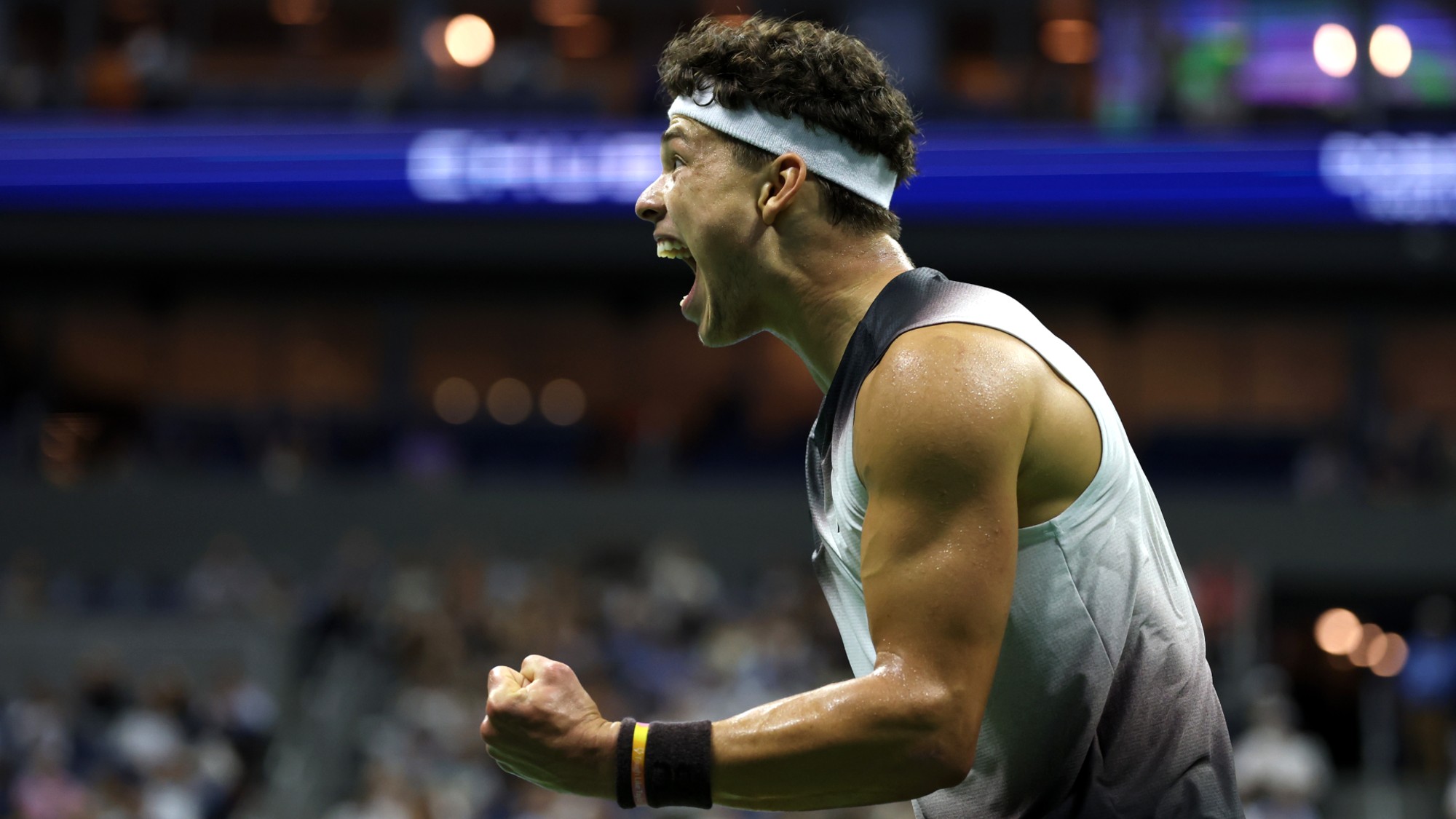
    American tennis star Ben Shelton celebrates during a US Open five-set epic against Spain’s Carlos Alcaraz that stretched into the early hours. Shelton finally defeated the defending champion in the quarter-final at 3.33am, the latest-ever finish in the tournament’s history.

    Patrick Smith / Getty Images


    Puzzles

    Chain Word

    Try The Week’s daily word challenge in our puzzles and quizzes section, which also includes sudoku and Guess the Number

    Play here


    THE WEEK RECOMMENDS

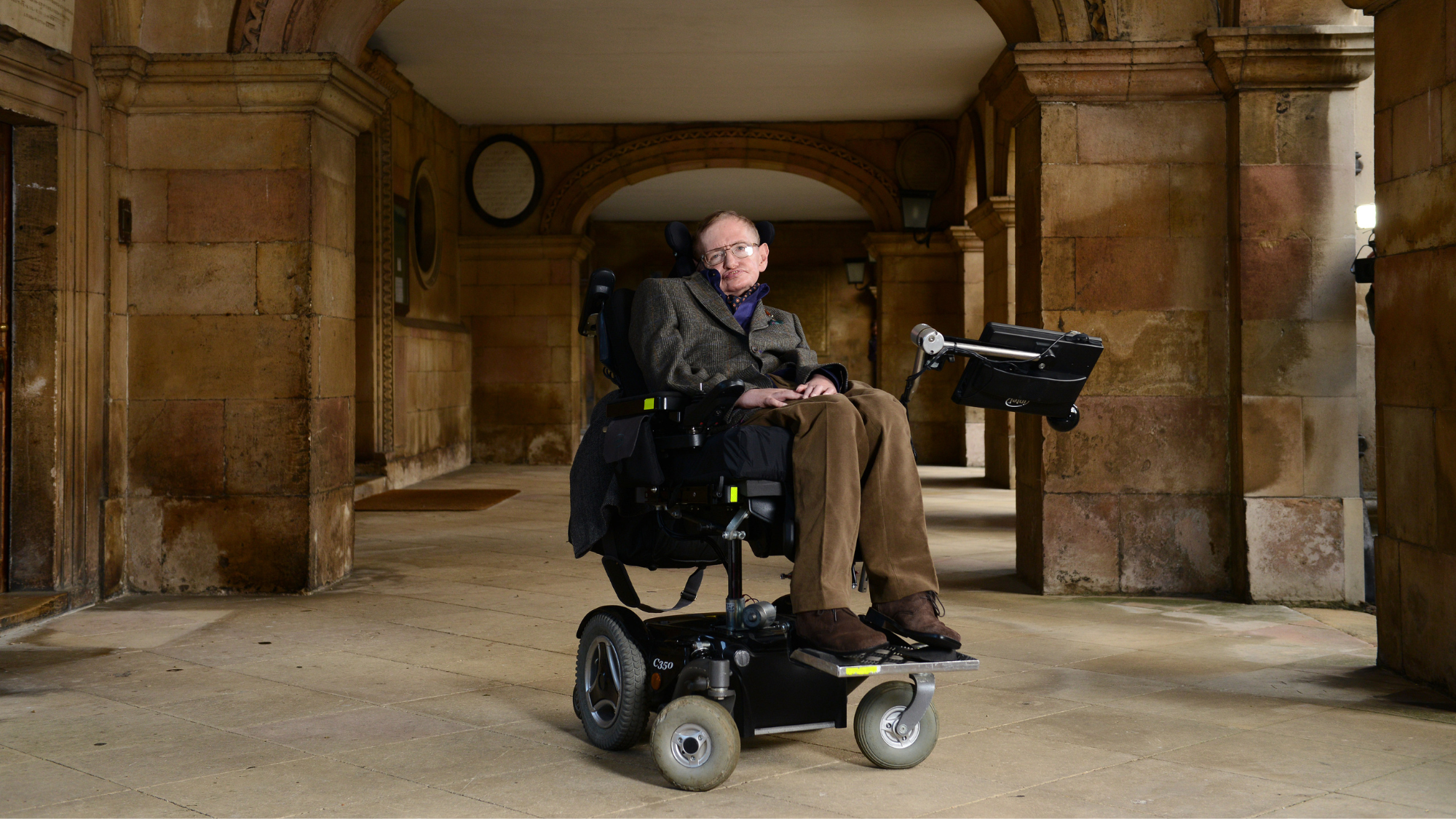
    Hawking: the ‘uncomfortable but unavoidable truth’

    “What a challenge,” said Liz Else in New Scientist: penning the “first major biography” of Stephen Hawking with the theoretical physicist’s estate and the “whole scientific world” all “watching closely to see the result”. But science writer Graham Farmelo has pulled it off. “Kudos all round.”

    Farmelo paints a “comprehensive and accessible portrait” of Hawking as an “extraordinarily determined man” who had a darker side to which the public and scientific community “mostly turned a blind eye”, said Philip Ball in The Guardian. The “uncomfortable but unavoidable truth” is that Hawking’s refusal to give scientific credit to others, and his sexism and “controlling behaviour”, were largely “ignored because of his disability”. “I think it is indeed going to take us years to process that.”

    Farmelo first covers the science, which offers a “genuinely inspirational tale”. Hawking’s work on black-hole thermodynamics would have been “impressive by any measure”. But achieving it while living with “debilitating and ultimately paralysing” motor neurone disease is remarkable. The “problematic stuff” emerges from “those closest to him”. Hawking’s friends at Oxford found him “lazy and entitled”; his youngest son said his father never let him win at board games as a child; and his “unsparing ridicule” of the religious beliefs of his first wife, Jane, contributed to the unravelling of their marriage.

    Farmelo gives non-scientists a “good sense” of why Hawking’s work matters, including “succinct discussions of how black holes evaporate”, said John Gribbin in Literary Review. But this book also puts the facts into “context”. The result is an “absorbing and informative account of the life of the most interesting physicist of the second half of the 20th century”.


    Statistic of the day

    88 hours: How long around 10,000 of OpenAI’s bots took to solve a brainteaser that has bamboozled mathematicians for generations, according to the tech company. The bots exchanged nearly three million messages, at an estimated cost of $10 million, to crack the Navier-Stokes problem, a notoriously difficult puzzle related to the motion of fluids.  


    instant opinion

    Today’s best commentary

    Russia is raining death on Ukraine’s women and children. Our hands shake, but we keep going for love
    Alina Sarnatska in The Guardian
    “Enduring daily death and the violence of Russia’s attacks has changed us irreversibly” here in Kyiv, writes author and war veteran Alina Sarnatska. “The skin of Ukrainian women has thickened into armour.” When resilience is vital because “there is still work to do”, every “trembling hand starts to feel like a personal failure”, but “I do not want survival to take away my tenderness towards other people, or towards myself”.

    Innovation is the answer to Britain’s elusive growth problem
    Gordon Brown in the Financial Times
    “Many think of Britain’s inventiveness in the past tense,” writes Gordon Brown. But if we support the next generation of startups, we could become “internationally competitive” and “lay claim to be the innovation nation”. Innovation “should be at the heart” of the next Budget. If we connect our “scientific potential to investment and open competition, Britain can go from being a country that invents the future to one that develops it, scales it – and owns it”.

    Rudeness isn’t the only way to deter scammers. Panting also works
    Carol Midgley in The Times
    Scammers “try to rob us blind” by exploiting the “British tendency to be polite when answering a call from a stranger”, writes Carol Midgley. But “I must be innately rude”, because I “have no problem at all in telling them to ‘f*** right off, mate’”. And “rudeness isn’t the only way, folks”. I find that saying, “I’m 93 and not wearing any pants” also brings “any such call to a brisk conclusion”. So “be creative”.


    word of the day

    DivorceTok

    A growing category of social media content that “delves into marital woes”, said The Associated Press. Creators are challenging the “stigma” surrounding relationship breakdowns by sharing “unvarnished divorce stories”, providing an online space where people can “relate and reflect on their own experiences and emotions”. 


    Evening Review was written and edited by Hollie Clemence, Jamie Timson, Rebecca Messina, Rebekah Evans, Chas Newkey-Burden, Irenie Forshaw, Adrienne Wyper and Kari Wilkin, with illustrations from Stephen P. Kelly.

    Image credits, from top: illustration by Stephen P. Kelly / Getty Images; Paul Faith / AFP / Getty Images; Ceri Breeze / Getty Images; Patrick Smith / Getty Images; Karwai Tang / Getty Images
     

    Recent editions

    • Morning Report

      Air traffic control fault throws flights into chaos

    • Evening Review

      A new Falklands crisis?

    • Morning Report

      UK to restrict Israel settlements trade

    VIEW ALL
    TheWeek
    • About Us
    • Contact Future's experts
    • Terms and Conditions
    • Privacy Policy
    • Cookie Policy
    • Advertise With Us
    • FAQ
    Add as a preferred source on Google Add as a preferred source on Google

    The Week UK is part of Future plc, an international media group and leading digital publisher. Visit our corporate site.

    © Future Publishing Limited Quay House, The Ambury, Bath BA1 1UA. All rights reserved. England and Wales company registration number 2008885.