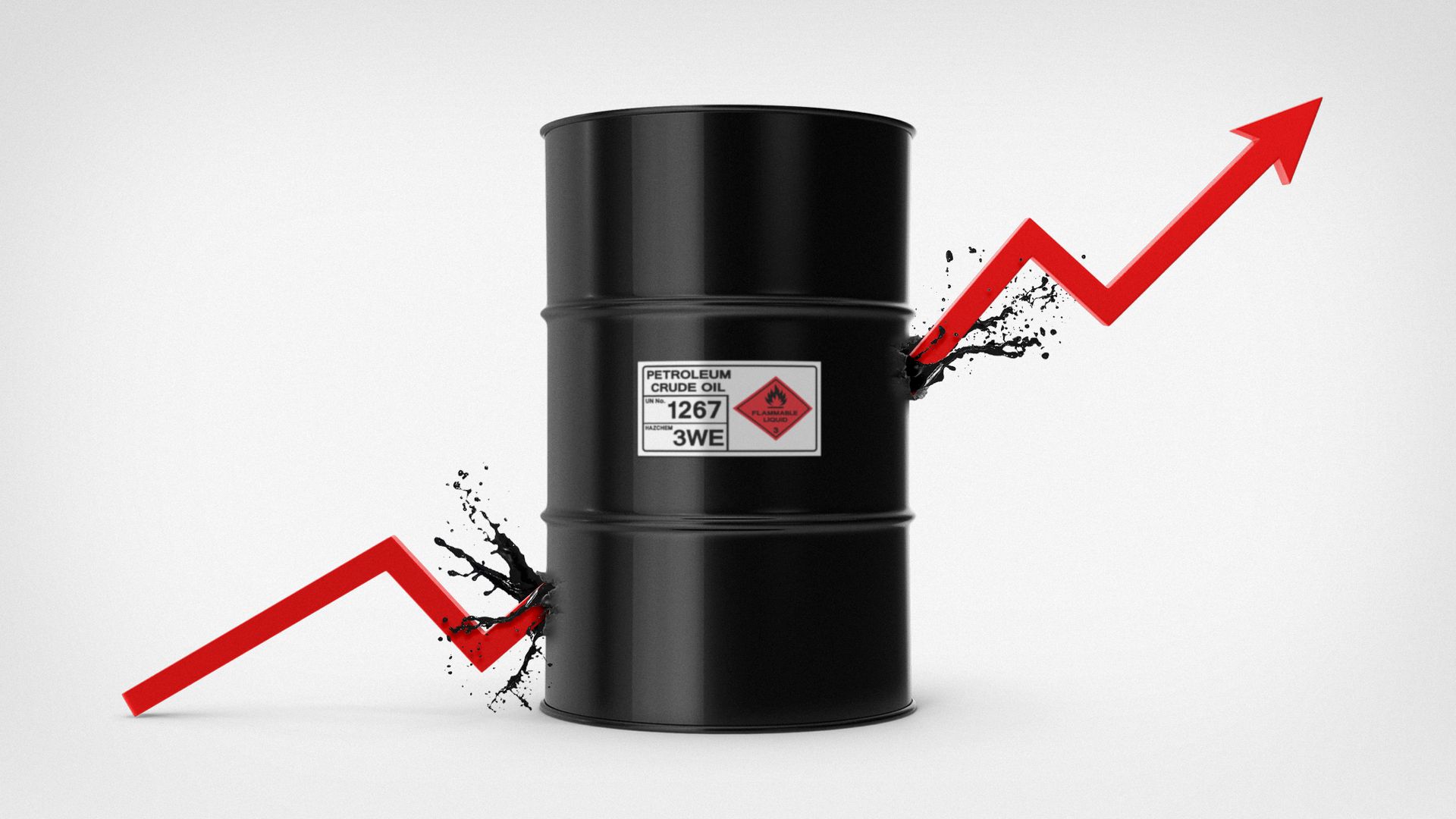
More than a third of UK forecourts are charging £2 a litre for diesel, according to latest RAC figures – the highest price ever recorded. This is “uncharted territory”, financial analyst Kathleen Brooks told City A.M. And Donald Trump is sending markets into a further “frenzy” by threatening to ban diesel exports from the US, said the paper.
What did the commentators say?
Trump’s threats have “highlighted Britain’s over-reliance on the goodwill of other countries” for its diesel needs, said an editorial in The Times. Around 10 million of Britain’s cars, a quarter of the trains, 70% of buses and virtually all tractors and HGVs run on diesel. Last year, more than 50% of the country’s diesel supply was imported, of which around a sixth was from the US. Britain only has enough reserves to last for around six weeks, according to International Energy Forum data, compared with around six months for France, Italy, Spain and Germany.
Breaking the £2 threshold should “set alarm bells ringing in Downing Street”, said The Telegraph in an editorial. As a nation, we have “failed to prepare”, allowing our refining capacity to “wither away”, and are now “dangerously exposed” to market fluctuations beyond our control.
The diesel crisis may “deepen” after Britain’s largest refinery, Fawley in Hampshire, shut down production for up to 10 weeks for planned maintenance, said energy editor Jonathan Leake in The Telegraph. In the 1980s, the UK had 18 refineries. Today, it has just four, so any closures, planned or unplanned, temporary or permanent, have a “rapid impact on supplies”.
What next?
Diesel is the “engine of the UK economy”, said Sky News. Shortages would heavily disrupt supply chains and lead to costs being passed on to consumers. This is the type of inflation that “worries” the Bank of England, which is “widely tipped” to raise interest rates in November.
Planned fuel tax hikes are set to follow in January. But given the questionable wisdom of “raising prices at the pump at a time when they are clearly inflationary in nature”, they are likely to be “scrapped or further delayed” at the upcoming Budget.
|