The Week UK The Week UK
flag of US
US
flag of UK
UK
https://cdn.mos.cms.futurecdn.net/flexiimages/jzblygzdxr1769609154.gif

SUBSCRIBE

Try 6 weeks free

Sign in
  • View Profile
  • Sign out
  • The Explainer
  • Talking Points
  • The Week Recommends
  • Podcasts
  • Newsletters
  • From the Magazine
  • The Week Junior
  • More
    • Politics
    • World News
    • Business
    • Health
    • Science
    • Food & Drink
    • Travel
    • Culture
    • History
    • Personal Finance
    • Puzzles
    • Photos
    • The Blend
    • All Categories
  • Newsletter sign up Newsletter
  • The Week Evening Review
    Mecca pact, literary Nobels, and the cheap way to say ‘cheese’

     
    TODAY’S BIG QUESTION

    Mecca pact triggered: what happens next?

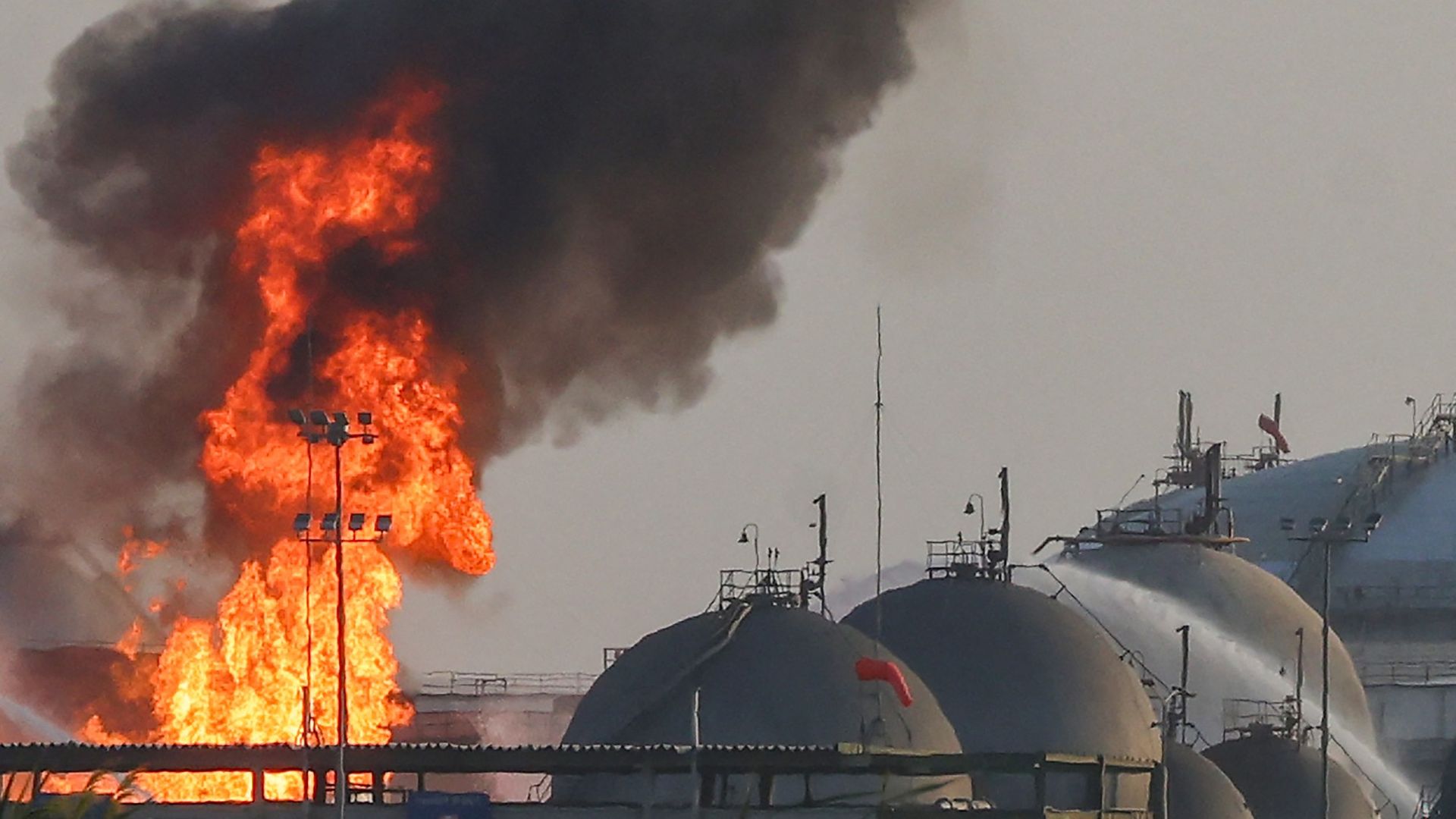
    The Mecca Joint Defence Agreement has been invoked for the first time since it was signed in August, following Houthi-led attacks on Mecca, Medina and Riyadh’s international airports.

    Turkey and Pakistan will undertake a “rapid deployment” of troops to Saudi Arabia as part of the “collective defence commitments”, the three countries said. Exactly how they will contribute is less clear, and Article 92 of Turkey’s constitution places the authority to send troops abroad with the country’s parliament, “which has yet to ratify the Mecca pact”, said Abid Hussain on Al Jazeera. But with the US ruling out direct intervention in Yemen as it continues to focus on Iran, the new alliance could redraw the lines of power and control in the region.

    What did the commentators say?
    “Even the threat of joint involvement could dramatically shift the Saudi-Houthi conflict,” said Foreign Policy. The combined members of the Mecca pact boast nearly 1.4 million active troops, as well as “3,400 aircraft, 6,000 tanks, and more than 340 naval assets”. Pakistan is “the only nuclear-armed Muslim-majority nation in the world”, and Turkey has the second-largest army in Nato, after the US.

    The timing of the announcement also “carries deep symbolic weight”, said Sean Mathews in Middle East Eye. By invoking the pact, Saudi Arabia is showing it has the “support of the wider region in its counter-offensive against the Houthis” and, by extension, Iran.

    The Mecca deal should be perceived as an “additional layer of regional security rather than a wholesale strategic realignment”, said international relations expert John Calabrese on The Conversation. As regional threats become harder to “separate into discrete categories”, and suspicion of conventional allies grows, Saudi Arabia is moving to “hedge” its bets to avoid becoming vulnerable.

    What next?
    An end to Houthi attacks is “unlikely without a wider deal between the US and Iran”, said The Times’ Middle East correspondent Samer Al-Atrush. But Washington is currently intent on demanding “concessions” from Tehran by enforcing its own naval blockade.


    THE EXPLAINER

    Why the Nobel Prize in Literature is so controversial

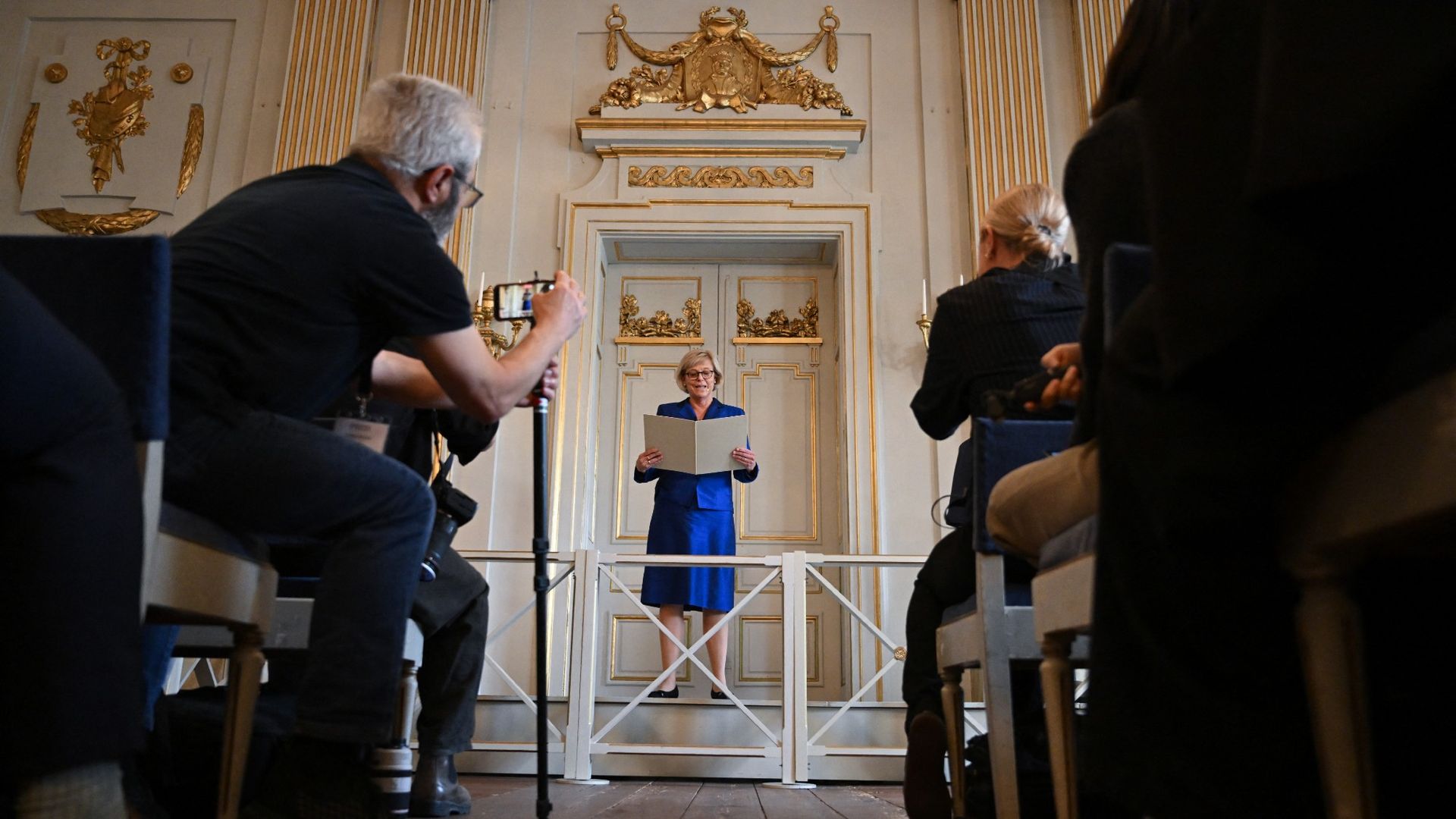
    The announcement of 76-year-old Canadian poet and essayist Anne Carson as this year’s Nobel Prize in Literature laureate marked the end of a lengthy, secretive selection process that began more than a year ago. Throughout its history, the world’s most prestigious literary award has “generated more controversies” than any of the other Nobel Prizes, said Euronews.

    Who picks the Nobel laureates in literature?
    Awards are chosen by the Swedish Academy, made up of “distinguished Swedish writers, linguists, literary scholars, historians, and a prominent jurist”, according to the Nobel Prize website. The 18 members have tenure for life.

    How is the winner chosen?
    The Academy’s “Nobel Committee” sends invitation forms to individuals and organisations eligible to submit nominations, such as literature and linguistics professors, previous laureates, and heads of writers’ associations. The list “can reach 200 names per year”, Gisele Sapiro, research director and Nobel Prize expert, told Deutsche Welle.

    The Committee screens the submissions and “whittles down the nominations” to five candidates. The prize is given to a writer’s body of work, rather than one book. Members read and assess each candidate’s oeuvre over the summer, and vote in early October. In addition to the prestige conferred by the award, the winner takes home 12 million Swedish kronor (about £910,000).

    Why is it so controversial?
    Some winners have been divisive figures, such as 2019 laureate Peter Handke – a “known denier of the Bosnian genocide” and “close supporter” of former Serbian president Slobodan Milošević, said Euronews.

    There is also a “comic discrepancy between the weight of the prize and the parochialism of the judges”, who have awarded eight Nobels to writers from Sweden, while only 33 out of 122 laureates have come from outside Europe, said the Financial Times’ Simon Kuper. Only about 15% of winners have been women (although the prize has alternated between male and female laureates each year since 2018).

    Despite the criticisms, the Nobel Prize still “shapes the global canon”. It can “turbocharge sales” and get authors’ names trending far beyond their countries. In a world where reading is “in decline”, this prize matters more than ever.


    QUOTE OF THE DAY

    “Where am I?”

    Death-row inmate Christa Pike’s first words after regaining consciousness in hospital following her botched execution in Tennessee, according to one of her lawyers. Randy Spivey told reporters that Pike, whose fate is uncertain after she survived two lethal injections, was “angry and confused”.


    Poll watch

    Almost two-thirds of Brits (64%) think a referendum should be held if the government negotiates a potential deal to rejoin the EU, according to a YouGov poll of 2,312 adults. If given a say, 52% would vote to rejoin the bloc, while 27% would vote against.


    IN THE SPOTLIGHT

    Say cheap: parents turn to AI for school photos

    The framed school photo on the mantelpiece is a “familiar fixture of family life”, said The Times, but the annual push to encourage children to smile nicely for their snap may be ending. The school photography industry is “under threat”, and the main culprits are parents using artificial intelligence tools to scrub the watermarks from photographers’ proofs, or even generate their photos.

    According to data from the Association of Photographers, nearly 60% of school photographers have lost commissioned work to AI, and more than two-thirds have experienced copyright infringement.

    Steep prices 
    The average spend on a single school photo is £25, but throw in add-ons like “a magnet, keyring or snow globe” and prices “can run up” to £100 or more, said The Guardian.

    Parents are increasingly baulking at shelling out for “mundane headshots” when it’s easy to use AI tools to erase the photographer’s watermark and get the pictures for free, said Futurism. Some are even opting to “fast-track school picture day” by taking their own photos and then prompting ChatGPT to “make it look like a school picture” by adding the ubiquitous “milquetoast background”. 

    Privacy concerns
    Some parents turning to AI find that their child’s face is “changed during generation”, with alterations to “eyes, facial proportions and hairline”, said Gadget Review. Uploading a child’s image to an AI chatbot may “pose a bigger concern”, too, said USA Today. That image won’t be discarded afterwards. Even if the chat is deleted, the photo will be kept for potential use in training AI to “generate more refined content”. It’s “basically seeding your child’s image into a large language model”, legal expert Daliah Saper told the paper, “and who knows how that can be manipulated” in the future.

    Scrubbing watermarks could also “end up being far more costly” in financial terms than just paying for the official photo, said US business magazine Fast Company. Doing so is copyright infringement, and photography companies could choose to take legal action.


    Good day 🐝

    … for the buff-tailed bumblebee, which will be celebrated on the next generation of UK banknotes, along with three other native species. Following a public consultation, the Bank of England has announced that the barn owl, European hedgehog and Atlantic puffin have also been picked to replace Winston Churchill, Jane Austen and other historic figures on the new notes, which are expected to take several years to design.


    Bad day 🚢

    … for national security, as a serving Royal Navy sailor is accused of spying for a foreign power. Warfare intelligence specialist Teddy Young, 24, was arrested by counterterror police and appeared at Westminster Magistrates’ Court today charged with multiple offences under the National Security Act. The case was sent to the Old Bailey, with a hearing scheduled next week.


    PICTURE OF THE DAY

    Grief and anger

    Mourners light candles at an overnight vigil outside the Madrid flat of Maricarmen Abascal following the 87-year-old’s death, two weeks after her forcible eviction triggered mass protests over Spain’s housing crisis.

    Thomas Coex / AFP / Getty Images


    Puzzles

    Chain Word

    Try The Week’s daily word challenge in our puzzles and quizzes section, which also includes sudoku and Guess the Number

    Play here


    THE WEEK RECOMMENDS

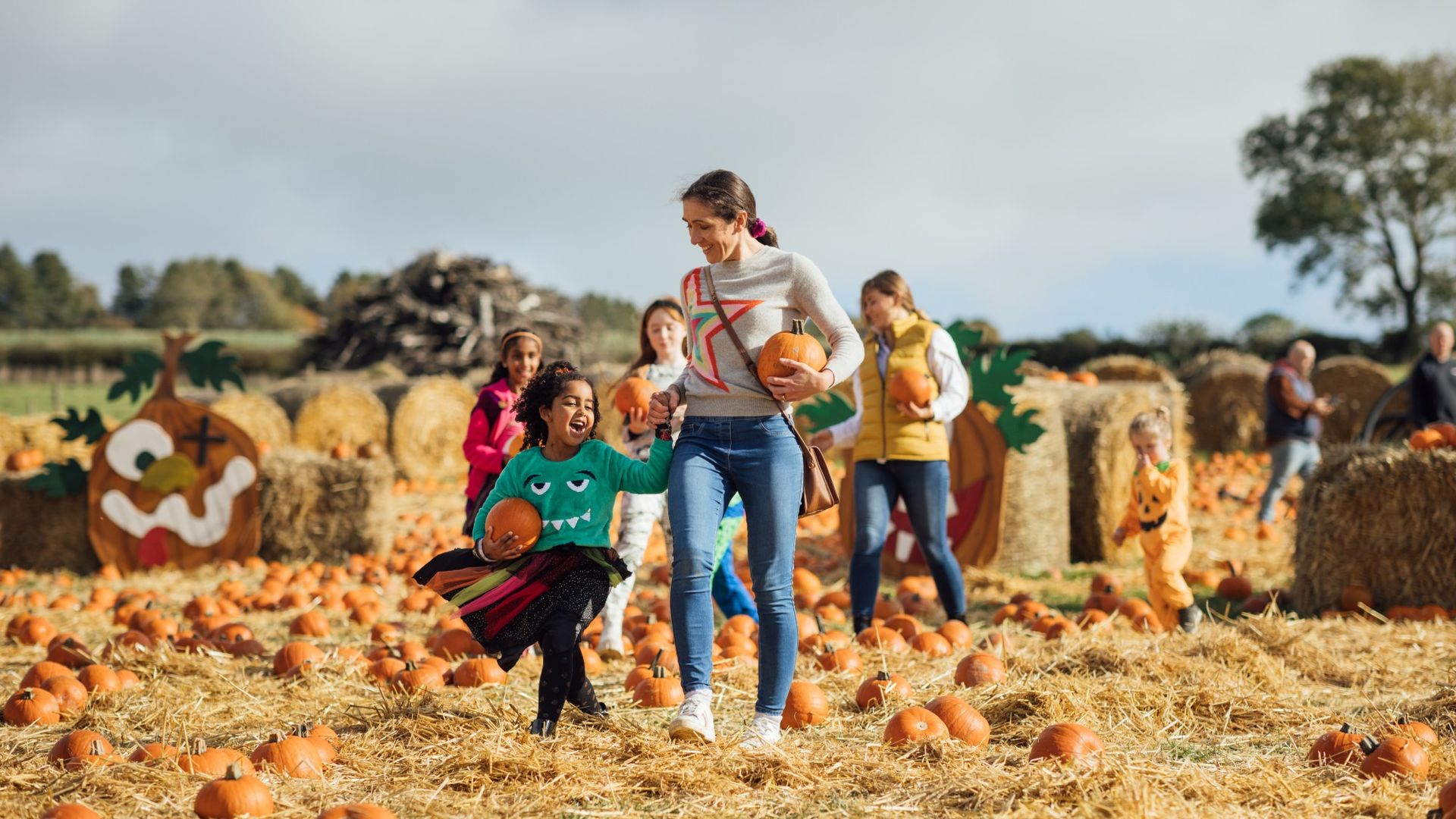
    Family-friendly days out for Halloween

    From picking pumpkins in Yorkshire and cuddling tarantulas in Oxfordshire to greeting ghostly figures in the Tower of London, here are some of the family-friendly activities on offer this Halloween.

    Ghosts and ravens at Hampton Court Palace and the Tower of London
    Expect “roaming ghostly apparitions” at the Palace, and autumn trails “filled with pumpkins, scarecrows and seasonal surprises” around the grounds, said Connor Sturges in Condé Nast Traveller. Head to the Tower, too, which is offering a “unique encounter with the ravens” as the wardens reveal the fortress’ “darkest secrets”.

    Pumpkin Picking at Stockeld Park, North Yorkshire
    You can jump on a tractor and head out into the fields of this country estate to select your own pumpkin. Then settle in for a day of autumnal fun that includes a “pumpkin slingshot”, wand-making sessions and a friendly roving scarecrow, said Alice Saville in Time Out.

    Victoria Park Guardians, Victoria Park, Manchester
    As October draws to a close, Stretford’s Victoria Park “transforms into an interactive family trail”, said Emmeline Banks in Secret Manchester. Solve clues hidden across the park’s paths, gardens and historic spots to “uncover the mystery of the Keeper’s missing key”.

    Thrill-seeking at Blenheim Palace, Oxfordshire
    The Palace’s “haunted half term” offering includes the chance to handle tarantulas, snakes, giant snails and more in the ZooLab, plus witch storytelling sessions and circus workshops, said Fran Watts in The Independent. “Older thrill-seekers may want to wait until after dark” for the spooky trail and its “jumpy twists and turns”.


    Statistic of the day

    £40: The average annual saving that motorists could make by using navigation apps to check real-time fuel prices at UK filling stations. From today, Google Maps and Waze are using data from the government’s Fuel Finder tracker to display nearby pump prices when users search for forecourts.


    instant opinion

    Today’s best commentary

    Stockpile food – and wash your hands: is that really how to prepare for environmental catastrophe?
    George Monbiot in The Guardian
    “National resilience” is at its lowest level in decades, yet responsibility for action is dumped on ordinary people’s doorsteps, writes George Monbiot. We’re told to “stockpile food” as harvests fail and to “conserve water” as water-guzzling data centres are “forced through the planning system”. And don’t forget to wash your hands “after feeding wild birds”, while a “poultry sector growth plan” multiplies “super-incubators of avian flu”. We may be “willing to play our part” but “we cannot do the work of government”.

    Meghan Markle just made the best possible move – it could change everything
    Jasmine Carey in the Daily Express
    I’m told the Duchess of Sussex is “set to eat humble pie” and “apologise” to the Prince and Princess of Wales for “things she said” in that Oprah Winfrey interview, writes royal reporter Jasmine Carey. “Better late than never.” Meghan can “see the value in an apology” now that she and Harry are living in Britain and a reconciliation might “allow the royal children to enjoy being cousins”. I’m not sure saying sorry “will guarantee forgiveness”, but I hope it does.

    Has anyone out there got a new idea? Anyone..?
    Hugo Rifkind in The Times
    AI cannot “come up with anything new”, writes Hugo Rifkind. And while the tech just reconfigures the old, human output looks equally “bleak”. Every big film is either a sequel or “a repackaging”, and politics is all “reruns and heritage acts”. “Why risk a new idea, when the old ones still get people cheering? Why start a new fight, when the cosy old ones still do the job?” Trouble is, “we may soon forget how to have new ideas at all”.


    word of the day

    Mustazzoli

    Traditional Sardinian biscuits – and possibly the secret behind a “blue zone” of longevity on the island. A newly published study in the journal Frontiers of Aging estimates that 13.8% of women in Bolotana village who reach 70 will live to 100 – almost four times the Italian average. The local mayor cited local delicacies including mustazzoli as one possible explanation.


    Evening Review was written and edited by Rebecca Messina, Jamie Timson, Harriet Evans, Will Barker, Rebekah Evans, Chas Newkey-Burden,  Adrienne Wyper, Helen Brown and Kari Wilkin, with illustrations from Stephen P. Kelly.

    Image credits, from top: AFP / Getty Images; Jonathan Nackstrand / AFP / Getty Images; illustration by Stephen P. Kelly / Getty Images; Thomas Coex / AFP / Getty Images; SolStock / Getty Images
     

    Recent editions

    • Morning Report

      Israel to close UK consulate over West Bank sanctions

    • Evening Review

      Could the UK be targeted by Iranian drones?

    • Morning Report

      Death row inmate Pike awake and speaking

    VIEW ALL
    TheWeek
    • About Us
    • Contact Future's experts
    • Terms and Conditions
    • Privacy Policy
    • Cookie Policy
    • Advertise With Us
    • FAQ
    Add as a preferred source on Google Add as a preferred source on Google

    The Week UK is part of Future plc, an international media group and leading digital publisher. Visit our corporate site.

    © Future Publishing Limited Quay House, The Ambury, Bath BA1 1UA. All rights reserved. England and Wales company registration number 2008885.