The Week UK The Week UK
flag of US
US
flag of UK
UK
https://cdn.mos.cms.futurecdn.net/flexiimages/jzblygzdxr1769609154.gif

SUBSCRIBE

Start your trial today

Sign in
  • View Profile
  • Sign out
  • The Explainer
  • Talking Points
  • The Week Recommends
  • Podcasts
  • Newsletters
  • From the Magazine
  • The Week Junior
  • More
    • Politics
    • World News
    • Business
    • Health
    • Science
    • Food & Drink
    • Travel
    • Culture
    • History
    • Personal Finance
    • Puzzles
    • Photos
    • The Blend
    • All Categories
  • Newsletter sign up Newsletter
  • The Week Evening Review
    Mathmageddon, livestreamed execution, and Lithuania’s vulnerability

     
    TODAY’S BIG QUESTION

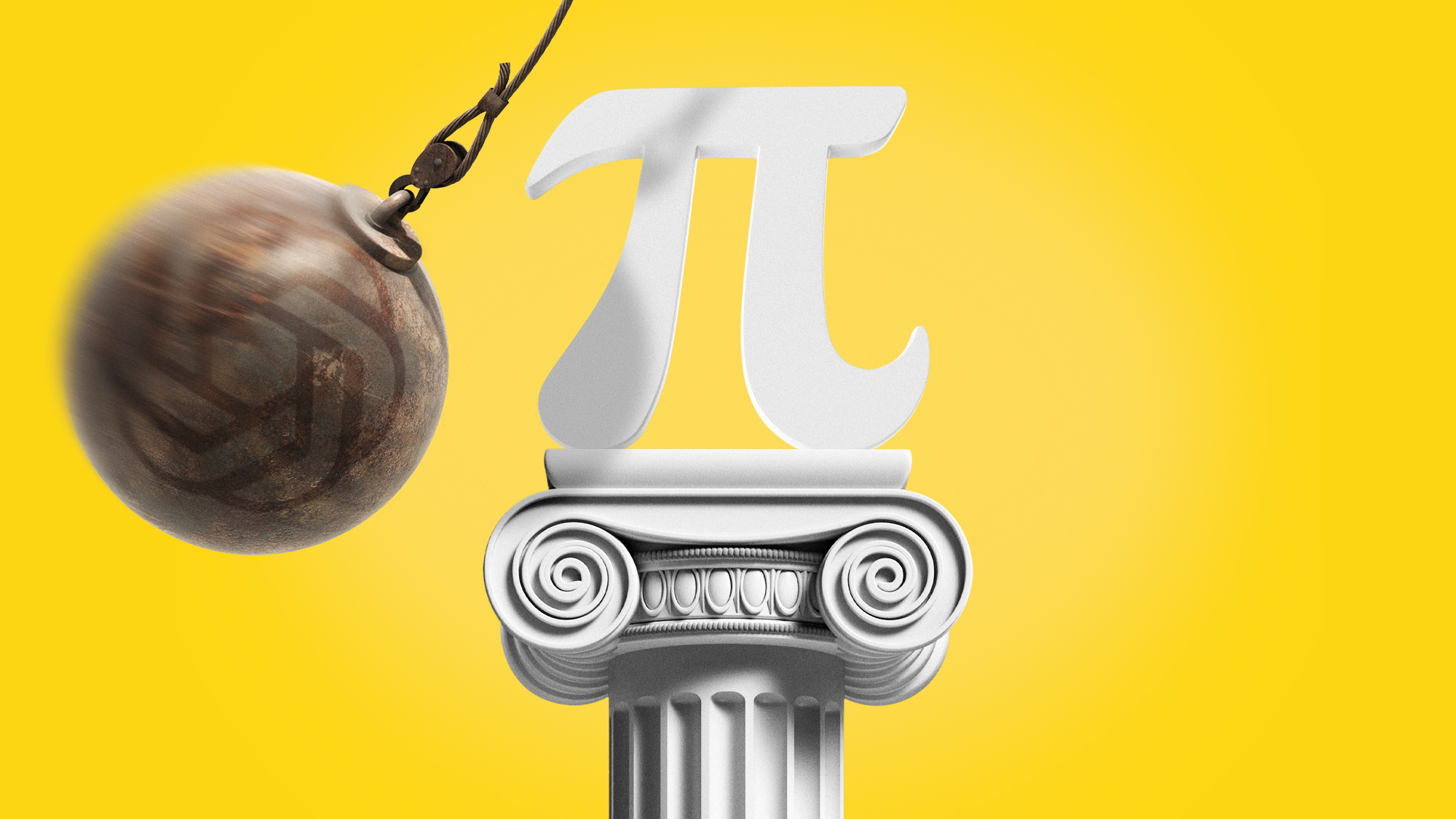
    Mathpocalypse now: has AI made maths pointless?

    Tuesday “may go down as one of the most consequential days in the history of mathematics”, said The Economist. Less than a month after claiming to have solved the long-standing Navier-Stokes problem, OpenAI released 722 papers proving or disproving maths problems spanning from algebraic geometry to number theory. The company said it had consulted with mathematicians about publishing the results, but the announcement, dubbed “mathspocalypse”, has left many questioning the future of their field of study – and whether there will be any human-led maths in the future.

    What did the commentators say?
    “If you want some sense of what things feel like now in maths, imagine a hunter-gatherer who’s spent his entire life learning to survive deep in an unforgiving rainforest,” Scott Aaronson, chair of computer science at the University of Texas at Austin, told Sky News. And “then a giant resort hotel springs up right next to him with a helipad and heated pools and Airbnbs”.

    This is “heartbreaking” for our community, said Quanta Magazine’s maths editor Jordana Cepelewicz. Maths problems are posed less because answers will be “practical and important” but rather because they “represent interesting journeys”. As we “struggle to solve a problem”, we might “come up with intriguing tools and connections”, stumble on new ideas, and “answer new questions”. AI models “just skip to the end”. Some researchers have stopped positing open conjectures to ensure they’re not “scraped by bots”. Others are publishing papers prematurely to avoid getting “scooped” by AI. The fear is that new blood will no longer be attracted to modern mathematics, resulting in a “whole lost generation”.

    “Releasing over 700 files at once is not a demonstration of scholarship, but a demonstration of power,” said the Association for Human Mathematics in a statement. “We urge mathematicians to discontinue their work with OpenAI and to return to a vision of science that centres human understanding.” But the “floodgates are open”, said Joseph Howlett in Scientific American. This is the “biggest maths breakthrough in two decades”. Yet the “consequences of this race are becoming harder and harder to predict”.

    What next?
    Verifying OpenAI’s claimed breakthroughs will take years. Many of the papers are more than 100 pages long, and only 127 were “accompanied by a code guaranteeing logical consistency (a norm in the field)”, said The Economist. Internal reasoning has been published for only 10. “For now, the mathematical problems AI is revealing are more existential than numerical.” 


    The Explainer

    The livestream execution of a former US Army major

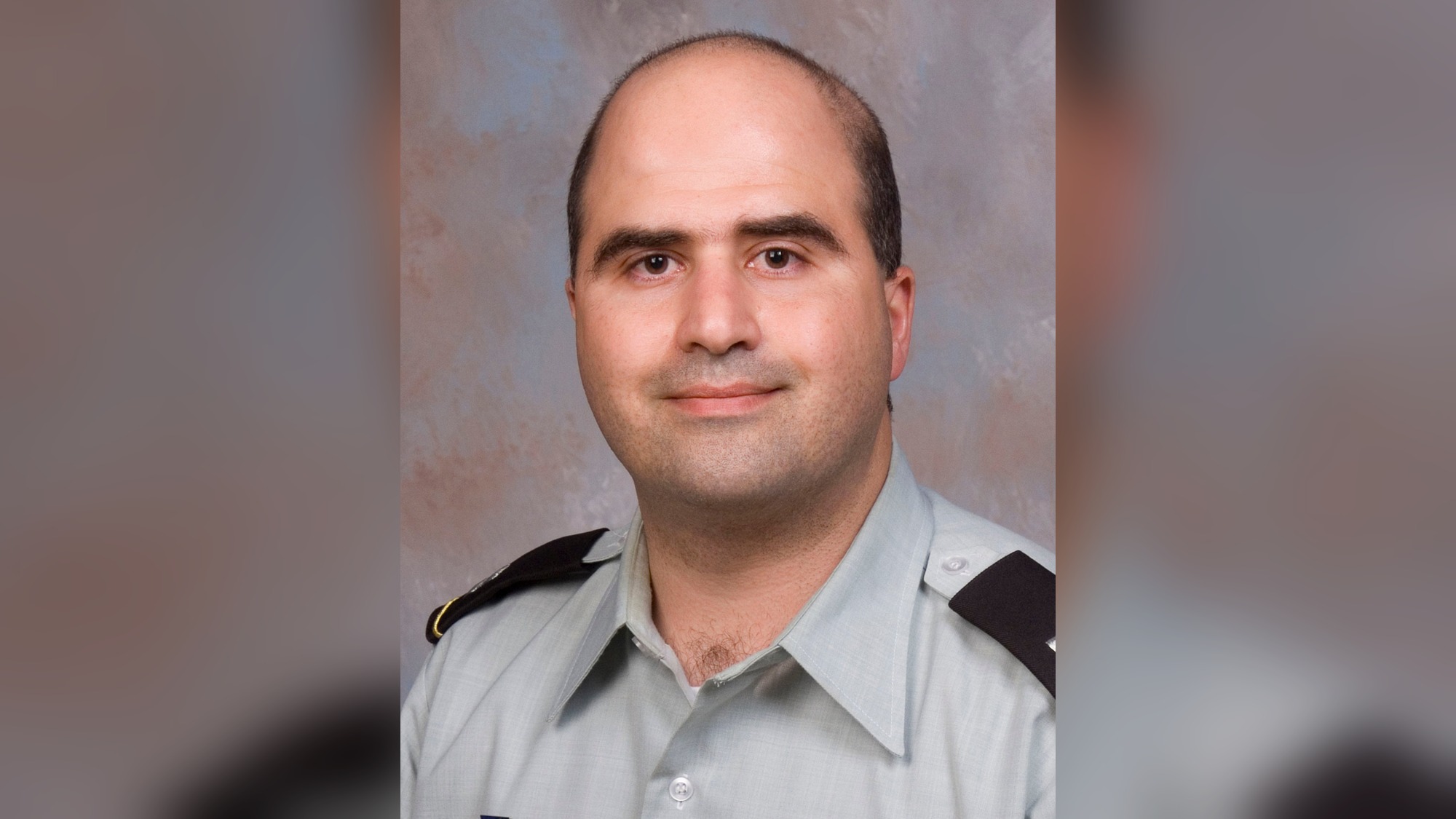
    A former US Army psychiatrist convicted of mass murder will be executed by firing squad, Defense Secretary Pete Hegseth announced yesterday, and “we’ll make sure that people are able to watch it”. The Pentagon said in a follow-up statement that the execution of Nidal Hasan (pictured above) would be livestreamed.  

    Who is Hasan?
    The former major, from Virginia, shot dead 13 unarmed soldiers at Fort Hood in Texas in November 2009, and injured a further 32. The shootings, in a medical building where soldiers were waiting for check-ups and vaccines, were the deadliest ever non-combat attack on an American military base.

    Representing himself in court, Hasan admitted his guilt and said he believed he was protecting Muslims and the Taliban in Afghanistan. He apologised for “any mistakes”, but was convicted of multiple counts of premeditated murder and attempted murder.

    Why is it being livestreamed?
    The US government is sending “a very clear message” of deterrence, said Sky News US correspondent David Blevins. People “need to understand that there are serious consequences for these types of things”, Hegseth told far-right podcaster Jack Posobiec yesterday.

    Livestreaming executions could also make the process “much more transparent”, Deborah Denno, a death penalty expert and law professor, told The Associated Press. That could be useful, she said, after Christa Pike’s botched execution by lethal injection in Tennessee raised fresh questions about capital punishment.

    What has the reaction been?
    Hegseth’s plan is “medieval” and “disgusting”, Democrat senator Chris Murphy told CNN. “Is he mimicking Isis executions?” It’s “beyond disgusting”, Republican senator Thom Tillis said on social media. “Public executions are what oppressive dictatorships like Iran and Afghanistan do.”

    Livestreaming an execution is “unprecedented” and “on uncertain legal terrain”, John Mills, a lawyer who works with inmates sentenced to death, told the BBC. The plan may face a legal challenge because US federal regulations forbid the “visual or audio recording” of an execution without a specific judicial order.


    Poll watch

    Almost nine in 10 (88%) school leaders believe Ofsted’s new inspection system has “negatively affected” their staff’s mental well-being, according to research for the schools watchdog. Of the 253 school leaders quizzed by IFF Research, 29% said mental well-being had been harmed “a lot”.


    Statistic of the day

    1,454: The number of Palestinians killed by Israeli attacks in Gaza since the US-brokered ceasefire was signed a year ago today, according to UK-based charity Islamic Relief. At least 320 of those killed were children, and more than 5,000 people have been wounded.


    In the Spotlight

    Why Lithuania is feeling vulnerable

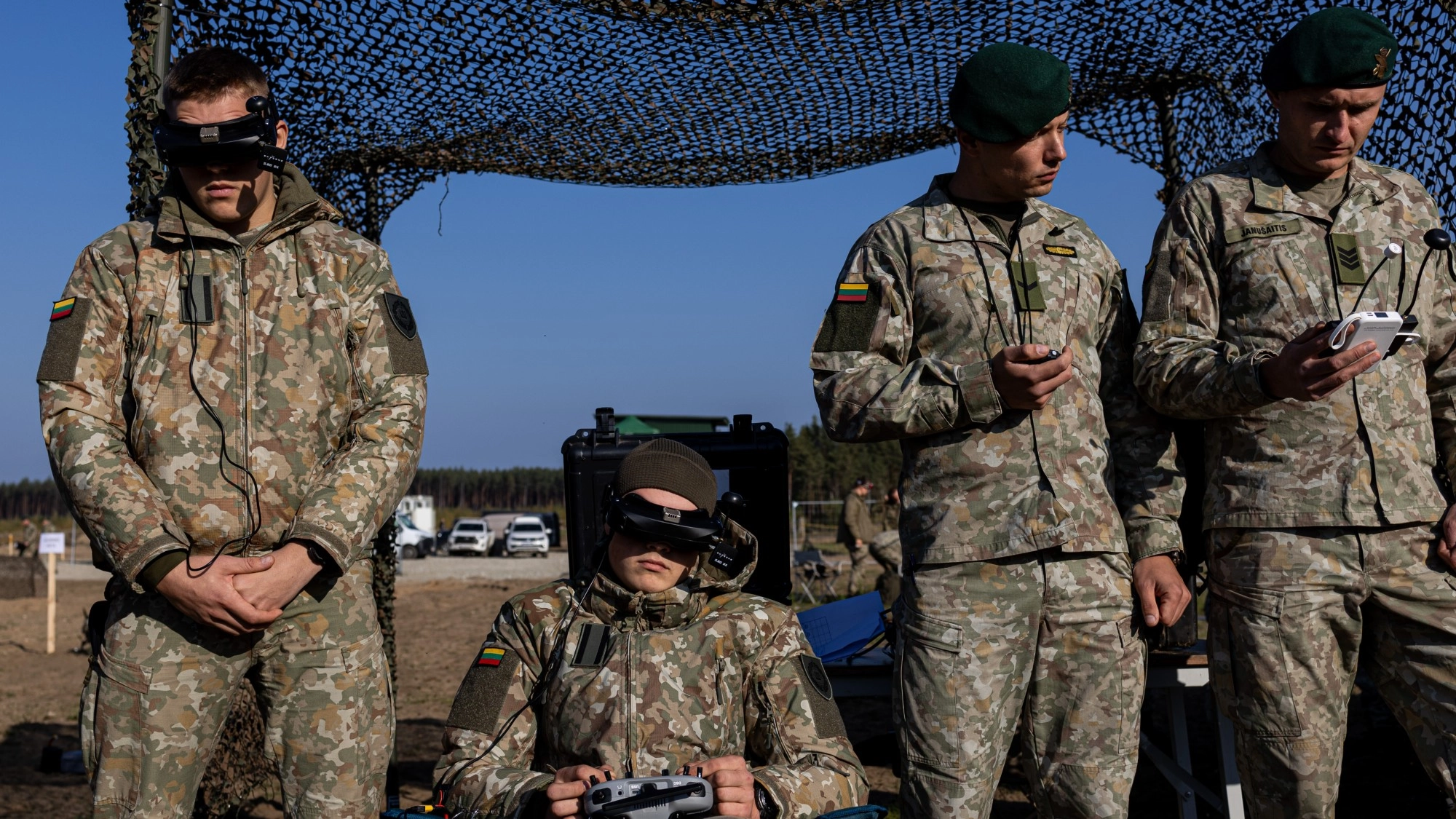
    The prime minister of Lithuania has called for a Nato plan to respond to Russia’s hybrid warfare. Mindaugas Sinkevičius spoke out after his country’s largest airport was forced to close due to a suspected drone attack, thought to have originated in Belarus. As such “incidents spread beyond Europe’s eastern flank”, said Politico, he warned that Moscow was prepared to test the alliance.

    Forced shelter
    Military drone incursions have become increasingly common across Europe since Russia’s full-scale invasion of Ukraine. A drone that violated Lithuanian airspace was shot down in September, following similar incidents in Latvia and Estonia. In May, residents in Vilnius were “forced to take shelter” across the capital after a drone alert was “triggered”, briefly grounding flights and rail travel, said the BBC.

    Lithuania, a “staunch supporter” of Ukraine, shares a large part of its southern and eastern border with Belarus, a “key Russian ally”. Sinkevičius warned this week that a Russian victory in Ukraine would probably push Moscow to look for “other directions”.

    Achilles’ heel
    A “tranquil corner” of Lithuania has become a “tinderbox that could help trigger World War III”, said The Sun. Former US Army general Ben Hodges has described the gap as “one of the most volatile points on the world map”. Spanning 40 miles as the crow flies, the Suwalki Gap is a corridor of land, running along the Polish-Lithuanian border, that connects the Russian exclave of Kaliningrad to Belarus.

    It has been called “the most dangerous place on Earth”, said Der Stern. The gap has long been viewed as the Achilles’ heel of Nato’s eastern defences, because Russia could seize it relatively easily by launching a pincer assault between Kaliningrad in the northwest and Belarus in the southeast. The creation of such a land bridge would effectively isolate the Baltic states of Lithuania, Latvia and Estonia, all of which are Nato members, from the EU.

    Lithuania has been “holding military drills and rehearsing wartime evacuation plans”, said The Sun. It allocated almost €5 billion (£4.2 billion) to defence this year – 5.38% of its GDP, “dwarfing the UK spend of just 2.6%”.


    Good day 💐

    … for horticulture, after an Instagram snap led to the discovery of a new species of giant waterlily. Carlos Magdalena, a researcher at the Royal Botanic Gardens, Kew, tracked down the huge plant in Colombia’s Inirida region after spotting it in a tourist’s rainforest selfies. Nature is “still full of surprises and wonder”, said  Magdalena, whose discovery is outlined in a newly published study in the journal Phytotaxa.


    Bad day🍾

    … for viticulture, after a masked gang stole €5 million worth of wine from Italy’s biggest family-owned winery. The theft of the 30,000 bottles from Marchesi Antinori’s storage facility in Tuscany is believed to be one of the largest wine thefts ever reported. 


    picture of the day

    Cause for celebration

    Students cheer a newly married couple near a blockaded school in Paris, as nationwide protests over teacher shortages and overcrowded classes escalate. Protesters are also celebrating their first win, after the government promised to deploy 3,000 extra teaching staff.

    Lou Benoist / AFP / Getty Images


    PUZZLES AND QUIZZES

    Quiz of The Week

    Have you been paying attention to The Week’s news? Try our weekly quiz, part of our puzzles section, which also includes sudoku and crosswords 

    Play here


    THE WEEK RECOMMENDS

    Properties of the week: inspiring Scottish rural retreats

    Sutherland: Creel Lodge, Golspie
    A striking contemporary house designed by the architect Lachie Stewart. The house is located in a spectacular setting on the banks of Loch Fleet. 4 beds, 4 baths, kitchen, 2 receps, study, garden, studio, garage/ boathouse/workshop. OIEO £750,000; Galbraith.

    Sutherland: Pollanaich, Nedd
    An eye-catching Highland country house with breathtaking views over Loch Nedd and the northwest Sutherland coastline. 4 beds, 3 baths, kitchen, 3 receps, garden, boathouse, parking. OIEO £575,000; Galbraith.

    Highlands: Ros-Mhor, Fearn
    A handsome modern house designed in the Scottish vernacular style occupying a dramatic clifftop setting with views to the Moray coastline. 5 beds, 5 baths, kitchen, 4 receps, garden, parking. OIEO £695,000; Galbraith.

    Isle of Skye: Carters Rest, Glendale
    Delightful coastal property with views across Loch Pooltiel and the Little Minch towards the Isle of Harris. 4 beds (3 en suite), family bath, kitchen, 2 receps, self-contained 1-bed annexe, garden, sauna, parking. OIEO £550,000; Savills.

    See more


    QUOTE OF THE DAY

    “My message to her would be: ‘If you see a Norwegian number calling, please pick up.’”

    Norwegian Nobel Committee chair Jørgen Watne Frydnes sends a plea to 2026 Peace Prize winner Navi Pillay, after failing to get hold of her before the announcement. Former UN human rights chief Pillay later joked that “being a lawyer and a judge, I still want to verify this thing”.


    instant opinion

    Today’s best commentary

    Why Trump and Iran may now be waiting out the midterms
    Stephen Collinson on CNN
    Iran has succeeded in using US elections “to inflict political pain on” Donald Trump, writes Stephen Collinson. His pledge not to attack Iran before the midterms is an “admission of the damage being inflicted on Republican hopes” by a war that is “hounding family budgets”. Decoupling the elections from the conflict is an attempt “to reduce Tehran’s leverage”, but the real question is “whether Iran’s capacity to endure war-inflicted pain can outlast Trump’s capacity to bear the political fallout”.

    Andrew’s victory is another painful embarrassment for the King
    Jennie Bond in The i Paper
    “Andrew Mountbatten Windsor has successfully lobbed a custard pie in the face of the police,” writes former BBC royal correspondent Jennie Bond. His lawyers managed to “pick a hole” in the search warrants issued at his arrest, which have been declared unlawful. Andrew, who denies wrongdoing, is reportedly “buoyant”, but for the King, it’s “yet another unwelcome onslaught of negative publicity about a member of his family”. And he’s clearly “hopping mad that his brother would brazenly challenge His Majesty’s judicial system”.

    Bosnia’s political future looks increasingly like its past
    Fuad Kovačević on Al Jazeera
    Last week’s elections in Bosnia and Herzegovina resulted in “the decisive victory of parties organised largely along ethnic lines”, writes Balkans expert Fuad Kovačević. This once war-torn country faces a grim future. Three decades after the armed conflict ceased, “deeply divided” and “power-hungry” nationalists are ignoring “overt assaults” on Bosnia’s “territorial integrity” from “rapidly arming” Serbia and Croatia. The “EU does not seem to know what to do”, and the US is “gradually stepping back from its unwritten role as Bosnia’s protector”.


    word of the day

    Gromit

    Animated dog and sidekick to Wallace. The claymation canine has been on-screen for 37 years yet has never spoken, but now he’s finding his voice – “and it turns out he sounds like a hobbit”, said The Guardian. Martin Freeman, who played Bilbo Baggins in the Lord of the Rings prequel, voices Gromit in the audiobook of “Grand: The Autobiography of Gromit”, out later this month.


     Evening Review was written and edited by Harriet Marsden, Jamie Timson, Rebecca Messina, Will Barker, Chas Newkey-Burden, Irenie Forshaw, Natalie Holmes and Kari Wilkin, with illustrations by Stephen P. Kelly

    Image credits, from top: illustration by Stephen P. Kelly / Shutterstock / Getty Images; US Government Uniformed Services University of the Health Sciences / Getty Images; Paulius Peleckis / Getty Images; Lou Benoist / AFP / Getty Images; Galbraith; Galbraith; Savills; Knight Frank
     

    Recent editions

    • Morning Report

      Labour’s by-election victory heaps pressure on Polanski

    • Evening Review

      Why has Saudi Arabia triggered the Mecca pact?

    • Morning Report

      Israel to close UK consulate over West Bank sanctions

    VIEW ALL
    TheWeek
    • About Us
    • Contact Future's experts
    • Terms and Conditions
    • Privacy Policy
    • Cookie Policy
    • Advertise With Us
    • FAQ
    Add as a preferred source on Google Add as a preferred source on Google

    The Week UK is part of Future plc, an international media group and leading digital publisher. Visit our corporate site.

    © Future Publishing Limited Quay House, The Ambury, Bath BA1 1UA. All rights reserved. England and Wales company registration number 2008885.