The Week UK
flag of US
US
flag of UK
UK
https://cdn.mos.cms.futurecdn.net/flexiimages/jzblygzdxr1769609154.gif

SUBSCRIBE

Start your trial today

Sign in
  • View Profile
  • Sign out
  • The Explainer
  • Talking Points
  • The Week Recommends
  • Podcasts
  • Newsletters
  • From the Magazine
  • The Week Junior
  • More
    • Politics
    • World News
    • Business
    • Health
    • Science
    • Food & Drink
    • Travel
    • Culture
    • History
    • Personal Finance
    • Puzzles
    • Photos
    • The Blend
    • All Categories
  • Newsletter sign up Newsletter
  • The Week Evening Review
    French protests, Burnham’s bugbears, and ‘mind-reading’ technology

     
    TODAY’S BIG QUESTION

    What do fiery protests mean for French election?

    Emmanuel Macron called for national unity in a televised address last night, following a weekend of protests across France that saw widespread violence, destruction and looting.

    “The French passion for protest is legendary,” said the BBC’s Europe editor Katya Adler. But six months out from an “already fraught” election, these demonstrations are becoming highly politicised. The hard-left, under presidential hopeful Jean-Luc Mélenchon, has been accused of “weaponising student frustration”, while far-right leader Marine Le Pen is pitching herself as the only candidate who can take control of France.

    What did the commentators say?
    Prime Minister Sébastien Lecornu has accused Mélenchon’s La France Insoumise party of “instrumentalising the high school movement for their electoral advantage”. Mélenchon is a veteran politician who “appeals to young people and heads an insurgent party built on grass-roots protest”, said Mark Landler in The New York Times, so the student-led demonstrations that have swept the country are “a golden opportunity” for him. But images of riot police, tear gas and streets in flames also carry “acute risks for a politician seeking mainstream acceptance”.

    By contrast, those images have been an “early Christmas present” for Le Pen, said social historian Peter McPhee on The Conversation. The far-right presidential hopeful has promised to “reimpose discipline in schools, increase funding for police” and deport illegal migrants, whom she has accused of instigating the violence. But a far-right gain is not a given, University of Edinburgh history professor Emile Chabal told Al Jazeera: “fear of disorder” has historically benefited mainstream conservative or centrist parties in France.

    What next?
    With six months left in office and unable to run for a third term, Macron is head of a “lame duck government”, said Alistair Bunkall on Sky News. Now his authority seems to be “ebbing away” even more. Amid the spreading violence, “red warning signs” are flashing for France’s economy, and “a failure by the minority French government to secure a budget deal would be the next big tipping point”.


    the explainer

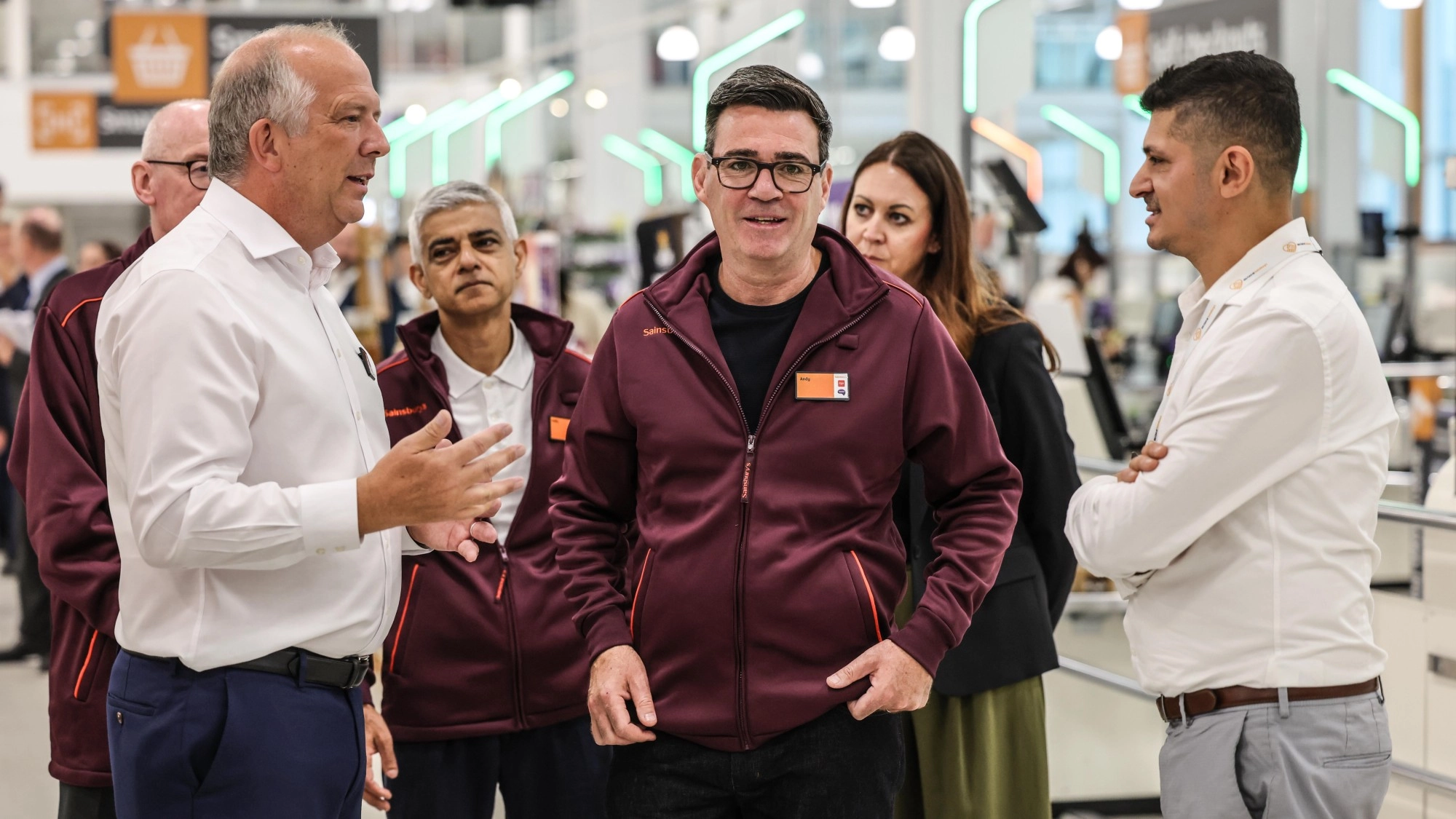
    Andy Burnham’s ‘everyday fixes’ blitz

    There are “things that can be done, big and small”, to ease the cost of living, Andy Burnham declared in his first cabinet meeting back in July. Now, the government is set to announce more “everyday fixes” to show that it can “rectify some of life’s little nuisances without needing to bust the budget”, said Politico. The prime minister is “lining up” a series of “feel-good announcements”, including today’s “crackdown on public transport ‘headphone dodgers’”.

    What has the government already announced?
    Burnham has been busy making minor policy tweaks since coming to power. In July, he removed VAT from electricity bills and capped single bus fares across England. He has also announced restrictions on high-street vape and betting shops, brought forward a ban on auto-renewed subscriptions, and is introducing price displays for fuel on Google Maps. New rules have been introduced for air travel, including the ability to fix name errors on bookings for free and to get a seat for children aged under 14 next to an accompanying adult without an additional charge.

    Today, under a new “share the carriage, not the noise” campaign, the government announced that councils will be able to issue £100 fixed penalties to bus passengers if they play loud music, litter or vape while travelling. “Headphone dodgers” who refuse to turn down the volume on trains face penalties of up to £1,000.

    Will the measures be effective?
    With nine days until the Budget, the PM wants to “assure weary voters that the government has their backs” without making “too much of a dent in the chancellor’s spreadsheet”, said Politico. This Budget will already be “difficult”, said The Guardian. Inflation and soaring borrowing costs, exacerbated by the Iran war among other factors, have “blown a £12 billion hole in the public finances”, which could force John Healey to consider tax rises and spending cuts “to fund plans to ease the cost of living”.

    Some government special advisers have “admitted they had some qualms about the drumbeat of small interventions”, according to The Guardian. “We risk looking twee,” said an unnamed source. The smaller fixes “might not, on their own, amount to very much”, said the paper, but Downing Street hopes that added together they can “make a difference and show the government is trying”.


    QUOTE OF THE DAY

    “We have welcomed literally EVERY attempt by our partners to bring this war to a dignified end.”

    Volodymyr Zelenskyy responds to Donald Trump’s claim that the Ukrainian president “doesn’t want the war to end”. Ukraine “never wanted this war”, Zelenskyy said on social media after overnight Russian strikes on energy facilities left at least 550,000 homes without power.


    Poll watch

    Seven in 10 Brits are against expanding TV licence requirements to cover streaming platforms such as Netflix and YouTube, according to a YouGov poll of 5,677 adults. A government White Paper exploring a “range of options” to ensure the BBC’s financial sustainability will reportedly include the proposal.


    IN THE SPOTLIGHT

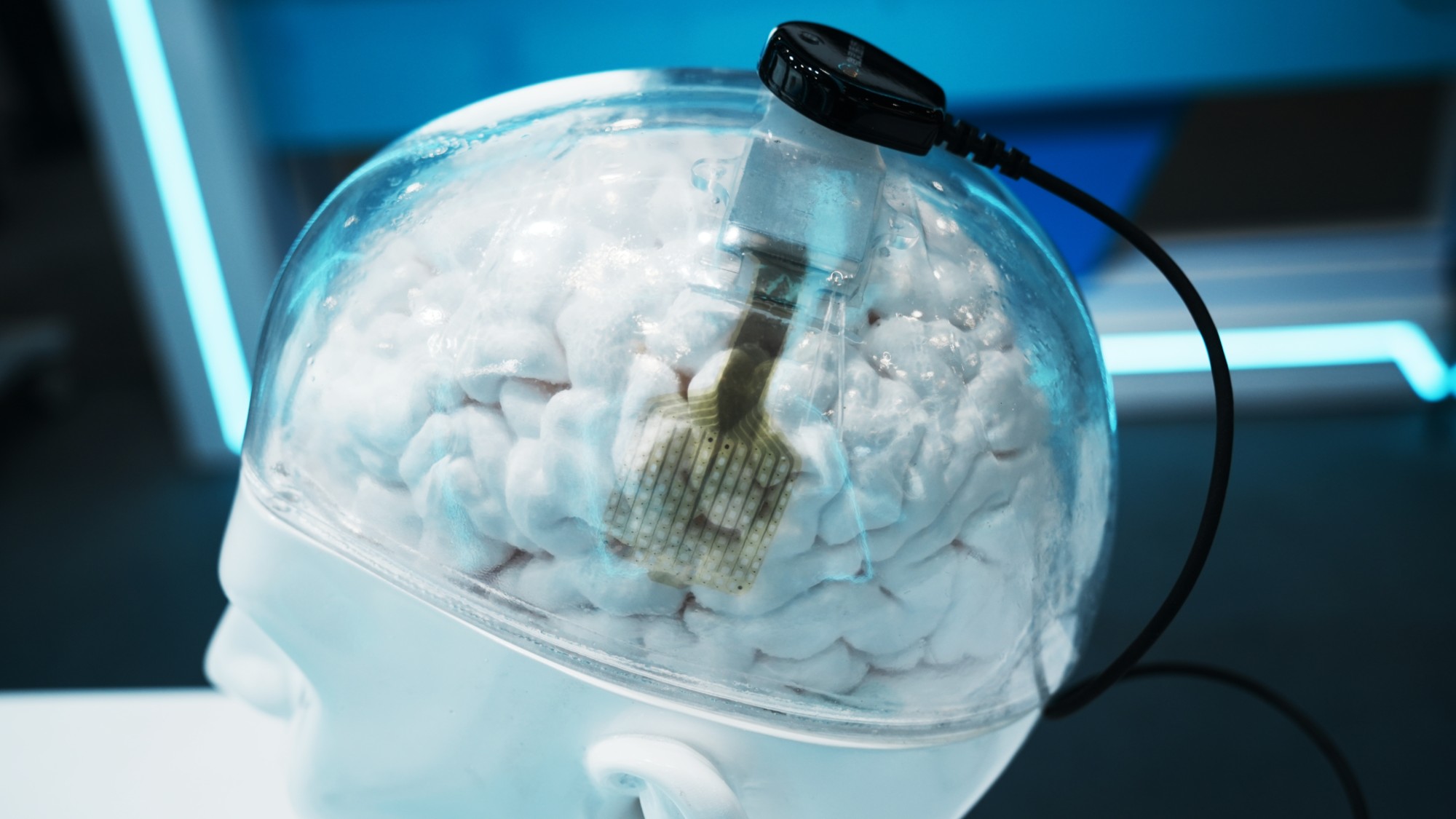
    Why the UN is warning about ‘mind-reading’ technology

    A new UN report is sounding the alarm about another potential risk in our constantly evolving world: technology that could allow governments to “read minds” via brainwave interfaces.

    ‘Human rights abuses’
    The UN believes that the field of “neurotechnology” is advancing so quickly that “governments’ ability to access and manipulate people’s brains could one day pose a threat to fundamental human rights”, said The New York Times. The organisation has expressed concern before about the potential for “mind-reading” technology. In 2022, Unesco – the UN arm responsible for education, science and culture – published a report on the ethical issues of neurotechnology. Unlike “many other frontier technologies, neurotechnology can directly access, manipulate and emulate the structure of the brain, which is central to notions of human identity, freedom of thought, autonomy, privacy and well-being”, said the Unesco report.

    The UN is especially concerned about military applications of neurotechnology. Of particular worry are “brain-computer interfaces, which translate brain activity into commands that can control devices such as computers or robotic prosthetic limbs”, said Politico. The UN fears that if a “brain-computer interface is used inappropriately by the military, it could lead to human rights abuses”.

    Safeguarding recommendations
    Neurotechnology “raises profound human rights challenges when applied to the administration of justice”, UN Secretary-General António Guterres said in the new report, and its “expansion beyond clinical settings into investigative, judicial and correctional contexts introduces significant risks”.

    The UN is proposing some solutions to safeguard advancing neurotechnologies. Those include “establishing regulations consistent with international law, recognising thoughts as ‘highly sensitive personal data’ and requiring explicit consent for the use of neurotechnology in criminal justice settings”, said The New York Times. The report also gives “states an opportunity to establish clear rules to regulate the use of neurotechnology, based on human rights”, a UN Human Rights Office spokesperson told the newspaper. This should be accomplished before the technologies “become routine in investigations, courts and prisons”.


    Good day 📺

    … for “The Simpsons”, after fan-favourite Apu finally spoke following almost nine years of silence. The Indian shop owner had made only background appearances since voice actor Hank Azaria quit the role amid concerns over stereotyping, but Sunday night’s show saw Apu taking centre stage again, voiced by Indian-American actor Sunil Malhotra.


    Bad day 🚔

    … for being older and wiser, as an analysis of data from 30 police forces reveals that at least 33,265 people aged over 65 were arrested for violent crimes in England and Wales last year – up by 12% from 2024. Experts from Cardiff University’s Violence Research Group said increasing alcohol consumption among older people could be a factor.


    PICTURE OF THE DAY

    Receiving line

    Members of the Danish army’s Royal Life Guards regiment stand to attention at Copenhagen Airport as they wait for Vietnam’s President To Lam and First Lady Ngo Phuong Ly to disembark from their plane to begin a three-day state visit.

    Liselotte Sabroe / Ritzau Scanpix / AFP / Getty Images


    Puzzles

    Chain Word

    Try The Week’s daily word challenge in our puzzles and quizzes section, which also includes sudoku and Guess the Number

    Play here


    THE WEEK RECOMMENDS

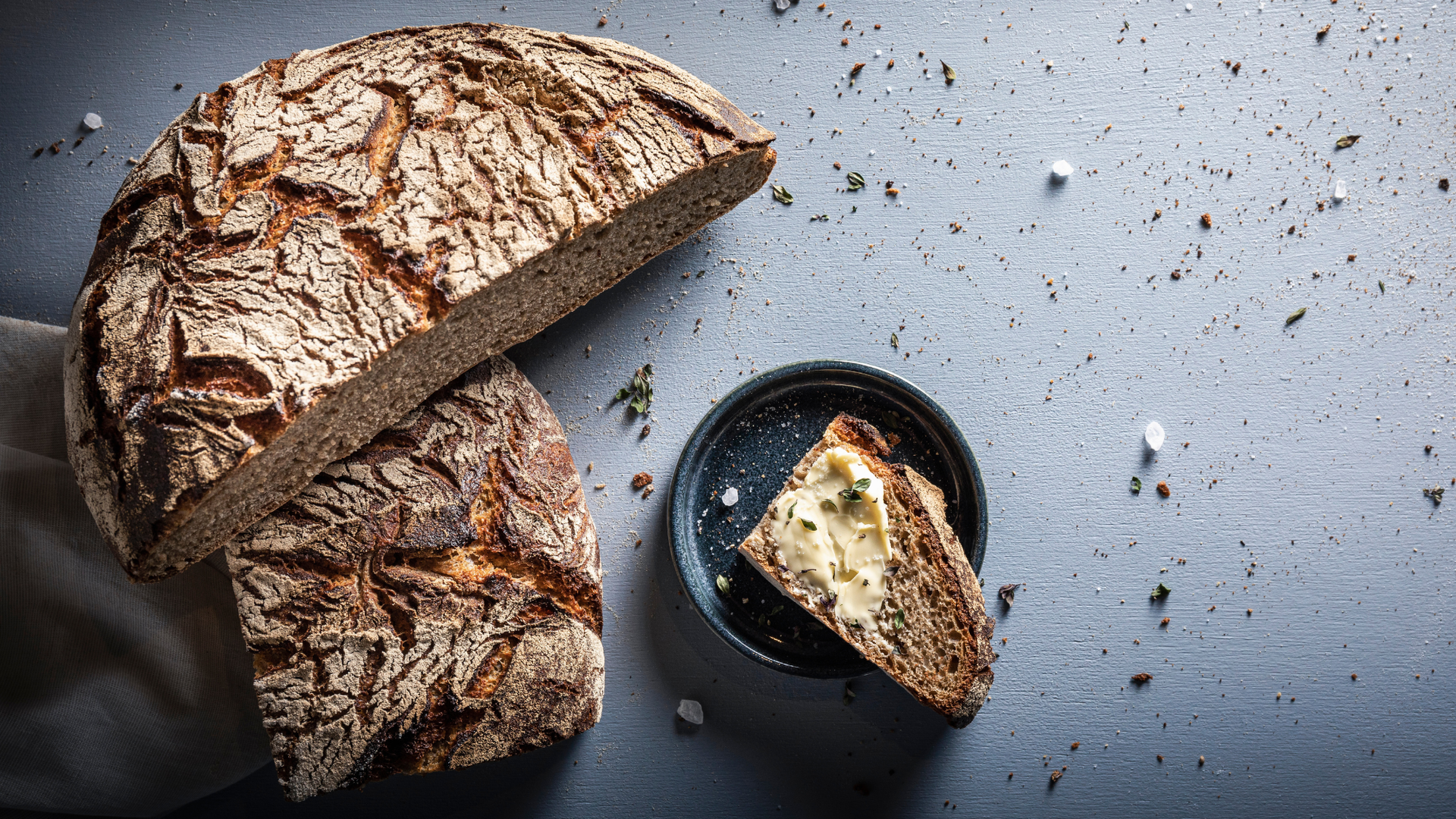
    Rich, creamy butters to elevate your morning toast

    “Remember when butter was considered bad?” said Morwenna Ferrier in The Guardian. Thankfully, the golden spread is enjoying a “cultural rehabilitation”, perhaps because it’s become “tangled up with the anti-ultra-processed-food movement” – unlike margarine, butter is seen as a “pre-industrial, farm-adjacent product”. And in our “little treat” economy, splashing out on a slab of high-end butter feels “more manageable” than buying a “decent bottle of wine”.

    It’s increasingly “rare to find a block of butter” for under £2, said Emma Henderson in The Independent, and as prices continue to climb, it’s worth knowing which brands are “worth their salt”. Sainsbury’s Taste the Difference West Country Farmhouse butter is one that “I just kept going back to”. Made in Somerset using a slower churning process, it’s a “very bright yellow” and has a “great level of salty flavour” thanks to the addition of Maldon sea salt.

    I’ll “never tire” of President Slightly Salted butter, said Sophie Morris in The i Paper. Perfect for slathering on your morning toast, this Normandy butter always looks “chic next to its frumpier, yellower, British cousins”, and “it tastes as if the cows have dined on wildflower meadows”. Kerrygold is another winner. Made from the milk of grass-fed cows in Ireland, it’s a “rich and creamy treat” that’s ideal for cutting into thick slices to top “hot crumpets, teacakes and hot cross buns”.


    Statistic of the day

    £147.4 million: How much HBO had spent on its forthcoming Harry Potter television adaptation by the end of last year, when shooting on the first series was only half complete, according to newly published accounts. The projected spend for filming the rest puts the show on track to cost more than any of the eight films about the boy wizard.


    instant opinion

    Today’s best commentary

    In America, I found a country pulling away from Trump in horror
    Ian Birrell in The i Paper
    “Diehard Republicans, devoted Democrats” and “dithering independents” alike think US politics has “grown too extreme” and “too focused on issues driving divisions instead of the daily concerns of voters”, writes Ian Birrell. Yet I detected “slivers of hope” during a recent visit. Many voters and “wiser politicians” want to “heal wounds and restore some semblance of unity”. They “don’t want to hate their neighbour” but rather to “pull back from the brink” on which their country teeters.

    We must eat more cheap, neglected foods
    Jane Shilling in The Telegraph
    Prices are soaring, yet a quick scan of supermarket shelves reveals a “significant dwindling of foods that could once have been turned into cheap and delicious meals”, writes Jane Shilling. “Inquire for kidneys and you will be offered tinned kidney beans”, and it’s now “easier to find rabbit as snake food than for human consumption”. But “food needn’t be exotic or expensive to be adventurous and appetising”. The “simplest” ingredients can make “fine” fare, “if only we could find them in the shops”.

    Why have screens replaced socialising?
    John Burn-Murdoch in the Financial Times
    The past two decades “have been marked by two troubling declines: in deep social connection, and in reading”, writes John Burn-Murdoch. “Having friends over could be a 10/10 experience”, while “scrolling and streaming may only be a 6/10 by comparison but it’s a guaranteed 6: no risk, no effort”. Similarly, “getting lost in a great book is one of life’s great experiences”, but “it demands effort”. And nothing will change until we “fight temptation and put long-term gains above short-term pleasure”.


    word of the day

    Swing

    The sideways curve of a bowled cricket ball through the air, which is affected by its roughness or smoothness. A One-Day International rule change introduced last year that means only one ball is used for the final 16 overs has led to a “reverse swing renaissance”, as bowlers take advantage of these “scruffier” balls to confound batters, said the BBC.


    Evening Review was written and edited by Rebecca Messina, Jamie Timson, Elliott Goat, Will Barker, Justin Klawans, Chas Newkey-Burden, Irenie Forshaw, David Edwards, Erica Jones and Kari Wilkin, with illustrations from Stephen P. Kelly.

    Image credits, from top: illustration by Stephen P. Kelly / Getty Images; Richard Pohle / WPA Pool / Getty Images; CFOTO / Future Publishing / Getty Images; Liselotte Sabroe / Ritzau Scanpix / AFP / Getty Images; Westend 61 / Getty Images
     

    Recent editions

    • Morning Report

      Macron urges calm as protests grip France

    • Sunday Shortlist

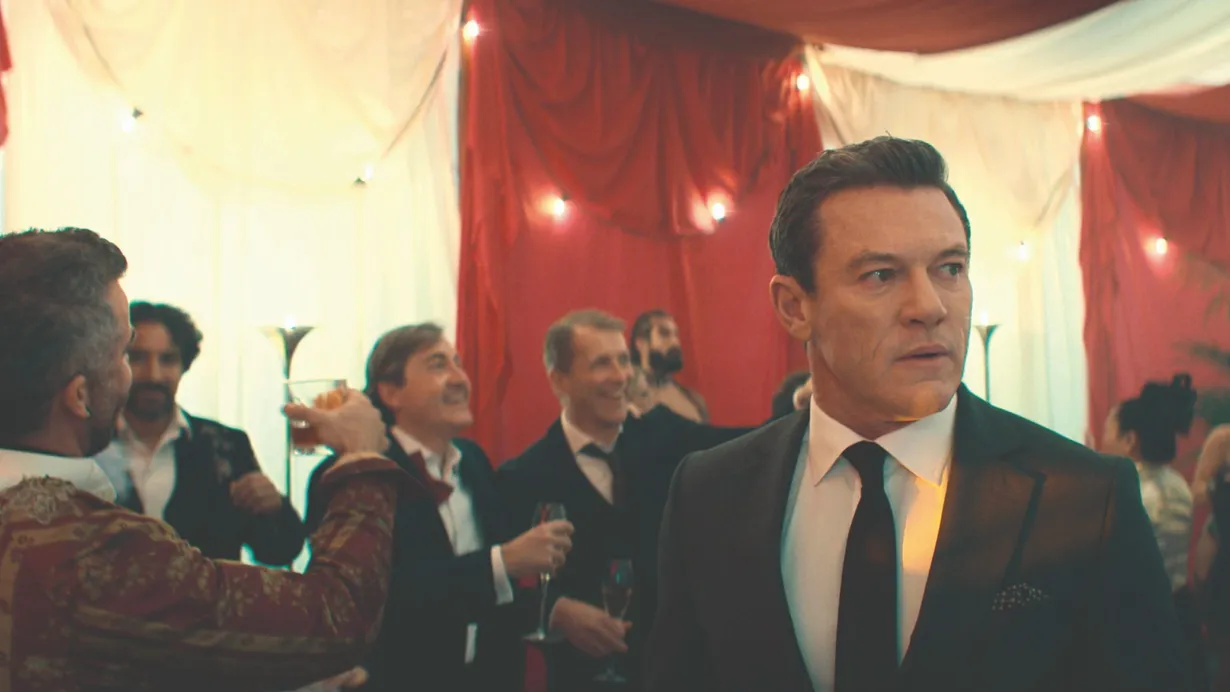
      Luke Evans stars in ‘juicy psychological thriller’

    • Saturday Wrap

      Could Netanyahu finally lose his grip on power?

    VIEW ALL
    TheWeek
    • About Us
    • Contact Future's experts
    • Terms and Conditions
    • Privacy Policy
    • Cookie Policy
    • Advertise With Us
    • FAQ
    Add as a preferred source on Google Add as a preferred source on Google

    The Week UK is part of Future plc, an international media group and leading digital publisher. Visit our corporate site.

    © Future Publishing Limited Quay House, The Ambury, Bath BA1 1UA. All rights reserved. England and Wales company registration number 2008885.