The Week UK
flag of US
US
flag of UK
UK
https://cdn.mos.cms.futurecdn.net/flexiimages/jzblygzdxr1769609154.gif

SUBSCRIBE

Start your trial today

Sign in
  • View Profile
  • Sign out
  • The Explainer
  • Talking Points
  • The Week Recommends
  • Podcasts
  • Newsletters
  • From the Magazine
  • The Week Junior
  • More
    • Politics
    • World News
    • Business
    • Health
    • Science
    • Food & Drink
    • Travel
    • Culture
    • History
    • Personal Finance
    • Puzzles
    • Photos
    • The Blend
    • All Categories
  • Newsletter sign up Newsletter
  • The Week Evening Review
    The pontiff’s future, the Jackdaw solution, and Covid’s impact on care homes

     
    IN THE SPOTLIGHT

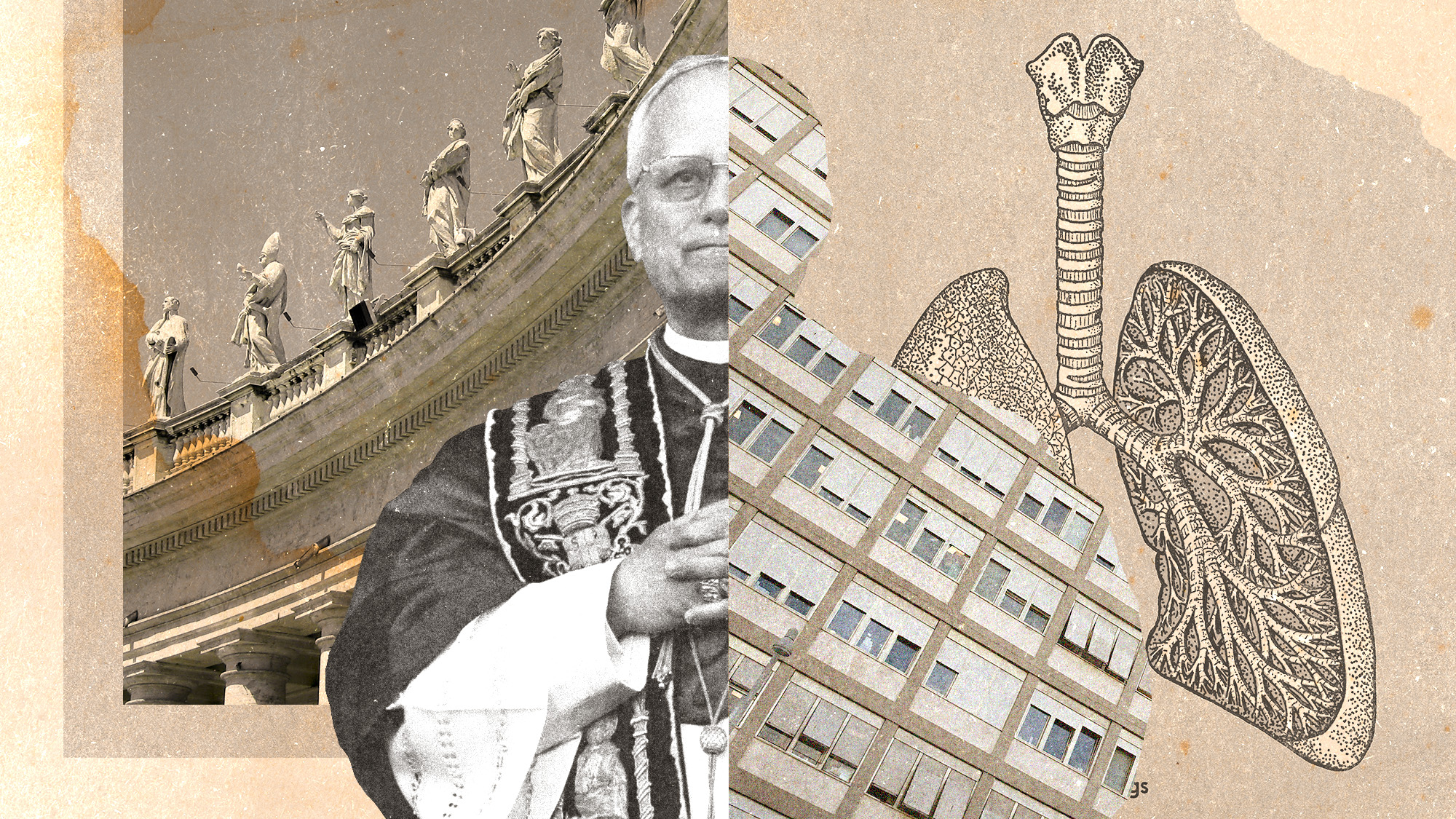
    Pope Leo’s cancer diagnosis and the future of his papacy

    Pope Leo became the youngest man to lead the Catholic church in 40 years when he was elected 18 months ago. The “view in the Vatican and among church leaders” was that the then 69-year-old “had a long papacy in front of him”, said CNN. But with his shock cancer diagnosis last week, “that assumption” is “being tested”.

    ‘Influential voice’  
    When Cardinal Robert Prevost emerged on the balcony of St Peter’s Basilica as Pope Leo XIV last year, he looked “energetic, spoke in a strong voice and had no known history of health issues”, said Reuters’ Vatican correspondent Joshua McElwee – a stark contrast to his predecessor Francis, who “had become increasingly frail” before his death at the age of 88. Now, “the world’s 1.4 billion Catholics are again unexpectedly facing the reality of a sick pope”.

    The first US-born pontiff has “emerged as an increasingly influential voice beyond the Church”, issuing warnings about AI and war. But the expectation of a dynamic papacy “with many foreign trips” as he takes a “leading moral role on the global stage” now seems less certain.

    Strength in fragility
    “Vatican watchers” say Leo’s diagnosis could “have other unintended effects – not all of them negative”, said The Associated Press. It could incentivise him “to accelerate his own agenda, which to date has been slow and deliberate”, and could also “galvanise support for him, bolstering his efforts to unify the fractured Catholic Church”.

    Past pontiffs have used their personal vulnerability to shape the Church’s agenda; most notably John Paul II, who narrowly escaped assassination early in his papacy, and then used his experience of Parkinson’s disease to model his theology of redemptive suffering. “Most significant” for Leo’s ministry is that this cancer diagnosis places him “squarely among the ‘fragile’ and ‘vulnerable’ who have emerged as a central focus of his pontificate”.

    “There’s something really beautiful in that even the most powerful person in the Church is broken,” theologian Natalia Imperatori-Lee told AP. “He’s been so, so eloquent on how our fragility is also a source of our strength.”


    TODAY’S BIG QUESTION

    Is Jackdaw the answer to UK’s energy woes?

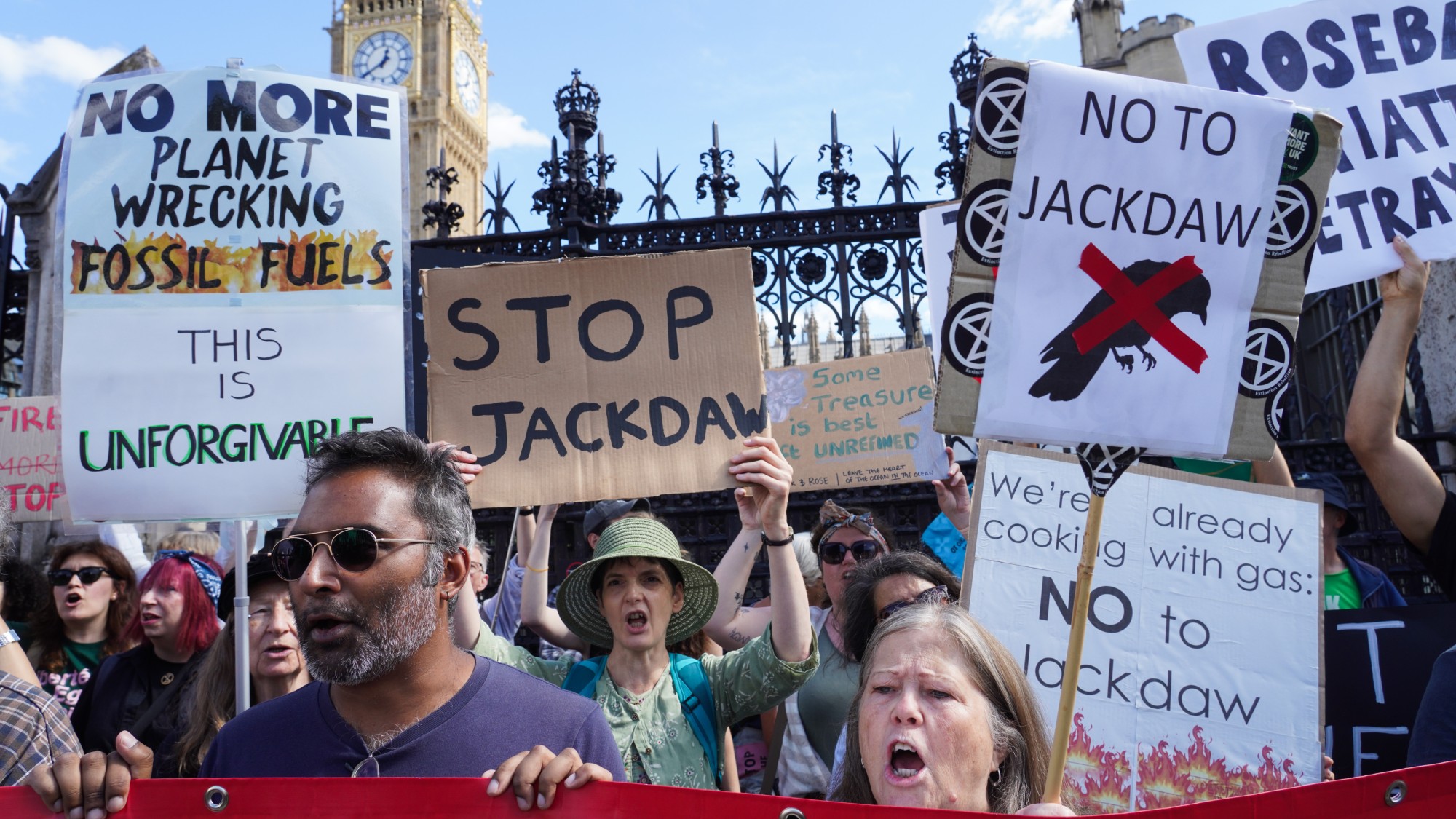
    The government has put energy security at the heart of today’s decision to approve drilling at the Jackdaw gas field in the North Sea. It’s “right” to look at “maximising the existing energy reserves we have in Britain”, while remaining committed to achieving net zero by 2050, Andy Burnham said.

    Jackdaw is scheduled to begin supplying gas to homes and businesses by the end of the month, although energy bills are not expected to drop this winter. Climate campaigners have condemned the drilling decision, which Green Party leader Zack Polanski called an act of “climate vandalism”.

    What did the commentators say?
    “Militant opposition to further drilling in the North Sea is a futile hill to die on at the best of times,” said The Telegraph’s world economy editor Ambrose Evans-Pritchard. To do so during a global energy crisis “borders on pathological stupidity”.

    But Greenpeace and the other NGOs that originally challenged drilling at Jackdaw estimate that the gas field “will provide just 2% of the UK’s gas over its lifespan, doing ‘next to nothing’ to reduce reliance on foreign gas imports”, said Hettie O’Brien in The Guardian. “Ultimately, approving more gas production at Jackdaw means the global supply of fossil fuels will increase.”

    Burnham appears to be “living in a parallel universe”, said Friends of the Earth campaigner Danny Gross in a statement: “one where we haven’t just endured our hottest summer on record, with droughts, wildfires and, in all likelihood, the most heat-related deaths on record”. Jackdaw will “fuel the climate chaos already unfurling in front of us”.

    What next?
    “Broadly speaking”, said the BBC’s political editor Chris Mason, Jackdaw has cross-party support, and the majority of Labour MPs are “comfortable with endorsing” it. The same can’t be said for drilling at Rosebank, a new oilfield 80 miles off the Shetland coast, which is still awaiting government approval.

    Jackdaw “was always going to be an easier sell than the far larger Rosebank, which would produce seven times the carbon emissions”, said O’Brien in The Guardian. Some environmental campaigners “regard the sole approval of Jackdaw as an acceptable compromise”.


    QUOTE OF THE DAY

    “I feel like I’m tap dancing through a minefield.”

    Elon Musk says he has to be “thoughtful” about answering questions on a potential SpaceX-Tesla merger, during an earnings call with investors and analysts. Combining the two trillion-dollar tech empires is a “good idea”, he said, but shareholders would “have to be supportive”. 


    Poll watch

    France’s first national poll results since riots broke out suggest voting intentions for next year’s presidential election remain unchanged. Far-right candidate Marine Le Pen is still the front runner, with 34% to 38% support based on different scenarios, according to the Ifop-Fiducial survey of 1,928 adults. The far-left’s Jean-Luc Mélenchon is second, on 15% to 20%. 


    THE EXPLAINER

    What we learned from Covid Inquiry report on social care

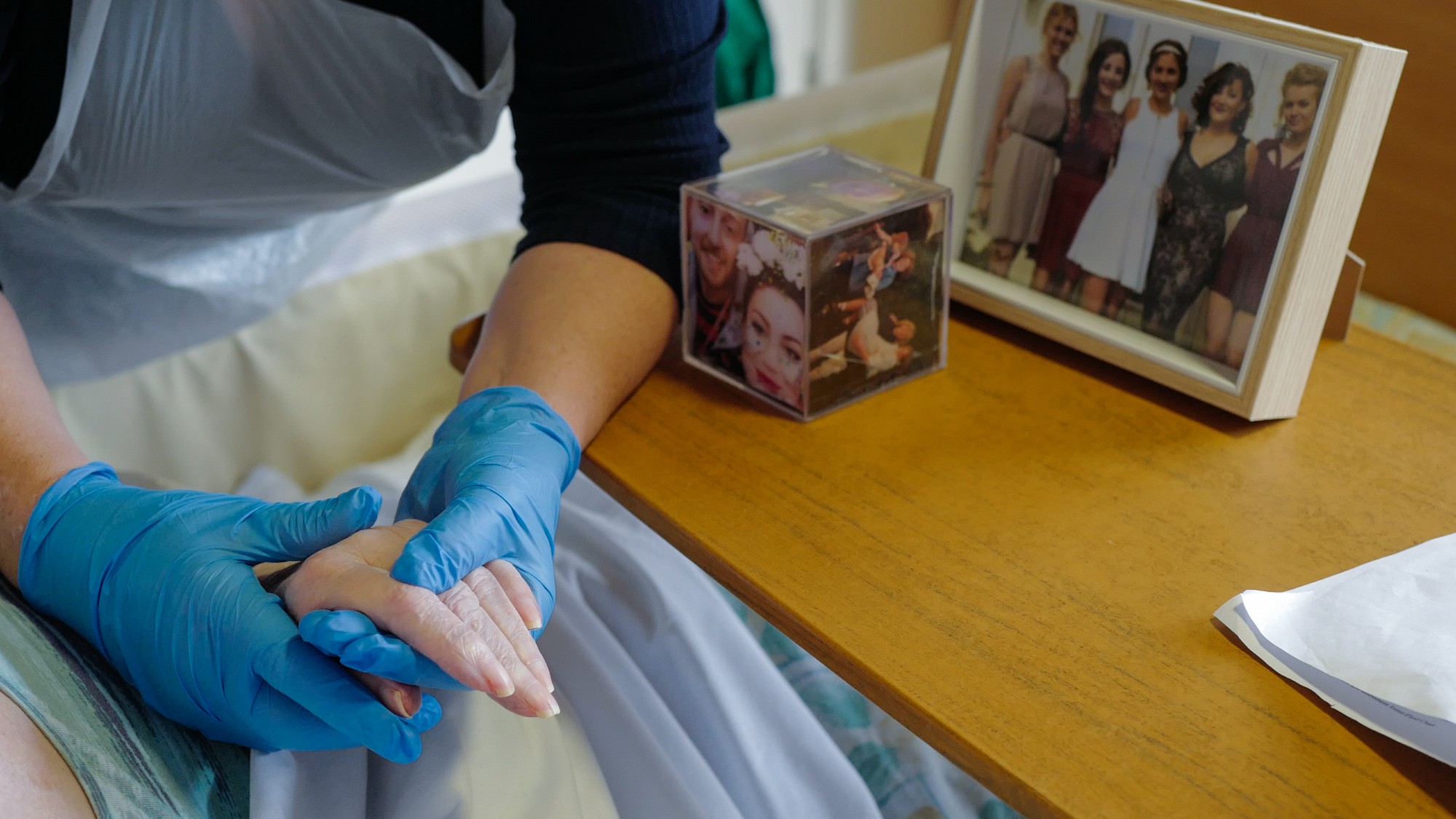
    Government failures allowed Covid to “spread like wildfire” through care homes during the pandemic, according to the latest report by the UK Covid-19 Inquiry. Chaired by Heather Hallett, the inquiry has focused on the “devastating” impact of the virus on adult social care in the UK. More than 43,000 deaths involving Covid were recorded in care homes between March 2020 and July 2022. A senior civil servant told the inquiry last year that it amounted to “generational slaughter”.

    Social care was an ‘afterthought’
    All four UK governments initially focused on protecting hospitals. Adult social care “appeared to be something of an afterthought”, said the report. The “mantra of ‘protecting the NHS’ sometimes came at the expense of the users and providers of care”.

    Hancock’s ‘protective ring’ was false
    Then-health secretary Matt Hancock said in 2020 that ministers had “tried to throw a protective ring” around care homes “right from the start” of the pandemic. That claim was “unfounded”, Hallett concluded. “Quite the opposite was true.” At the start of the pandemic, about 25,000 patients were discharged from hospitals into care homes – most without being tested for Covid – to “free up beds”, said Sky News. They and care home staff then received insufficient protection and guidance, “with devastating consequences”, said the report.

    Visiting restrictions caused harm
    Elderly residents’ suffering was found to have been “compounded by draconian visiting restrictions”, said The Times. These caused “incalculable harm”, the inquiry report said. People died “abandoned and alone”, without “the comfort or support of their loved ones”.

    ‘Unacceptable’ lack of PPE
    Difficulties in getting personal protective equipment were a key part of the inquiry. Although supply problems were a global issue, the report said, better planning would have helped. The lack of PPE for care home staff, as hospitals were prioritised, was “wholly unacceptable”.

    Social care already a ‘concern’
    A 2016 simulation exercise testing the UK’s response to a pandemic highlighted the social care sector as a “particular concern”, but its recommendations had “not been completed” when Covid hit, said the report. The subsequent scale of death and suffering witnessed by carers was “unlike anything they had seen before”.


    Good day ⛪

    … for solving ancient mysteries, as an archaeologist claims to have identified the occupant of a Roman sarcophagus discovered at Westminster Abbey in 1820. Based on abbey records, design details and carbon dating of the bones, Warwick Rodwell believes the remains are those of an 11th-century abbot called Ælfwig. 


    Bad day 🧮

    … for Chancellor John Healey, who has been hit by a double blow ahead of next week’s Budget. Latest official data shows that UK inflation has climbed to 3.5%, the highest rate in nearly a year, and government borrowing reached £24.5 billion last month, surpassing expectations. 


    PICTURE OF THE DAY

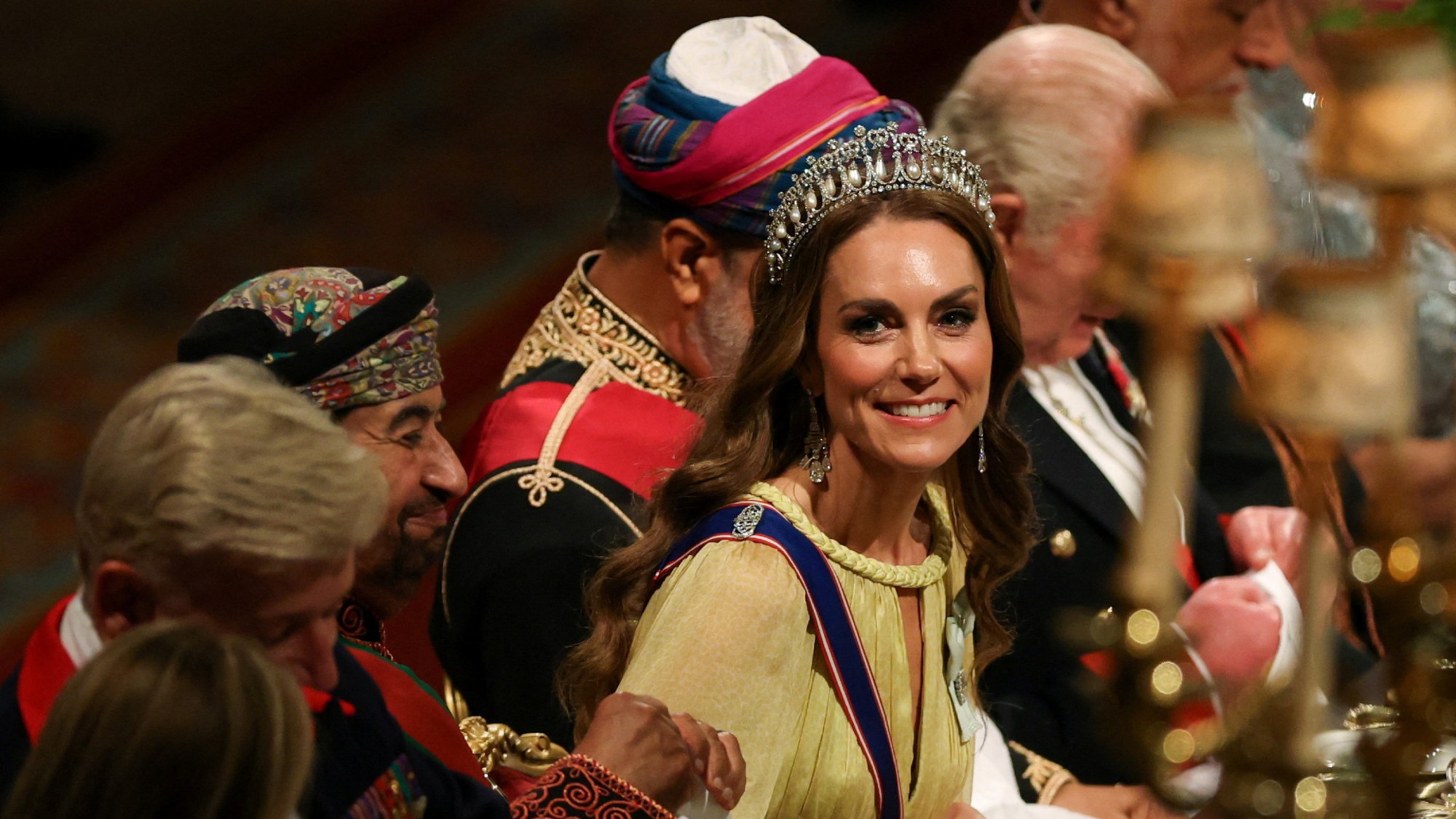
    Royal audience

    The Princess of Wales smiles beside Oman’s Sultan Haitham bin Tarik (to her left) and his entourage during a state banquet at Windsor Castle. Kicking off the first UK state visit by an Omani ruler in 44 years, King Charles praised Muscat’s peacemaking efforts in the Middle East.

    Isabel Infantes / WPA Pool / Getty Images


    Puzzles

    Chain Word

    Try The Week’s daily word challenge in our puzzles and quizzes section, which also includes sudoku and Guess the Number

    Play here


    THE WEEK RECOMMENDS

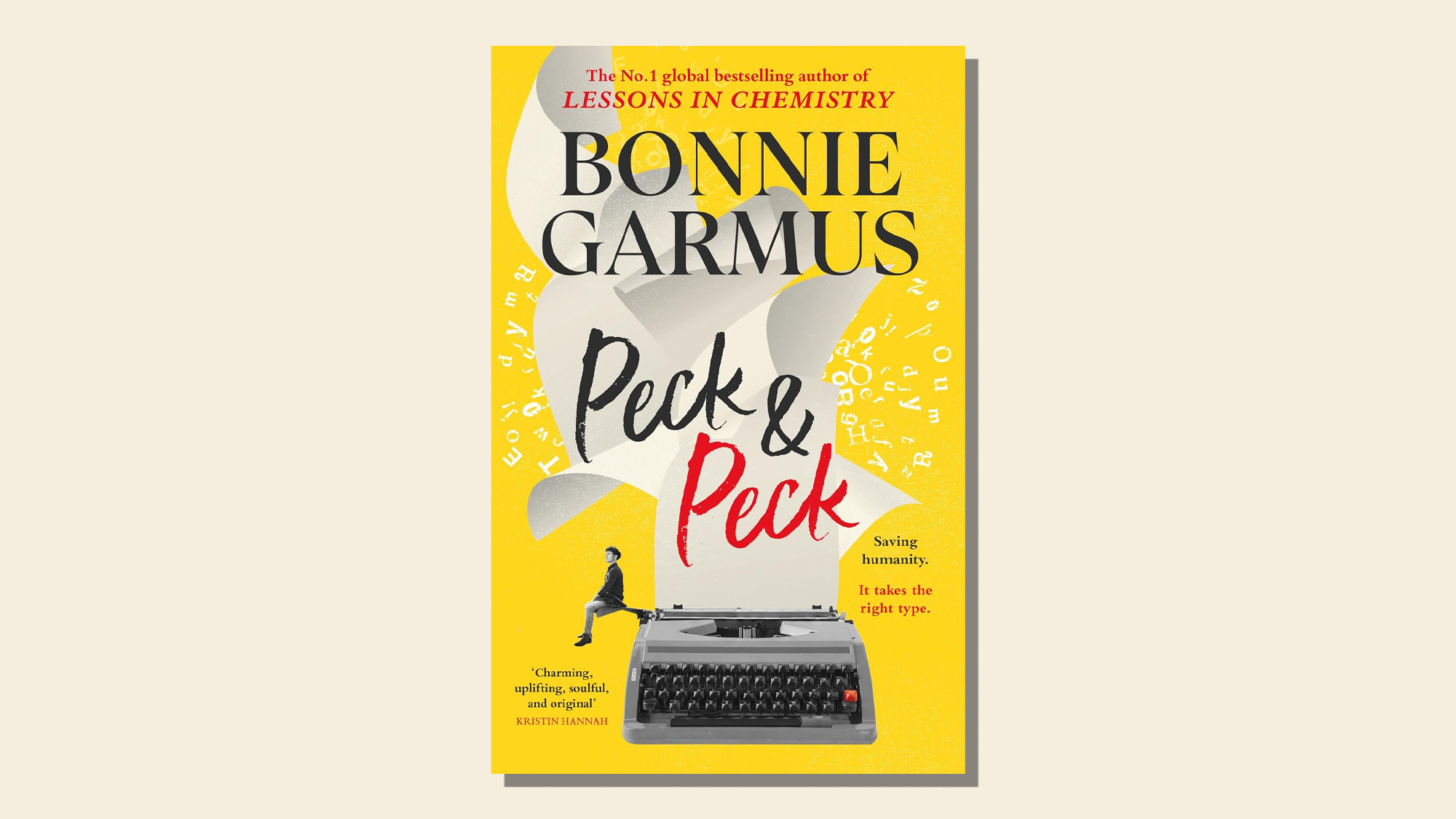
    Peck & Peck: a ‘rollicking good story’

    Bonnie Garmus “miraculously” managed to make science and feminism “fun” in her bestselling debut novel “Lessons in Chemistry”, said The Boston Globe. In her second book, she is “poised to do the same thing for even more esoteric loves: poetry, fonts and literary publishing”.

    “Peck & Peck” follows Batter Gray, a middle-class Californian boy with a “deep love” of poetry, much to his parents’ dismay. After graduating from college, he moves to New York to pursue his passion. “Like so many people coming of age in the city, he rents a terrible apartment, works three crummy jobs, and finally finds a girlfriend.”

    Gray seems “destined” to end up at Peck & Peck, the fictional “pricey poetry journal” at the centre of Garmus’ novel, though he’s the “copy guy”, working in the basement. Down there, “as is not uncommon in literary circles, he finds both mentors and nemeses” as he negotiates his way upwards. Along the way, we meet a “Ferris wheel of characters”, including his font designer mother and “chaotic tyrant” of a boss. They and the many plot twists all “snap together delightfully”, adding up to a “rollicking good story”.

    This is a “workplace comedy, a New York City coming-of-age story, and a giddy satire wrapped in a sometimes-ungainly bundle”, said Laura Miller on Slate. The book has an “almost Wodehousian giddiness,” but Garmus’ satire never comes across as “mean or bitter”. It may not reach the heights of “Lessons in Chemistry” but it is a “rare work of popular fiction that has prompted me to look up a William Carlos Williams poem, and I suspect I won’t be the only one on whom it has that particular, and very welcome, effect”.


    Statistic of the day

    1,780: How many times the RSPCA was called to a home with 10 or more cats in 2025, up by 65% from the previous year. The charity rescued about 20,000 cats last year, a total expected to be surpassed in 2026 as the number of strays and abandoned pets reaches unprecedented levels.


    instant opinion

    Today’s best commentary

    Burnham wants to crush Polanski. His plan has one big problem
    Mark Wallace in The i Paper
    The next election will be won by “the most effective anaconda”, writes former ConservativeHome editor Mark Wallace, as Labour and the Conservatives vie to “squeeze” insurgents on their flanks. Kemi Badenoch is now “full-throated in her rejection of Reform”, and Andy Burnham “is making progress in his push” to crush the Greens. So why is he promising electoral reform? “Currently, Labour is free” to reject the Greens’ “Zionism is racism” policy, but “switching to PR” would force his party to “swallow their principles” and strike coalition deals.

    What Katie Zacharia’s departure tells us about Trump’s women
    Eleanor Hutman in The New Statesman
    Katie Zacharia’s “week-long humiliation” as White House press secretary offers “insight into the role that women play” in Donald Trump’s “political world”, writes Eleanor Hutman. “He has consistently elevated” loyal Maga women with “Mar-a-Lago faces” to “positions of power where they become public punching bags, only to quickly move on, reinforcing the chauvinistic view that women are unfit to hold authority”. Their “discrediting is a spectacle through which female power itself is made to look ridiculous”.

    Marine Le Pen is ready to rise from France’s ashes
    Emma-Kate Symons in The Independent
    There’s “something medieval about” the recent violence in France, writes Emma-Kate Symons. It’s “Dark Ages mayhem for the smartphone age”, where organised unrest is filmed “and posted live on TikTok”. Images “seared on the nation’s collective conscience” of looters “scurrying away” with luxury goods “are an exquisite gift-wrapped present for Marine Le Pen”, whose far-right party has long campaigned on law and order. Leftists “celebrating the chaos” have miscalculated badly; the only revolution happening here “is a Le Pen presidency”.


    word of the day

    Tripsnacking

    A travel practice that “tides you over” between longer holidays, said Claudia Rowan at The Times. Tripsnacking is becoming “all the rage” as time-poor consumers increasingly opt for one-night international getaways “to scratch a city-break itch without interrupting the working week”. 


    Evening Review was written and edited by Hollie Clemence, Jamie Timson, Harriet Marsden, Chas Newkey-Burden, Will Barker, David Edwards, Helen Brown and Kari Wilkin, with illustrations from Julia Wytrazek.

    Image credits, from top: illustration by Julia Wytrazek / Getty Images; Kristian Buus / In Pictures / Getty Images; Hugh Hastings / Getty Images; Isabel Infantes / WPA Pool / Getty Images; Manilla Press
     

    Recent editions

    • Morning Report

      Two men re-arrested over RAF Fairford incident

    • Evening Review

      What should Ukraine do next?

    • Morning Report

      France resorts to curfews as unrest continues

    VIEW ALL
    TheWeek
    • About Us
    • Contact Future's experts
    • Terms and Conditions
    • Privacy Policy
    • Cookie Policy
    • Advertise With Us
    • FAQ
    Add as a preferred source on Google Add as a preferred source on Google

    The Week UK is part of Future plc, an international media group and leading digital publisher. Visit our corporate site.

    © Future Publishing Limited Quay House, The Ambury, Bath BA1 1UA. All rights reserved. England and Wales company registration number 2008885.