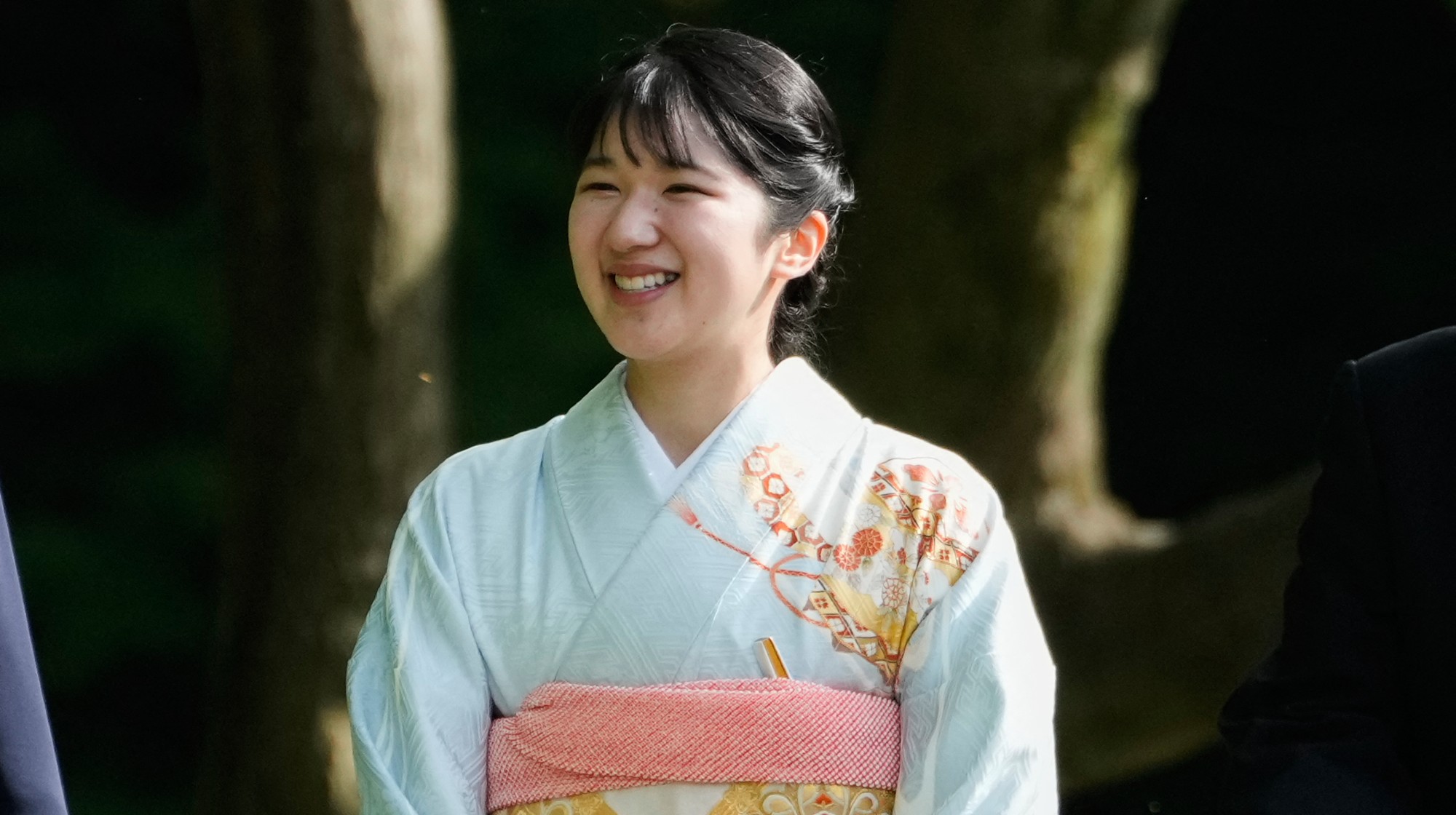
Japan stands torn between tradition and the future as Princess Aiko (pictured above) , the only child of Emperor Naruhito, finds herself at the centre of a growing movement to change the country’s patriarchal rules of royal succession.
Treated like a pop star by many in Japan, the 24-year-old princess’s rocketing popularity comes at a fraught time for the royal family and Japan’s traditionally patriarchal society.
After having “impressed with her maturity and clear sense of duty” during her first state visit to Laos last month, Aiko’s “huge popularity” domestically will only raise further questions about why she’s barred from taking on a “more prominent royal role going forward,” said Tatler. “Strict male-only succession laws”, established in 1947, mean that Prince Hisahito of Akishino, Aiko’s first cousin, is often “touted as the future of the Japanese royal family”.
Japan’s royal succession debate has gone on “for decades”, particularly after a 2005 government panel recommended that the crown be passed to the oldest child “regardless of their sex”, said The Japan Times. But while that recommendation “appeared to pave the way” for Aiko’s rise, the birth of Hisahito the following year “silenced the debate”.
Following the arrival of a young, male heir, Japanese politicians are “kicking the can down the road” on changing the rules, Kenneth Ruoff, the director of Portland State University’s Center for Japanese Studies, told The Japan Times. Hisahito is “likely to become emperor one day”, said Al Jazeera. “After him, however, there’s nobody left” unless the succession rules change. |