The Week The Week
flag of US
US
flag of UK
UK
https://cdn.mos.cms.futurecdn.net/flexiimages/jzblygzdxr1769609154.gif

SUBSCRIBE

Try 6 weeks free

Sign in
  • View Profile
  • Sign out
  • The Explainer
  • Talking Points
  • The Week Recommends
  • Podcasts
  • Newsletters
  • From the Magazine
  • The Week Junior
  • More
    • Politics
    • World News
    • Business
    • Health
    • Science
    • Food & Drink
    • Travel
    • Culture
    • History
    • Personal Finance
    • Puzzles
    • Photos
    • The Blend
    • All Categories
  • Newsletter sign up Newsletter
  • WeekDay AM: 10 Things you need to know this morning
    England’s drought expands, Colombia hit by earthquake, and Bezos eyes Liverpool FC

     
    today’s climate story

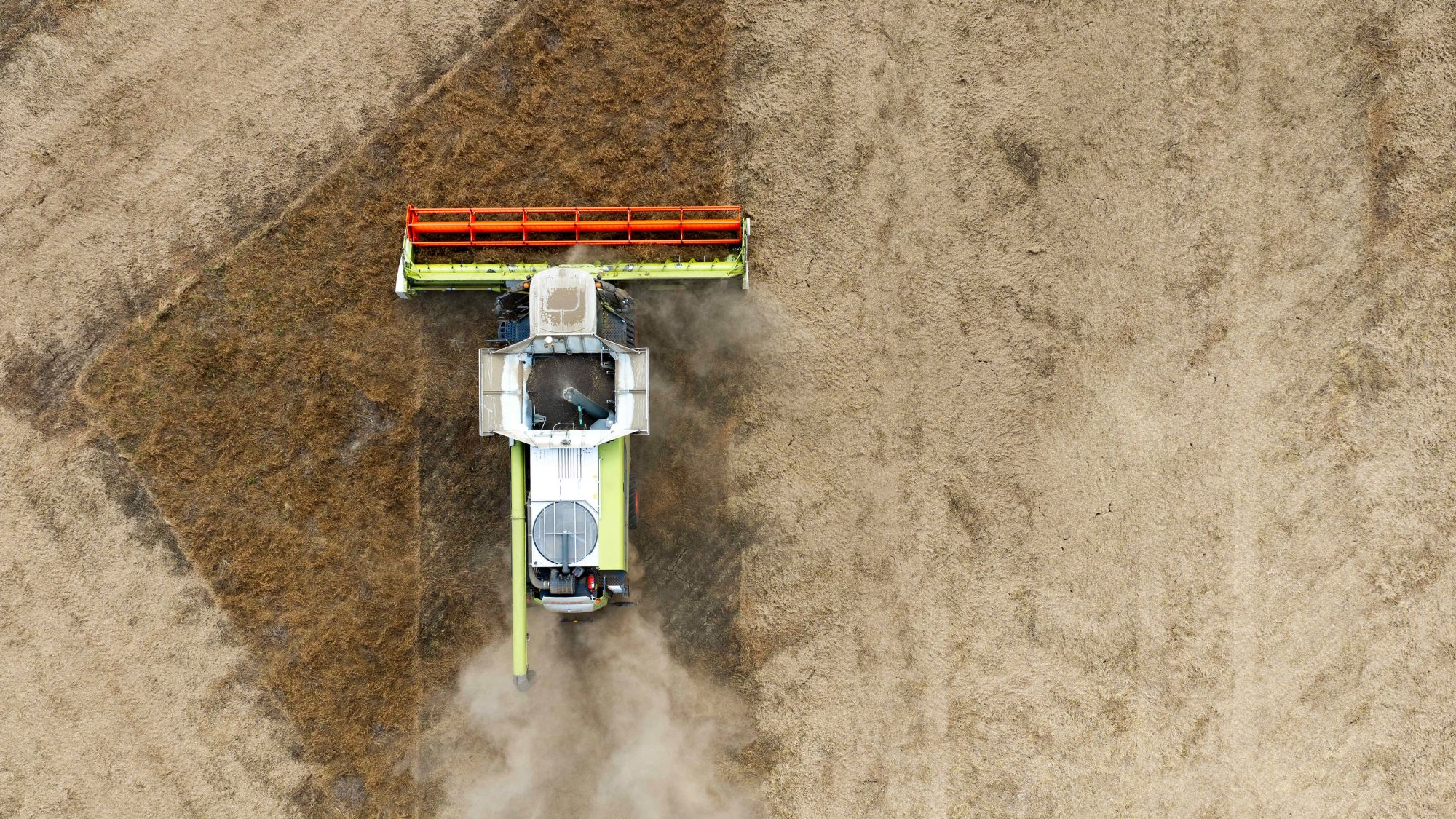
    England faces drought crisis as heatwave bears down

    What happened
    Almost three-quarters of England is now officially in drought, with four more areas placed under the designation as the country prepares for another spell of extreme heat. The East Midlands, Lincolnshire and Northamptonshire, Kent and East Sussex, and Solent and the South Downs have joined seven other areas already affected. The remaining regions are under prolonged dry weather status, leaving none classified as normal. Reservoirs are at 69% capacity, while 22% of rivers have exceptionally low flows. Farmers are reporting unusually early harvests and lower yields, while 27 million people face water use restrictions.

    Who said what
    Royal Meteorological Society chief executive Liz Bentley said climate change was making droughts “develop faster and hit harder”. Farmers’ Union deputy president Paul Tompkins said the outlook was increasingly worrying, with livestock already being fed winter supplies.

    This “flash drought” has “developed quickly because of very low rainfall and higher temperatures”, said Pippa Neill in The Guardian. It follows the driest July on record for England and Wales as both countries experienced an “unparalleled” lack of rainfall, according to the UK Centre for Ecology & Hydrology, a research institute.

    What next?
    Temperatures could climb beyond 36C this week as water companies seek emergency measures. The government says it is considering further agricultural assistance, including making it easier for farmers to construct reservoirs. England has also recorded 245 wildfires on protected land this year.


    today’s international story

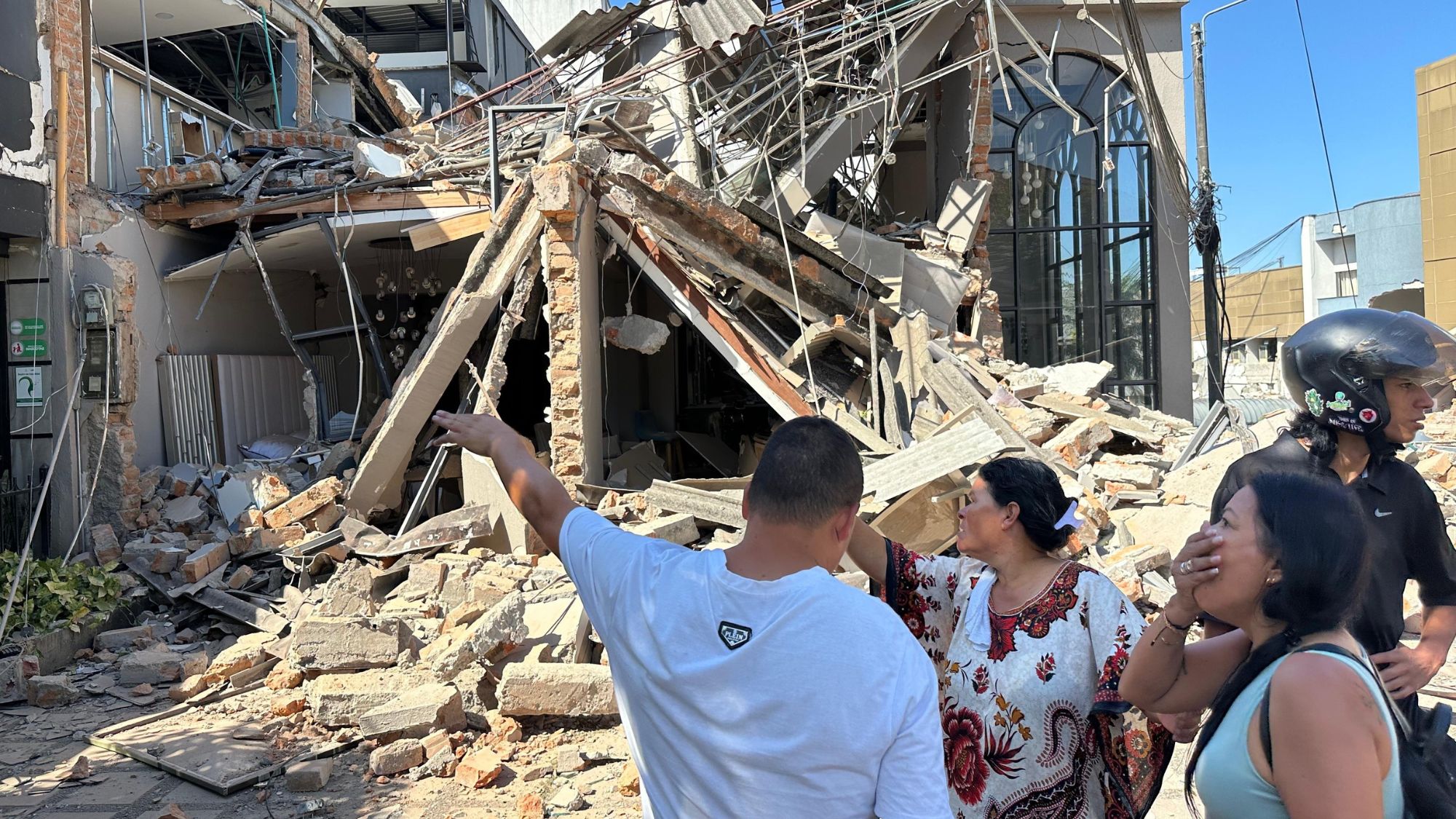
    Scores dead as earthquake rocks Colombia

    What happened
    A 7.4-magnitude earthquake has killed at least 132 people and injured 570 in western Colombia, with collapsed buildings trapping survivors across several cities. The tremor struck near San José del Palmar at 7.34am local time yesterday (1.34pm BST) and was felt as far away as Venezuela.

    Who said what
    Colombian President Abelardo De La Espriella has declared a state of emergency and cancelled his schedule to oversee the response to the crisis. “We aren’t going to leave people alone. They are in our hearts and we are going to tend to people with our full determination,” he said.

    This was “Colombia’s largest earthquake in years”, said José Carlos Cueto on the BBC. The powerful quake “rattled much of the country” and “set off a desperate search for survivors in the rubble of collapsed buildings in several major cities”, said Julie Turkewitz and Genevieve Glatsky in The New York Times.

    What next?
    Emergency crews are continuing to search for survivors, with teams being sent from Bogotá and Medellín. Six airports have temporarily closed for safety inspections, while Britain has advised against all but essential travel to affected areas. Officials are also warning of possible aftershocks.


    Today’s sport story

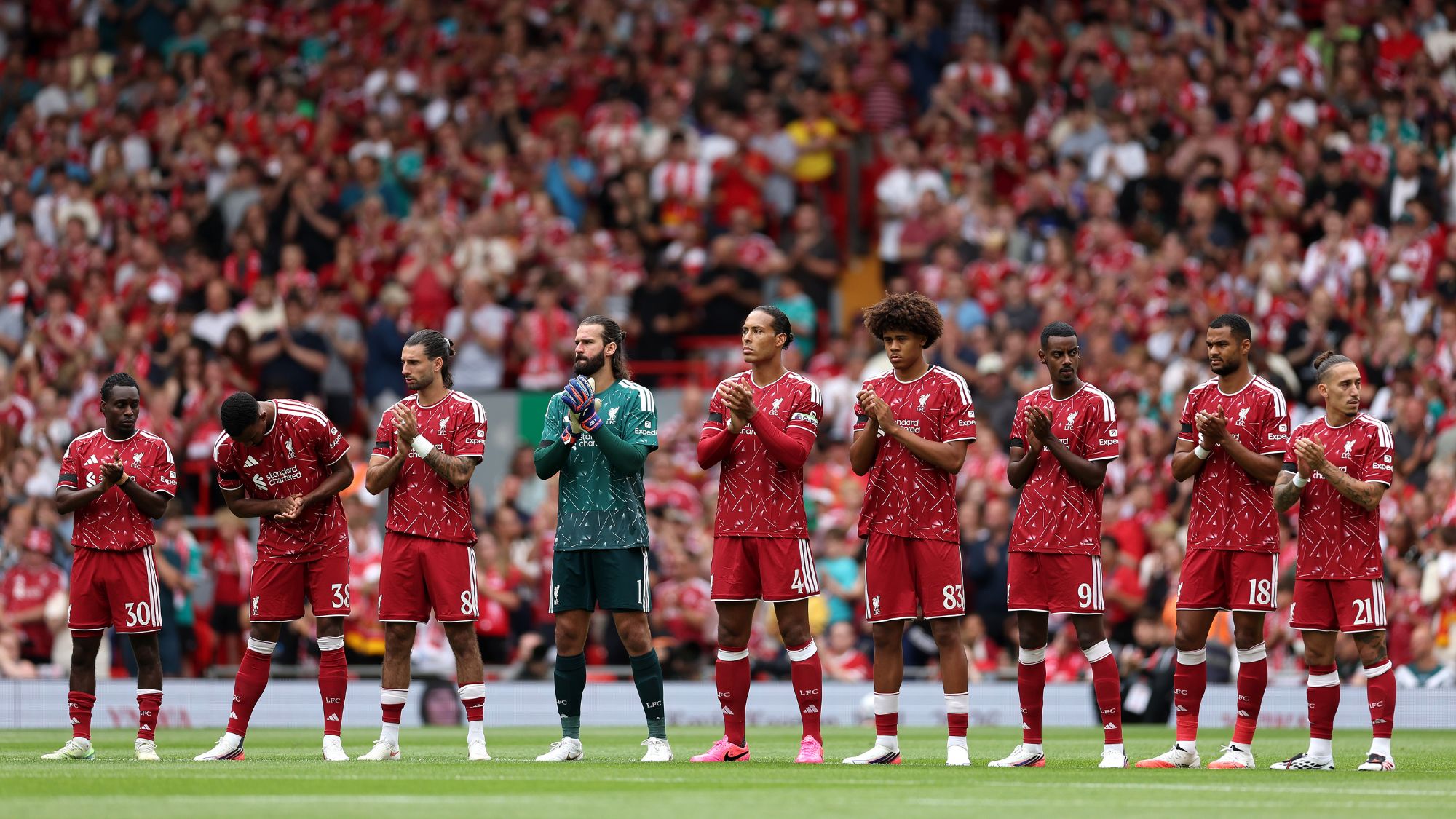
    Bezos consortium closes in on Liverpool FC stake

    What happened
    A syndicate including Amazon founder Jeff Bezos is finalising a deal to buy a minority stake in Liverpool FC, according to reports first shared by Sky News. The consortium is led by British-Indian businessman Amit Bhatia and also features Facebook co-founder Eduardo Saverin.

    Who said what
    “Talks are ongoing, but it is looking positive,” said a source.

    The deal “would install a trio of the world’s wealthiest individuals as co-owners of the Reds” and take the club’s value to £4.5 billion, according to Sky News. The involvement of Bezos, the world’s third-richest man, “underlines the extent to which sport is now viewed by wealthy investors as an asset class in its own right”.

    While Premier League financial rules cap club spending at 85% of football-related revenue, the investment of three ultra-rich backers could drive more “off-pitch” income in the form of “new commercial tie-ups”, as well as “infrastructure and tech opportunities”, said The Times.

    What next?
    An announcement confirming a deal could come “as soon as this week”, added Sky News.


    It’s not all bad

    British billionaire Hugh Grosvenor is turning cow manure into energy capable of heating 6,000 homes. His Cheshire dairy farm is building a huge biomethane plant that will process up to 170,000 tonnes of manure annually, producing renewable gas from next year. The farm already uses manure as fertiliser, meaning more than 80% of its cattle feed is grown without the use of artificial fertilisers. It says the scheme will help create a more sustainable “circular” farming system.


    under the radar

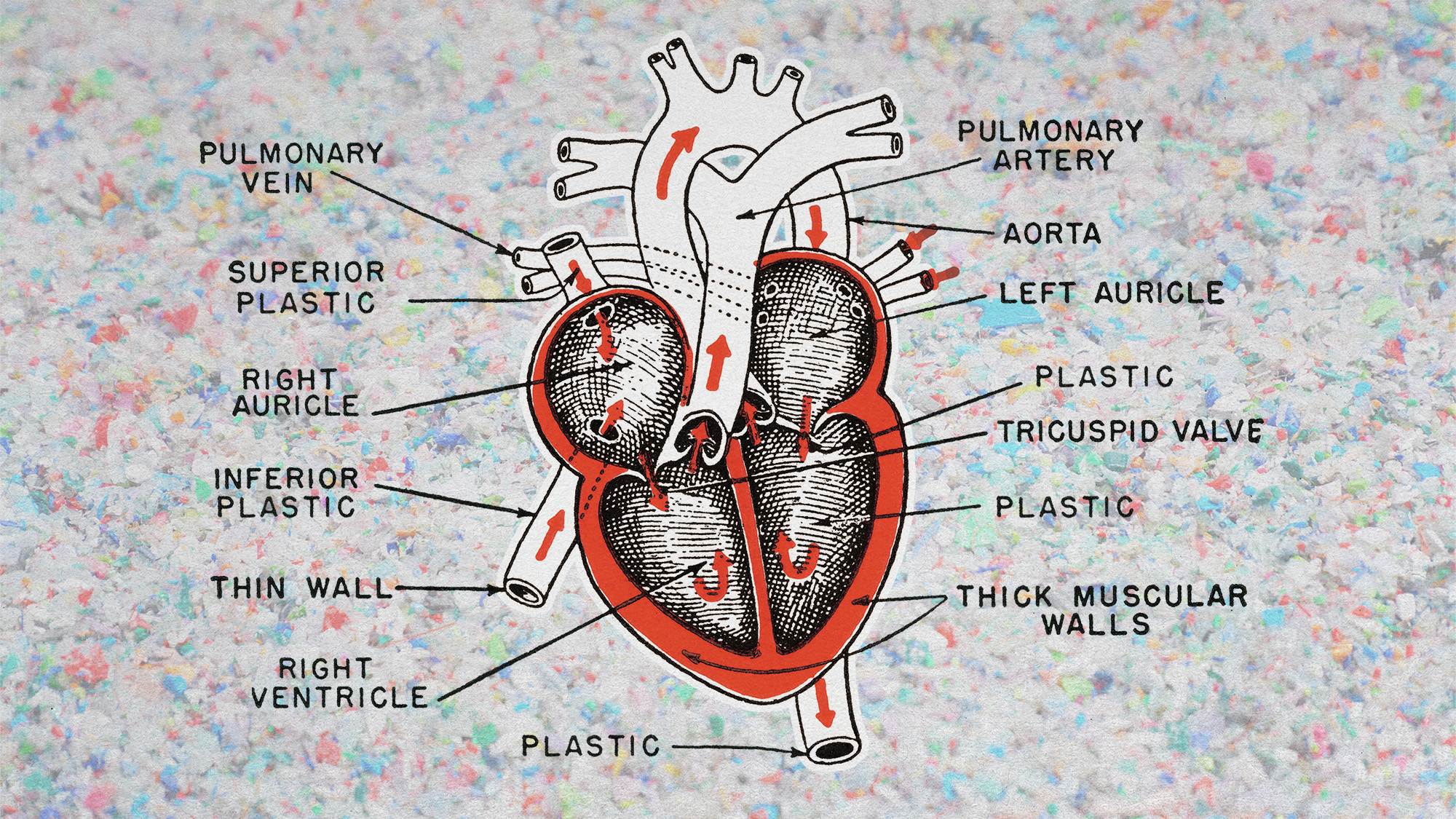
    Microplastics may be affecting heart health

    Microplastics could be responsible for a lot of heartache. The tiny pieces of plastic have been found in high amounts in patients who suffered heart attacks, leading experts to question their effect on cardiovascular health. Plastic likely has a more significant impact on health than we currently know and should be taken into account in analysing environmental risk management.

    Microplastics were “detected significantly more frequently” in patients who suffered heart attacks, said a study published in the European Heart Journal. Among those who had heart attacks, “micro and nanoplastics were detected in 84% of patients, compared with 40% of patients with chronic ischemic heart disease and 32% of patients with normal coronary arteries”, said a press release about the study.

    The study also found that “people who smoked were six times more likely to have detectable micro and nanoplastics in the blood supplying their hearts than non-smokers”, Dr David C. Gaze, a senior lecturer in chemical pathology at the University of Westminster, said on The Conversation. The same pattern for smoking held for those who were exposed to bad air quality.

    The apparent connection between microplastics, smoking and air pollution “underscores the urgent need to shift from isolated risk factor management towards comprehensive environmental health strategies”, said the study. Such strategies may include the “integration of air quality monitoring, anti-smoking interventions, plastic pollution reduction and exposomic assessment into cardiovascular disease prevention guidelines”.


    on this day

    11 August 1988

    Al-Qaida was formed at a meeting between Osama Bin Laden, Ayman al-Zawahiri and Dr Fadl (real name Sayyid Imam al-Sharif) in Peshawar, Pakistan. This week three men who were jailed in the UK 13 years ago for their involvement in an al-Qaida-inspired plot to detonate liquid bombs on transatlantic flights have launched bids to be freed from jail.


    Today’s newspapers

    ‘BIG boats crisis’

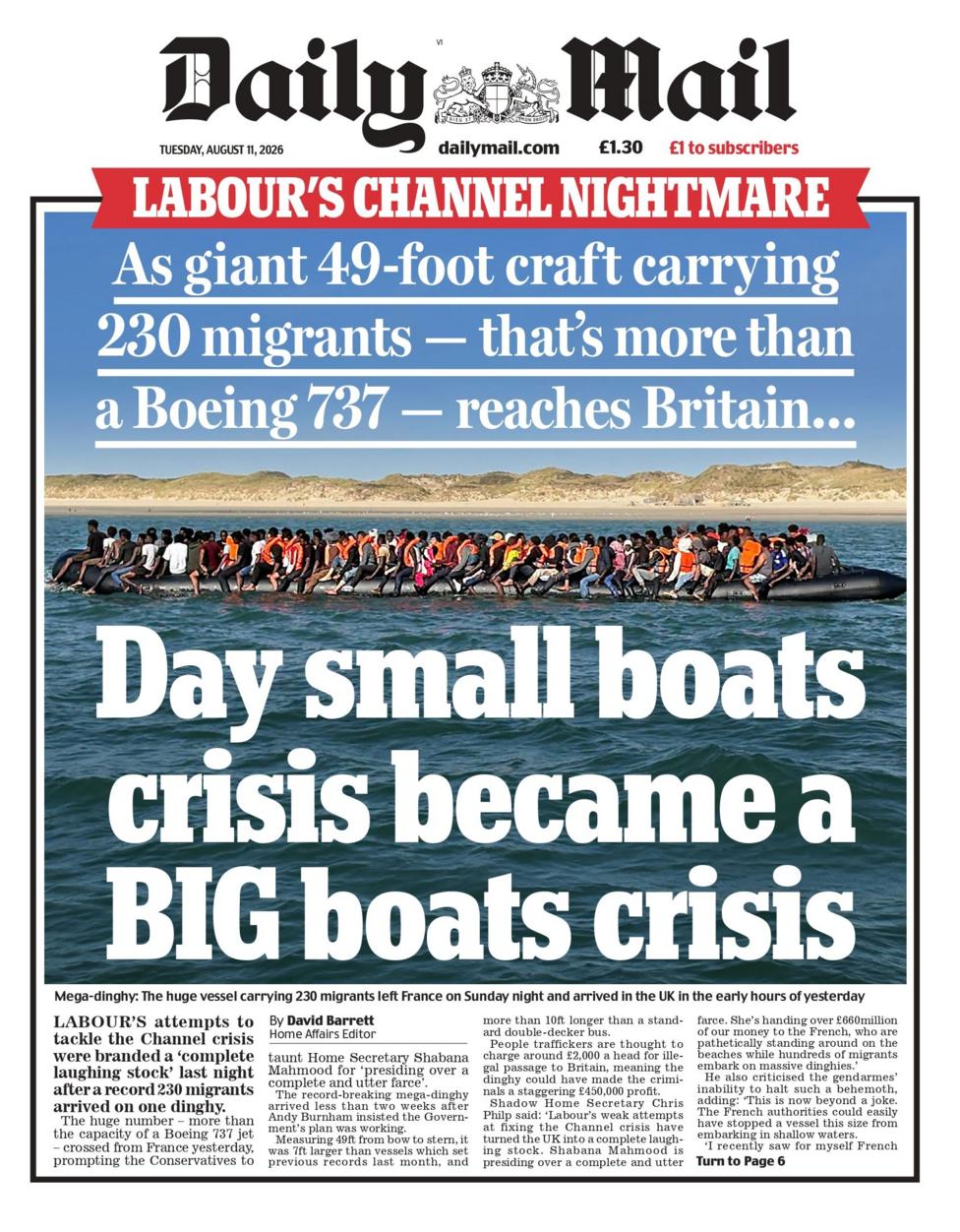
    There’s a “not-so-small boats crisis”, says The Sun, after a crossing of “230 migrants on a 49ft mega-dinghy”. There’s “no limit” to the “mega dinghies”, The Telegraph says. It was the day that “small boats crisis became a BIG boats crisis”, says the Daily Mail. Some “45m Brits” are in drought areas, leaving them “high and dry”, The Mirror reports. Firefighters have warned about a “surge in ‘unprecedented' summer blazes”, The Guardian says. A “daily pill for weight loss will keep you slim for life”, promises The Times.

    See the newspaper front pages


    tall tale

    Hole celebration

    A Brazilian footballer has apologised for getting “carried away” after he was injured jumping over advertising boards while celebrating a goal – falling down a tunnel on the other side that led to the away team’s dressing room. Jacy Maranhão, a defender for Coritiba, said “centre-backs hardly ever score goals. So when you do score ... I just got carried away”. But to add insult to injury, the goal was disallowed by VAR. He was substituted shortly after half-time due to the injury.


    Morning Report was written and edited by Arion McNicoll, Jamie Timson, Will Barker, Devika Rao, Ross Couzens and Chas Newkey-Burden, with illustrations by Julia Wytrazek.

    Image credits, from top: Toby Shepheard / AFP / Getty Images; Alexis Munera / Anadolu / Getty Images; Naomi Baker / Getty Images; Illustration by Julia Wytrazek / Getty Images.

    Morning Report and Evening Review were named Newsletter of the Year at the Publisher Newsletter Awards 2025
     

    Recent editions

    • Evening Review

      Has the world given up on Afghanistan?

    • Morning Report

      Suspected Irish crime boss in court after extradition

    • Sunday Shortlist

      Wham! visits China in a ‘surreal cultural collision’

    VIEW ALL
    TheWeek
    • About Us
    • Contact Future's experts
    • Terms and Conditions
    • Privacy Policy
    • Cookie Policy
    • Advertise With Us
    • FAQ
    Add as a preferred source on Google Add as a preferred source on Google

    The Week UK is part of Future plc, an international media group and leading digital publisher. Visit our corporate site.

    © Future Publishing Limited Quay House, The Ambury, Bath BA1 1UA. All rights reserved. England and Wales company registration number 2008885.